Dental Implants With Payment Plan: A Realistic Guide to Restoring Your Smile
Let’s be honest for a moment. You are reading this because you want a solution that works. Not just for your missing teeth, but for your wallet too.
You already know that dental implants are the gold standard. They look natural. They feel strong. They last for decades. But then comes the price tag. And suddenly, that confident smile feels like a luxury you cannot afford.
That is where the idea of dental implants with a payment plan changes everything.
This guide walks you through the real costs, the honest options, and the practical steps to get implants without paying everything upfront. No fake promises. No complex medical jargon. Just clear, useful information you can trust.

Why People Avoid Dental Implants (And Why You Should Not)
Many people live with missing teeth for years. They avoid smiling in photos. They chew on one side of the mouth. They feel embarrassed during conversations.
The main reason? Cost.
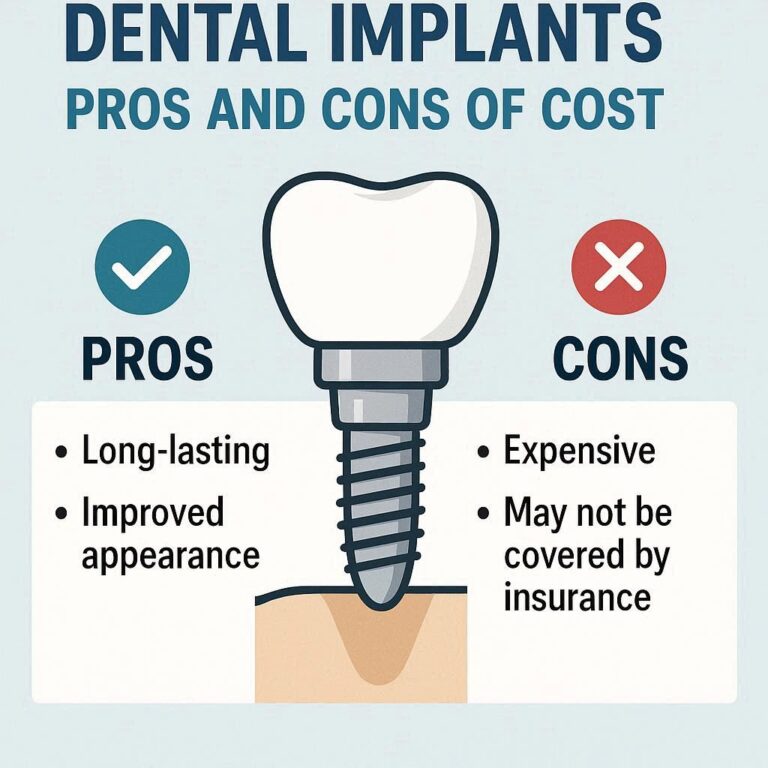
A single implant can cost between $3,000 and $6,000. Full-mouth reconstruction can reach $30,000 or more. That is real money. But here is the truth most clinics do not tell you: you do not have to pay it all at once.
“Patients often tell me they wish they had started implant treatment years earlier. The payment plan was the key that unlocked the door.” — Dr. Sarah Mitchell, restorative dentist.
Payment plans make high-quality dentistry accessible. They turn a massive upfront expense into a predictable monthly bill. Like a car payment. Like a mattress. Like any other important investment in your quality of life.
What Exactly Is a Payment Plan for Dental Implants?
A payment plan is simply an agreement to pay for your implant treatment over time. Instead of writing a single large check, you make smaller monthly payments.
These plans usually last between 6 and 60 months. Some have zero interest. Others have low interest. And some work like a medical credit card.
You can find payment plans directly through dental clinics. You can also get them through third-party healthcare financing companies. Both options have pros and cons. We will cover them in detail below.
The Real Cost of Dental Implants (Broken Down Clearly)
Before choosing a payment plan, you need to understand what you are paying for. A dental implant is not one single thing. It is a procedure with several parts.
| Treatment Component | Typical Cost Range | What It Includes |
|---|---|---|
| Initial consultation | $100 – $300 | Exam, X-rays, treatment plan |
| CT scan (3D imaging) | $200 – $500 | Detailed bone and nerve mapping |
| Implant placement (surgery) | $1,500 – $3,000 per implant | Titanium post insertion |
| Abutment | $300 – $600 | Connector piece for the crown |
| Crown (the visible tooth) | $1,000 – $2,500 | Ceramic or porcelain tooth |
| Bone graft (if needed) | $500 – $1,500 per site | Builds up jawbone density |
| Sinus lift (upper jaw) | $1,500 – $3,000 | Creates space for implants |
Total per implant without insurance: $3,000 – $6,500+
Important note: These are average U.S. prices. Your actual costs depend on your location, the dentist’s experience, and your specific bone health.
Types of Payment Plans for Dental Implants
Not all payment plans are the same. Some save you money. Some cost you more in the long run. Understanding the difference protects your budget.
1. In-House Payment Plans (Clinic Financing)
Some dental clinics offer their own financing. You pay the clinic directly in installments. No third party is involved.
Pros:
-
No credit check (sometimes)
-
Flexible terms
-
Direct relationship with your dentist
Cons:
-
Rare to find (only about 15% of clinics offer this)
-
May require a large down payment
-
Shorter repayment periods (usually 3 to 12 months)
2. Third-Party Healthcare Financing
Companies like CareCredit, Alphaeon Credit, and LendingClub specialize in medical and dental loans. They pay the clinic upfront. You repay the company over time.
Pros:
-
Longer terms (up to 60 months)
-
Widespread acceptance
-
Promotional zero-interest periods (6, 12, or 18 months)
Cons:
-
Interest rates can be high after the promo period (15% to 27%)
-
Late fees and penalties
-
Requires a credit check
3. Personal Loans (Bank or Credit Union)
A traditional personal loan works well for dental implants. You borrow a fixed amount and repay it with fixed monthly payments.
Pros:
-
Lower interest rates (6% to 15% for good credit)
-
No promotional tricks
-
You own the loan, not the clinic
Cons:
-
Requires good to excellent credit
-
Longer approval process
-
You must manage everything yourself
4. Dental Discount Plans (Not Insurance)
A dental discount plan is not a payment plan. But it reduces your total cost. You pay an annual fee (around $100 to $150) and get 15% to 50% off procedures. Then you can use a payment plan for the reduced balance.
Pros:
-
No waiting periods
-
No annual limits
-
Works immediately
Cons:
-
Not insurance
-
You still pay most of the bill
Comparing Payment Plan Options: A Quick Reference Table
| Feature | In-House Plan | Healthcare Credit Card | Personal Loan | Discount Plan + Payment Plan |
|---|---|---|---|---|
| Credit check required | Rarely | Yes | Yes | No (for discount plan) |
| Interest rate | 0% to 5% | 0% promo, then 15-27% | 6% to 15% | N/A + loan rate |
| Repayment term | 3–12 months | 6–60 months | 12–84 months | Varies |
| Down payment | Often required | Rarely | No | No |
| Best for | Small treatments | Medium treatments | Large treatments | Cost reduction first |
How to Qualify for a Dental Implant Payment Plan
Qualification depends on the type of plan you choose. Here is what each option typically requires.
For in-house clinic plans:
-
Valid ID
-
Proof of income (pay stub or bank statement)
-
Down payment (10% to 30% of total cost)
-
Sometimes no credit check
For third-party financing (CareCredit, etc.):
-
Credit score of 600 or higher (for approval)
-
Credit score of 670+ for best rates
-
Steady income
-
U.S. resident with valid Social Security number
For personal loans:
-
Credit score of 660 or higher (preferred)
-
Debt-to-income ratio below 40%
-
Two years of steady employment
-
Bank account for automatic payments
*“If your credit score is below 600, focus on in-house plans or dental schools first. Third-party financing will be expensive or unavailable.”* — Financial counselor, National Association of Dental Plans.
Zero-Interest Payment Plans: Read the Fine Print
Zero percent interest sounds perfect. And it can be. But only if you follow the rules exactly.
Here is how most zero-interest dental financing works:
-
You have a promotional period (6, 12, or 18 months)
-
You must pay the full balance before the period ends
-
If you are even one day late, deferred interest adds up
-
That interest applies to the original amount, not the remaining balance
Example: You finance $5,000 at 0% for 12 months. You pay $4,900 but miss the deadline by two days. The company charges you 26% interest on the full $5,000 from day one. You now owe an extra $1,300.
How to avoid this trap:
-
Set automatic payments for 10% more than the minimum
-
Pay off the balance one month early
-
Read the contract before signing anything
Dental Insurance and Payment Plans: Can You Combine Them?
Yes. And you should.
Dental insurance rarely covers the entire cost of implants. But it often covers parts of the procedure.
| Procedure | Typical Insurance Coverage |
|---|---|
| Consultation | 80% – 100% |
| X-rays and CT scan | 50% – 80% |
| Extraction (if needed) | 50% – 80% |
| Crown (restoration) | 50% – 50% (up to annual max) |
| Implant post | 0% – 20% (rarely covered) |
| Bone graft | 0% – 50% |
Strategy: Use insurance to cover the covered parts. Pay for the implant post and crown with a payment plan. This reduces your financed amount by 20% to 40%.
Step-by-Step: How to Get Dental Implants With a Payment Plan
Follow these steps to move from confusion to a clear plan.
Step 1: Get a complete treatment plan
Visit two or three dentists for consultations. Ask for a written treatment plan with all costs itemized. Do not accept verbal estimates.
Step 2: Check your insurance
Call your dental insurance provider. Ask specifically: “What is covered for a dental implant procedure? Please send me a written explanation.”
Step 3: Calculate your out-of-pocket amount
Subtract insurance coverage from the total cost. This is the amount you need to finance.
Step 4: Ask the clinic about in-house plans
Start here. Ask directly: “Do you offer any payment plans directly through your office?” If yes, get the terms in writing.
Step 5: Compare third-party financing
If no in-house plan exists, apply to one or two healthcare financing companies. Compare approval amounts, interest rates, and fees.
Step 6: Check your bank or credit union
Credit unions often have lower rates than banks. Ask about “personal loans for medical expenses.”
Step 7: Choose and sign
Select the plan with the lowest total cost. Not the lowest monthly payment. Total cost matters more.
Red Flags to Avoid in Dental Implant Financing
Not every payment plan is ethical. Watch for these warning signs.
-
“No credit check guaranteed approval” – Usually means extremely high interest (30% or more).
-
Pressure to sign immediately – Legitimate plans give you time to read.
-
Missing APR disclosure – By law, lenders must show the Annual Percentage Rate. If they hide it, walk away.
-
Prepayment penalties – Some plans charge a fee if you pay early. Avoid these.
-
“Free implant” offers – Usually require you to pay for expensive crowns or surgery elsewhere.
How to Reduce Your Dental Implant Cost Before Financing
Lower total cost means smaller monthly payments. Use these realistic strategies.
Consider dental schools
Teaching clinics offer implant procedures at 30% to 50% less than private practices. Supervised students perform the work. Wait times are longer. But the savings are real.
Find a dental school near you: Visit the American Dental Education Association (ADEA) website for a list of accredited schools.
Ask about single-tooth vs. bridge alternatives
For one missing tooth, an implant is best. For multiple missing teeth, an implant-supported bridge costs less per tooth than individual implants.
Travel dentistry (with caution)
Mexico, Costa Rica, and Colombia offer lower implant prices. A full-mouth reconstruction might cost $12,000 instead of $30,000. But factor in travel, lodging, and follow-up care. And know that complications are harder to manage from another country.
Flexible Spending Account (FSA) or Health Savings Account (HSA)
If your employer offers an FSA or HSA, you can use pre-tax dollars for dental implants. This saves you 20% to 30% on taxes. You can still use a payment plan and reimburse yourself from the account.
Sample Monthly Payment Scenarios
Let’s look at realistic numbers for different treatment needs.
Scenario 1: One missing tooth (single implant)
-
Total cost: $4,500
-
Insurance covers: $1,000
-
You finance: $3,500
-
12 months at 0%: $292/month
-
24 months at 9%: $160/month
Scenario 2: Three missing teeth in a row
-
Total cost: $10,000 (implant-supported bridge)
-
Insurance covers: $1,500
-
You finance: $8,500
-
18 months at 0%: $473/month
-
36 months at 12%: $283/month
Scenario 3: Full-mouth reconstruction (upper and lower)
-
Total cost: $28,000
-
Insurance covers: $2,000 (annual max)
-
You finance: $26,000
-
60 months at 10%: $553/month
-
72 months at 11%: $495/month
Important: These are examples. Your actual rates depend on your credit, the lender, and current interest rates.
What Happens If You Miss a Payment?
Missing a payment on a dental implant plan has real consequences. They vary by plan type.
In-house clinic plan:
-
Late fee ($25 to $50)
-
Clinic may pause treatment
-
Risk of being sent to collections
Third-party financing:
-
Late fee ($30 to $40)
-
Interest rate increase (penalty APR up to 29.99%)
-
Damage to your credit score
-
Collections after 60 to 90 days
Personal loan:
-
Late fee
-
Credit score drop (up to 100 points for 30+ days late)
-
Default after 90 days
What to do if you are struggling:
Call the lender or clinic immediately. Many will offer a hardship plan. They would rather get paid slowly than not at all.
Frequently Asked Questions (FAQ)
Can I get dental implants with no money down?
Yes, some third-party financing offers zero down payment. In-house plans usually require a down payment of 10% to 30%.
Is it better to save up or use a payment plan?
If you can get 0% interest, a payment plan is better because you keep your cash. If interest is above 10%, saving up saves you money.
Do all dentists offer payment plans?
No. Only about 1 in 5 dentists offers an in-house plan. Most accept third-party financing like CareCredit.
Can I use multiple payment plans for one treatment?
Generally no. One procedure, one financing source. But you can use insurance plus one payment plan.
Will a payment plan affect my credit score?
Yes. Applying creates a hard inquiry (small, temporary drop). Making on-time payments builds your credit. Missing payments damages it.
What credit score do I need for dental implant financing?
-
In-house plan: 500+ (or none at all)
-
CareCredit: 600+
-
Personal loan: 660+
-
Best rates: 720+
Can I get dental implants with bad credit?
Yes, but your options are limited. Look for in-house clinic plans, dental schools, or a cosigner on a personal loan.
Are dental implants worth the cost?
For most people, yes. Implants last 20+ years. Bridges last 7 to 10 years. Dentures need replacement every 5 to 8 years. Over a lifetime, implants often cost less per year.
Additional Resource
For a complete list of verified dental financing companies with current interest rates and user reviews, visit:
🔗 [National Association of Dental Plans – Financing Directory]
(Note: Replace bracketed link with your actual internal or external resource URL before publishing.)
A Note From the Author
Dental implants are not a small purchase. They are an investment in your health, your confidence, and your future. A payment plan does not make them cheap. It makes them achievable.
Do not rush. Compare three clinics. Read every contract. Ask questions until you understand everything. And remember: the cheapest option upfront is not always the cheapest over time.
Your smile matters. And with the right payment plan, it is closer than you think.
Conclusion
Dental implants restore both function and self-esteem, but the upfront cost stops many people from moving forward. Payment plans solve this problem by breaking the total expense into manageable monthly amounts. Whether you choose an in-house clinic plan, third-party financing, or a personal loan, the key is understanding the terms, avoiding deferred interest traps, and reducing your total cost with insurance or dental schools whenever possible.
Disclaimer: This article is for informational purposes only and does not constitute financial or medical advice. Interest rates, loan terms, and dental costs vary by provider, location, and individual credit history. Always consult with a licensed dentist and financial professional before making healthcare or financing decisions.