The Complete Guide to Full Mouth Esteem Dental Implants Cost, Value, and What to Expect
If you’re considering a permanent solution for missing or failing teeth, you’ve likely encountered the Esteem® Dental Implant System. It’s often described as a premier, all-in-one treatment, and a common question we hear is, “What is the real cost for a full mouth reconstruction with Esteem?” The answer, as you might suspect, isn’t a single number. It’s a range shaped by your unique needs, your location, and the expertise of your dental team.
This guide is designed to be your definitive resource. We’ll move beyond generic price tags and delve into the components that build the final investment. Our goal is to equip you with the knowledge to have confident, informed conversations with potential providers. We believe understanding the “why” behind the cost is the first step toward achieving a healthy, functional, and confident smile that lasts for decades.
Understanding the Esteem Implant System: More Than Just Implants
Before we discuss numbers, it’s crucial to understand what sets the Esteem System apart. Developed by Nobel Biocare, a leader in implant dentistry, Esteem is not just a brand of implant posts. It’s a complete digital treatment protocol.
-
Integrated Digital Workflow: From the first 3D scan to the final placement of your new teeth, the process is planned digitally for exceptional precision.
-
Immediate Functionality: One of its most significant benefits is the potential for receiving a temporary, but functional, set of teeth on the same day as your implant surgery. You leave the office with a smile.
-
High-Quality Components: The system uses premium materials and abutments designed for optimal aesthetics and long-term stability.
Dr. Amanda Pierce, a board-certified prosthodontist, explains the value proposition: “The Esteem System invests in predictability. The extensive pre-planning minimizes surgical surprises and streamines the prosthetic phase. For a full mouth case, this advanced planning isn’t a luxury; it’s a critical factor for success and patient comfort.”
Because it’s a comprehensive system utilizing top-tier technology and materials, it often commands a higher investment compared to traditional, piecemeal implant approaches.
Breaking Down the Full Mouth Esteem Implant Cost
A full mouth restoration with Esteem is typically quoted as a comprehensive fee. This fee encompasses every step of your journey. Let’s dissect what’s included.
The Core Cost Components
-
Diagnostic & Planning Phase: This is the foundation. It includes:
-
Advanced 3D Imaging (CBCT Scan): Essential for assessing bone density, nerve location, and sinus anatomy.
-
Digital Impressions & Smile Design: Using intraoral scanners to create a precise digital model. You’ll even preview your new smile digitally.
-
Surgical Guides: Computer-designed guides that ensure the implants are placed in the ideal position for aesthetics and function. This is a significant part of the Esteem protocol.
-
-
Surgical Phase:
-
Implant Posts: The number of implants (often between 4 and 8 per arch) needed to support a full bridge.
-
Surgery Fees: Covers the expertise of the surgeon, the surgical facility, anesthesia, and all related supplies.
-
Bone Grafting (if needed): If you’ve suffered bone loss, grafting may be necessary to create a stable foundation. This can add to the cost and treatment time.
-
-
Prosthetic Phase (Your New Teeth):
-
Abutments: The connectors that attach the prosthetic teeth to the implants. Esteem uses specific custom or stock abutments.
-
The Final Prosthesis: This is the full-arch bridge itself. It can be made from high-quality acrylic with composite teeth or from a monolithic zirconia—a single, incredibly strong piece of ceramic. Zirconia is more expensive but offers exceptional durability and aesthetics.
-
-
Professional Expertise:
-
You are paying for a team: often a surgical specialist (periodontist or oral surgeon) and a restorative dentist (prosthodontist or general dentist with advanced training). Their combined experience is invaluable.
-
The Estimated Investment Range
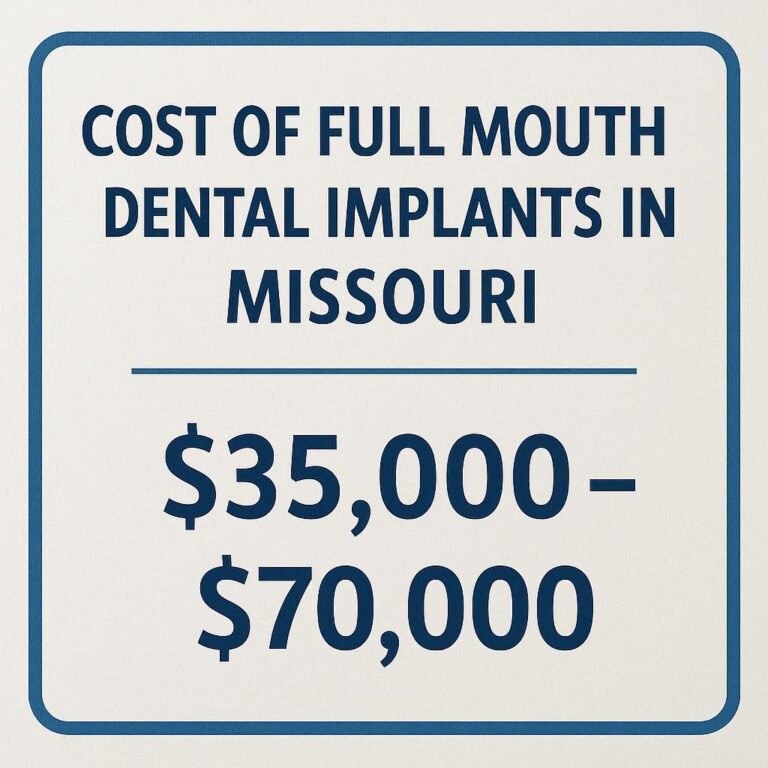
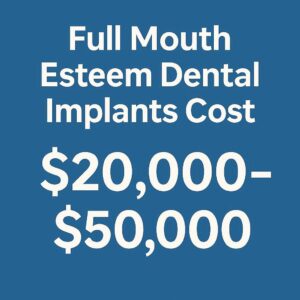
Given these components, a full mouth reconstruction (both upper and lower arches) using the Esteem protocol in the United States or Canada typically falls within a range of $45,000 to $85,000 or more per arch. For two arches, the total can range from $90,000 to $170,000+.
Why such a wide range? The following table illustrates the key variables.
Factors Influencing Your Final Cost
| Factor | How It Affects Cost | Details |
|---|---|---|
| Geographic Location | High Impact | Fees in major metropolitan areas (NYC, LA, Toronto) are consistently higher than in suburban or rural regions due to higher practice overhead. |
| Provider Expertise | High Impact | A specialist with decades of experience and a renowned reputation will charge more than a newly trained general dentist. This expertise often translates to better outcomes. |
| Number of Implants | Moderate Impact | A full arch can be supported by 4 implants (All-on-4® technique) or 6-8 implants for added stability in challenging cases. More implants mean higher cost for components and surgery time. |
| Need for Bone Grafting | Variable Impact | If significant grafting or sinus lifts are required, this can add $1,500 to $5,000 or more per site to the surgical phase. |
| Material of Final Teeth | Moderate Impact | A hybrid acrylic bridge is a standard, reliable option. A monolithic zirconia bridge is at the premium end, offering superior aesthetics and wear resistance but at a higher material and lab fabrication cost. |
| Anesthesia Type | Minor Impact | IV sedation is more expensive than local anesthesia but is often preferred for such extensive procedures. |
| Practice Overhead | Built-In Impact | A clinic with state-of-the-art, in-house technology (CBCT, milling machines) may have different pricing than one that outsources these services. |
Important Note for Readers: Any quote presented as a single, flat, “too-good-to-be-true” number should be scrutinized. Ensure you understand exactly what is and—critically—what is NOT included. Ask about fees for follow-up visits, adjustments, and the long-term maintenance of your prosthesis.
Financing Your New Smile: Making It Achievable
Very few patients pay the entire amount upfront. Reputable practices understand this and offer various pathways to make treatment accessible.
-
In-House Payment Plans: Many clinics offer interest-free or low-interest monthly payment plans over 12-24 months.
-
Third-Party Medical Financing: Companies like CareCredit, Alphaeon, or LendingClub offer extended loan terms (often 36-60 months) for healthcare procedures.
-
Health Savings Accounts (HSA) / Flexible Spending Accounts (FSA): These pre-tax funds can almost always be used for medically necessary dental implant procedures.
-
Dental Insurance: While most plans have low annual maximums ($1,000-$1,500), they may cover parts of the procedure (e.g., the extractions, the abutments, or the crown portion). Submit a pre-treatment estimate.
-
Medical Insurance: In some cases, if tooth loss is due to a medical condition or accident, parts of the surgery may be covered under medical insurance.
A Practical List: Questions to Ask About Financing
-
Do you offer in-house payment plans? What are the terms?
-
Which third-party lenders do you work with?
-
Can your administrative team help me submit to both dental and medical insurance?
-
Is the cost of the final prosthesis and all follow-up care for the first year included?
The Treatment Journey: What Does the Timeline Look Like?
Understanding the timeline helps manage expectations. A full mouth Esteem case is not a single appointment.
-
Consultation & Planning (1-2 visits over a month): This is the most critical phase. It involves scans, records, diagnosis, and the digital design of your surgery and smile.
-
Surgery & Immediate Load (1 day): Implants are placed using the surgical guides. Your temporary, functional bridge is attached the same day.
-
Healing & Osseointegration (3-6 months): The implants fuse with your jawbone. You’ll eat with your temporary teeth and have several check-ups.
-
Final Impressions & Fabrication (1-2 months): Once healed, impressions for your final, permanent bridge are taken.
-
Delivery of Final Teeth (1-2 visits): Your custom-crafted, permanent bridge is fitted, adjusted, and secured.
-
Lifetime of Maintenance: This includes annual check-ups, professional cleanings designed for implants, and possible occasional adjustments.
Assessing Value: Is the Investment in Esteem Implants Worth It?
Cost is an expenditure; value is the return on that expenditure. When evaluating Esteem, consider these long-term value points:
-
Predictability & Safety: The digital guided surgery minimizes risks and improves accuracy.
-
Immediate Quality of Life: Walking out with teeth on day one is a profound psychological and functional benefit.
-
Durability: With proper care, the implant posts can last a lifetime. The prosthetic bridge may last 15-20 years or longer before needing refurbishment.
-
Health Preservation: Implants prevent bone loss, maintain facial structure, and protect your remaining natural teeth.
-
Comprehensive Care: You are paying for a seamless, coordinated treatment from a dedicated team.
How to Choose the Right Provider: A Checklist
Your choice of provider is your most important decision. Here’s how to vet potential practices:
-
Verify Credentials: Look for a surgeon and restorative dentist with proven experience in full-arch cases. Ask about fellowships or continued education in implantology.
-
Review Before/After Galleries: Assess the aesthetic consistency of their work, specifically for full mouth cases.
-
Ask for Patient Testimonials: A reputable practice will have video or written testimonials from actual patients.
-
Tour the Facility: A modern practice with in-house technology (CBCT, digital scanners, a dental lab) is a good sign of investment in quality care.
-
Understand the Warranty: What do they guarantee? The implants (often covered by Nobel Biocare’s warranty)? The prosthesis? The labor?
-
Feel Comfortable: You will have a long-term relationship with this team. Trust your instincts during the consultation.
Conclusion
The journey to a full mouth restoration with Esteem Dental Implants is a significant investment in your health, confidence, and future well-being. The total cost is shaped by your anatomical needs, the materials chosen, and the expertise of your dental team. By focusing on the comprehensive value—the advanced technology, immediate functionality, and long-term health benefits—you can move beyond price alone. Armed with the knowledge from this guide, you are now prepared to seek detailed consultations, ask the right questions, and make a decision that aligns with your health goals and lifestyle for decades to come.
Frequently Asked Questions (FAQ)
Q: Can I get Esteem Implants for just one arch?
A: Absolutely. The Esteem protocol is perfectly suited for single-arch restoration (either upper or lower). The cost would typically be in the $45,000 to $85,000 range for one arch, depending on the factors discussed.
Q: How do Esteem Implants compare to other systems like All-on-4?
A: This is a common point of confusion. “All-on-4” is a treatment concept (using four implants to support a full arch) that can be performed with various implant brands, including Nobel Biocare. The Esteem System is Nobel Biocare’s specific digital protocol and product suite that can be used to execute an All-on-4 treatment, among other configurations. Think of All-on-4 as the architectural blueprint and Esteem as the premium branded tools and materials used to build it.
Q: Does the quoted price include the temporary teeth?
A: In a proper Esteem System treatment plan, the cost of the immediate-load temporary prosthesis should always be included. This is a hallmark of the protocol. Always confirm this with your provider.
Q: What is the maintenance cost after treatment?
A: You will need specialized cleanings and annual check-ups. Budget approximately $200-$500 per year for maintenance visits. Your final bridge may also require occasional servicing (e.g., replacing a prosthetic tooth or relining) over many years.
Q: Are there any alternatives that are less expensive?
A: Yes. Alternatives include traditional dentures (least expensive, least stable), implant-supported overdentures (more stable than dentures, less expensive than a fixed bridge), or fixed bridges using different implant systems or materials. Each has different trade-offs in cost, procedure, and long-term outcomes.
Additional Resources
To further your research, we recommend visiting the following authoritative sources:
-
The American Academy of Implant Dentistry (AAID): For patient education and to find credentialed implant dentists (www.aaid.com).
-
The American College of Prosthodontists (ACP): To learn more about the restoration of teeth and to find a prosthodontist specialist (www.gotoapro.org).
-
Nobel Biocare Patient Website: For detailed information directly from the manufacturer of the Esteem System (www.nobelbiocare.com).
Disclaimer: This article is for informational purposes only and does not constitute medical advice. The costs, timelines, and outcomes described are estimates and can vary widely. A formal consultation with a qualified dental professional is essential to determine the appropriate treatment plan and accurate cost for your individual situation.