How Much Do All On 4 Dental Implants Cost? A Complete Breakdown for 2026
If you are reading this, you are likely at a point where you are tired of dealing with dentures that slip, teeth that are failing, or the constant anxiety of dental pain. You have probably heard the term “All-on-4” floating around, and you are wondering if it is the solution for you.
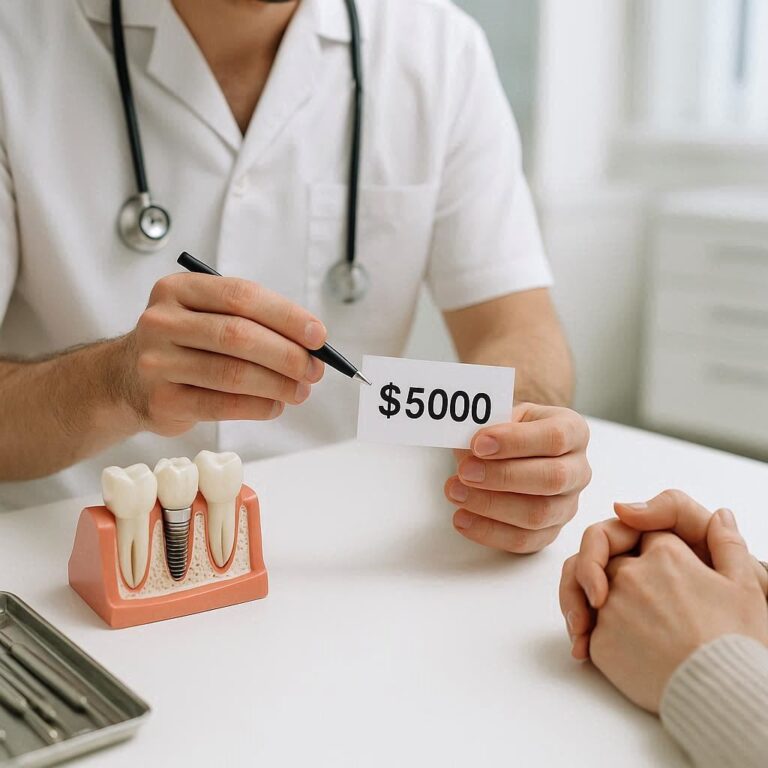
But there is always one question that comes before the excitement of a new smile: How much do All-on-4 dental implants cost?
It is a fair question. In fact, it is the most important question. Unlike buying a car or a television, dental implants don’t come with a simple price tag hanging off them. The cost varies wildly depending on where you live, who performs the surgery, and what materials are used.
This guide is designed to give you the full picture. We will cut through the confusing marketing jargon, look at the hidden fees, and give you a realistic range so you can budget properly.
What Exactly Are All-on-4 Dental Implants?
Before we talk numbers, let’s make sure we are on the same page about what you are actually paying for.
The All-on-4 treatment concept is a revolutionary procedure designed to replace a full arch of teeth (either the upper jaw, lower jaw, or both) using just four strategically placed dental implants. Unlike traditional implants, which might require placing 6, 8, or even 10 individual posts to support a full set of teeth, All-on-4 uses angulation and physics to secure a fixed bridge with only four points of contact.
Here is what you are paying for:
-
The Implants: Four titanium posts surgically inserted into your jawbone.
-
The Abutments: Connector pieces that attach the prosthetic teeth to the implants.
-
The Prosthesis: The actual set of teeth (the bridge) that looks, feels, and functions like natural teeth.
Because this is a full-arch reconstruction, it involves surgery, prosthetic dentistry, and often preliminary work like extractions. This complexity is why the cost is higher than a simple filling or a single implant.
The “All-In-One” Price: What Does It Really Mean?
When you start calling dental offices, you will hear the term “all-inclusive” or “turnkey” pricing quite often. This is meant to simplify things for you. However, not every clinic defines “all-inclusive” the same way.
A truly comprehensive quote for All-on-4 should include the following:
-
Initial consultation and diagnostics: CT scans, X-rays, and 3D imaging.
-
Extractions: If you have remaining natural teeth that need to be removed.
-
The surgical guide: A 3D-printed guide that ensures precise implant placement.
-
The implants: Four titanium posts.
-
The temporary bridge: A fixed set of teeth you wear during the healing phase (usually 4-6 months).
-
The final bridge: The permanent zirconia or acrylic set of teeth.
-
Follow-up appointments: Healing checks and adjustments.
If a clinic advertises a very low “starting at” price, read the fine print. Sometimes that price excludes extractions, excludes the temporary teeth, or uses lower-quality materials.
The Global Price Spectrum: A Realistic Range
So, how much do All-on-4 dental implants cost? To give you a realistic answer, we need to separate the market into three tiers. The price per arch (for one jaw) typically falls into these ranges:
| Tier | Price Range (Per Arch) | Description |
|---|---|---|
| Budget/Chain Clinics | $12,000 – $15,000 | Often uses acrylic teeth and standard implants. High volume. May involve travel to cities with lower overhead. |
| Private Practice (Mid-Range) | $20,000 – $28,000 | High-quality materials (zirconia), experienced surgeon and prosthodontist team. Comprehensive warranty. |
| Premium/Luxury | $30,000 – $45,000+ | Top-tier specialists, premium German or Swiss implants (like Straumann or Nobel Biocare), full sedation, and luxury concierge service. |
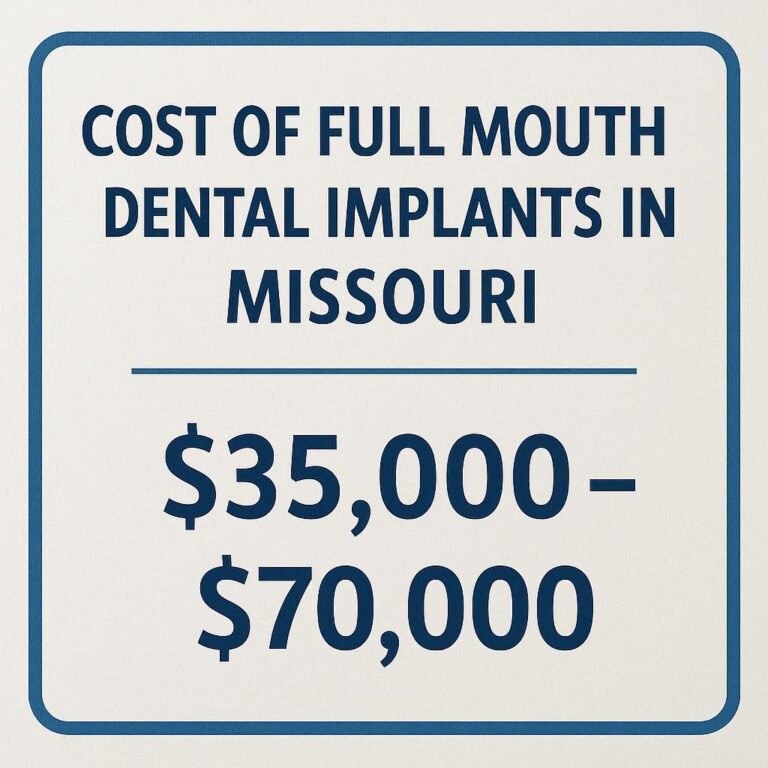
Important Note: If you need both the upper and lower arches (full mouth restoration), you can generally multiply the per-arch cost by two. However, many clinics offer a discount for doing both arches simultaneously. A full mouth All-on-4 typically ranges from $25,000 to $65,000.
Why Is There Such a Huge Price Difference?
If you have been researching, you have likely seen a clinic advertising “All-on-4 for $8,999” and another advertising it for $35,000. It is confusing, but the price difference usually comes down to three main factors: location, materials, and expertise.
The Surgeon’s Expertise
You are not just paying for a piece of titanium; you are paying for the hands that place it.
-
General Dentist: A skilled general dentist can do this procedure, often at a lower cost.
-
Specialist (Oral Surgeon or Periodontist): These specialists have 3-4 additional years of training specifically in surgical bone structure and implant placement. Their fees are higher because the risk of nerve damage or implant failure is statistically lower.
The Material of the Final Teeth
This is one of the biggest factors in price variation.
-
Acrylic (PMMA): Lighter and less expensive. It looks good initially but can stain over time and is less durable. It is often used for the temporary bridge or budget-friendly permanent bridges.
-
Zirconia: This is a “ceramic steel.” It is incredibly strong, biocompatible, and looks the most like natural enamel. It will not stain, and it resists wear. Zirconia bridges cost significantly more but are considered the gold standard for longevity.
Geographic Location
A dental practice in Manhattan, New York City, has significantly higher rent, utilities, and staff salaries than a practice in rural Ohio. That overhead is reflected in the price. “Dental tourism” to locations like Mexico, Costa Rica, or Colombia is popular because you can often get All-on-4 for $10,000 to $15,000 per arch. However, you must factor in travel costs, hotel stays, and the challenge of follow-up care if something goes wrong after you return home.
Hidden Costs: What Can Ruin Your Budget?
I want to be honest with you about the surprises that can pop up. Even when you think you have a final quote, certain clinical situations can add to the bill.
1. Bone Grafting
For the All-on-4 concept to work, you need enough bone density to hold the implants. If you have been missing teeth for years, your jawbone likely has resorbed (shrunk). While All-on-4 is designed to work with minimal bone, sometimes a bone graft is unavoidable.
-
Cost: $500 to $3,000 per arch.
2. Sinus Lifts
If you are getting implants on the upper jaw, the sinus cavities can sometimes intrude where the implants need to go. A sinus lift is a surgical procedure to add bone to that area.
-
Cost: $1,500 to $3,000 per side.
3. Sedation and Anesthesia
Many patients opt for IV sedation (twilight sleep) or general anesthesia to avoid anxiety during the 2–4-hour surgery. While local anesthesia (numbing shots) is usually included, sedation is often an “add-on.”
-
Cost: $500 to $1,500 per session.
4. Interim Dentures
If you are currently in pain but need extractions, some patients opt for a temporary traditional denture while they save up for the final implants. This is an extra cost that may not be included in the initial implant quote.
A Realistic Timeline of Payments
Understanding when you pay is just as important as understanding how much you pay.
-
Phase 1: Consultation & Planning (Deposit)
You will pay for the CT scan and the surgical planning. This is usually a non-refundable fee of $300 to $1,000 that is later credited toward your total treatment cost. -
Phase 2: Surgery Day (50% – 70% of total cost)
The largest payment is usually due on the day of surgery. This covers the extractions, implant placement, and the placement of your temporary fixed bridge. -
Phase 3: Final Restoration (Remaining Balance)
Approximately 4 to 6 months later, when the implants have healed (osseointegrated), you return for the fitting of your final zirconia or acrylic bridge. The remaining balance is due at this time.
A Note for Readers:
Never pay 100% of the fee upfront before surgery. A reputable clinic will have a phased payment schedule that aligns with treatment milestones. If a clinic demands full payment before you even sit in the chair, consider that a red flag.
Does Insurance Cover All-on-4?
This is a tricky area. Traditional dental insurance was designed in an era of “drill and fill,” not complex surgical reconstruction. Most dental insurance plans have a yearly maximum cap—usually between $1,000 and $2,500.
While that sounds like a drop in the bucket compared to a $25,000 procedure, you can still use it to your advantage.
-
Extractions: Often covered under basic services.
-
Diagnostics: X-rays and exams may be partially covered.
-
Medical Insurance: If your tooth loss is due to an accident, injury, or a medical condition (like oral cancer), your medical insurance may contribute toward the surgical placement of the implants. This requires careful coding by the surgeon’s billing department.
Financing: Making the Smile Affordable
Very few people have $30,000 sitting in a savings account designated for dental work. Most patients finance their new smile. Here are the common ways to pay:
1. Third-Party Medical Finance Companies
Companies like CareCredit, Alphaeon Credit, and LendingClub specifically offer healthcare loans.
-
Pros: Often offer 0% interest promotional periods (e.g., 12-24 months).
-
Cons: If you don’t pay off the balance within the promotional period, deferred interest can skyrocket.
2. In-House Membership Plans
Many private practices are moving away from insurance and offering “membership plans.” For a monthly fee (often $30–$100), you get a discount (sometimes 10-15% off) on major procedures like implants. This can save you thousands.
3. Home Equity or Personal Loans
Sometimes, a low-interest personal loan from a credit union offers better long-term terms than medical credit cards. It is worth checking with your bank before signing up for dental financing.
Comparing Options: All-on-4 vs. Alternatives
To truly know if the cost of All-on-4 is “worth it,” you need to compare it to the alternatives. While the upfront cost is high, the value over a lifetime is often superior.
| Solution | Average Cost (Per Arch) | Pros | Cons |
|---|---|---|---|
| Traditional Dentures | $1,500 – $3,000 | Low upfront cost. No surgery. | Bone loss continues. Slippage. Difficulty eating. Taste alteration. |
| Implant-Supported Dentures | $8,000 – $15,000 | Removable but stable. More affordable than fixed. | Can be bulky. Requires removal for cleaning. Less natural feel. |
| All-on-4 Fixed Bridge | $12,000 – $30,000 | Fixed in place. Feels like natural teeth. Prevents bone loss. | High upfront cost. Requires surgery. |
| Single Implants (Full Arch) | $30,000 – $50,000+ | Individual teeth. Easy to clean. | Requires more bone. Longer treatment time. More surgeries. |
5 Questions to Ask Before You Sign a Treatment Plan
To ensure you are getting a fair price and a safe procedure, ask these specific questions during your consultation:
-
“Is the final bridge acrylic or zirconia?” – If it is acrylic, ask about the warranty for breakage and staining.
-
“Who is placing the implants?” – Is it a general dentist or a board-certified oral surgeon?
-
“What happens if an implant fails?” – Does the warranty cover a replacement implant at no cost to me?
-
“Are the temporaries fixed or removable?” – Some “budget” options give you a removable denture during healing. You want a fixed temporary bridge so you can eat normally.
-
“Is sedation included?” – You don’t want to show up on surgery day to find out the “sleep dentistry” is an extra $1,200.
Is It Worth the Investment?
Let’s step away from the numbers for a moment and look at the value.
When patients ask me about the cost, I ask them to reframe the question: What is the cost of not doing it?
If you opt for cheap dentures, you will likely spend the next 20 years buying adhesives, dealing with sore spots, replacing broken dentures every 5-7 years, and losing more jawbone density. Eventually, you may end up needing implants anyway, but at that point, you might have lost so much bone that you require extensive (and expensive) grafting.
All-on-4 implants are designed to last 20 years, 30 years, or a lifetime with proper maintenance. When you break down the cost over the years of restored confidence, the ability to eat steak and apples, and the preservation of your facial structure, the price tag becomes an investment in your health, not just an expense.
Conclusion
So, how much do All-on-4 dental implants cost? A single arch typically ranges from $12,000 to $30,000, while a full mouth reconstruction ranges from $25,000 to $65,000 depending on materials, location, and the surgeon’s expertise.
While the price can feel overwhelming, remember that this is a complex medical procedure that offers a permanent solution to tooth loss. The key to success is not simply finding the lowest price; it is finding a qualified team that offers transparent pricing, high-quality materials, and a comprehensive warranty.
Take your time. Get two or three consultations. Ask about the materials. And invest in a smile that will serve you for decades to come.
Frequently Asked Questions (FAQ)
1. Can I get All-on-4 implants if I have bone loss?
Yes. The All-on-4 concept was specifically designed for patients with moderate bone loss. By using angled implants, it often avoids the need for bone grafting. However, if the bone loss is severe, some grafting may still be required.
2. How long does the procedure take?
The surgery itself usually takes 2 to 3 hours per arch. You will leave the office the same day with a fixed set of temporary teeth. The full healing and finalization process takes about 4 to 6 months.
3. Are All-on-4 implants painful?
Most patients report less pain than they expected. You will be numbed with local anesthesia and often given sedation. Post-surgery, there is swelling and discomfort, but it is usually manageable with over-the-counter or prescribed pain medication.
4. Can I eat normally with All-on-4?
Yes, once the final bridge is placed and healing is complete, you can eat a normal diet. Most patients are able to eat steak, corn on the cob, and apples without issue—things they couldn’t do with dentures.
5. What is the failure rate for All-on-4?
Studies show a success rate of over 98% for the All-on-4 concept over a 10-year period. The most critical factor is the skill of the surgeon and the patient’s oral hygiene after the procedure.
6. Does Medicare or Medicaid cover All-on-4?
Original Medicare generally does not cover dental implants. Some Medicare Advantage plans (Part C) offer dental benefits that may cover a portion of extractions or diagnostics, but they rarely cover the full implant procedure. Medicaid coverage varies by state and is usually limited to extractions for medical necessity.
Additional Resource
To make an informed decision, you need to find a qualified specialist. We recommend using the American Academy of Implant Dentistry (AAID) Find an Implant Dentist tool. This resource helps you locate board-certified professionals in your area who specialize in implantology.