How to Fix Dentures That Are Broken in Half
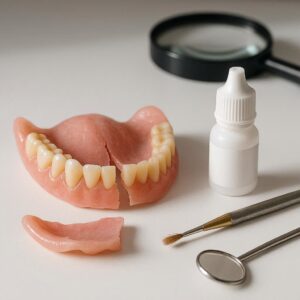
Finding your denture snapped cleanly in two is a heart-sinking moment. It’s more than an inconvenience; it’s a sudden halt to eating, speaking confidently, and your daily comfort. Your immediate question is urgent: how do you fix broken dentures in half?
The most critical answer is this: you do not fix them yourself with household glues. While the temptation to grab superglue is strong, the risks to your health and the denture are far too great. The only reliable, safe solution is professional repair by a dentist or dental technician.
This guide is your complete roadmap. We’ll walk through what to do in the first five minutes after the break, explore all your professional repair options in detail, and clearly explain why the DIY route is so dangerous. Our goal is to equip you with the knowledge to make the best decision for your health, your wallet, and your smile.
First Response: What to Do Immediately When Your Denture Breaks
Stop. Do not attempt to glue it. Your actions in the first few minutes can determine whether your denture can be repaired simply or if you’ll need a more complex—and costly—replacement.
-
Retrieve All Pieces: Carefully find every fragment of the denture, no matter how small. Place them in a clean container.
-
Clean Gently: Rinse the broken pieces under lukewarm (not hot) water to remove debris. Do not scrub or use abrasive cleaners.
-
Store Safely: Place all the pieces in a sealed container or a denture-soaking cup with water. This prevents warping and keeps them safe.
-
Call Your Dentist: Contact your dental practice immediately. Explain the situation: “My denture is broken in half, and I have all the pieces.” They will advise you on the next steps and schedule an emergency appointment.
-
Do Not Wear It: Attempting to wear a broken denture can cause soft tissue damage, sores, and further breakage.
“A denture broken in half is a dental emergency. Wearing it broken can cause changes to your bite and jaw alignment that are difficult and expensive to correct later.” – Common advice from prosthodontists.
Why Dentures Break in Half: Understanding the Cause
Knowing why it happened can help prevent future breaks and informs the repair strategy. A clean break down the middle typically points to one of several factors:
-
Material Fatigue: Acrylic resin, the primary material for denture bases, weakens over years of constant stress from chewing.
-
Poor Fit: As your jawbone naturally changes shape (a process called resorption), dentures become loose. This creates uneven pressure points, making a clean break more likely.
-
Accidental Damage: The most common cause. Dropping them onto a hard surface, even from a short height, can create a catastrophic fracture.
-
Underlying Flaw: A microscopic flaw or bubble in the acrylic from the original manufacturing process can become a failure point over time.
Your Professional Repair Options: A Detailed Look
Once you’re at the dental office, your dentist will assess the damage and present your options. Here’s what each entails:
1. Laboratory-Processed Repair (The Gold Standard)
This is the strongest, most durable, and most aesthetically pleasing repair for a denture broken in half.
-
The Process: Your dentist takes an impression of your mouth with the broken denture pieces carefully held together. The denture is then sent to a dental lab. There, a technician uses a special dental acrylic to bond the pieces from the inside, reinforcing the join. The repair is then polished to a seamless finish.
-
Pros: Extremely strong bond; nearly invisible repair; maintains the denture’s original shape and fit; longest-lasting solution.
-
Cons: Takes 24-72 hours; you will be without the denture during this time; more expensive than a temporary fix.
-
Ideal For: Any clean break where all pieces are present; for dentures that are otherwise in good condition.
2. Chairside (In-Office) Temporary Repair
Sometimes called a “cold cure” repair, this is done while you wait.
-
The Process: The dentist uses a quick-setting acrylic resin to glue the pieces together directly in the office.
-
Pros: Fast (often under an hour); you leave with your denture; less expensive than lab repair.
-
Cons: The bond is significantly weaker; the repair material is more porous and can stain; it is a temporary solution meant to last weeks or a few months until a proper lab repair or replacement can be scheduled.
-
Ideal For: A true emergency when you cannot be without the denture for even a day; as a temporary hold before a definitive solution.
3. Denture Replacement
A repair is not always the best financial or clinical decision.
-
When It’s Recommended:
-
If the denture is over 7-10 years old.
-
If it has been repaired multiple times before.
-
If the fit is already poor, causing looseness or sore spots.
-
If multiple teeth are also broken or missing.
-
-
The Process: Your dentist will discuss new denture options, which may be an opportunity to upgrade to a better-fitting or more modern material.
Professional Repair Options Comparison
| Feature | Laboratory Repair | Chairside (Temporary) Repair | Denture Replacement |
|---|---|---|---|
| Strength & Durability | Excellent. Closest to original strength. | Poor to Fair. Prone to re-breaking. | Brand New. |
| Turnaround Time | 2-5 days | 1-2 hours | Several weeks |
| Cost | Moderate ($100 – $300+) | Lower ($50 – $150) | High ($600 – $2,000+) |
| Aesthetic Result | Excellent. Nearly invisible. | Fair. Repair line may be visible. | Custom. |
| Best For | Long-term, reliable fix. | Emergency, short-term solution. | Old, ill-fitting, or repeatedly broken dentures. |
The Critical Danger of DIY Denture Repair Kits and Superglue
We cannot stress this enough. Store-bought “denture repair” kits and household adhesives like superglue (cyanoacrylate) are not safe for use in your mouth.
-
Toxic Chemicals: These glues are not formulated for internal use. They can leach harmful chemicals, causing allergic reactions, chemical burns to your gums, or systemic toxicity.
-
Permanent Damage to the Denture: Superglue creates a brittle, rigid bond that fails under chewing pressure. Worse, it contaminates the acrylic, making a proper professional repair impossible. A dentist will often have to refuse a repair and recommend a full replacement because the glue cannot be fully removed.
-
Poor Fit and Health Risks: Applying glue yourself will almost certainly alter the precise fit of the denture. This leads to pressure points, painful ulcers, and can accelerate bone loss in your jaw. An uneven fit also traps food and bacteria, increasing the risk of oral infections.
Important Note: If you have already attempted a DIY glue repair, you must inform your dentist before they attempt any professional repair. Hiding this information can compromise their work and your safety.
Preventing Future Breaks: A Care and Maintenance Checklist
After your denture is restored, protect your investment with proper care:
-
Handle with Care: Always clean your dentures over a soft towel or a basin half-filled with water to cushion a fall.
-
Clean Properly: Use a soft-bristled brush and non-abrasive denture cleaner. Avoid whitening toothpastes, which are abrasive.
-
Soak Overnight: Keep dentures moist in water or a mild denture-cleaning solution when not worn to prevent warping.
-
Schedule Regular Check-ups: See your dentist at least once a year. They can check the fit, look for early stress lines, and professionally clean your dentures.
-
Know When to Let Go: Dentures have a functional lifespan of 5-10 years. If they are constantly needing adjustment or repair, replacement is the wiser choice.
Conclusion
A denture broken in half is a disruptive problem, but it has a clear and safe solution. Your immediate priority is to secure the pieces and contact your dentist—avoiding the severe risks of DIY glues. A professional laboratory repair offers the strongest, most durable result, while a temporary in-office fix can bridge a short-term gap. Investing in a proper repair protects not just your denture, but your long-term oral health and comfort.
FAQ: Denture Broken in Half
Q: Can I use superglue to fix my denture temporarily?
A: Absolutely not. Superglue is toxic and can cause serious chemical burns in your mouth. It also ruins the denture acrylic, often making a professional repair impossible and necessitating a costly replacement.
Q: How long does a professional denture repair take?
A: A strong, lab-processed repair typically takes 2 to 5 business days. Some dental offices may offer a same-day, in-office temporary repair that takes about an hour, but this is not a permanent solution.
Q: How much does it cost to fix a denture broken in half?
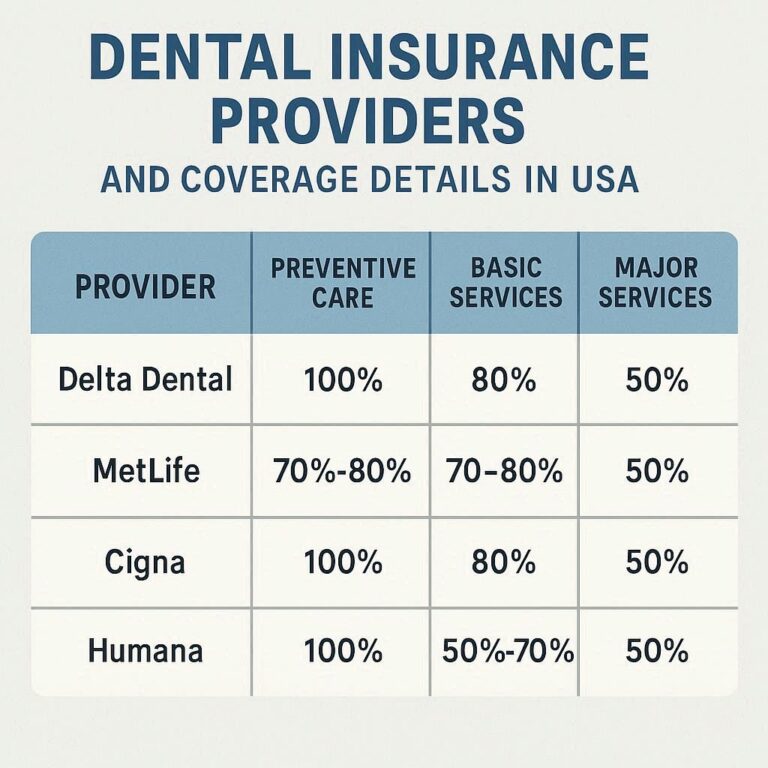
A: Costs vary by location and practice. Expect to pay between $100 and $300 for a high-quality laboratory repair. A temporary chairside repair may cost $50-$150. Dental insurance may cover part of the cost.
Q: Is a repaired denture as strong as a new one?
A: A professionally lab-repaired denture can be very strong and last for years, but it will never be quite as strong as a brand new, flawlessly manufactured one. The repair site remains a potential future weak point.
Q: What should I do if I can’t afford a repair right now?
A: Speak to your dentist openly. Many offer payment plans. A temporary in-office repair is a lower-cost option to restore function while you budget for a lab repair or replacement. Do not resort to unsafe DIY methods.