Orthodontic Insurance for Braces: Your Complete Guide to Coverage and Costs
Deciding to get braces is a big step. Whether it’s for you or your child, you are investing in more than just a smile—you are investing in long-term oral health and confidence. However, the path to a straighter smile often comes with a significant price tag. That is where orthodontic insurance for braces steps in to help.
But let’s be real for a moment: insurance can be confusing. There are deductibles, co-pays, maximums, and waiting periods. It is easy to feel overwhelmed before you even step foot in an orthodontist’s office. The good news? You don’t need to be an insurance expert to navigate this process.
This guide is designed to cut through the jargon. We will walk through how orthodontic insurance works, what to look for in a plan, how to compare costs, and practical tips to ensure you get the most out of your benefits. Consider this your friendly roadmap to making braces more affordable.

Understanding the Basics of Orthodontic Benefits
Before diving into the specifics of plans, it helps to understand how dental insurance treats orthodontics. It is often quite different from how it handles routine cleanings or fillings.
Medical vs. Dental vs. Orthodontic Insurance
This is a common point of confusion. You might assume your regular health insurance covers braces. Unfortunately, that is rarely the case.
-
Medical Insurance: This covers your overall health—things like doctor visits, surgeries, and emergency care. Unless you have a severe medical condition related to your jaw (like a major injury or a tumor), medical insurance will not pay for braces.
-
Standard Dental Insurance: This covers preventive care (cleanings, exams) and basic procedures (fillings, root canals). Some plans offer orthodontic coverage, but many do not. It is often an optional add-on or a feature of more comprehensive “major” plans.
-
Orthodontic Insurance: This isn’t usually a standalone product. Instead, it is a specific rider or benefit included in a comprehensive dental insurance plan. It is designed specifically to help cover the cost of teeth straightening.
Why Orthodontic Coverage is Different
You will notice that orthodontic benefits don’t work the same way as your coverage for a cavity filling. Here is why:
-
It’s a Long-Term Process: Braces take one to three years to complete. Insurance companies have to account for this long timeline.
-
It’s Elective (Mostly): While crooked teeth can lead to health issues, insurers often classify braces as an elective, cosmetic procedure. This means they share less of the cost compared to a medically necessary procedure like a root canal.
-
It Has a Lifetime Maximum: Unlike your annual dental maximum (which resets every year), orthodontic benefits usually have a lifetime maximum. This is a fixed amount the insurance company will pay toward orthodontic treatment in your entire lifetime.
Important Note: A lifetime maximum for orthodontics is separate from your annual maximum for general dental work. For example, you might have a $1,500 annual maximum for fillings and cleanings, plus a separate $1,500 lifetime maximum for braces.
How Orthodontic Insurance for Braces Typically Works
Let’s look at the mechanics of an orthodontic insurance plan. Understanding these numbers will help you compare plans and estimate your out-of-pocket costs.
The “Lifetime Maximum” Explained
This is the most important number for you. The lifetime maximum is the total amount your insurance company will ever pay for orthodontic treatment.
-
Typical Range: Lifetime maximums usually fall between $1,000 and $3,000.
-
Example: If your plan has a $1,500 lifetime orthodontic maximum and your braces cost $6,000, the insurance company pays $1,500, and you are responsible for the remaining $4,500.
Coinsurance: The 50/50 Split
Instead of a standard co-pay, orthodontic benefits usually use a coinsurance model. The most common split you will see is 50/50.
This means the insurance company pays 50% of the cost of treatment, up to the lifetime maximum.
-
Scenario A: Treatment costs $5,000. Your plan pays 50% ($2,500), but your lifetime maximum is only $1,500. The insurance company stops at $1,500, so you pay $3,500.
-
Scenario B: Treatment costs $3,000. Your plan pays 50% ($1,500), and your lifetime maximum is $1,500. The insurance covers the full $1,500, and you pay $1,500.
Deductibles and Waiting Periods
Before your insurance kicks in, you may need to meet a deductible or wait out a specific period.
-
Orthodontic Deductible: Some plans have a separate deductible for orthodontics. You must pay this amount out-of-pocket before the insurance starts paying its share. It is often around $50 to $100.
-
Waiting Periods: This is a tricky one. If you just bought a new insurance plan, it might have a waiting period for major services like braces. This could be 6 to 12 months from the start date of your policy. This is designed to prevent people from buying insurance only when they need expensive treatment.
Tip for Parents: If you are planning for your child’s future orthodontic needs, try to get a plan with orthodontic coverage before you think you’ll need it. This helps satisfy the waiting period early.
Decoding Dental Insurance Plans
Not all dental plans are created equal. If you are shopping for insurance on the marketplace or through an employer, you will likely encounter two main types: DHMO and DPPO plans.
DHMO (Dental Health Maintenance Organization) Plans
DHMO plans are generally more budget-friendly regarding monthly premiums, but they come with restrictions.
-
How they work: You choose a primary dentist from a network. This dentist manages all your care. If you need an orthodontist, you usually need a referral to a specialist within the network.
-
Pros:
-
Lower monthly premiums.
-
Little to no annual maximum.
-
Predictable co-pays for services.
-
-
Cons:
-
You must stay in-network.
-
Less flexibility in choosing your orthodontist.
-
If you go out-of-network, the plan pays nothing.
-
DPPO (Dental Preferred Provider Organization) Plans
DPPO plans are the most common type of dental insurance. They offer more flexibility.
-
How they work: You have a network of dentists and orthodontists who have agreed to a discounted rate. You can see providers outside the network, but you will pay more.
-
Pros:
-
Freedom to choose any orthodontist.
-
Insurance covers a portion of out-of-network costs (usually less than in-network).
-
Orthodontic benefits are more common in these plans.
-
-
Cons:
-
Higher monthly premiums.
-
Subject to annual and lifetime maximums.
-
You have to meet a deductible.
-
| Feature | DHMO Plan | DPPO Plan |
|---|---|---|
| Monthly Premium | Low | Medium to High |
| Provider Choice | In-network only | In or out-of-network |
| Orthodontic Coverage | Sometimes, with set co-pays | Common, usually 50% coinsurance |
| Best For | Families on a strict monthly budget | Those who want choice and better coverage for major work |
What to Look for in an Orthodontic Plan
When you are comparing plans, whether during open enrollment or through a private provider, keep an eye out for these specific features. They will save you the most money in the long run.
-
A Generous Lifetime Orthodontic Maximum: Look for a plan with at least a $1,500 lifetime max. A $2,500 or $3,000 maximum is even better and will cover a larger chunk of your total bill.
-
No Age Limits: Some plans only cover orthodontics for children under 18. If you are an adult seeking treatment, ensure the plan covers patients of all ages.
-
Low or No Waiting Period: If you need braces soon, a waiting period is a dealbreaker. Look for plans that offer “immediate” or “no waiting period” orthodontic benefits.
-
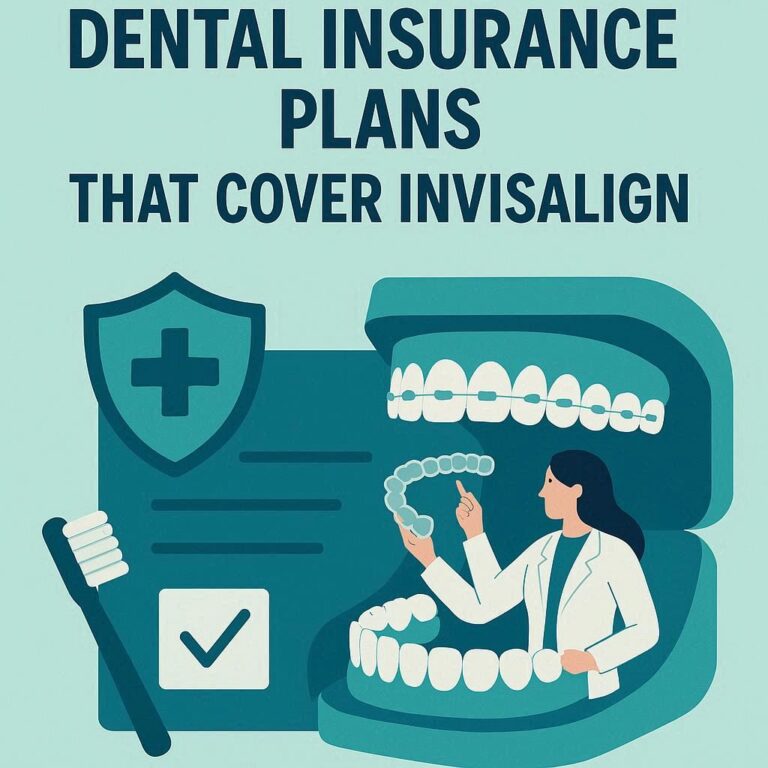
Comprehensive Coverage: Does the plan cover all types of braces? Some older plans might only cover traditional metal braces. Make sure it covers ceramic braces, Invisalign, or other clear aligners if those are options you are considering.
-
In-Network Providers You Trust: A great insurance plan is useless if your preferred orthodontist doesn’t accept it. Check the provider directory before you buy.
The Real Costs of Braces Without Insurance
To truly appreciate the value of orthodontic insurance, it helps to look at the raw numbers. The cost of braces varies widely depending on where you live, the complexity of your case, and the type of braces you choose.
Here is a general estimate of what you might pay without insurance:
-
Traditional Metal Braces: $3,000 – $7,500
-
Ceramic (Clear) Braces: $4,000 – $8,500
-
Lingual Braces (behind the teeth): $8,000 – $10,000+
-
Invisalign / Clear Aligners: $3,500 – $8,500
As you can see, the cost is substantial. If you have a plan with a $2,000 lifetime maximum, you are effectively saving $2,000 off that bill. For many families, that makes treatment possible.
“I always tell my patients to think of insurance as a discount, not a full payment method. It’s there to take the edge off the cost. If you have a $6,000 treatment and your insurance pays $1,500, that’s $1,500 you didn’t have before. That’s a huge help.” — A practicing orthodontist from a family dental clinic in Ohio.
How to Maximize Your Orthodontic Insurance Benefits
Okay, you have a plan or are about to get one. How do you make sure you squeeze every dollar of value out of it? Here are actionable strategies.
1. Time Your Treatment Right
If you have a flexible start date, timing can matter. Most orthodontic benefits are calculated based on your “start date.”
-
Use This Year’s and Next Year’s Benefits: This is a smart strategy if you have a flexible payment plan with your orthodontist. You can start treatment late in the year. Your insurance will pay its share (up to the lifetime max) for that calendar year. Then, in January, if your plan has a new annual period, you might be able to use a remaining portion of your lifetime max. Check with your insurance company and orthodontist to see if this is possible.
2. Use FSA or HSA Funds
If your employer offers a Flexible Spending Account (FSA) or a Health Savings Account (HSA) , use it! These accounts let you set aside pre-tax dollars for medical and dental expenses.
-
How it helps: You pay for your portion of the braces with pre-tax money. If you are in the 22% tax bracket, using an FSA or HSA essentially gives you a 22% discount on your out-of-pocket costs.
-
Important: Be aware of the “use it or lose it” rule for most FSAs. Plan your contributions accordingly.
3. Always Choose an In-Network Provider
This is the simplest way to save money. In-network orthodontists have negotiated rates with the insurance company. This means:
-
The overall fee for your treatment is capped at a lower, pre-negotiated rate.
-
Your coinsurance (e.g., 50%) is calculated on this lower rate, saving you money even before the insurance pays.
-
You won’t have to deal with balance billing, where an out-of-network provider charges you the difference between their fee and what the insurance company pays.
4. Understand Your Payment Plan
Most orthodontists are used to working with insurance and are very helpful. They will often file the claims for you. When you sign up for treatment, the office will create a financial agreement.
-
Upfront vs. Monthly: Some offices offer a discount if you pay the entire remaining balance upfront. Others offer interest-free monthly payments for the duration of your treatment.
-
Insurance Reimbursement: The orthodontist’s office will typically bill your insurance. The insurance company will send a check to either you or the orthodontist. Make sure you understand how this payment affects your monthly payment plan.
When Insurance Isn’t Enough: Alternatives to Cover the Gap
Even with good insurance, you will likely have a remaining balance. It’s just the reality of how orthodontic insurance works. But there are other ways to bridge the gap.
-
In-House Membership Plans: Some orthodontic offices offer their own discount plans for patients without insurance. You pay a yearly fee for reduced rates on services. This can be a good option if you don’t have orthodontic coverage at all.
-
Third-Party Financing (CareCredit): Companies like CareCredit offer healthcare credit cards. They often have promotional financing options, such as 6, 12, or 24 months with no interest if you pay the balance in full by the end of the term.
-
Discount Dental Plans: These are not insurance. You pay a monthly fee to access a network of dentists who agree to discount their services. You pay the discounted rate directly to the provider.
Common Exclusions and Fine Print
Before you sign up for a plan, read the summary of benefits carefully. Here are some things that might not be covered or that could limit your coverage.
-
Cosmetic Procedures: If your main goal is purely cosmetic and there is no functional need, the insurance company might deny the claim.
-
Retainers: Your insurance will likely pay for the active phase of treatment (braces). The cost of your initial set of retainers is usually included in the total treatment fee. However, if you lose or break your retainer a year later and need a replacement, that might not be covered.
-
Missed Appointments: Obviously, insurance won’t cover fees for appointments you miss or cancel without enough notice.
-
Previous Treatment: If you’ve already had braces and are looking for a second round of treatment, you may have already used up your lifetime maximum.
Additional Resource
For an unbiased look at how dental insurance plans are rated by consumers and experts, you can visit the National Association of Dental Plans at nadp.org. They provide educational resources and data that can help you make an informed decision.
Frequently Asked Questions (FAQ)
Does medical insurance ever cover braces?
Rarely. Medical insurance may cover orthodontic treatment if it is related to a congenital anomaly (like a cleft palate) or necessary reconstructive surgery after a severe accident. For standard teeth straightening, you need dental insurance with an orthodontic rider.
Can I get insurance after I already have braces?
Yes, you can, but the insurance company will likely not cover treatment that has already begun. This is considered a “pre-existing condition.” You must get the insurance before you start treatment for it to be valid.
Does orthodontic insurance cover Invisalign?
Many modern dental insurance plans do cover Invisalign and other clear aligners, often at the same rate as traditional braces. However, always check your plan’s details, as some older plans might only cover metal braces.
What happens to my coverage if I switch jobs?
If you switch jobs, you lose your employer-sponsored insurance. If you have already started orthodontic treatment, your new insurance may consider it a pre-existing condition and deny coverage. Some offices will work with you on a payment plan if this happens. COBRA might allow you to keep your old insurance temporarily, but it is often expensive.
Is it worth paying more for a plan that includes orthodontics?
It depends. If you or your child definitely need braces, then yes. Calculate the total cost of the premiums for the year plus the deductible. Compare that to the lifetime maximum you will receive. In many cases, the benefit outweighs the extra cost of the premium.
Conclusion
Orthodontic insurance for braces is a valuable tool, but it works differently than standard health insurance. It acts as a partner in your investment, typically covering a percentage of the cost up to a lifetime maximum. By understanding terms like coinsurance, lifetime maximums, and waiting periods, you can confidently choose a plan that fits your family’s needs. The goal is not to have insurance pay for everything, but to significantly reduce the financial burden, making a healthy, confident smile achievable for your budget. Pair your insurance with an in-network orthodontist and tax-advantaged savings accounts to maximize every dollar.