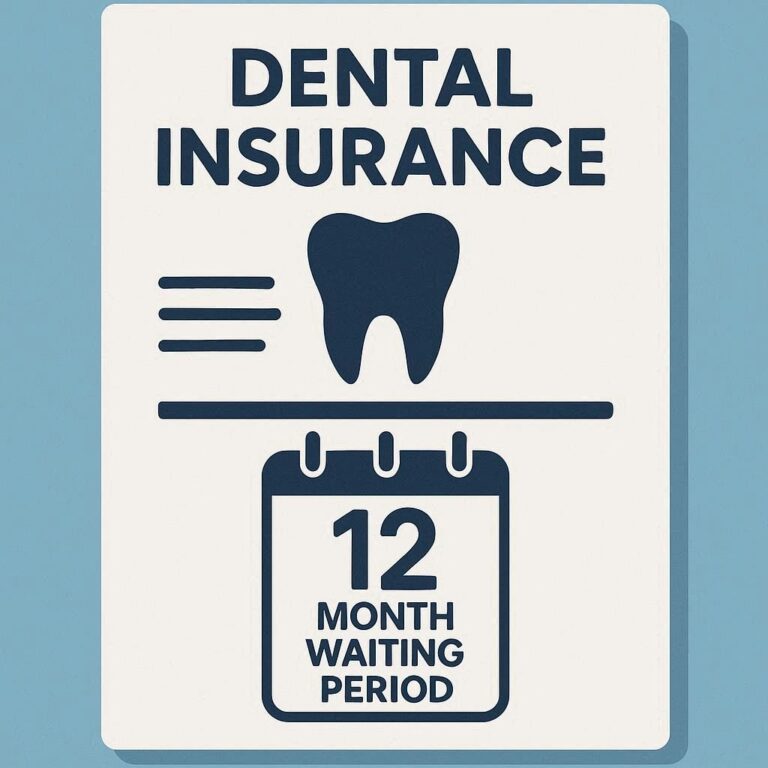
The Standard Dental Insurance: Benefits, Costs, and Expert Insights
In an era where healthcare costs dominate household budgets, the health of your smile often hinges on a single, critical factor: access to affordable dental care. A sharp, sudden toothache or the discovery of a cracked filling can trigger not just physical pain but also financial anxiety. How will you pay for treatment? Can you afford the dentist your family trusts? This is where Standard Dental Insurance emerges not as a luxury, but as a fundamental pillar of personal wellness and financial planning. Unlike the often-opaque world of medical insurance, dental plans operate on a more predictable model, designed primarily to encourage prevention and manage the costs of common procedures. But what exactly does “standard” coverage entail in 2025? Is it a wise investment for you and your family?
This comprehensive guide is designed to demystify the Standard Dental Insurance plan. We will delve beyond marketing brochures to explore its tangible benefits, decode its cost structure, and provide a clear-eyed analysis of its strengths and limitations. From the peace of mind that comes with covered cleanings to the complex calculus of implant coverage, we provide the insights you need to navigate your options confidently. Whether you’re selecting a plan through your employer, shopping on the individual marketplace, or simply seeking to maximize your existing benefits, consider this your essential roadmap to understanding and utilizing one of the most common—yet often misunderstood—tools in modern healthcare.

Benefits of the Standard Dental Insurance Plan
The value of a Standard Dental Insurance plan extends far beyond merely splitting the bill with your dentist. It is a structured approach to oral health that promotes prevention, provides financial predictability, and supports long-term wellness for individuals and families.
1. Affordable Preventive Care
The cornerstone of any standard plan is its emphasis on prevention. These plans are built on the irrefutable dental axiom: an ounce of prevention is worth a pound of cure. Consequently, preventive services like semiannual exams, professional cleanings (prophylaxis), and routine X-rays (like bitewings) are typically covered at 100%, meaning you pay $0 out-of-pocket when using an in-network provider. This removes the primary financial barrier to regular dental visits, allowing issues like small cavities, early gum disease (gingivitis), or oral cancer signs to be detected and addressed when treatment is simplest and least expensive. By making these visits essentially free, insurance transforms dental care from a reactive expense into a proactive health habit.
2. Cost Savings on Basic Services
When dental issues arise beyond prevention, the standard plan’s structure provides significant relief. “Basic” or “routine” services—which include fillings (amalgam or composite), simple extractions, root canals on premolars, and treatment for gum disease (periodontal scaling)—are usually covered at a high percentage, commonly 70-80%. For a $200 filling, this means your out-of-pocket cost could be as low as $40-$60, rather than the full fee. This tiered coverage model (100/80/50) is designed to make the most common restorative procedures financially manageable, preventing minor problems from escalating due to cost concerns into major, painful, and costly emergencies.
3. Access to a Wide Network of Dentists
Standard plans are almost always PPO (Preferred Provider Organization) or DHMO (Dental Health Maintenance Organization) models, with PPOs being the most common for “standard” coverage. Insurers contract with thousands of dentists nationwide to form a network. These in-network dentists agree to provide services at pre-negotiated, discounted rates. For you, this means two layers of savings: first, the discounted fee itself is often lower than a dentist’s standard retail rate, and second, your insurance pays its percentage of that lower rate. This creates a vast, vetted pool of dental professionals you can choose from, ensuring you can likely find a qualified provider near your home or workplace without sacrificing financial benefits.
4. Predictability and Peace of Mind
Financial uncertainty is a major source of stress. A Standard Dental Insurance plan replaces uncertainty with a clear framework. You know your monthly premium, your annual deductible (often a manageable $50-$100), your copay percentages, and your plan’s annual maximum (typically $1,000-$1,500). This allows for effective household budgeting. You can plan for known expenses like a deductible at the start of the year and anticipate your share of any planned procedures. This predictability shields you from the shock of an unexpected $1,000 dental bill, allowing you to focus on health decisions rather than financial panic.
5. Encouragement of Healthy Habits
The design of the plan itself is a powerful behavioral nudge. By front-loading benefits toward preventive care, it incentivizes patients to maintain regular check-ups. Many plans also include additional educational resources, such as guides on proper brushing and flossing techniques, nutritional advice for oral health, or even teledentistry consultations for minor concerns. This holistic approach fosters a partnership between patient, dentist, and insurer, all aligned toward the goal of maintaining natural teeth and preventing disease, which ultimately benefits everyone involved.
6. Family-Oriented Advantages
Standard plans are exceptionally family-friendly. They allow you to enroll spouses and dependent children (often up to age 26, mirroring medical insurance rules) under a single policy. Each covered member typically receives their own annual maximum, doubling or tripling the family’s total available benefits. Furthermore, preventive care for children, including fluoride treatments and sealants—highly effective in preventing cavities in molars—are almost always covered at 100%. This makes it economically feasible to establish a lifetime of good oral health habits for your children from their very first dental visit.
7. Reduced Long-Term Healthcare Costs
Oral health is inextricably linked to systemic health. Chronic gum disease (periodontitis) is associated with increased risks of cardiovascular disease, diabetes complications, respiratory infections, and adverse pregnancy outcomes. By facilitating regular care that prevents and manages gum disease, dental insurance contributes to overall health maintenance. Catching oral cancer early during a routine exam can be life-saving. Effectively, a standard dental plan acts as a cost-effective component of your broader healthcare strategy, potentially reducing future medical expenses.
8. Employer-Sponsored Convenience
For the majority of Americans with dental coverage, it is obtained through an employer. This offers immense convenience: pre-tax premium contributions (which lower your taxable income), simplified group enrollment often without medical underwriting, and frequently a substantial employer subsidy that covers 50-100% of the premium cost. The employer handles the administrative burden of selecting plan options and managing the relationship with the insurer, presenting you with a curated, often more affordable choice during your annual benefits enrollment period.
9. Building Confidence Through Oral Health
The benefits are not merely physical or financial. A healthy, well-maintained smile impacts self-esteem, social interactions, and professional opportunities. Knowing that your dental care is manageable and that you can address issues promptly fosters confidence. It allows you to smile, speak, and eat without pain or self-consciousness, contributing significantly to your overall quality of life and psychological well-being.
Coverage Options: Preventive, Basic, and Major Services
Understanding the three-tiered coverage structure is crucial to leveraging your Standard Dental Insurance effectively. This “100-80-50” model is the industry norm and dictates how costs are shared between you and the insurer.
1. Preventive Services: The Foundation of Oral Health
Coverage: Typically 100% (no out-of-pocket cost when in-network).
This tier is the first and most important line of defense. It includes:
-
Oral Examinations: Bi-annual check-ups.
-
Professional Cleanings: Usually two per calendar year.
-
Diagnostic X-rays: Bitewing X-rays (once a year) and full-mouth series or panoramic X-rays (every 3-5 years).
-
Fluoride Treatments: Especially for children under a certain age.
-
Sealants: For the chewing surfaces of children’s and sometimes teenagers’ permanent molars.
The goal is to identify problems at their earliest, most treatable stage. Utilizing these 100% covered benefits is non-negotiable for maximizing your plan’s value.
2. Basic Services: Addressing Common Dental Issues
Coverage: Typically 70-80%.
When prevention isn’t enough, this tier covers the most common restorative needs:
-
Fillings: To treat cavities (composite or amalgam).
-
Simple Extractions: Removal of non-impacted teeth.
-
Non-Surgical Periodontal Treatment: Deep cleanings (scaling and root planing) for gum disease.
-
Emergency Care: For pain relief (e.g., palliative treatment for toothache).
-
Some Basic Oral Surgery: Like minor surgical extractions.
This tier requires you to pay a share (coinsurance) of the negotiated fee, plus your annual deductible if it hasn’t been met.
3. Major Services: Advanced and Complex Care
Coverage: Typically 50%.
These are the most expensive procedures, and thus the cost-sharing burden is higher:
-
Crowns (Caps), Inlays, Onlays
-
Dentures and Bridges
-
Root Canals on Molars (often considered major)
-
Surgical Extractions (e.g., impacted wisdom teeth)
-
Implants (if covered—often with significant limitations, see dedicated section)
-
Periodontal Surgery
A significant waiting period (6-12 months) is common before coverage for major services begins.
4. Balance Between Cost and Coverage
The standard plan is engineered as a balanced risk pool. The relatively low premiums are sustained by the higher patient cost-sharing on major services and the presence of annual maximums. This keeps the plan accessible for the majority who need routine and basic care, while still providing a safety net for more complex procedures.
5. The Role of Annual Maximums
The annual maximum is the total dollar amount the insurer will pay for covered services in a benefit year (usually a calendar year). Once you exceed this maximum, you are responsible for 100% of further costs. Rollover of unused maximums is extremely rare. This cap is a key cost-control feature for insurers and a critical number for you to know when planning treatment, especially if you need multiple procedures.
6. Who Benefits Most from This Coverage?
-
Individuals and Families with Consistent Preventive Needs: Those who reliably get check-ups and cleanings.
-
People Anticipating Basic Work: Anyone who knows they need a few fillings or a simple extraction.
-
Budget-Conscious Consumers: Those who value predictable, manageable monthly costs over comprehensive, high-premium coverage.
-
Employer-Sponsored Groups: Where the employer subsidy makes the net cost very attractive.
Average Costs of the Standard Dental Insurance in 2025
Navigating the financial landscape of dental insurance requires understanding several interconnected terms. Here’s a breakdown of what you can expect to pay in 2025.
1. Monthly Premiums
This is the fixed amount you (or your employer) pay each month to maintain coverage.
-
Employer-Sponsored (Employee Share): $15 – $40 per month for individual coverage. Employers often pay 50-100% of the premium.
-
Individual Market: $30 – $60+ per month for a comparable PPO plan. Costs are higher due to lack of group rates and employer subsidies.
-
Family Coverage: Typically 2-3 times the individual rate.
2. Annual Deductibles
The amount you must pay out-of-pocket for covered services before the insurance starts paying its share. Preventive care is often exempt from the deductible.
-
Range: $50 – $100 per individual is standard. Family plans often have a cap (e.g., two or three deductibles per family).
3. Copayments and Coinsurance
-
Copayment (Copay): A fixed fee (e.g., $20 for an office visit). Less common in dental than medical insurance.
-
Coinsurance: The percentage you pay for a service after the deductible is met. The standard model is 0% preventive, 20% basic, 50% major.
4. Annual Maximums
The insurer’s yearly spending limit on your care.
-
Standard Range: $1,000 – $1,500 is the most common. Some plans may offer $2,000 or higher, often for a higher premium.
5. Regional Price Variations
Costs are higher in regions with a higher cost of living (e.g., Northeast, West Coast) and in areas with less competition among dental providers.
6. Employer vs. Individual Plans
The employer-sponsored market is almost always less expensive for the employee due to group purchasing power and contributions. Individual plans carry the full financial load.
7. Comparing Costs With No Insurance
Without insurance, you pay the dentist’s full retail fee. A single crown can cost $1,000-$1,500. Two preventive visits and cleanings can cost $250-$400 per year. Insurance, even with premiums and copays, often results in net savings for those who use it.
8. The Role of Discounts and Add-Ons
Some insurers offer wellness incentives (e.g., a $20 gift card for getting a cleaning) or bundled discounts with vision/hearing plans. “Add-ons” for enhanced orthodontic or implant coverage are increasingly common for an extra monthly fee.
Sample Cost Breakdown for Common Procedures (In-Network)
| Procedure | Typical Retail Fee | Standard Plan Coverage (80% Basic, 50% Major) | Your Estimated Cost (After Deductible) |
|---|---|---|---|
| Preventive Exam & Cleaning | $150 | 100% | $0 |
| Composite Filling (1 surface) | $200 | 80% | $40 |
| Root Canal (Molar) | $1,200 | 50% | $600 |
| Porcelain Crown | $1,400 | 50% | $700 |
| Simple Extraction | $250 | 80% | $50 |
How to Enroll in the Standard Dental Insurance Easily
1. Decide Where to Get Coverage
Your primary avenues are: Employer/Group Plan (most cost-effective), Health Insurance Marketplace (Healthcare.gov or state exchanges, often during Open Enrollment), or Direct from an Insurer/Broker (anytime, but may involve underwriting).
2. Gather Essential Information
Have personal details (SSNs, dates of birth) for all enrollees and payment information ready.
3. Compare Plans Carefully
Look beyond the premium. Scrutinize the deductible, annual maximum, coinsurance rates, waiting periods, and the provider network. Use the insurer’s online “find a dentist” tool.
4. Enroll During the Appropriate Period
-
Employer: Annual Open Enrollment (usually in the Fall).
-
Marketplace: Annual Open Enrollment (Nov 1 – Jan 15 typically). Qualifying Life Events (marriage, birth, loss of other coverage) trigger a Special Enrollment Period.
-
Individual Market: You can apply anytime, but approval is not guaranteed.
5. Choose Your Dentist Network
Verify your preferred dentist is in-network for the specific plan you are choosing. “PPO” networks offer out-of-network benefits (at a lower reimbursement rate); “DHMO” networks require you to stay in-network.
6. Complete Your Application Online or Offline
Online is fastest. Be accurate. For individual plans, you may answer health history questions.
7. Review Your Policy Documents
Once enrolled, you will receive a Summary of Benefits and Coverage (SBC) and the full policy. Read them. Understand your benefits, exclusions, and the claims process.
8. Start Using Your Benefits Immediately
Schedule a preventive visit. For basic/major work, be aware of any waiting periods.
9. Seek Assistance if Needed
Contact your employer’s HR/Benefits department, the insurance carrier’s member services, or a licensed insurance broker for help.
Comparing the Standard Dental Insurance with Other Providers
-
vs. Premium Dental Insurance: Higher premiums ($50-$100+/month) but much higher annual maximums ($2,000-$5,000+), lower coinsurance on major work, and better implant/orthodontic coverage. Worth it for those anticipating significant dental needs.
-
vs. Employer-Sponsored vs. Individual Plans: Employer plans win on cost and convenience. Individual plans offer portability but at a higher price and potentially stricter underwriting.
-
vs. Government-Supported Plans (Medicaid/CHIP): For eligible low-income individuals/children. Coverage and provider participation vary wildly by state. Standard insurance is for those who do not qualify for public aid.
-
vs. Discount Dental Plans: Not insurance. You pay an annual fee ($80-$200) for access to discounted fees at participating dentists. No annual maximums or claims, but discounts are less substantial than insurance savings on larger procedures. Can be a supplement or an option for those with no major immediate needs.
Does the Standard Dental Insurance Cover Implants and Braces?
This is the most common area of confusion and disappointment.
1. Dental Implants Coverage
Standard plans often do NOT cover implants, or if they do, they cover only a portion of the crown placed on the implant or the abutment, treating it like a crown (50% coverage). The surgical placement of the implant post is frequently excluded as “experimental” or “cosmetic,” or covered under a separate, much lower benefit (e.g., 20%). Pre-authorization is absolutely mandatory.
2. Orthodontic Braces Coverage
Coverage for medically necessary orthodontia (for children, sometimes for adults) is a common add-on rider or optional benefit for an extra premium. If included in a standard plan, it often has a separate, lifetime maximum (e.g., $1,500) and a separate waiting period. Cosmetic/elective adult orthodontics is rarely covered.
Tips for Maximizing Your Standard Dental Insurance Benefits
-
Schedule Preventive Visits Religiously: Use your 100% coverage. This is the core value.
-
Understand Your Annual Maximum: Plan expensive procedures around it. If you need a $1,500 crown and have a $1,000 max, consider timing it at the end of one year and the start of the next to leverage two years’ maximums.
-
Stay In-Network: The discounts are substantial.
-
Use FSAs or HSAs: Pay your deductibles, copays, and non-covered services with pre-tax dollars.
-
Plan Ahead for Major Services: Know waiting periods and get pre-treatment estimates.
-
Don’t Let Benefits Lapse: “Use it or lose it” applies to your annual maximum and preventive visits.
Common Limitations and Exclusions to Be Aware Of
-
Waiting Periods: 0-6 months for basic, 6-12 months for major services. Employer groups often waive these.
-
Annual Maximums: Your yearly spending cap.
-
Cosmetic Exclusions: Teeth whitening, veneers for appearance only.
-
Replacement Clause: Limits how often you can replace a crown, bridge, or denture (e.g., every 5-8 years).
-
Missing Tooth Clause: May not cover replacements for teeth lost before the policy started.
Expert Insights: Is the Standard Dental Insurance Worth It?
The Consensus: For the vast majority of people—especially those with employer subsidies—yes, it is worth it. The financial model works if you use the preventive benefits. It transforms unpredictable, lump-sum dental expenses into predictable, budgetable costs. It is a tool for maintaining health and avoiding catastrophic expense. However, for individuals with no employer subsidy and exceptional oral health who only see the dentist rarely, the math may not favor insurance over simply self-funding preventive care and seeking a discount plan for emergencies.
Conclusion
Standard Dental Insurance in 2025 remains a fundamentally sound tool for managing both oral health and household finances. Its strength lies in promoting preventive care, providing predictable cost-sharing for common procedures, and offering access to broad provider networks. While limitations like annual maximums and partial coverage for major work exist, understanding these allows for strategic planning. For most individuals and families, particularly through employer-sponsored channels, the peace of mind and financial protection it offers make it a valuable component of a comprehensive healthcare strategy.
Frequently Asked Questions (FAQs)
Q1: Can I use my dental insurance immediately?
A: For preventive care, usually yes. For basic (fillings) and major (crowns) services, waiting periods of 3-12 months are common on individually purchased plans. Employer group plans often waive waiting periods.
Q2: What happens if I go to a dentist who is not in my network?
A: In a PPO plan, you can still see an out-of-network dentist. However, you will be responsible for the difference between the dentist’s full fee and what your insurance pays based on its “allowed amount” for that service, which can lead to significantly higher out-of-pocket costs.
Q3: Does dental insurance cover teeth whitening?
A: Almost never. Teeth whitening for cosmetic purposes is a standard exclusion in virtually all dental insurance policies.
Q4: I need a lot of dental work. What should I do if I exceed my annual maximum?
A: Work with your dentist to create a phased treatment plan. Schedule procedures across two benefit years to utilize two annual maximums. Ask about in-office payment plans or consider care credit options.
Q5: Are there alternatives if I can’t afford standard dental insurance?
A: Yes. Consider: 1) Dental Discount Plans, 2) Community Health Centers/Federally Qualified Health Centers (FQHCs) which offer sliding-scale fees, 3) Dental School Clinics for low-cost care by supervised students, and 4) Charity care events like Mission of Mercy.
Choose from the links below to find a Free Dental Clinics in New Jersey:
Additional Resources
-
National Association of Dental Plans (NADP): www.nadp.org – Consumer resources and plan explanations.
-
American Dental Association (ADA): www.ada.org – Oral health information and finding a dentist.
-
Healthcare.gov: www.healthcare.gov/coverage/dental-coverage/ – Official marketplace information.
Date: December 19, 2025
Author: The Editorial Team at Oral Health Insights
Disclaimer: This article is for informational purposes only and does not constitute financial, medical, or insurance advice. Please consult with licensed professionals for advice specific to your situation. Policy details, costs, and coverage are subject to change by insurers.