The Truth About Braces and Cavities
Getting braces is a significant commitment to your oral health and confidence. It’s an exciting step toward a straighter, more beautiful smile. But if you’ve just been told you have a cavity at your consultation, you might be wondering: can you get braces with cavities? It’s a common and crucial question that stops many people in their tracks.
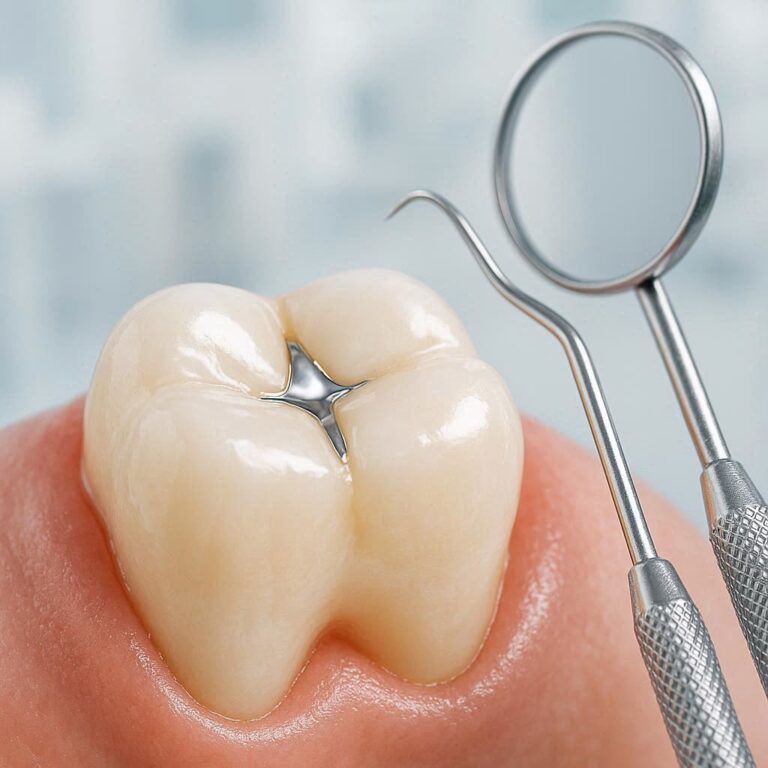
The short answer is yes, you typically can get braces if you have cavities, but not before they are treated. This is a non-negotiable rule for any responsible orthodontist. Placing braces on teeth with active decay is like building a house on a crumbling foundation—it invites serious problems.
In this comprehensive guide, we’ll walk through everything you need to know about the relationship between cavities and orthodontic treatment. We’ll cover why treating cavities first is essential, what the process looks like, and how to maintain impeccable oral health throughout your braces journey.
Why Your Orthodontist Insists on Cavity Treatment First
Think of your orthodontic treatment as a long-term project for your smile. Just as a contractor wouldn’t install new cabinets on a wall with termite damage, an orthodontist won’t attach brackets to teeth compromised by decay. Here are the compelling reasons why.
The Risk of Accelerated Decay
Braces create countless new nooks and crannies around brackets, wires, and bands. These areas are prime real estate for plaque—the sticky film of bacteria that causes cavities. If you start with an existing cavity, you’re beginning the race already behind.
-
Plaque Trap: The cavity itself is a damaged area that’s even harder to clean. Adding braces around it makes proper cleaning nearly impossible, allowing the decay to spread rapidly.
-
Hidden Progression: A small cavity can grow unseen beneath a bracket or band, potentially leading to severe damage by the time it’s noticed.
The Integrity of the Attachment
For braces to work, brackets must be securely bonded to the enamel surface. A cavity weakens the tooth structure.
-
Bonding Failure: The dental adhesive used to attach brackets does not bond effectively to decayed enamel. This increases the chance of brackets popping off, leading to longer treatment times and extra appointments.
-
Tooth Damage: As decay spreads under a bracket, it can undermine the tooth’s structure, potentially leading to fractures or the need for more extensive procedures like a root canal or crown.
Pain and Discomfort Management
An untreated cavity can cause sensitivity and pain. Adding the initial pressure and adjustment discomfort of braces on top of an existing toothache can be unbearable. Treating the cavity first ensures you’re comfortable as you begin your orthodontic journey.
Dr. Sarah Jensen, Orthodontist: “Our primary oath is to ‘do no harm.’ Placing braces on teeth with active cavities is a direct violation of that principle. We are in the business of improving oral health, not complicating it. A cavity-free mouth is the only safe starting point for orthodontics.”
The Step-by-Step Process: From Cavity to Braces
If you have cavities and want braces, don’t be discouraged. This is a standard part of the process for many patients. Here’s what you can expect.
1. The Comprehensive Consultation
Your journey begins with a detailed exam by your orthodontist. This includes X-rays and a clinical examination to identify not just alignment issues, but also any existing cavities, gum disease, or other dental problems.
2. The Teamwork Approach: Orthodontist and General Dentist
Your orthodontist will communicate with your general dentist. You’ll receive a clear treatment plan that states: “All cavities must be treated and any other urgent dental work completed before braces can be placed.”
3. Pre-Braces Dental Appointment
You’ll visit your dentist to have all cavities filled. This may take one or more appointments, depending on the number and severity of the cavities. Your dentist will also likely give you a thorough cleaning.
4. The All-Clear for Braces
Once your dentist confirms your mouth is healthy and cavity-free, you’ll schedule your braces installation appointment with your orthodontist.
Timeline Comparison: With vs. Without Cavities
The following table outlines how the presence of cavities affects your path to getting braces.
| Step in the Process | Scenario A: No Cavities | Scenario B: With Cavities |
|---|---|---|
| Initial Ortho Consultation | Exam & records taken. Treatment plan created. | Exam & records taken. Cavities identified. Plan created with prerequisite noted. |
| Pre-Braces Dental Work | Possibly a cleaning. | Mandatory: All cavities filled, cleaning performed, and gum health confirmed. |
| Clearance for Braces | Immediate scheduling. | Must wait for dentist’s “all clear” note or confirmation. |
| Estimated Time to Braces | 1-3 weeks for records and scheduling. | 3-8 weeks (adds time for dental appointments and healing). |
| Primary Focus at Start | Adjusting to braces. | Starting with a healthy, stable foundation. |
Your Ultimate Oral Hygiene Guide During Orthodontic Treatment
Once your cavities are treated and your braces are on, your commitment to cleanliness becomes more critical than ever. Here’s your essential toolkit and routine.
The Non-Negotiable Daily Routine
-
Specialized Tools are Key: Ditch your old toothbrush. You’ll need:
-
An orthodontic toothbrush (with a V-shaped groove) or a soft-bristled electric toothbrush.
-
Interdental brushes (proxy brushes) to clean under wires and around brackets.
-
Water flosser (like Waterpik) to blast away debris from hard-to-reach areas.
-
Orthodontic flossers (like Superfloss or Platypus flossers) to thread under the wire.
-
-
The Cleaning Ritual (After Every Meal):
-
Rinse: Swish with water to dislodge large food particles.
-
Inspect: Use a mirror to check for stuck food around brackets.
-
Brush: Spend at least 2-3 minutes, angling the brush to clean above, below, and on top of each bracket. Brush your gums and tongue gently.
-
Interdental Clean: Use your proxy brushes around each bracket.
-
Floss: Use your orthodontic flosser or water flosser to clean between every tooth.
-
-
Dietary Choices Matter: Limit sugary and acidic foods and drinks. Sticky, chewy, and hard foods (caramel, nuts, hard candy, popcorn) can damage braces and trap sugar. If you do indulge, brush immediately afterward.
Important Note for Readers:
A common misconception is that braces cause cavities. They do not. Cavities are caused by plaque bacteria that feed on sugar. Braces simply make it harder to remove that plaque. The responsibility for preventing decay lies 100% with your hygiene habits during treatment.
What If a Cavity Develops While You Have Braces?
Even with the best care, sometimes a cavity can start. Don’t panic. The protocol is straightforward.
-
Immediate Action: Contact your orthodontist and dentist as soon as you notice a problem (white spots, sensitivity, or a visible pit).
-
The Repair Process: Your dentist can almost always fill a cavity without removing your braces. They will work around the wires and brackets. In rare cases where the cavity is directly under a bracket, your orthodontist may need to remove that specific bracket so the dentist can access the decay, then re-bond it afterward.
-
A Wake-Up Call: A new cavity is a sign that your cleaning routine needs to be reviewed and intensified. Ask your orthodontic assistant for a brushing demonstration at your next adjustment.
FAQ: Your Top Questions Answered
Q: Will my orthodontist check for cavities at every appointment?
A: Yes and no. Your orthodontist will visually monitor your enamel health, looking for early signs like white spot lesions (decalcification). However, they are not a substitute for your general dentist. You must continue with regular dental checkups and cleanings every six months, or more often as recommended, while you have braces.
Q: Can I get Invisalign if I have cavities?
A: The same rule applies. All cavities must be filled before you receive your first set of Invisalign aligners. Aligners trap saliva and can create an environment that may accelerate decay if cavities are present.
Q: How much does it delay getting braces?
A: Typically, treating a few simple cavities only delays the process by a few weeks—the time it takes to get a dental appointment and for the fillings to settle. It’s a minor delay that prevents major complications.
Q: What are white spots, and are they cavities?
A: White spot lesions are the earliest stage of decay, where minerals have leached from the enamel. They are a pre-cavity warning sign. If caught early and hygiene improves, they can sometimes be remineralized with fluoride. If ignored, they will progress into a full cavity.
Q: Is the process different for children or teens?
A: The principle is identical. For younger patients, it underscores the importance of parental supervision and assistance with brushing and flossing while in braces.
Additional Resources for Your Journey
-
The American Association of Orthodontists (AAO): Visit www.aaoinfo.org for patient-friendly information, tips, and tools to find a certified orthodontist near you.
-
Ask Your Team: Your orthodontist’s office is your best resource. They often have videos, pamphlets, and sample kits to help you master braces care.
-
Educational Apps: Consider apps with brushing timers or reminders specifically designed for orthodontic patients to build consistent habits.
Conclusion
You can absolutely move forward with braces if you have cavities, but treatment must come first. This essential step ensures a strong, healthy foundation for your orthodontic journey. By partnering with your dentist and orthodontist and committing to meticulous oral hygiene, you’ll protect your teeth while they’re being straightened, ensuring the final result is not only straight but also vibrantly healthy.