Dental Code D3352: The Complete Guide to Pulp Capping Procedures
Navigating the world of dental insurance codes can often feel like learning a new language. If you’ve recently been told you have a cavity that is close to the nerve of your tooth, or if you’ve glanced at a treatment plan and saw the code “D3352,” you are likely looking for clear, reliable answers.
You’ve come to the right place.
Welcome to your comprehensive guide on Dental Code D3352. Whether you are a patient trying to understand your upcoming procedure, a student in the dental field, or simply someone who wants to be better informed about their oral health, this article is designed to walk you through everything you need to know.
We will break down the clinical jargon, explain what the procedure actually entails, discuss costs and insurance coverage, and set realistic expectations for recovery. Our goal is to make you feel confident and informed, transforming a confusing code into a clear picture of your dental health journey.
Let’s dive in and uncover the reality behind Dental Code D3352.

What is Dental Code D3352? Defining the “Pulp Cap”
At its most basic level, Dental Code D3352 is the specific alphanumeric identifier used by dentists and insurance companies to describe a procedure known as “Pulp Capping.”
But what does that actually mean? To understand the code, you first need to understand the “pulp.”
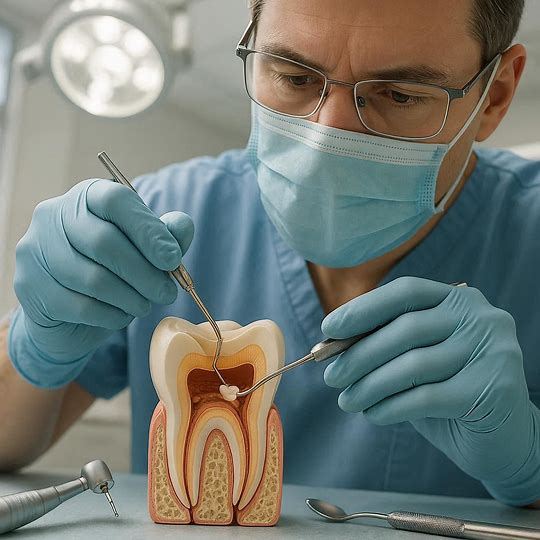
Imagine your tooth is like a house. The hard, outer shell (enamel and dentin) is the walls and roof, protecting the most important room inside. That “room” is the dental pulp. The pulp is a living tissue located in the center of your tooth. It contains the tooth’s nerve, blood vessels, and connective tissue. It’s essentially the lifeline of the tooth, providing it with nutrients and sensation.
When a cavity is deep, or a tooth is injured, this inner “room” (the pulp) becomes threatened. If bacteria or debris reaches the pulp, it can cause inflammation, pain, and eventually, infection. If the infection becomes severe, the pulp can die, leading to the need for a root canal or even an extraction.
This is where the pulp capping procedure, coded as D3352, comes in.
D3352: Direct Pulp Cap (excluding final restoration)
The official description for this code, as recognized by the American Dental Association (ADA), is: “Procedure in which a medicament is placed directly on a mechanically or traumatically exposed pulp, followed by a restoration (not included in this code).”
Let’s simplify that:
-
“Mechanically or traumatically exposed pulp”: This means that during the process of drilling out a deep cavity (mechanical) or due to an injury like a crack or chip (traumatic), a tiny, pinpoint hole has been made in the roof of the pulp “room.” The dentist can see this small exposure.
-
“Medicament is placed directly on the… exposed pulp”: The dentist applies a special, biocompatible material directly over that tiny hole. This material is designed to soothe the nerve and stimulate the tooth’s natural ability to heal by forming a protective layer of new dentin.
-
“Followed by a restoration (not included in this code)”: After the medicament is placed, the tooth is sealed with a filling. It is crucial to note that the D3352 code covers only the pulp capping procedure itself. The filling, crown, or other restoration used to rebuild the tooth afterwards is billed under a separate code (e.g., D2391 for a filling).
In short, Dental Code D3352 represents a procedure performed to save a tooth with a small, fresh exposure of the nerve, preventing the need for more invasive and expensive treatment like a root canal. It is a proactive, tooth-preserving therapy.
D3352 vs. D3110: Direct vs. Indirect Pulp Cap
You might also encounter another code: D3110, which is for an “Indirect Pulp Cap.” While they sound similar, they are distinct procedures used in different situations. Understanding the difference is key.
| Feature | D3352: Direct Pulp Cap | D3110: Indirect Pulp Cap |
|---|---|---|
| The Situation | A cavity or injury is so deep that it creates a visible, pinpoint exposure of the pulp. The nerve is visibly exposed. | A cavity is very deep and close to the pulp, but has not actually broken through to expose it. A thin layer of decayed dentin is left in place to protect the pulp. |
| The Goal | To seal a small exposure and encourage the pulp to heal and form a protective dentin bridge. | To stimulate the pulp to heal and retreat (form secondary dentin) away from the cavity, without ever exposing it. |
| The Procedure | The exposed pulp is treated directly with a medicament. | A soothing liner is placed over the thin layer of remaining decayed dentin, never directly touching the pulp. |
| Invasiveness | More invasive, as the pulp is touched. | Less invasive, as the pulp is protected by a dentin layer. |
| Prognosis | Good, but success depends heavily on a sterile field and small exposure size. | Very high success rate, as the pulp has not been breached. |
Think of it this way: An indirect pulp cap is like reinforcing a door because you hear noise outside (potential threat). A direct pulp cap is like patching a small hole that a burglar just started to make in that door (actual, but small, breach).
Why Would You Need a D3352 Procedure?
A dentist will recommend a direct pulp cap (D3352) in very specific circumstances. It is not a common, everyday procedure like a standard filling. It is a specialized treatment reserved for situations where the health of the tooth’s nerve is at immediate risk, but still potentially salvageable.
Here are the primary reasons a D3352 might be on your treatment plan:
1. Deep Dental Caries (Cavities)
This is the most common reason. Imagine you have a cavity that has been growing for a while. On an X-ray, the dentist can see how close the decay is to the pulp chamber. When they begin to drill, they remove the soft, decayed dentin. As they get closer and closer to the pulp, the layer of healthy dentin becomes paper-thin. In some cases, even with the utmost care, the final piece of decayed tissue comes away, revealing a tiny pink or red spot—the pulp. This is a “mechanical exposure” caused by cavity removal. The dentist must then act quickly to protect that exposed nerve, and D3352 is the precise procedure to do so.
2. Traumatic Injury
Life happens. A fall, a sports injury, or even biting down on something unexpectedly hard (like an olive pit) can chip or crack a tooth. If the fracture line extends deep enough, it can create a direct communication to the pulp. This is a “traumatic exposure.” If the injury is recent and the tooth is otherwise healthy, a direct pulp cap can be a fantastic way to seal that exposure and prevent bacteria from traveling down the crack and infecting the nerve.
3. During Other Dental Procedures
Sometimes, an exposure can happen during the preparation of a tooth for a crown or other restoration, even when there is no decay. A dentist might be removing old filling material or shaping a tooth and inadvertently get too close to the pulp, causing a small exposure. In this case, performing a D3352 on the spot can save the tooth from future complications.
Important Note: A direct pulp cap is typically only recommended for teeth where the pulp is healthy or only mildly inflamed. If the tooth has been symptomatic for a long time (e.g., spontaneous pain, pain that wakes you up at night, prolonged sensitivity to hot or cold), the pulp is likely already irreversibly damaged. In these cases, a root canal (endodontic therapy) is the only option to save the tooth.
The Procedure: Step-by-Step Walkthrough of a Direct Pulp Cap
Knowing what to expect can alleviate a lot of dental anxiety. Here is a realistic, step-by-step breakdown of what happens during a D3352 procedure.
Before We Begin: The Assessment
Your dentist won’t just jump into a pulp cap. They will first perform a thorough exam, which includes reviewing your X-rays, testing the tooth’s response to cold and air, and checking for any pain upon tapping (percussion). This is to ensure the tooth is a good candidate for the procedure.
Step 1: Anesthesia and Isolation
Just like with a standard filling, the area will be numbed with a local anesthetic to ensure you are completely comfortable throughout the procedure.
Once you are numb, the dentist will place a rubber dam. This is a thin sheet of latex or non-latex material that isolates the specific tooth being worked on.
-
Why a rubber dam is critical: It creates a sterile, dry field. Saliva contains millions of bacteria. For a direct pulp cap to be successful, the exposed pulp must be protected from any bacterial contamination. The rubber dam keeps the tooth perfectly clean and dry.
Step 2: Removal of Decay and Exposure
Using a high-speed handpiece (dental drill) and sometimes other instruments, the dentist meticulously removes all the decayed tooth structure. They work carefully, especially as they get deeper, to avoid unnecessary trauma. This is the moment when the pinpoint exposure of the pulp occurs. You won’t feel any pain due to the anesthetic.
Step 3: Hemostasis (Controlling the Bleed)
When the pulp is exposed, it will typically bleed slightly, indicating it is vital (alive). A small, pinpoint spot of blood is normal. The dentist will gently irrigate the area with a sterile solution, often saline or sodium hypochlorite, to clean the exposure. Then, they will apply a small, sterile cotton pellet or paper point to the area to control the bleeding. The bleeding must be stopped completely before the medicament is placed. If bleeding cannot be controlled, it suggests the pulp is too inflamed for a cap to work.
Step 4: Application of the Medicament
Once the area is clean and dry, and the bleeding has stopped, the dentist places a small amount of a special biocompatible material directly over the exposed pulp. For decades, Calcium Hydroxide was the gold standard. Today, a newer class of materials called Bioceramics (such as Mineral Trioxide Aggregate, or MTA) are increasingly preferred due to their excellent sealing properties and ability to stimulate healing. This material is the core of the D3352 procedure.
Step 5: Sealing the Deal (The Base)
To provide additional protection and support, the dentist may place a thin layer of a stronger material, like glass ionomer or another liner, over the medicament. This helps seal the area and provides a solid base for the final filling.
Step 6: The Final Restoration (Separate Procedure)
Finally, the tooth is rebuilt. This is where the D3352 code ends and a separate restorative code begins.
-
For many teeth, a tooth-colored composite resin filling will be placed.
-
For teeth with extensive damage or for those that endure heavy chewing forces (like molars), the dentist may recommend placing a crown to fully protect the tooth and the pulp cap procedure.
The rubber dam is removed, and your bite is checked and adjusted.
Cost Analysis: How Much Does D3352 Cost?
One of the first questions patients have is about cost. It’s important to have a realistic understanding of the financial aspect of a D3352 procedure.
Because D3352 covers only the pulp capping itself, the total cost of your visit will be the fee for this code plus the fee for the required restoration (filling or crown).
Here is a breakdown of the typical costs involved.
Average Cost Without Insurance
The fee for the D3352 procedure can vary significantly based on your geographic location, the complexity of the case, and the specific dentist’s fee schedule.
-
Range for D3352 alone: You can generally expect the fee for the direct pulp cap procedure itself to range from $100 to $300.
-
Total Procedure Cost:
-
With a Filling: If the tooth is being restored with a standard composite filling (e.g., D2391 or D2392), the filling can cost between $150 and $400. This brings the total for the visit to $250 – $700.
-
With a Crown: If the tooth requires a crown for full protection, the crown (e.g., D2740 for a porcelain crown) can cost between $1,000 and $2,500 or more. The total cost for the pulp cap and crown together would then be $1,100 – $2,800+.
-
Insurance Coverage for D3352
Dental insurance can be complex, but here is how D3352 is typically handled.
-
Classification: D3352 is classified as a major restorative procedure by most dental insurance plans.
-
Coverage Levels: Because it’s a major procedure, it is often covered at a lower percentage than preventative (cleanings) or basic (fillings) services. A common coverage split is 50/50. This means the insurance company pays 50% of the allowed amount, and you are responsible for the other 50%.
-
Deductibles and Annual Maximums: You will likely have to meet your annual deductible first. Your out-of-pocket cost will also be affected by your plan’s annual maximum (the most the insurance will pay in a year, often $1,000 – $2,000).
-
Medical vs. Dental: In rare cases of traumatic injury (e.g., from an accident), some of the treatment might be covered by your medical insurance. This requires coordination between your dentist’s office and both insurance companies.
Real-World Example:
Let’s say your dentist charges $200 for D3352 and $300 for a large filling (Total = $500). Your insurance plan has a $50 deductible and covers major services at 50%.
-
You pay the first $50 (deductible). Remaining eligible amount = $450.
-
Insurance pays 50% of $450 = $225.
-
You are responsible for the other 50% = $225.
Your total out-of-pocket cost = $50 (deductible) + $225 (your share) = $275.
Always check with your insurance provider and your dentist’s billing coordinator for a personalized estimate before treatment.
Recovery and Success Rates: What to Expect Afterwards
Undergoing a D3352 procedure is a proactive step to save your tooth. The recovery process is generally mild, but knowing what’s normal and what’s not is crucial for success.
Immediate Post-Procedure Sensations
-
Numbness: Your lips, cheek, and tongue will be numb for a few hours after the procedure. Be careful not to bite or chew on the numb area.
-
Mild Discomfort: It is common to have some mild soreness in the gums or the tooth itself for a day or two. The ligaments holding the tooth can be a bit irritated from the rubber dam clamp or the procedure itself.
-
Sensitivity: The tooth may be slightly more sensitive to cold or air for a few weeks. This is normal as the pulp heals and adjusts to the new material.
Post-Operative Care Instructions
Your dentist will give you specific instructions, but they will likely include:
-
Pain Management: An over-the-counter pain reliever like ibuprofen (Advil) or acetaminophen (Tylenol) is usually sufficient to manage any discomfort.
-
Oral Hygiene: Continue to brush and floss gently. Keeping the area clean is vital to prevent new decay from forming around the restoration.
-
Diet: Avoid chewing on the treated side until the final restoration is fully set (if it’s a filling) or until you receive your permanent crown. Stick to softer foods for the first day or two.
-
Be Mindful: Avoid very hot or very cold foods and beverages if you experience sensitivity.
Signs of Success vs. Signs of Failure
The success of a D3352 procedure depends on many factors, including the size of the exposure, the sterility of the field, the material used, and the overall health of the pulp. The tooth’s response over the following weeks and months is the true test.
Signs of a Successful Pulp Cap:
-
The tooth feels normal and functions like any other tooth.
-
Any initial sensitivity gradually diminishes and disappears completely.
-
Follow-up X-rays (often taken at your next 6-month checkup) may show a thin layer of new dentin, called a “dentin bridge,” forming over the site of the exposure. This is the ultimate sign of healing.
Signs of a Failing Pulp Cap (You should contact your dentist immediately if you experience):
-
Spontaneous Pain: Throbbing pain that occurs without any stimulus.
-
Nocturnal Pain: Pain that is severe enough to wake you up from sleep.
-
Prolonged Sensitivity: Pain that lingers for minutes after the hot or cold stimulus is removed.
-
Swelling or Tenderness: Swelling in the gums near the tooth, or pain when you press on the tooth or bite down.
If these symptoms occur, it means the pulp has likely become irreversibly inflamed or necrotic (died). The tooth will then require a root canal to be saved.
A Realistic Outlook: It is important to understand that a direct pulp cap is not always successful. While success rates are good (often cited between 70-90% in ideal conditions), it is a salvage procedure. If it fails, it is not a reflection of poor dentistry, but rather an indication that the pulp’s ability to heal was compromised. The procedure was still worthwhile, as it gave your tooth its best chance to avoid a root canal.
Why Choose D3352? The Benefits of Saving Your Tooth
When faced with a deep cavity, the immediate instinct might be “just fix it.” But when the nerve is involved, the path forward isn’t always a straight line. Opting for a D3352 pulp cap is a choice with significant long-term advantages.
Here’s why a dentist recommends it and why you should consider it.
1. Preserving Your Natural Tooth
This is the single most important benefit. Your natural teeth are designed to work in perfect harmony with your jawbone, surrounding teeth, and bite forces. Nothing artificial feels or functions exactly like your own tooth.
-
Proprioception: Your natural tooth has a ligament that provides sensory feedback, telling you how hard you are biting. This “proprioception” is diminished with a root canal treated tooth and absent in an implant.
-
Efficiency: Your natural tooth structure is the most efficient at chewing.
-
Aesthetics: Natural teeth have a unique vitality and translucency that is very difficult to replicate perfectly with artificial materials.
2. Avoiding a Root Canal
A root canal (endodontic therapy) is a successful procedure that saves millions of teeth each year. However, it is more invasive than a pulp cap. It involves removing the entire pulp (nerve and blood vessels), cleaning and shaping the hollow canals inside the roots, and sealing them with a rubber-like material.
-
Weakening the Tooth: A root canal can slightly weaken the tooth structure, often necessitating a crown for protection.
-
Cost: A root canal is significantly more expensive than a pulp cap, and the subsequent crown adds to the cost.
By choosing D3352, you are opting for the least invasive, most conservative treatment possible to address the pulp exposure.
3. Cost-Effectiveness in the Long Run
As we saw in the cost analysis, a D3352 procedure is much less expensive upfront than a root canal and crown. If it is successful, you have saved your tooth with a simpler, more affordable treatment. You’ve essentially invested a smaller amount for a potentially permanent solution.
4. Faster and Less Invasive Procedure
Compared to a root canal, which can take one or two longer appointments, a direct pulp cap is performed in a single visit, right along with your filling. The recovery is typically quicker and less involved, with less post-operative discomfort on average.
In essence, a D3352 is your tooth’s first and best chance at a full recovery from a deep cavity or injury. It’s the dental equivalent of putting a small patch on a tire rather than replacing the whole thing—it’s smarter, faster, and keeps the original in service.
Frequently Asked Questions (FAQ)
To further clarify this topic, here are answers to some of the most common questions patients have about Dental Code D3352.
Q: Is a pulp cap the same as a root canal?
A: No, absolutely not. A pulp cap (D3352) treats a small, pinpoint exposure of a healthy or minimally inflamed pulp by placing a protective medicament over it, aiming to keep the pulp alive. A root canal is performed when the pulp is irreversibly damaged or infected, and it involves completely removing the entire pulp tissue.
Q: Does a D3352 pulp cap hurt?
A: The procedure itself should not hurt because your dentist will use local anesthesia to numb the tooth and surrounding area. Afterwards, you may experience mild soreness or sensitivity for a day or two, which can usually be managed with over-the-counter pain relievers.
Q: How long does a direct pulp cap last?
A: The goal of a pulp cap is to last a lifetime by allowing the tooth to heal itself. However, its longevity depends on the success of the healing process. If it is successful and the tooth remains healthy, it is permanent. If it fails, it will likely happen within the first few months to a year, leading to the need for a root canal.
Q: Can a pulp cap be done on a baby tooth?
A: Yes, similar procedures (though sometimes coded differently) are performed on primary (baby) teeth. The principle is the same: to save the tooth and maintain space for the permanent tooth until it is ready to erupt. However, the material used and the treatment planning may differ. D3352 is specifically for permanent teeth.
Q: Is D3352 always successful?
A: No procedure has a 100% success rate. The success of a direct pulp cap depends on factors like the size of the exposure, the absence of pre-existing infection, the use of a sterile technique (rubber dam), and the patient’s overall health and healing ability. Success rates in ideal conditions are generally good, but failure is always a possibility.
Q: Why was I not offered a pulp cap and instead told I need a root canal?
A: There are several valid reasons for this. The most common is that the pulp is already irreversibly damaged. Signs of this include spontaneous pain, lingering pain to hot/cold, or evidence of an abscess on an X-ray. In these cases, a pulp cap would have a near-zero chance of success and would only delay the inevitable, potentially leading to more severe infection.
Additional Resources
For further reading and to ensure you have the most authoritative information, we recommend visiting the following trusted sources:
-
American Dental Association (ADA): Mouthhealthy.org – This is the ADA’s public-facing website, offering reliable information on all aspects of oral health, including fillings and tooth preservation.
-
American Association of Endodontists (AAE): aae.org – Endodontists are the specialists who focus on saving teeth and performing procedures like root canals and pulp caps. Their website has excellent patient resources.
Conclusion
Dental Code D3352 represents a valuable and proactive procedure aimed at preserving your natural tooth. It is a sophisticated treatment for a deep cavity or minor injury, designed to seal a small exposure of the dental pulp and encourage the tooth’s own healing abilities. While it is not always successful, it offers a less invasive and more cost-effective alternative to a root canal, giving your tooth its best chance at a long and healthy life. Understanding this code empowers you to have informed conversations with your dentist about the best path forward for your smile.