Decoding Dental Code D3470
- On
- InDENTAL CODE
If you’ve ever stared at a dental treatment plan and felt a wave of confusion wash over you, you are not alone. Dental insurance codes, often referred to as CDT (Current Dental Terminology) codes, can look like a foreign language. They are the standardized shorthand that dentists use to communicate with insurance companies about exactly what procedure was performed. Among these, some codes are more common than others, and some are for procedures you hope you never need.
One such code that often raises eyebrows—and questions—is Dental Code D3470.
You might have seen this code on an estimate and wondered, “What is this? And why is it separate from my root canal?” The purpose of this guide is to demystify D3470 completely. We will walk through what the procedure is, why it’s needed, what you can expect to pay, and how to navigate the insurance maze associated with it.
Whether you are a patient preparing for oral surgery, a student entering the dental field, or simply someone trying to understand a bill, this guide will serve as your reliable, jargon-free reference.
Table of Contents
ToggleWhat is Dental Code D3470? (The Simple Explanation)
Let’s cut through the clinical terminology right away.
Dental Code D3470 is the specific billing code for a surgical procedure known as an apicoectomy—or more technically, a periradicular surgery.
In plain English? It is a micro-surgical procedure performed at the tip of a tooth’s root.
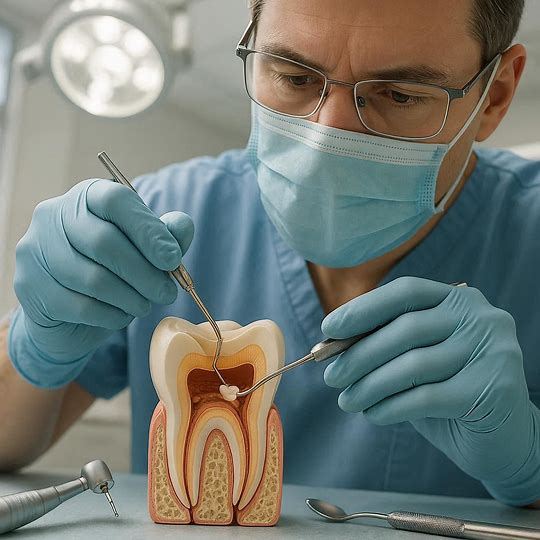
Think of a tooth like a tree. The part you see above the gum line (the crown) is the trunk, and the roots buried in the jawbone are the root system. Inside the tooth, there are tiny canals (like hollow tubes) that house the nerve and blood supply. When you get a standard root canal (Code D3310 for the front tooth, for example), the dentist cleans out these tubes from the top down.
But what happens if an infection persists or develops at the very bottom of the root, deep in the jawbone? You can’t easily reach that area from the top without damaging the rest of the tooth structure. That’s where an apicoectomy comes in.
Instead of going in through the crown, the dentist approaches the problem from the side, through the gum tissue. They make a small incision in the gum, locate the root tip, remove the infected tissue, and seal the very end of the root to prevent future infection.
So, when you see D3470 on a form, remember this: It is a surgical rescue mission for a tooth that has already had a root canal but is still fighting an infection at its deepest point.
The Official CDT Description of D3470
To be precise, let’s look at the official descriptor used by the American Dental Association (ADA) in the CDT manual.
Code: D3470
Procedure: Surgical access to an enclosed hard tissue or soft tissue osseous lesion, or root resection, including apicoectomy, with placement of apical plug and/or root-end closure device when performed, and retrograde filling, when performed.
That is a mouthful, even for dentists. Here is the breakdown of what that legal and insurance description actually means in the real world:
-
Surgical Access: Making a cut (incision) to get to the problem area.
-
Osseous Lesion: An infection or cyst that has eaten away at the bone (osseous means bone).
-
Apicoectomy: The actual removal of the tip (apex) of the root.
-
Apical Plug / Root-End Closure Device: Sometimes, the end of the root needs to be physically sealed with a special material.
-
Retrograde Filling: This is the key part. It means placing a small filling at the tip of the root (from the bottom up) rather than from the inside out (which is an orthograde filling).
Essentially, D3470 covers the entire surgical package of accessing the bone, removing the root tip, cleaning out the infection, and sealing the end shut.
D3470 vs. Root Canal: Understanding the Difference
A common point of confusion among patients is why they need a D3470 procedure if they “already had a root canal.” It helps to think of these two procedures as different strategies for the same goal: saving the tooth.
To make it crystal clear, here is a comparative breakdown:
| Feature | Root Canal (e.g., D3310-D3330) | Apicoectomy (D3470) |
|---|---|---|
| Approach | Orthograde: Through the crown of the tooth, down the root canal. | Retrograde: Through the gum and bone, at the root tip. |
| When is it used? | Primary treatment for infected or dead pulp (nerve) inside the tooth. | Secondary treatment when a root canal fails due to infection at the tip. |
| Invasiveness | Non-surgical (usually). It is a restorative procedure. | Surgical. It requires cutting gum tissue and bone. |
| Goal | To clean and shape the internal canal system. | To seal the root end externally and remove infected tissue in the bone. |
| Visual | Imagine caulking a crack in a pipe from inside the pipe. | Imagine digging down to the bottom of the pipe and capping it off outside. |
If a standard root canal fails, it doesn’t mean the dentist did a bad job. Sometimes, the anatomy of the tooth is just too complex. There might be a tiny, hidden canal branch that standard instruments couldn’t reach, or the seal at the bottom might have broken down over time. D3470 is the backup plan to fix that specific failure point.
Why Would You Need a D3470 Procedure?
An apicoectomy isn’t the first line of defense; it is a specialized rescue operation. Dentists and endodontists (root canal specialists) usually recommend D3470 for very specific reasons.
1. Persistent Infection After a Root Canal
This is the most common reason. You had a root canal months or even years ago, and now it hurts again, or an x-ray shows a dark spot (a lesion) on the bone near the root tip. This indicates that bacteria have found a hiding place that the original root canal treatment couldn’t clean out.
2. Anatomical Complexities
Teeth aren’t always straight, simple tubes. Some roots curve sharply, making it impossible to clean the very tip from the top. Other times, there is an “accessory canal”—a tiny offshoot that the main instruments just can’t reach. Surgery allows the dentist to visualize the root tip directly and address these anomalies.
3. Calcified Canals
As we age, the canals inside our teeth can narrow and fill with calcium deposits. In some cases, these canals become “obliterated,” meaning there is essentially no hollow space left to clean. If an infection develops at the tip of a tooth with a calcified canal, surgery is the only way to reach it.
4. Biopsy of the Tissue
If an x-ray shows a suspicious looking lesion at the root tip that isn’t clearly just an infection (like a cyst or tumor), the D3470 procedure allows the surgeon to remove that tissue and send it to a lab to confirm exactly what it is.
5. To Save a Bridge or Crown
If you have a complex dental bridge or a crown that is otherwise perfect, extracting the tooth to cure the infection would ruin that expensive restoration. An apicoectomy allows you to save the tooth and the crown/bridge work attached to it.
The Step-by-Step Reality of an Apicoectomy
If your dentist has recommended D3470, you are likely feeling a bit anxious about the procedure itself. Let’s walk through what actually happens, from the moment you sit in the chair to the recovery period. Knowing what to expect can significantly reduce fear.
Step 1: Diagnosis and Consultation
It starts with an x-ray, usually a 3D CBCT scan (Cone Beam Computed Tomography). This gives the surgeon a 3D map of your tooth, the roots, and the surrounding nerves and sinuses. They will review your medical history to ensure you are a good candidate for minor oral surgery.
Step 2: Anesthesia
You will be fully numb. Because this is surgery, the anesthetic is often stronger and may include a longer-acting agent to keep you comfortable for hours after the procedure. You will be awake, but you shouldn’t feel any sharp pain.
Step 3: Incision and Access
The surgeon makes a tiny incision (cut) in your gum tissue, right in the area of the root tip. They gently lift a small flap of gum away from the bone to reveal the underlying jawbone.
Step 4: Osteotomy (Bone Removal)
There is often a layer of bone covering the root tip. The surgeon uses a high-precision drill (under a microscope or high-powered loupes) to remove a tiny window of bone, just enough to see the very end of the root and the infected tissue around it.
Step 5: Apicoectomy (Root Resection)
This is the “ectomy” part. The surgeon cuts off the last 2-3 millimeters of the root tip. This removes the part of the root where the tiny, uncleaned canals usually branch off, eliminating the source of the infection.
Step 6: Ultrasonic Cleaning
Using a specialized ultrasonic tip, the surgeon cleans the exposed end of the root canal thoroughly. This removes any debris, bacteria, or infected tissue from the last few millimeters of the canal.
Step 7: Retrograde Filling
To ensure the infection doesn’t come back, the surgeon places a small filling in the end of the root. This is often made of a biocompatible material like Super-EBA, IRM, or MTA (Mineral Trioxide Aggregate). This seals the canal permanently from the bottom up.
Step 8: Suturing and Recovery
The gum flap is placed back into its original position and stitched closed with tiny sutures. The procedure is complete.
Recovery: What to Expect After Surgery
The success of a D3470 procedure isn’t just about the surgery itself; it’s also about how well you take care of yourself afterward. Recovery is generally manageable, but you need to be prepared.
The First 24-48 Hours
-
Bleeding: Some oozing is normal. You will be given gauze packs to bite on. Try not to spit or rinse vigorously, as this can dislodge the blood clot that is forming.
-
Swelling: This is the body’s natural response to surgery. Apply an ice pack to the outside of your face (20 minutes on, 20 minutes off) for the first 24 hours to keep swelling to a minimum.
-
Pain: You will likely be prescribed pain medication or advised to take over-the-counter anti-inflammatories like ibuprofen. Take them as directed before the numbness wears off to stay ahead of the pain.
Diet and Activity
-
Soft Foods: Stick to a soft-food diet for a few days. Think yogurt, smoothies, mashed potatoes, soup, and scrambled eggs.
-
No Straws: The sucking motion can create “dry socket” or disrupt the healing tissue. Avoid straws for at least a week.
-
Rest: Avoid strenuous exercise for a few days. Increased blood pressure can cause bleeding and throbbing at the surgical site.
Oral Hygiene
You still need to keep your mouth clean, but you have to be gentle around the surgery site.
-
You can brush your other teeth normally starting the night of the surgery.
-
The dentist may prescribe a special antibacterial mouth rinse (like chlorhexidine) to use gently twice a day.
-
After 24 hours, you can start rinsing your mouth gently with warm salt water (especially after meals) to keep the area clean.
Most patients return to work or school within 2-3 days. The stitches are usually removed or dissolved within 3 to 14 days.
The Cost of Dental Code D3470: What is the Price Range?
Let’s talk about money. Dental procedures can be expensive, and surgery tends to be at the higher end of the scale. However, when compared to the cost of extracting the tooth and replacing it with a dental implant or bridge, an apicoectomy is often a cost-effective way to preserve your natural tooth.
Average Out-of-Pocket Costs
Because D3470 is a surgical procedure, it commands a higher fee than a standard filling or simple extraction. In the United States, the cost for an apicoectomy (D3470) typically ranges from $900 to $1,500 for a single tooth with a single root.
However, the price can increase based on complexity:
-
Molars: Teeth in the back of the mouth (molars) have multiple roots and are harder to access. The cost for a molar apicoectomy can range from $1,200 to $2,000 or more.
-
Specialists: If the procedure is done by an Endodontist (a specialist) rather than a general dentist, the fee is usually higher due to their advanced training and specialized equipment like surgical microscopes.
What Influences the Price?
Several factors determine the final number on your treatment plan:
-
Geographic Location: Dental fees in major metropolitan areas like New York or Los Angeles are typically higher than in rural areas.
-
Tooth Location: As mentioned, front teeth are generally easier and cheaper than premolars, which are cheaper than molars.
-
Complexity: If a CT scan is needed (often it is), that may be a separate fee. If the infection is large or near a nerve (like the inferior alveolar nerve in the lower jaw), the surgical skill required increases, which can affect the cost.
-
Additional Procedures: Sometimes, a “root-end filling material” or a bone graft to fill the void left by the infection might be a separate line item, though D3470 usually includes the retrograde filling.
A Note on Value:
While $1,500 sounds like a lot, consider the alternative. Extracting the tooth and replacing it with a dental implant and crown can easily cost between $4,000 and $6,000. If your tooth is structurally sound, investing in the D3470 to save it is almost always the more affordable option in the long run.
Navigating Insurance for D3470
Dealing with dental insurance can sometimes feel more stressful than the procedure itself. Here is the honest truth about how insurance typically handles D3470.
Is it Covered?
Yes, D3470 is a covered benefit under most dental insurance plans, but it falls under “Major Restorative” or “Oral Surgery” categories. This means it is rarely covered 100%.
The Annual Maximum Problem
This is the biggest hurdle. Most dental insurance plans have an annual maximum benefit—the most they will pay in a given year—which is often between $1,000 and $2,000.
-
If you haven’t used much of your insurance this year, the plan might cover 50% to 80% of the D3470 cost, up to your maximum.
-
If you’ve already had fillings, a crown, or other work done, you may have very little of your annual maximum left. In that case, you might end up paying most of the cost out-of-pocket.
Coordination with Root Canal Codes
A frequent question is, “If my root canal was done years ago, will insurance still pay for this surgery?” Yes. Insurance companies understand that failures can happen years later. They do not usually deny a claim for D3470 simply because you had a root canal on that tooth in a previous year. They view it as a new problem requiring a different procedure.
How to Verify Your Benefits
Before scheduling the procedure, be proactive:
-
Call your insurance company. Ask them directly: “What is my coverage for procedure code D3470, an apicoectomy?”
-
Ask about your deductible. Have you met your yearly deductible? If not, you will have to pay that amount first.
-
Ask about your annual maximum. “How much of my annual maximum is remaining?”
-
Ask about specialist coverage. If you are seeing an Endodontist, confirm that your plan covers specialists at the same rate as a general dentist.
If Insurance Denies the Claim
Sometimes, an insurance company might deny D3470, claiming it is “not a covered benefit” or that the tooth should be extracted instead.
-
Don’t panic. First, check if the denial is because they consider it “experimental” (which is outdated—apicoectomies are standard of care).
-
Ask your dentist to appeal. The dentist’s office can send a letter of medical necessity, along with x-rays, explaining why saving the tooth is in the patient’s best medical interest and more cost-effective for the insurance company in the long run than paying for an extraction and a bridge later.
Factors That Influence the Success of D3470
An apicoectomy is a delicate procedure, and while success rates are generally high (around 85% or more in many studies), it isn’t guaranteed. Understanding the factors that contribute to success can help you have realistic expectations.
The Skill of the Practitioner
This is arguably the most important factor. An Endodontist who performs these procedures daily, using a surgical microscope, has a significantly higher success rate than a general dentist who only performs a few a year. The microscope allows them to see the tiny cracks and complex anatomy that the naked eye misses.
Tooth Location and Anatomy
-
Front Teeth (Anterior): These have single, straight roots and are easier to access. Success rates are highest here.
-
Molars (Posterior): These are difficult to access, especially in the lower jaw. The bone is denser, and the roots are close to major nerves. Success rates are slightly lower due to the technical difficulty.
The Quality of the Initial Root Canal
If the original root canal was poorly done (short fills, missed canals), an apicoectomy can still seal the tooth, but the entire internal system remains “dirty.” If the main body of the tooth gets re-infected, the apicoectomy seal at the tip won’t matter. The tooth itself must be structurally sound.
Systemic Health
Your body’s ability to heal plays a huge role.
-
Smoking: Smoking severely impairs blood flow and healing. Smokers have a higher failure rate for apicoectomies.
-
Medical Conditions: Uncontrolled diabetes or autoimmune disorders can slow healing and increase the risk of post-surgical infection.
Common Myths and Misconceptions About D3470
There is a lot of misinformation floating around about dental surgery. Let’s clear up a few common myths.
Myth 1: “An apicoectomy is just a more painful root canal.”
Reality: While it is surgery, modern anesthesia and post-op pain management make it very tolerable. Most patients report that the pressure of the swelling is more noticeable than sharp pain. It is a different type of recovery compared to a root canal, but not necessarily more painful.
Myth 2: “If the root canal failed, I should just pull the tooth.”
Reality: This is a personal choice, but from a biological standpoint, your natural tooth is almost always better than any replacement. A natural tooth has a periodontal ligament that acts as a shock absorber. Implants and bridges, while excellent, do not have this same proprioception (feeling). Saving the tooth is usually the preferred dental objective.
Myth 3: “The procedure weakens the tooth so much it will crack.”
Reality: The apicoectomy only removes the tip of the root. It does not weaken the part of the tooth you chew with. In fact, by removing infected tissue and sealing the root, it strengthens the support system around the tooth. The tooth’s vulnerability to cracking is usually related to the size of the original filling or crown, not the tip surgery.
Myth 4: “It’s a quick fix.”
Reality: While the surgery itself may take 30-90 minutes, the healing of the bone takes months. It can take 6 to 12 months for the bone to fully grow back and fill in the area where the infection was removed. The “quick” part is the surgery; the “fix” is a long-term biological process.
Alternatives to D3470 (Apicoectomy)
It is always wise to know your options. While D3470 is a great option for many, it isn’t the only path. Here are the primary alternatives:
1. Tooth Extraction
This is the most straightforward alternative. The tooth is removed, eliminating the source of pain and infection immediately.
-
Pros: Solves the immediate problem; usually lower upfront cost than surgery + crown.
-
Cons: Creates a gap. Leaving a gap can cause adjacent teeth to shift, leading to bite problems and further tooth decay. To prevent this, you will eventually need an implant, bridge, or partial denture, which adds up financially.
2. Repeat Root Canal (Re-treatment)
Instead of going through the gum, the dentist removes the existing crown or filling and attempts to clean the canals from the top again. This is coded as D3346 (retreatment of a root canal).
-
Pros: Non-surgical. It allows the dentist to try to find and clean missed canals.
-
Cons: It is invasive to the crown of the tooth, removing more tooth structure. It is not effective if the failure is due to a crack in the root or blocked (calcified) canals that can’t be bypassed from the top.
3. No Treatment
Ignoring the problem is technically an option, but it is a very bad one.
-
Pros: Saves money in the short term.
-
Cons: The infection won’t go away. It can spread, forming a dental abscess, damaging more bone, and potentially leading to life-threatening systemic infections. The pain will likely increase.
Comparison: D3470 vs. Alternatives
| Option | Tooth Preservation | Procedure Type | Relative Cost | Success Rate / Outcome |
|---|---|---|---|---|
| Apicoectomy (D3470) | Yes | Surgical | Moderate | High (85%+) when case is properly selected. |
| Root Canal Re-treatment | Yes | Non-Surgical | Moderate | Moderate (75%+), depends on bypassing old fillings. |
| Extraction + No Replacement | No | Surgical (Simple/Complex) | Low upfront | Poor long-term for dental health. Leads to shifting teeth. |
| Extraction + Implant | No | Surgical (Two stages) | High | Excellent, but requires more time and money than saving the natural tooth. |
FAQ: Your Burning Questions About D3470 Answered
To wrap up this guide, let’s address the most frequently asked questions patients have when they see D3470 on their treatment plan.
1. Is Dental Code D3470 covered by medical insurance?
Sometimes. Dental insurance is the primary coverage for teeth. However, if the procedure is related to a medical condition (like a tumor, or if it’s part of a treatment for a cleft palate), medical insurance might contribute. For standard infections from a failed root canal, dental insurance is the correct avenue. It’s always worth asking your dentist to send a claim to both if you have dual coverage.
2. How long does a D3470 procedure take?
The actual surgical time varies by tooth. A single-rooted front tooth might take 30-45 minutes. A multi-rooted molar can take 60 to 90 minutes. This doesn’t include the time for numbing and setup.
3. Will I need someone to drive me home?
Yes, it is highly recommended. While you are not “put under” with general anesthesia (usually just local numbing), the procedure can be mentally exhausting. The lingering effects of the anesthetic and any anti-anxiety medication you may have taken (like nitrous oxide or a prescribed pill) mean you shouldn’t drive. It is safest to have a companion.
4. Can any dentist perform D3470?
Legally, a general dentist can perform surgery. However, it is widely accepted that this procedure is best performed by an Endodontist. They are specialists who limit their practice to saving teeth and have 2-3 years of additional training beyond dental school. They also use specialized equipment like CBCT scans and surgical microscopes, which significantly improve outcomes.
5. What is the success rate of an apicoectomy?
When performed by a skilled specialist on the right tooth, success rates are excellent. Most studies show success rates between 85% and 95% after one year. Long-term success depends on maintaining good oral hygiene and ensuring the tooth doesn’t develop new problems like decay or cracks in the crown.
6. Does D3470 include the cost of the crown or filling?
No. D3470 strictly covers the surgical procedure on the root. If you need a new crown, filling, or any other restoration on the top of the tooth after the surgery heals, that is a separate procedure with its own dental code and separate fee.
7. How soon will the tooth feel normal after surgery?
The soft tissue (gum) heals in a few weeks. However, the area may feel “different” or slightly tender to pressure for a few months as the bone heals. Full bone regeneration takes time.
8. Can an apicoectomy fail?
Yes, it is possible. If the tooth develops a vertical root fracture (a crack running up and down the root), the tooth is unsalvageable. If the seal at the tip breaks down, or if the crown of the tooth gets a new cavity that infects the main canal system, the apicoectomy can fail. In these cases, extraction is usually the only option left.
Conclusion: Making an Informed Decision
Dental Code D3470 represents more than just a line item on a bill; it represents a specialized, advanced attempt to save your natural tooth. While the idea of oral surgery can be intimidating, understanding that this procedure is a targeted, minimally-invasive (relative to extraction) rescue mission can help put your mind at ease. It is the dentist’s way of saying, “Your tooth is worth fighting for.”
From the micro-surgical removal of the root tip to the precise placement of a retrograde seal, D3470 is a marvel of modern dentistry. It offers a second chance for teeth that, just a few decades ago, would have been pulled without hesitation. The costs can be significant, but when weighed against the long-term value of preserving your natural smile and avoiding more expensive replacements, it is an option well worth considering.
Additional Resource
For the most accurate and up-to-date information on dental terminology, you can always refer to the American Dental Association’s (ADA) website. Their page on CDT codes provides the official descriptors and guidelines used by professionals across the country.
Visit the ADA Website for CDT Information

dentalecostsmile
Newsletter Updates
Enter your email address below and subscribe to our newsletter