Dental Code D3910: Your Guide to Surgical Access and What It Really Means
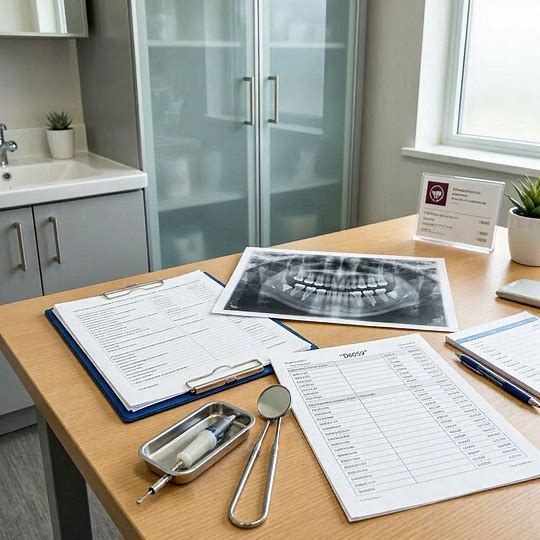
If you have ever received a treatment plan from your dentist that included a mysterious code like “D3910,” you might have felt a little overwhelmed. Dental codes can look like a foreign language. But understanding them is the key to understanding your own oral health—and your wallet.
Let’s talk about Dental Code D3910. If your dentist has recommended this procedure, you are likely dealing with a tooth that is being stubborn. Maybe you’ve already had a root canal, but something still feels “off.” Or perhaps your dentist needs to solve a mystery hidden deep inside your tooth.
This guide will walk you through everything you need to know about D3910. We will cover what it is, why you might need it, how much it costs, and how it fits into your overall dental health journey. Let’s turn that confusing code into clear knowledge.
What Exactly is Dental Code D3910?
In the world of dentistry, the Current Dental Terminology (CDT) codes are the universal language used by dentists and insurance companies to describe specific procedures. Think of them as a recipe book for dental treatments.
According to the American Dental Association (ADA), the official description for D3910 is:
“Surgical access for a root canal therapy evaluation.”
Let’s break that down in plain English.
Imagine a tooth is like a house. The pulp (the living tissue inside) is the electrical system. A standard root canal is like accessing the electrical panel through the basement to fix a short circuit. But what if the wires are damaged in a spot you can’t reach from the basement? You might need to cut a small, careful hole in the wall to get to it.
D3910 is that “hole in the wall.”
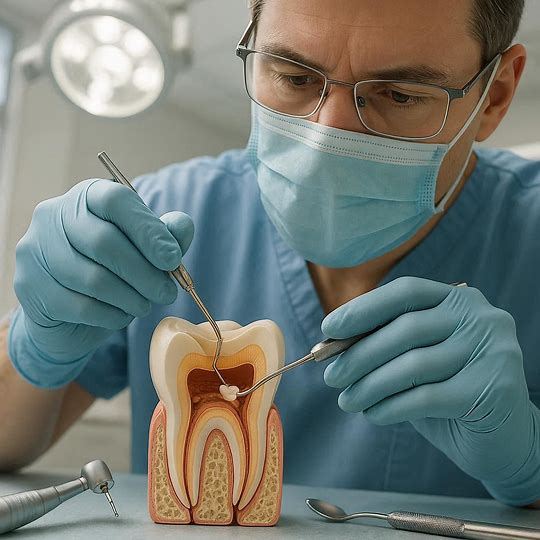
It is a surgical procedure performed to expose the tip of the tooth’s root (the apex) so the dentist or endodontist can see what is really going on. It’s not the final repair itself; it’s the act of “opening the hood” to get a better look and perform a specific treatment.
Key Characteristics of D3910:
-
It is surgical: Unlike a standard filling or crown, this procedure involves cutting the gum tissue.
-
It is diagnostic and therapeutic: It helps the doctor find a problem and then fix it in the same visit.
-
It is specific: It focuses on the very end of the root, not the crown (top) of the tooth.
When is D3910 Used? (The “Why” Behind the Surgery)
You might be wondering, “Why can’t the doctor just see the problem on an X-ray?” X-rays are fantastic tools, but they are two-dimensional images of a three-dimensional object. Sometimes, they don’t tell the whole story.
A dentist will typically recommend D3910 in the following scenarios:
1. Persistent Infection After a Root Canal
This is the most common reason. You had a root canal (maybe years ago), but the tooth still hurts, or an X-ray shows a dark spot (an abscess) at the root tip. This indicates that bacteria are still present in the root canal system that the initial treatment couldn’t reach. The dentist needs surgical access to clean the tip of the root directly.
2. Calcified or Blocked Root Canals
As we age, our root canals can become calcified—meaning they fill in with hard deposits and become narrower. Sometimes, they are so narrow that standard instruments cannot reach the bottom. D3910 allows the dentist to go in from the other side (through the gum) to clean the end of the root.
3. Suspicion of a Cracked Root
Hairline fractures at the very tip of the root are notoriously difficult to see on X-rays. They can, however, cause significant pain and infection. Surgical access allows the dentist to visually inspect the root tip for cracks.
4. Biopsy of Unusual Tissue
If an X-ray reveals an unusual growth or lesion around the root tip that doesn’t look like a standard infection, the dentist may need to access the area surgically to take a small tissue sample (a biopsy) to rule out more serious conditions.
Important Note: D3910 is almost always performed by a specialist called an Endodontist. These are root canal experts who have advanced training in microsurgery and diagnosing tooth pain.
The Procedure: What to Expect Step-by-Step
Knowing what happens during the procedure can ease a lot of anxiety. Modern dentistry has come a long way, and this is typically a minor, outpatient procedure performed under local anesthesia.
Here is a realistic walkthrough of a D3910 appointment:
Step 1: Numbing the Area
Your comfort is the top priority. The endodontist will apply a topical gel to your gum to numb the surface, followed by a local anesthetic (like Novocaine). You will be awake, but you shouldn’t feel any sharp pain—just pressure and vibration.
Step 2: Creating the Surgical Window
Once the area is completely numb, the doctor makes a tiny incision (cut) in your gum tissue. This flap of gum is gently lifted and folded back to expose the underlying bone. This sounds scary, but it’s a very precise and small incision.
Step 3: Bone Access (If Necessary)
Sometimes, the bone covers the tip of the root. The doctor may need to remove a tiny amount of bone to create a “window” to see the root end. They use a surgical microscope and specialized instruments to do this with extreme precision.
Step 4: Evaluation and Treatment
This is the core of the D3910 code. The doctor visually inspects the root tip. They are looking for:
-
Cracks.
-
Extra canals that were missed.
-
Areas that weren’t cleaned properly.
-
Cysts or infections.
At this point, depending on the finding, the doctor may proceed with the necessary treatment. This often involves:
-
Apicoectomy: Removing the infected tip of the root.
-
Retrofill: Placing a small filling in the end of the root to seal it permanently.
-
Biopsy: Removing the suspicious tissue for testing.
Step 5: Closing the Site
After the treatment is complete, the doctor gently places the gum flap back into its original position and secures it with a few tiny stitches. These are often dissolvable, meaning they disappear on their own in a few days.
D3910 vs. Standard Root Canal: A Clear Comparison
It’s easy to confuse surgical access with a standard root canal. They are related but fundamentally different. This table breaks it down for you.
| Feature | Standard Root Canal (Non-Surgical) | Surgical Access (D3910) |
|---|---|---|
| Approach | Through the crown (top) of the tooth. | Through the gum and bone (side/bottom). |
| Incision | No incision. The tooth is drilled. | Yes, a small incision in the gum. |
| Primary Goal | Clean and shape the entire inner canal. | Treat the very tip of the root or diagnose hidden issues. |
| When Used | First-time infection, deep decay. | Failed previous root canal, blocked canals, suspected cracks. |
| Tools | Hand files, irrigants, rubber dam. | Surgical microscope, micro-instruments, ultrasonic tips. |
| Recovery | Mild soreness in the tooth. | More post-op soreness in the gum and surrounding tissue. |
Recovery and Aftercare: Healing Well
Recovery from a D3910 procedure is generally manageable, but it is different from the recovery after a filling. Because the gum tissue was cut, you can expect some swelling and tenderness.
What is Normal?
-
Mild to Moderate Swelling: Your gum and maybe your cheek may swell for 24-48 hours.
-
Bruising: It’s not uncommon to have a little bruise on the gum or the outside of your cheek.
-
Discomfort: You will likely feel a dull ache or throbbing, especially when the anesthesia wears off.
How to Care for Yourself:
-
Ice, Ice, Baby: Apply an ice pack to the outside of your face (20 minutes on, 20 minutes off) for the first 6-8 hours to minimize swelling.
-
Pain Management: Take over-the-counter anti-inflammatories (like ibuprofen) as recommended by your dentist. They may also prescribe a stronger painkiller if needed.
-
Soft Foods: Stick to a soft-food diet for a few days. Think yogurt, soup, mashed potatoes, and smoothies. Avoid anything hard, crunchy, or chewy near the surgical site.
-
Oral Hygiene: Be gentle. You can still brush your other teeth, but be very careful around the stitches. Your dentist may give you a special antibacterial mouthwash to use.
-
No Strenuous Activity: Avoid heavy lifting and intense exercise for a couple of days to keep your blood pressure down and promote healing.
When to Call the Doctor:
-
If you experience bleeding that won’t stop with gentle pressure.
-
If the pain gets significantly worse after a few days (instead of better).
-
If you develop a fever.
-
If you have any signs of an allergic reaction to medication.
The Cost of Dental Code D3910
Let’s talk about money. Dental procedures can be expensive, and being prepared financially is just as important as being prepared medically.
The cost of D3910 can vary widely based on where you live, the complexity of your case, and the specialist performing it. However, you can expect it to be more expensive than a standard filling but less expensive than a dental implant.
Average Cost Range
-
Without Insurance: The cost typically ranges from $600 to $1,200.
-
With Insurance: If you have dental insurance, they will usually cover a percentage of the procedure.
Factors Influencing Price:
-
Tooth Location: Molars are the hardest to reach and have the most complex root systems, so they are the most expensive. Front teeth (incisors) are the least expensive.
-
Geographic Region: Costs in major metropolitan areas are generally higher than in rural areas.
-
Specialist Fees: Endodontists charge more than general dentists because of their advanced training and specialized equipment (like the surgical microscope).
-
Complexity: If the doctor finds unexpected complications (like a large cyst), the cost may increase.
Does Insurance Cover D3910?
Yes, most dental insurance plans cover surgical procedures like D3910, but they usually categorize them under “Major Restorative” or “Endodontics.” Here’s what that means for you:
-
Deductible: You will likely have to meet your annual deductible first.
-
Coinsurance: After the deductible, the insurance company might pay 50% to 80% of the cost, leaving you responsible for the remainder (your copay).
-
Annual Maximum: Remember, your insurance has an annual maximum payout (often $1,500). This procedure will count against that limit.
Pro Tip: Always get a pre-treatment estimate from your insurance company before scheduling the surgery. This will tell you exactly what they will pay and what you will owe.
Pros and Cons: Is D3910 the Right Choice?
Like any medical procedure, surgical access has its advantages and disadvantages. It’s important to have a balanced view.
The Pros (Why do it?)
-
Saves Your Tooth: The biggest advantage. It can save a natural tooth that would otherwise need to be pulled.
-
Highly Effective: For persistent infections, this procedure has a very high success rate because it addresses the problem directly.
-
Precise Diagnosis: It provides information that X-rays simply cannot, leading to the correct treatment.
The Cons (The Risks and Downsides)
-
It’s Surgery: It involves cutting tissue, which carries inherent risks of infection, bleeding, and swelling.
-
Cost: It is an out-of-pocket expense that can be significant.
-
Recovery Time: You need to plan for a few days of discomfort and dietary restrictions.
-
Not Always Successful: While rare, the surgery can fail if the tooth cracks vertically or if the infection is too aggressive.
Frequently Asked Questions (FAQ)
Q: Is Dental Code D3910 painful?
A: Not during the procedure. You will be completely numb. Afterward, as the anesthesia wears off, you will likely feel sore and uncomfortable. This is usually well-managed with over-the-counter pain relievers and ice packs.
Q: How long does the D3910 procedure take?
A: Most procedures take between 30 and 90 minutes, depending on the tooth’s location and the complexity of the issue.
Q: Is D3910 the same thing as an apicoectomy?
A: Not exactly. D3910 is the code for creating the surgical access. An apicoectomy (removing the root tip) is one of the treatments performed through that access. However, in common practice, if you see D3910 on a bill, it often implies that the access was used for an apicoectomy or retrofill.
Q: Can a general dentist perform D3910?
A: Technically, yes, any licensed dentist can perform it. However, it is almost always referred to an endodontist because they have the specialized training and equipment (like microscopes) necessary to do it successfully.
Q: How long does it take to heal?
A: The gum tissue usually heals in 1-2 weeks. The bone around the root tip takes much longer—several months to a year—to fully heal and regenerate, which is why you will need follow-up X-rays.
Conclusion
Dental Code D3910 might look like just another line item on a treatment plan, but it represents something much more significant: a dedicated effort to save your natural tooth. It is the surgical key that unlocks hidden problems, allowing specialists to treat infections and complications that standard procedures cannot reach.
While the idea of “surgical access” can sound intimidating, understanding the process demystifies it. It is a precise, routine, and highly effective micro-surgery designed to bring relief and preserve your smile for years to come. By knowing what to expect, how to manage recovery, and how to navigate the costs, you can approach this procedure with confidence rather than fear.
Additional Resource
For the most authoritative and up-to-date information on dental procedures and codes, always refer to the source.