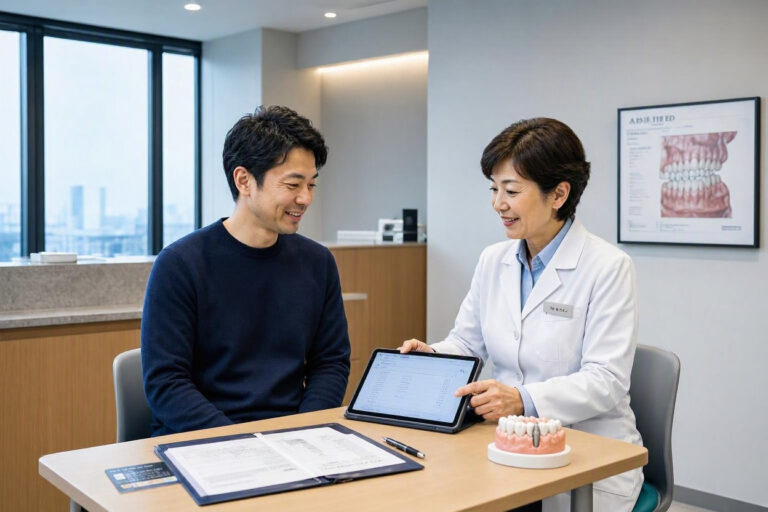
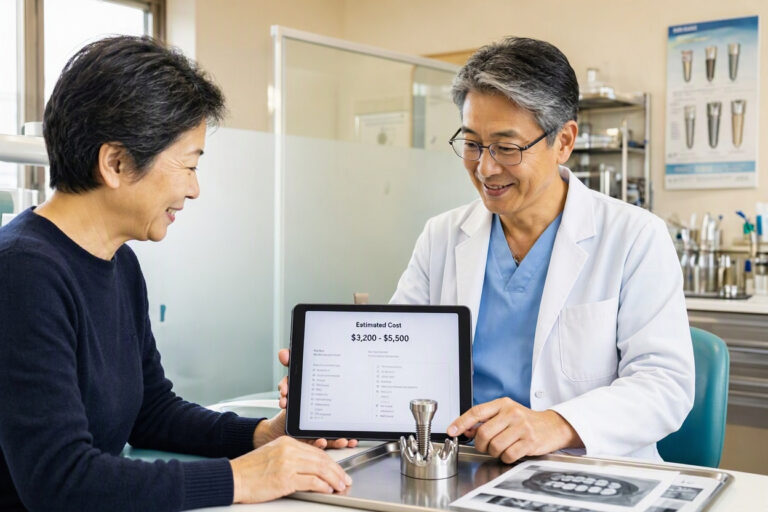
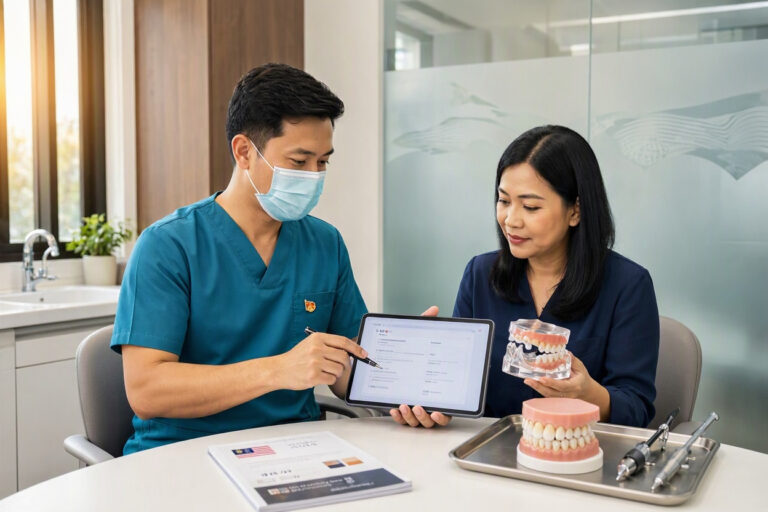
Losing a tooth can feel frustrating. You might hide your smile in photos. You might struggle to chew your favorite foods. For many people living in Palm Beach Gardens, this is a daily reality. But there is good news. Modern dentistry offers a solution that looks, feels, and functions like a natural tooth. That solution is the dental implant.
If you live near the Gardens Mall, PGA Boulevard, or anywhere in northern Palm Beach County, you have access to some of the best implant dentists in Florida. This guide will walk you through everything you need to know. We will cover the process, the costs, the recovery time, and how to choose the right dentist for your needs.
Note to readers: This guide is for educational purposes. Every patient is different. Always consult with a licensed dentist in Palm Beach Gardens for a personal examination.
When you lose a tooth, you typically have three choices: do nothing, get a bridge, or get a denture. Each option has its place. But implants offer unique advantages.
Here is a simple comparison to help you understand the difference.
Feature
Dental Implants
Traditional Bridge
Removable Denture
Bone Health
Preserves jawbone
Does not stop bone loss
Accelerates bone loss
Longevity
20+ years (often lifetime)
5-15 years
5-8 years
Stability
Fixed; will not slip
Fixed
Can move or click
Adjacent Teeth
No damage to neighbors
Requires shaving down healthy teeth
Uses suction or adhesives
Cleaning
Brush and floss normally
Requires special floss threaders
Must be removed and soaked
The “Natural Feel” Factor
The main reason people love implants is the feeling. A denture sits on top of your gums. A bridge relies on other teeth for support. But an implant fuses with your bone. This creates a stable foundation. You will not feel it move when you talk. You will not worry about it falling out when you eat an apple. It becomes part of you.
Understanding the Dental Implant Process in Palm Beach Gardens
The journey to a new tooth usually takes several months. Do not worry. You will not be without a tooth during this time. Your dentist will provide a temporary solution. Let us break down the process step by step.
Your first visit will be thorough. The dentist will take a 3D CT scan of your mouth. This scan shows the bone density, nerve locations, and sinus positions. The dentist needs to know if you have enough bone to support the implant.
During this visit, you will discuss your medical history. Be honest about any medications you take. Also, tell your dentist if you smoke. Smoking can affect healing.
Step 2: Preparatory Work (Bone Grafts and Sinus Lifts)
Sometimes, the jawbone is too thin or too soft. This happens often to people who have been missing a tooth for years. Without a tooth root, the bone slowly dissolves. If this is your situation, do not panic. You are still a candidate for implants.
The dentist can perform a bone graft. This adds new bone material to your jaw. A sinus lift is a similar procedure for the upper back teeth. These procedures add 3 to 6 months to the total timeline. But they are worth the wait. They ensure your implant has a solid foundation.
Step 3: The Implant Placement Surgery
This is the day the titanium post goes into your jawbone. The dentist numbs the area completely. Most patients say the pressure feels like getting a filling, not pain.
The procedure steps:
The dentist makes a small cut in the gum.
They drill a precise hole into the jawbone.
The titanium implant is screwed into the hole.
A healing cap is placed on top.
The gum is stitched closed.
The entire surgery usually takes 60 to 90 minutes for a single implant.
Step 4: Osseointegration (The Healing Period)
Now, your body does the real work. The bone grows around the titanium surface. This process is called osseointegration. It takes 3 to 6 months. During this time, you wear a temporary partial denture or a temporary crown. You need to eat soft foods for the first week. After that, you can return to a normal diet, avoiding extremely hard or sticky items.
Step 5: Abutment and Final Crown Placement
Once the implant is fused to the bone, you return to the dentist. They re-open the gum to attach a small metal connector called an abutment. The abutment sticks out above the gum line. It acts as the base for your new tooth.
Two weeks later, the dentist places the final crown. The crown is custom-made to match the color, shape, and size of your natural teeth. You walk out with a complete smile.
Types of Dental Implants Available Locally
Not all implants are the same. Palm Beach Gardens dentists offer several types depending on your needs.
Single Tooth Implants
This is the most common type. You replace one missing tooth with one implant post and one crown. It does not touch the neighboring teeth.
Implant-Supported Bridge
If you are missing three teeth in a row, you do not need three implants. Two implants can support a three-unit bridge. This saves money and reduces surgery time.
All-on-4 Implants (Full Arch)
Are you missing all of your upper or lower teeth? The All-on-4 technique is a game changer. The dentist places four implants in strategic locations. These four posts support a full set of fixed teeth. You get the implant on the same day in many cases. You leave the office with temporary teeth screwed into the implants. You never go without teeth.
Traditional implants require months of healing before attaching the crown. Immediate load implants allow the dentist to attach a temporary crown on the same day as surgery. This is only possible if you have excellent bone quality. Your dentist will tell you if you qualify.
The Real Cost of Dental Implants in Palm Beach Gardens
Let us talk about money. This is the number one question patients ask. The cost in Palm Beach Gardens varies. Prices here are slightly higher than the national average because of the high quality of care and the cost of living in South Florida.
Here is a realistic breakdown:
Procedure
Average Cost Range (Palm Beach Gardens)
Single Implant (post + abutment + crown)
$3,500 – $6,000
Implant-Supported Bridge (3 units)
$7,000 – $12,000
All-on-4 (per arch)
$20,000 – $30,000
Bone Graft (if needed)
$500 – $2,000
Sinus Lift (if needed)
$1,500 – $3,000
Does Insurance Cover Implants?
Many dental insurance plans do not cover implants fully. However, most plans cover parts of the process. For example:
The crown: Often covered at 50%.
The extraction: Usually covered at 80%.
The bone graft: Sometimes covered.
Always call your insurance provider before your consultation. Ask specifically about “implant restoration coverage.”
Payment Plans and Financing
Most reputable dental offices in Palm Beach Gardens offer financing. Look for plans like CareCredit or Sunbit. These allow you to pay monthly. Some offices offer in-house membership plans for patients without insurance. These plans give you a discount on implants for an annual fee.
Finding the Best Implant Dentist in Palm Beach Gardens
You have many choices. North County has excellent dentists. But not every dentist does implants at the same level. You need a specialist or an experienced general dentist.
Types of Implant Providers
Oral Surgeons: They focus on surgery only. They place the implant. Then they send you back to your general dentist for the crown.
Periodontists: They are gum specialists. They are experts in bone and soft tissue. They place implants and manage gum health.
Prosthodontists: They are restoration experts. They focus on the crown, bridge, or denture part. They often work with surgeons.
General Dentists with Training: Many general dentists in Palm Beach Gardens have taken advanced implant courses. They do the entire process in one office.
Questions to Ask Before You Choose
Do not be shy. Ask these questions during your consultation:
“How many implants have you placed in the last year?”
“What is your success rate for someone like me?”
“Do you use 3D CT scanning for planning?”
“What happens if my implant fails? Do you offer a warranty?”
“Can you show me before-and-after photos of local patients?”
A good dentist will welcome these questions. A bad dentist will get defensive.
Local Reputation Matters
Check Google Reviews for implant dentists near:
The Palm Beach Gardens Medical Center area.
Legacy Place.
The Alton Town Center.
Look for reviews that mention specific words like “pain-free,” “explained everything,” and “beautiful result.”
Recovery and Aftercare: What Is Normal?
Recovery from implant surgery is usually easier than people expect. Most patients return to work the next day. But you need to follow the rules.
Do not spit or rinse. This can dislodge the blood clot.
Do not drink through a straw.
Apply ice packs to your face for 20 minutes on, 20 minutes off.
Take prescribed pain medication before the numbness wears off.
Eat cold soft foods like yogurt, smoothies, and pudding.
Days 2 to 7
Swelling usually peaks on day two or three. This is normal.
Switch to warm salt water rinses (gentle, no swishing).
Start eating warm soft foods like mashed potatoes, scrambled eggs, and soup.
Brush your other teeth normally. Be very gentle near the surgery site.
Long-Term Care for Your Implant
An implant cannot get a cavity. But it can fail due to gum disease. The gum around an implant is delicate. You must keep it clean.
Your daily cleaning routine:
Brush twice a day with a soft toothbrush.
Floss daily. Use a special “super floss” or a water flosser (Waterpik).
Use an interdental brush for the area where the implant meets the gum.
Visit your dentist every 6 months for professional cleanings.
Important: Avoid chewing ice or hard candies with your implant crown. The porcelain can chip, just like a natural tooth.
Risks and Complications (Honest Discussion)
I promised you a realistic guide. So let us talk about risks. Implants have a 95% to 98% success rate. But failure does happen.
Early Failure (First 3-4 months)
This happens when the bone does not fuse to the implant. Causes include:
Infection at the surgery site.
Smoking (heavy smokers have double the failure rate).
Uncontrolled diabetes.
Overheating the bone during surgery (rare with good dentists).
Late Failure (Years later)
This is usually due to peri-implantitis. This is gum disease around the implant. Symptoms include bleeding, pain, and bone loss. The best prevention is excellent home care and regular cleanings.
Nerve Damage (Rare but serious)
The inferior alveolar nerve runs through your lower jaw. If an implant is placed too close, you may feel numbness in your lip or chin. This is why 3D CT scans are essential. A skilled Palm Beach Gardens dentist will map the nerve before surgery.
Frequently Asked Questions (FAQ)
Q: Am I too old for dental implants?
A: No. Age is not a barrier. Healthy adults in their 80s and 90s get implants successfully. The real question is your overall health, not your age.
Q: Can I get implants if I smoke?
A: Yes, but you must understand the risk. Smokers have a higher failure rate. If you can quit for two weeks before and two months after surgery, your success rate goes back to normal.
Q: Is the procedure painful?
A: The surgery itself is not painful due to local anesthesia. After the numbness wears off, you will feel soreness. Most patients compare it to a tooth extraction. Over-the-counter pain relievers usually work fine.
Q: How long do implants last?
A: With proper care, a dental implant can last 30 years or a lifetime. The crown on top may need replacement after 15 to 20 years due to normal wear.
Q: Do implants look fake?
A: No. Modern crowns are made of zirconia or layered porcelain. They reflect light like natural enamel. Your dentist will match the shade to your adjacent teeth. No one will know it is an implant unless you tell them.
Q: Can I get a full set of implants if I have no bone?
A: Possibly. You may need a bone graft or a zygomatic implant (which anchors into the cheekbone). This is advanced surgery. Only a few specialists in Palm Beach Gardens offer this.
This resource offers videos, patient stories, and a search tool to find accredited implant dentists near you.
Conclusion
Dental implants in Palm Beach Gardens offer a permanent, natural-looking solution for missing teeth. The process requires several months and a significant financial investment, but the result is a stable, functional smile that can last a lifetime. By choosing an experienced local dentist and committing to proper aftercare, you can confidently restore both your oral health and your quality of life.