How to Get Vampire Teeth from a Dentist
So, you want to join the ranks of the undead—at least in the smile department.
You are not alone. More people than ever are asking the same question: how to get vampire teeth dentist style, without damaging their natural smile or breaking the bank.
The good news? You have real, safe, and permanent options. The better news? A dentist can give you fangs that look natural, feel comfortable, and let you eat normally.
This guide walks you through everything. No fake information. No Hollywood magic. Just honest, practical advice from a professional perspective.
Why See a Dentist for Vampire Teeth?
You might have seen DIY tutorials online. Gluing false fangs. Filing your own canines. Using Halloween props.
Here is the truth: your teeth are not play-dough.
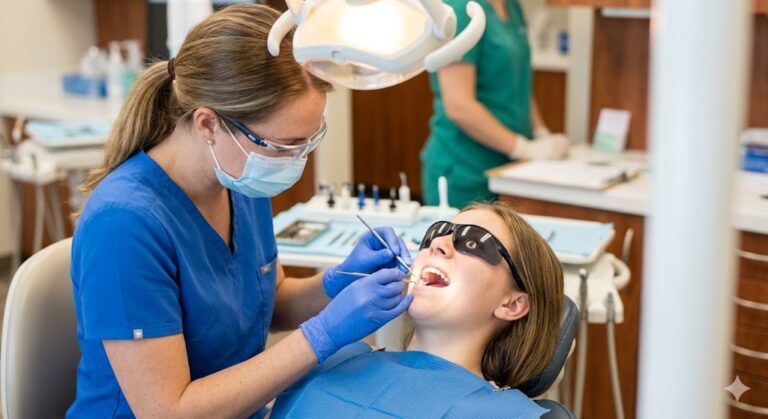
A dentist brings three things you cannot get at home.
- Safety. No nerve damage. No enamel destruction. No infections.
- Precision. Symmetrical fangs that fit your bite perfectly.
- Longevity. Results that last years, not hours.
A dentist also understands your jaw movement. When you talk, chew, or smile, your fangs should not scrape your lower lip or hit your opposite teeth.
That is why the professional route is the only smart route.
“Your canines are designed to tear food, but altering them without training can lead to chronic pain or tooth loss. Always consult a dental professional.” — Dr. Elena Marchetti, cosmetic dentist.
The Two Main Dental Methods for Vampire Fangs
Dentists use two primary techniques to create vampire teeth. Each suits different goals, budgets, and natural tooth shapes.
| Method | What It Is | Durability | Cost Range (USD) | Reversible? |
|---|---|---|---|---|
| Canine contouring (filing) | Reshaping your existing canines | Permanent | $100 – $400 per tooth | No |
| Composite bonding | Adding tooth-colored resin to build fangs | 5–10 years | $250 – $600 per tooth | Yes |
| Porcelain veneers | Thin ceramic shells over your canines | 10–20 years | $800 – $2,500 per tooth | Partially |
Let us break down each method in plain English.
Canine Contouring (Enamel Reshaping)
This is the simplest and cheapest method.
Your dentist uses a fine diamond burr to gently file your natural canine teeth into sharper points. The process takes about 15 to 30 minutes. No anesthesia is usually needed unless your teeth are very sensitive.
Best for: People who already have prominent, healthy canines and want a subtle, natural vampire look.
The honest catch: Once enamel is gone, it never grows back. You are making a permanent change.
However, a small amount of reshaping (1–2 millimeters) is safe. Your dentist will take X-rays first to ensure the tooth nerve is not too close to the surface.
Composite Bonding
This is the most popular choice for modern vampire seekers.
Your dentist roughens the surface of your natural canines slightly, then applies a putty-like resin. They sculpt it into fang shapes. A curing light hardens the material. Finally, they polish it to a natural shine.
Best for: People who want dramatic, longer fangs without permanently damaging their teeth.
Why people love it: Reversible. Affordable. Completed in one visit. Looks extremely natural.
The real downside: Resin can stain over time if you drink coffee, tea, or red wine. It also may chip if you bite into hard objects (pens, ice, bottle caps).
Porcelain Veneers
This is the premium, high-end solution.
Your dentist removes a thin layer of enamel from your canines, takes impressions, and sends them to a lab. Two weeks later, you return to have custom ceramic fangs bonded to your teeth.
Best for: People who want a perfect, glossy, ultra-durable result and have a higher budget.
Why choose this: Stain-resistant. Incredibly strong. Lasts up to two decades.
The real catch: More expensive. Requires two visits. The enamel removal is irreversible.
The Step-by-Step Process: What Actually Happens at the Dentist
If you are nervous, do not be. Here is exactly what to expect from start to finish.
Step 1: The Consultation
You sit down with a cosmetic dentist. You show them reference photos—yes, bring pictures of the fang length and shape you like.
The dentist examines your:
- Bite (how your upper and lower teeth meet)
- Gum health
- Existing enamel thickness
- Tooth alignment
They also ask about your lifestyle. Do you grind your teeth at night? Play contact sports? These factors affect which method is best.
Step 2: Treatment Planning
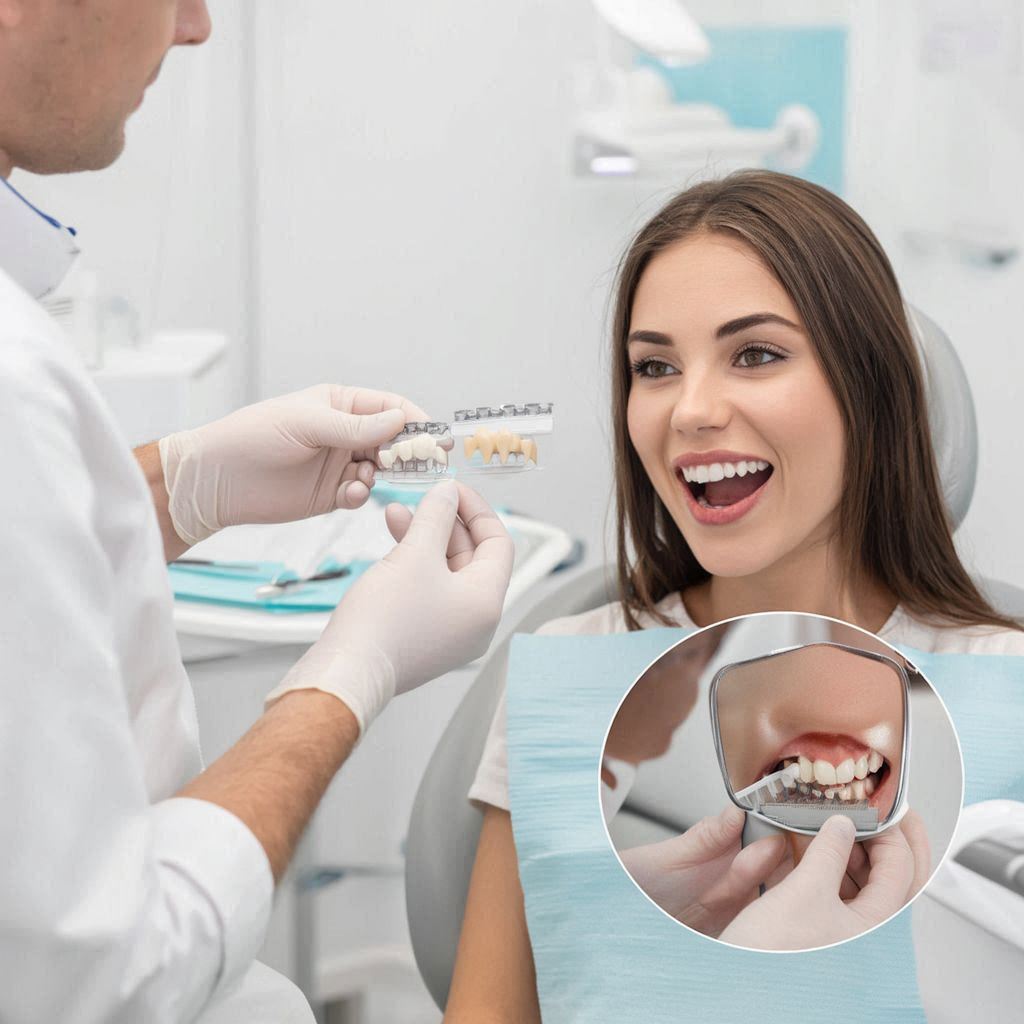
Together, you choose a method. The dentist shows you a wax model or digital smile preview. You approve the shape, length, and angle.
This step is crucial. You can say “shorter” or “more pointed” before any permanent work begins.
Step 3: Preparation (If Needed)
- For contouring: No preparation. You sit down, and the dentist starts reshaping.
- For bonding: The dentist cleans and lightly etches the tooth surface. No drilling for pain—just a mild texture change.
- For veneers: The dentist numbs you and removes about 0.5mm of enamel. You wear temporary fangs for two weeks.
Step 4: Creation and Placement
- Contouring: Done in minutes. You see your new fangs immediately.
- Bonding: Takes 45–90 minutes per tooth. You watch your fangs take shape in real time.
- Veneers: Lab-fabricated. Second visit: the dentist bonds them permanently with a special cement.
Step 5: Bite Adjustment
This is the most important step most people ignore.
The dentist asks you to bite down, slide your jaw side to side, and speak. They check that your new fangs do not:
- Hit your lower front teeth
- Scrape your inner lip
- Click when you talk
They will polish and adjust until everything feels natural.
How Much Does It Really Cost? (Honest Table)
Prices vary by city, dentist experience, and dental clinic reputation. Here is a realistic breakdown for the United States and similar markets.
| Procedure | Low-end clinic | Mid-range cosmetic dentist | High-end specialist |
|---|---|---|---|
| Canine contouring (both teeth) | $150 – $250 | $300 – $500 | $600 – $900 |
| Composite bonding (both fangs) | $400 – $700 | $800 – $1,200 | $1,500 – $2,200 |
| Porcelain veneers (both canines) | $1,200 – $1,800 | $2,000 – $3,500 | $4,000 – $6,000 |
Additional costs to consider:
- Consultation fee: $50 – $150 (sometimes waived if you book treatment)
- X-rays: $50 – $200
- Follow-up polishing (bonding): $50 – $150 every 1–2 years
- Repair if a fang chips: $100 – $300
Important note: Dental insurance usually does not cover cosmetic procedures. However, if your natural canines are damaged or cause bite issues, some reshaping may be partially covered. Ask your dentist to check.
Before and After: What Changes in Your Daily Life
Getting vampire teeth is not just about looking cool. Your mouth functions differently afterward.
Eating and Chewing
With longer or sharper fangs, you may notice:
- Food getting stuck around the fangs more easily
- Slight changes in how you bite into sandwiches or apples
- A learning curve of a few days to a week
What remains normal: You can still eat steak, pizza, pasta, and soft foods without issues.
What to avoid (especially with bonding):
- Biting nails
- Chewing ice
- Opening packages with your teeth
- Hard candies
Speaking
Most people adapt within 48 hours.
You might lisp slightly on “s” and “z” sounds for the first day. Read out loud to yourself for 10 minutes, and your tongue will find its new position.
Oral Hygiene
You clean vampire fangs the same way as normal teeth. Brush twice daily. Floss normally.
For bonding: Avoid whitening toothpaste, which can roughen the resin surface over time.
For veneers: Use a non-abrasive fluoride toothpaste.
Who Is a Good Candidate? (And Who Is Not)
Let us be honest. Not everyone should get vampire fangs.
Good candidates have:
- Healthy gums and no active tooth decay
- Sufficient enamel (for contouring or veneers)
- Realistic expectations (not cartoonishly long fangs)
- A stable bite without severe grinding
Poor candidates include:
- People with bruxism (night grinding) who refuse to wear a night guard
- Teenagers whose jaw is still growing
- Anyone with untreated gum disease
- Those who want 1cm-long fangs (not possible without major damage)
If you grind your teeth, you can still get bonding or veneers. But you must wear a custom night guard. Otherwise, your new fangs will chip or crack within months.
Vampire Teeth vs. Other Pointy Smiles: A Comparison
| Style | Length (above natural canine) | Sharpness | Natural look | Maintenance |
|---|---|---|---|---|
| Subtle vampire | 0.5 – 1 mm | Slightly pointed | Very natural | Low |
| Classic vampire | 1 – 2 mm | Moderately sharp | Noticeable but elegant | Moderate |
| Dramatic fangs | 2 – 3 mm | Very sharp | Clearly altered | High |
| Cosplay/prosthetic | 3 – 5 mm | Extreme | Obviously fake | Temporary only |
Most dentists refuse to go beyond 3 mm for safety reasons. Beyond that, your fangs would interfere with your natural bite and increase fracture risk.
Risks and Downsides You Need to Know
No medical procedure is risk-free. Even a simple reshaping carries potential issues.
Sensitivity. After contouring or veneer preparation, your teeth may feel sensitive to cold drinks or air. This usually fades in 2–4 weeks. Desensitizing toothpaste helps.
Chipping. Composite resin can chip. Porcelain can crack. Even natural enamel can fracture if your fangs are too long and you take a hard blow.
Aesthetic regret. You might decide later that you do not like the vampire look. Bonding can be removed. Contouring cannot. Veneer removal means replacing them with new veneers or crowns.
Bite changes. If your dentist does not adjust properly, you could develop jaw pain, headaches, or uneven tooth wear.
The solution to almost all risks: Choose an experienced cosmetic dentist. Do not go to a general dentist who does one bonding case per year.
Alternatives to Permanent Dental Work
Maybe you are not ready for permanent changes. That is completely fine. Here are realistic alternatives.
Custom-Fitted Removable Fangs
Companies like Scarecrow, Dental Distortions, and FX Smiles offer custom-molded fangs. You take an impression of your teeth at home. They send you prosthetic fangs that clip over your canines.
Pros: Reusable. No drilling. No dentist needed. Cost: $50 – $150.
Cons: Can feel bulky. You cannot eat with them. They last one to two years with careful use.
Snap-On Smile Shells
A removable arch that covers your teeth with vampire shapes. A dentist takes impressions, and a lab fabricates a thin acrylic cover.
Pros: Removable. Non-invasive. Eatable (soft foods only).
Cons: Visible as a cover. Around $500 – $1,500.
High-End Halloween Prosthetics
Professional-grade silicone fangs from brands like Trick or Treat Studios. Glued with dental adhesive.
Pros: Very realistic for events. Cheap ($30 – $80).
Cons: Temporary. Adhesive can damage enamel over repeated use.
How to Find the Right Dentist
Do not just call any dental office. Most general dentists do not promote fang work.
Here is your checklist.
Search for these keywords in your area:
- Cosmetic dentist + “fang” or “canine reshaping”
- Dentist that does “composite bonding character teeth”
- “Vampire teeth dentist near me”
Questions to ask during the consultation:
- How many fang cases have you done?
- Can I see before and after photos?
- What is your policy on adjustments after placement?
- Do you offer a warranty on bonding or veneers?
Red flags to avoid:
- A dentist who says yes to any length without discussing bite mechanics
- No X-rays before contouring
- Prices that seem too good (e.g., $50 bonding per tooth)
- No written treatment plan
A good cosmetic dentist will actually talk you out of going too extreme. That is a green flag.
Maintenance and Long-Term Care
Your vampire teeth can last beautifully for years. Follow these rules.
For composite bonding (most common):
- Get a professional polish every 12–18 months
- Avoid turmeric, red wine, and coffee for the first 48 hours after placement
- Use a straw for staining drinks
- Do not bite your nails or pen caps
For porcelain veneers:
- Wear a night guard if you grind
- Floss carefully around the gumline
- Visit your dentist twice yearly for checkups
For contoured natural teeth:
- Use fluoride toothpaste to reduce sensitivity
- Avoid extreme temperature shocks (hot coffee then ice water)
- Consider a fluoride varnish application yearly
Realistic Timeline from First Call to Final Smile
| Step | Time |
|---|---|
| Research and calls | 1–3 days |
| Consultation and X-rays | 1 hour |
| Waiting for lab work (veneers only) | 2 weeks |
| Procedure appointment | 30 min (contouring) to 2 hours (bonding) |
| Adjustment follow-up (if needed) | 1 week later |
| Full adaptation | 3–7 days |
You can walk into a dentist at 9 AM and walk out with permanent fangs by lunchtime if you choose bonding or contouring.
Frequently Asked Questions (FAQ)
Does getting vampire teeth hurt?
Contouring: No pain. You feel vibration and maybe mild warmth. Bonding: No pain. No injection needed. Veneers: Local anesthesia used. You feel nothing during the procedure. Mild soreness afterward for 24 hours.
Can I eat normally with permanent fangs?
Yes. After a 2–3 day adaptation period, you can eat almost everything. Avoid extremely hard foods (hard candies, bones, shells) with bonding. Natural enamel and veneers handle normal chewing easily.
Will my vampire teeth look fake?
No if done by a skilled cosmetic dentist. They match the color, translucency, and texture of your natural teeth. People will notice something different about your smile but rarely identify it as “dental work.”
Can I remove composite bonding later?
Yes. A dentist can gently polish off the resin, leaving your natural tooth intact. However, the tooth surface underneath may be slightly roughened. It returns to normal with polishing and fluoride.
How long do vampire fangs last?
- Contouring: Lifetime (but natural teeth continue to age)
- Bonding: 5–10 years with good care
- Veneers: 10–20 years
Are there any age restrictions?
Dentists generally wait until age 18–21 when jaw growth is complete. Younger patients often get removable fangs instead.
Can I whiten my teeth after getting fangs?
Whitening gel does not affect composite resin or porcelain. Whiten your teeth before getting bonding or veneers so the dentist can match the color. For contouring, you can whiten normally before or after.
Additional Resource
For a visual gallery of real patient results and a directory of cosmetic dentists who specialize in character smile makeovers, visit the American Academy of Cosmetic Dentistry (AACD) website. Their “Find a Dentist” tool lets you search by procedure type and view verified before-and-after photos.
Conclusion
Getting vampire teeth from a dentist is safe, realistic, and more common than you think. Composite bonding offers the best balance of affordability, reversibility, and natural appearance. Canine contouring is ideal for subtle, permanent changes. Porcelain veneers deliver the highest quality but at a higher cost and commitment. Always choose an experienced cosmetic dentist, discuss your expectations honestly, and plan for simple long-term maintenance. Your dream fangs are absolutely achievable—without horror stories or regret.