Toothbrush for Cleaning Dental Implants
Keeping your smile bright after getting dental implants feels wonderful. You can eat, laugh, and speak with confidence again. But here is a quiet truth many people discover too late: cleaning dental implants is not the same as cleaning natural teeth.
Natural teeth have a ligament that acts like a shock absorber. Implants do not. They connect directly to your bone. That means your cleaning routine needs a small but vital adjustment. The right toothbrush for cleaning dental implants makes all the difference between an implant that lasts thirty years and one that runs into trouble after three.
Let us walk through everything you need to know. No confusing dental jargon. No product pushing. Just honest, practical advice to keep your implants healthy and your gums happy.
Why Your Regular Toothbrush May Harm Your Implants
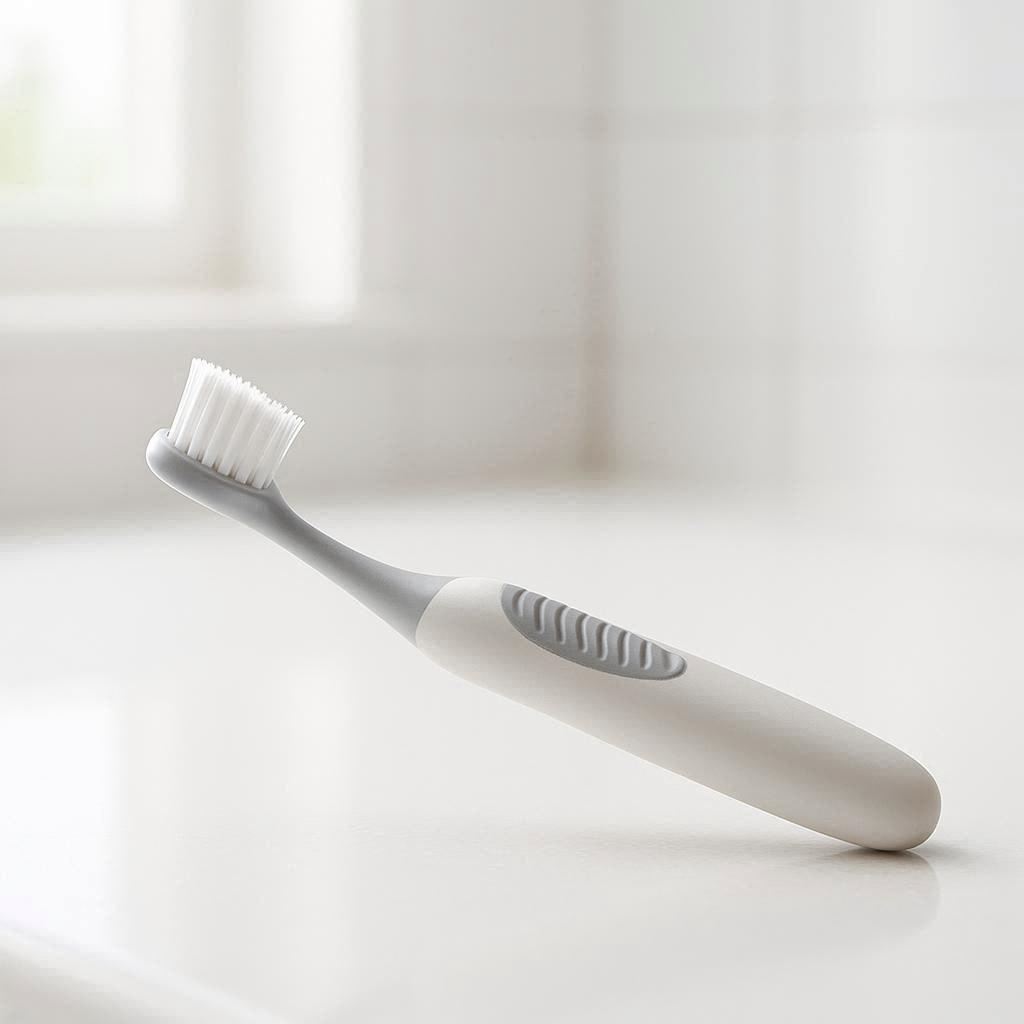
You probably have a favorite toothbrush. Maybe a medium-bristle brush. Perhaps even a firm one because you like that “scrubbed clean” feeling. For natural teeth, that might work fine. For implants, it can be a problem.
Dental implants are strong. The titanium post fuses with your jawbone through a process called osseointegration. That part is tough. What is vulnerable is the abutment and the crown surface. More importantly, your gum tissue around the implant is different.
Unlike natural teeth, implants lack a protective ligament filled with blood vessels and nerves. That ligament normally tells you when you brush too hard. With implants, you lose that biological warning system. You can brush too aggressively without feeling pain until damage appears.
Scratches on implant crowns or exposed abutment surfaces create tiny grooves. Bacteria love these grooves. Over time, this leads to inflammation around the implant. Dentists call this peri-implantitis. It is the leading cause of implant failure.
Using the wrong brush is not just ineffective. It can actively harm your long-term success.
The Hidden Danger of Medium and Hard Bristles
Let me be direct. Medium and hard bristles have no place near dental implants. They scratch titanium abutments. They damage softer crown materials like ceramic or zirconia. They also irritate the delicate gum collar that forms around your implant.
That gum collar is thinner and less resistant than the gum around a natural tooth. Hard bristles push it back, causing recession. Once that gum tissue recedes, it rarely grows back. You end up with exposed metal or darker crown margins showing. Not a pretty look.
Stick to soft or extra-soft bristles only. This is non-negotiable for implant hygiene.
Manual vs. Electric: Which Works Better for Implants?
This is one of the most common questions implant patients ask. Should you buy an expensive electric toothbrush or trust your manual brushing skills?
The honest answer depends on you. Both can work wonderfully. Both can cause damage if used incorrectly. Let me break down the real differences.
| Feature | Manual Toothbrush | Electric Toothbrush |
|---|---|---|
| Control over pressure | High — your hand feels the force | Low to medium — many models lack pressure sensors |
| Risk of over-brushing | Medium — you can still scrub hard | High without sensor; Low with smart sensor |
| Access to tricky areas | Good — small heads available | Better — oscillating heads reach well |
| Built-in timer | No — you must track time | Yes — most stop after 2 minutes |
| Cost | Low | Medium to high |
| Best for implant health | Excellent if technique is correct | Excellent with pressure sensor |
When a Manual Brush Makes Sense
A manual toothbrush gives you complete control. You feel exactly how much pressure you apply. You can angle the brush head precisely around the implant crown. Many implant dentists actually prefer their patients use a high-quality manual brush with extra-soft bristles.
The key is technique. You need to brush gently. No sawing motions. No aggressive scrubbing. Think of brushing an implant like cleaning a ripe tomato. That level of softness.
Look for a manual brush labeled “extra-soft” or “ultra-soft.” Brands like Curaprox, GUM, or Nimbus make excellent options. Replace the brush every three months or sooner if bristles fray. Frayed bristles become abrasive.
When an Electric Brush Helps More
Electric toothbrushes offer consistency. The brush does the motion for you. This helps if you tend to brush too hard or too fast. Many people find electric brushes simply do a better job removing plaque without effort.
However — and this is important — only use an electric brush with a pressure sensor. Many popular models have a light that turns red when you push too hard. Some even slow down or stop the pulsation. This feature is crucial for implant safety.
Avoid rotating-oscillating heads with hard plastic parts that might contact the implant. Stick to soft, rounded bristle heads. Brands like Oral-B offer specific “gentle care” heads. Sonicare has “C3 Premium Plaque Control” heads with soft bristles.
Do not use electric brush heads labeled “whitening” or “deep clean.” These often have harder bristles or rubber polishing cups that can be too abrasive.
The Perfect Brushing Technique for Implants
You can own the best toothbrush in the world. Without proper technique, it will not save your implants. Here is the step-by-step method dentists recommend.
Step One: The 45-Degree Angle
Hold your brush at a 45-degree angle toward the gumline. This allows bristles to gently clean where the implant crown meets your gum. That junction is the most critical spot. Plaque loves to hide there.
Do not point the brush straight at the gum. Do not point it straight at the tooth. Forty-five degrees. That is your sweet spot.
Step Two: Tiny Circular Motions
Forget back-and-forth sawing. That motion damages gum tissue. Instead, use small, gentle circles. Imagine you are polishing a delicate piece of jewelry. Each circle should be about the size of a grain of rice.
Spend about ten circles on each surface of the implant crown. Front, back, and both sides.
Step Three: The Bristle Tip Method
Here is a pro technique most people do not know. Angle your brush so only the very tips of the bristles touch the gumline around the implant. Not the side of the bristles. Just the tips. This delivers a gentle but effective clean without pushing the gum away.
Practice this in front of a mirror. It feels strange at first. After a week, it becomes second nature.
Step Four: Don’t Forget the Abutment Area
If you have a multi-part implant or a crown with a visible metal margin, pay extra attention there. Use the same gentle circles. Some people benefit from an even softer brush just for that area. More on specialty brushes in a moment.
What About Interdental Brushes and Implants?
A toothbrush alone cannot clean between implants and adjacent teeth or between two implants. You need something smaller. Interdental brushes are excellent tools. But again, you must choose carefully.
Standard interdental brushes have a wire core covered in bristles. That wire is often metal. If that metal touches your implant abutment or crown margin, it can scratch. Scratches lead to bacterial buildup.
Look for interdental brushes with a plastic-coated wire. Brands like TePe, GUM, and Curaprox offer these safer options. Choose a size that fits snugly but does not require force to insert. If you have to push, the brush is too large.
Gently insert the brush between the implant and the adjacent tooth. Move it back and forth two or three times. Do not rotate the brush while it is inserted. That twisting motion can scratch.
For people with multiple implants close together, a super-floss or implant-specific floss works better. More on that in the additional resources section.
Three Specialty Brushes for Implant Owners
Beyond your main toothbrush, three specialty brushes can make implant cleaning easier and safer. None of these replace your regular brushing. They complement it.
1. The One-Tuft Brush
This small brush has a tiny head with a pointed tuft of bristles. It looks like a miniature Christmas tree. Its job is to clean hard-to-reach areas. Around implant abutments. Under bridge connectors. Behind the last molar implant.
Use a one-tuft brush once daily. Wet it. Apply no toothpaste. Gently poke and circle it around each implant abutment. This dislodges plaque your regular brush missed.
2. The Implant-Specific Brush with Tapered Bristles
Some brands make brushes specifically designed for implants. These have longer, tapered bristles that are softer at the tips. They reach deeper into the gum pocket around an implant without causing trauma.
Ask your implant dentist for a recommendation. Not all dental supply stores carry these. Online implant care shops usually have them.
3. The Sulcabrush
This is a V-shaped brush designed to clean along the gumline. The bristles are very soft. The shape allows you to clean both sides of an implant crown simultaneously. Some people love it. Others find it awkward. Worth trying if you struggle with the 45-degree angle technique.
Toothpaste Choices for Implant Hygiene
You might think any toothpaste works. Not exactly. Many toothpastes contain ingredients that damage implant components.
Ingredients to Avoid
Baking soda. Too abrasive. It scratches ceramic and zirconia crowns.
Charcoal. Extremely abrasive. Never use charcoal toothpaste on implants.
Whitening pastes with silica. Many whitening toothpastes rely on abrasives to polish stains. These scratch implant surfaces.
Stannous fluoride in high concentration. Some studies suggest this can discolor implant abutments over time.
Safe Toothpaste Options
Look for low-abrasive toothpaste. The Relative Dentin Abrasivity (RDA) value should be below 70. Most standard fluoridated pastes without whitening claims fall into this range.
Good choices include:
- Regular Crest or Colgate (basic, non-whitening versions)
- Sensodyne (original, not the whitening line)
- Tom’s of Maine (gentle formulas)
- Any toothpaste labeled “for sensitive teeth” without whitening
You do not need special “implant toothpaste.” Those are often overpriced marketing products. A simple, low-abrasive fluoride toothpaste works perfectly.
Use only a pea-sized amount. Too much toothpaste creates excess foam. That foam makes it harder to see what you are cleaning.
How Often Should Implant Owners Brush?
Brush your implants at least twice daily. Morning and night. Some dentists recommend brushing after every meal for the first three months after implant placement. That extra attention helps your gums heal and adapt.
Between meals, rinse your mouth with water. Swish vigorously for thirty seconds. This removes loose food particles before they turn into plaque.
Never skip nighttime brushing. Saliva flow drops while you sleep. Bacteria multiply faster in a dry mouth. A thorough evening brushing session is your best defense against peri-implantitis.
Seven Signs Your Brushing Technique Needs Adjustment
Your body gives signals when something is wrong. Watch for these seven signs. If you notice any, change your brushing technique or brush type immediately.
- Bleeding when brushing around an implant. A little bleeding occasionally happens. Regular bleeding means too much pressure or wrong bristles.
- Gum redness only around one implant. This suggests localized trauma from your brush angle.
- A receding gumline showing metal. You are brushing too hard or using bristles that are too firm.
- Bad taste or odor from one implant area. This can indicate trapped bacteria in microscopic scratches.
- Visible scratches on the crown surface. Stop using your current brush immediately.
- Pain or tenderness when brushing. Implants should not hurt. Pain means inflammation or trauma.
- Your brush head wears down in less than one month. You are pressing far too hard.
Important Note for Readers: If you see any of these signs, do not panic. Most implant issues from brushing are reversible if caught early. Schedule a checkup with your implant dentist. Bring your toothbrush with you so they can see exactly what you are using.
The First 90 Days: Special Brushing Instructions
The healing period after implant placement requires extra care. Your gum tissue is forming a collar around the implant. That collar is fragile. Aggressive brushing disrupts healing and can lead to bone loss around the implant.
Days 1 to 14
Do not brush the implant site directly. Use a cotton swab dipped in chlorhexidine rinse (if prescribed) to gently clean the area. Brush your natural teeth normally. Rinse with warm salt water after meals.
Days 15 to 30
Introduce an extra-soft manual brush. Use the bristle tip method only. No pressure. Just the weight of the brush against the gum. Brush once daily around the implant. Continue using a cotton swab for the second cleaning.
Days 31 to 90
You can brush normally with an extra-soft brush. Still use minimal pressure. Add an interdental brush if your dentist approves. Avoid electric brushes until after your three-month checkup.
After 90 Days
You are cleared for your long-term routine. Choose manual or electric with pressure sensor. Add specialty brushes as needed. Keep your follow-up appointments every six to twelve months.
What Dentists Wish You Knew About Implant Brushes
I spoke with several implant dentists while researching this guide. Here is what they want every implant patient to understand.
“The number one mistake I see is people using the same brush they used before implants. They don’t realize how different the tissues are. Switch to soft bristles immediately after implant placement. Not later. Immediately.”
— Dr. Sarah Chen, prosthodontist
“I tell my patients to think of their implant gumline as a cashmere sweater. You wouldn’t scrub a cashmere sweater with a stiff brush. Same principle applies here.”
— Dr. Michael Torres, periodontist
“Electric toothbrushes are fine. But I’ve seen more implant damage from electric brushes than manual ones. The pressure sensor is essential. If your electric brush doesn’t have one, throw it away.”
— Dr. James Okonkwo, implant surgeon
Building Your Complete Implant Care Kit
Your toothbrush is the star of your implant hygiene routine. But it works best with supporting tools. Here is a complete kit for optimal implant health.
- Primary brush: Extra-soft manual or electric with pressure sensor
- Secondary brush: One-tuft brush for abutments
- Interdental cleaner: Plastic-coated wire brushes in two sizes
- Floss: Super-floss with a stiff end for threading
- Toothpaste: Low-abrasive, non-whitening fluoride paste
- Mouth rinse: Alcohol-free, antibacterial (used 2-3 times weekly, not daily)
- Mirror: Magnifying dental mirror to inspect your work
Total cost for a basic kit: $25 to $40 for manual brush items. $80 to $150 if you choose an electric brush with pressure sensor.
Replace your main toothbrush every three months. Replace interdental brushes when bristles look bent or frayed. Replace your one-tuft brush monthly because it sees heavy use on small areas.
Common Brushing Myths That Put Implants at Risk
Let me clear up some dangerous misinformation circulating online.
Myth: Harder brushing cleans better.
False. With implants, gentler cleaning is more effective. Hard brushing damages tissue and creates scratches where bacteria hide.
Myth: You need an implant-specific expensive brush.
False. A quality extra-soft brush works perfectly. Specialty brushes help but are not mandatory.
Myth: Water flossers replace toothbrushes for implants.
False. Water flossers are excellent additions. They do not remove biofilm the way bristles do. Use both.
Myth: Children’s toothbrushes are gentler on implants.
Mostly false. Children’s brushes have smaller heads but often use medium bristles. Check the label. Only use if labeled soft or extra-soft.
Myth: You should brush implants harder to prevent bone loss.
Dangerously false. Aggressive brushing accelerates bone loss by irritating the gum attachment.
Traveling with Implants: Maintaining Your Routine
Travel disrupts habits. Do not let it disrupt your implant cleaning. Pack a travel kit with these items:
- Your regular extra-soft brush (not a hotel brush)
- Small tube of low-abrasive toothpaste
- Travel-sized interdental brushes
- A plastic cup for rinsing
Hotel brushes are universally medium or hard bristles. Never use them on implants. Bring your own even for overnight trips.
If you forget your brush, improvise safely. Wrap a clean washcloth around your finger. Add a tiny amount of toothpaste. Gently wipe each implant surface. This is not ideal but beats using a damaging hotel brush.
Flying with implants requires no special consideration. Cabin pressure changes do not affect them. Brush normally during layovers in airport bathrooms.
When to See Your Dentist About Brushing Issues
Regular six-month checkups are standard for implant patients. But sometimes you need to go sooner. Schedule an appointment if:
- Bleeding continues for more than one week after you switch to softer brushing
- You notice new spaces opening between implants and adjacent teeth
- Your implant feels slightly loose (rare, but serious)
- You develop a pimple-like bump on your gum near an implant
- Brushing becomes painful despite using correct technique
Do not wait for your next scheduled visit. These signs can indicate peri-implantitis. Early treatment is simpler and less expensive than treating advanced disease.
Your dentist can check your brushing technique during these visits. Many offer a “brush-in” appointment. You bring your toothbrush. You show them how you brush. They offer real-time corrections. This fifteen-minute appointment saves years of implant problems.
The Relationship Between Brushing and Implant Longevity
Research consistently shows that implant longevity depends more on home care than on the implant itself. A well-placed implant with excellent home care lasts thirty years or more. A perfectly placed implant with poor hygiene fails within five to eight years.
Your toothbrush is your most powerful tool for preventing implant failure. Not mouthwash. Not supplements. Not special diets. Just consistent, gentle, thorough brushing with the right tool.
Think of brushing your implants like brushing a classic car. You would never use a wire brush on vintage paint. You use soft cloths and gentle pressure. Same philosophy. These implants are an investment. Protect that investment with the right brush.
Frequently Asked Questions
Can I use an ultrasonic toothbrush on dental implants?
Yes, ultrasonic toothbrushes are safe for implants. They use high-frequency vibrations rather than scrubbing motion. Choose a model with soft bristles and a pressure sensor. Sonicare is a popular ultrasonic brand that works well for implant patients.
How do I clean under a fixed implant bridge?
You cannot reach under a fixed bridge with a standard toothbrush. Use super-floss with a stiff end to thread underneath. Follow with a water flosser on low pressure. Some people also use a bridge brush — a small, tapered brush designed specifically for this purpose.
Is baking soda safe for cleaning implant crowns?
No. Baking soda is too abrasive. It creates microscopic scratches on ceramic and zirconia crowns. Those scratches collect bacteria and are impossible to remove. Stick to low-abrasive fluoride toothpaste.
My implant crown feels rough when I brush. Is that normal?
No. Implant crowns should feel smooth. Roughness suggests either plaque buildup or surface damage from abrasive brushing. See your dentist for an evaluation. They may polish the crown smooth again.
Can I use a rotating electric brush like Oral-B on implants?
Yes, with caution. Use only the “gentle care” or “sensitive” brush heads. Avoid “cross action” or “whitening” heads. Set the brush to its gentlest mode if available. Always use the pressure sensor.
How will I know if I am brushing too hard?
Look at your brush bristles after three months. If they look crushed, splayed, or bent sideways, you are brushing too hard. Healthy bristles after three months should still stand mostly upright with only slight bending at the tips.
Do water flossers replace interdental brushes for implants?
No. Water flossers are excellent additions but do not replace mechanical cleaning. Biofilm adheres firmly to implant surfaces. Water alone does not remove it completely. Use both: water flosser for general rinsing, interdental brushes for targeted cleaning.
What about bamboo toothbrushes for implants?
Bamboo brushes are fine if they have extra-soft bristles. Many bamboo brushes use medium bristles by default. Check the packaging carefully. Also note that bamboo handles can harbor bacteria if not dried properly between uses.
Additional Resource
For a complete guide on interdental cleaning tools safe for implants, including detailed product recommendations and video demonstrations of proper technique, visit the American Dental Association’s patient education page on implant hygiene:
www.ada.org/en/resources/ada-library/oral-health-topics/dental-implants
This resource is regularly updated with evidence-based recommendations.
Conclusion
Choosing the right toothbrush for cleaning dental implants means prioritizing soft bristles, gentle pressure, and consistent technique over aggressive scrubbing. Your implants do not need hard brushing — they need smart, careful cleaning that protects the delicate gum collar and avoids scratching the crown surface. Stick with extra-soft bristles, manual or electric with a pressure sensor, and you can expect your implants to serve you well for decades.