All On 4 Dental Implants Zirconia
Losing most or all of your teeth can feel overwhelming. You might feel self-conscious when you smile. Eating your favorite foods can become a challenge. Speaking clearly might even feel different.
Modern dentistry offers a powerful solution. You have probably heard about the All-on-4 treatment concept. This technique replaces a full arch of teeth using just four dental implants. But what about the material on top? That is where zirconia comes into play.
This guide walks you through everything you need to know about combining the All-on-4 technique with a zirconia bridge. We will look at the benefits, the costs, the recovery, and the alternatives. The goal is to give you realistic, helpful information so you can make a confident decision.
What Exactly Is the All-on-4 Concept?
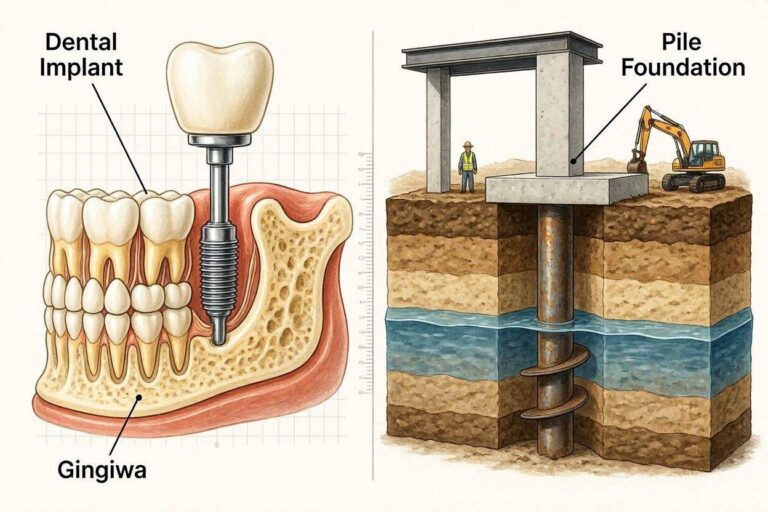
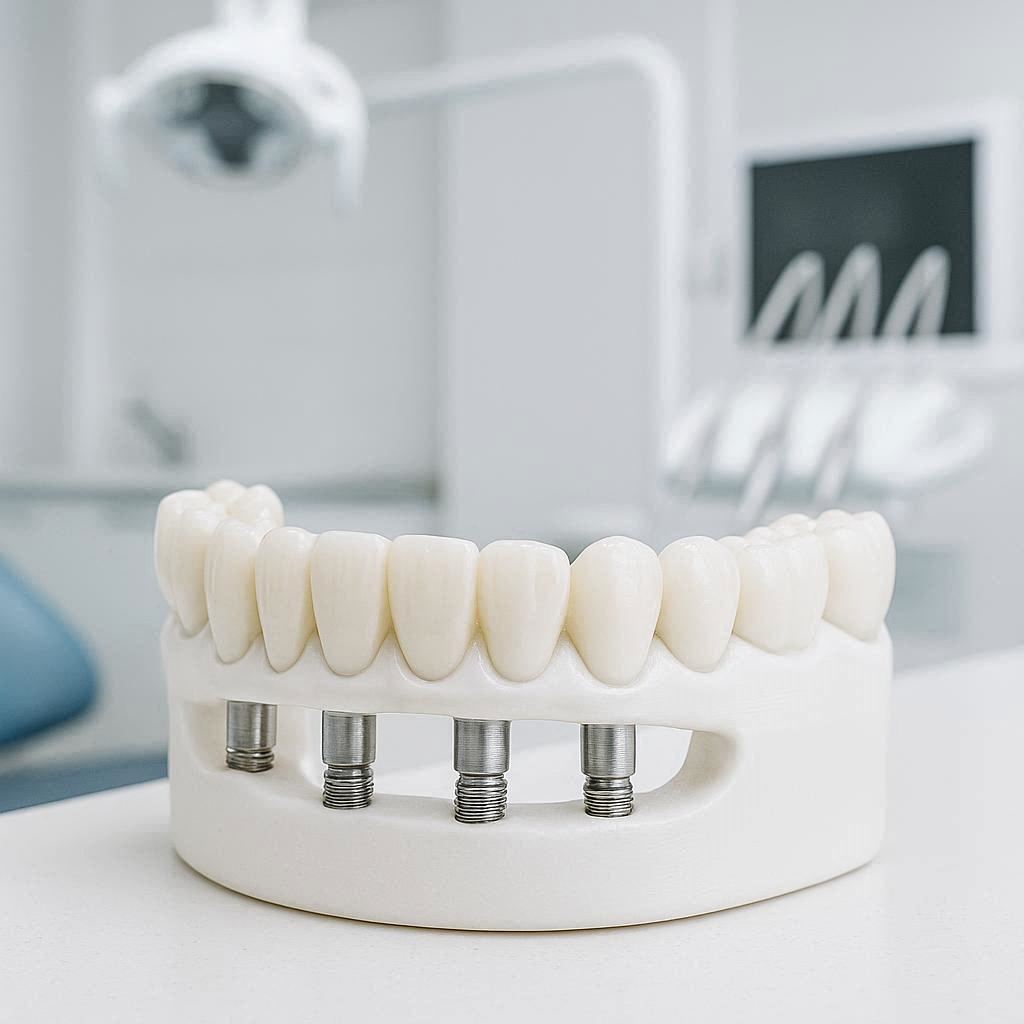
The All-on-4 technique is not a product. It is a surgical protocol. A dentist places four titanium implants into your jawbone. These implants act like artificial tooth roots.
The magic lies in the angles. The two back implants are tilted. They go in at a 30 to 45-degree angle. This tilt avoids important anatomical structures. Think of your sinus cavities in the upper jaw. Think of the nerve canal in the lower jaw. By tilting the implants, the dentist uses the best available bone.
These four implants then support a fixed bridge. You do not remove this bridge. It stays in your mouth permanently. You care for it like natural teeth, although the cleaning routine is slightly different.
Who Is a Good Candidate?
You might be a candidate if you are missing all or most of your teeth on one arch (upper or lower). Many people choose All-on-4 because they have bone loss. Traditional implants might require bone grafting first. The All-on-4 concept often bypasses that need.
Good candidates generally have:
- Sufficient bone volume in the front of the jaw.
- Healthy gums (free from active periodontal disease).
- Realistic expectations about the process and recovery.
- A commitment to good oral hygiene.
Even if you wear dentures now, you can likely transition to All-on-4. In many cases, you walk out the same day with a temporary set of teeth.
Why Zirconia? Understanding the Material
For many years, the teeth part of the All-on-4 bridge was made of acrylic or PMMA (a type of plastic). These materials work well for temporary bridges. They are lightweight and easy to adjust. However, they stain over time. They can chip. They do not feel completely natural.
Enter zirconia. Zirconia is a ceramic material. It is incredibly strong. Some people call it “ceramic steel.” It is biocompatible, meaning your body accepts it well. It does not cause allergic reactions in the vast majority of patients.
Zirconia vs. Acrylic: A Quick Comparison
Let us look at how these two materials stack up.
| Feature | Zirconia Bridge | Acrylic (PMMA) Bridge |
|---|---|---|
| Strength | Extremely high. Resists chipping. | Moderate. Can chip or crack. |
| Staining | Does not stain. Resists coffee, tea, wine. | Stains easily over time. |
| Wear on opposing teeth | Can wear natural teeth if not polished well. | Gentle on natural teeth. |
| Weight | Heavier. | Lightweight. |
| Repairability | Difficult to repair intraorally. | Easier to repair or reline. |
| Aesthetics | Translucent like natural enamel. | Can look opaque or too perfect. |
| Cost | Higher. | Lower. |
Note for readers: A full zirconia bridge is a premium product. It requires a skilled dental technician. The final result looks very close to natural teeth, but it is not unbreakable. Extreme force (like grinding your teeth severely) can damage it.
The Two Types of Zirconia Bridges
Not all zirconia bridges are the same. You will likely hear two terms:
- Full-contour zirconia: The entire bridge is made from one block of high-strength zirconia. It is monolithic (one piece). This type is very strong and resistant to chipping. It is an excellent choice for the lower jaw where biting forces are high.
- Layered zirconia: A strong zirconia frame supports layers of more aesthetic ceramic on top. This looks more natural. It has better translucency. However, the layered ceramic can chip off over time. Many experts now prefer high-translucency full-contour zirconia for the best balance of beauty and strength.
The Complete Procedure: From Consultation to Final Smile
Understanding the timeline helps reduce anxiety. The process takes several months. There are distinct phases. Every case is unique, but the general flow remains the same.
Phase 1: The Initial Consultation and Planning
This is the most important step. Your dentist will take a CT scan (3D X-ray). This scan shows the bone volume, bone density, and the location of nerves and sinuses.
The dentist uses special software to plan the implant positions virtually. They decide the exact angle for each of the four implants. This digital planning makes the surgery more predictable.
You will also discuss the final material. Do you want zirconia or acrylic? The dentist will explain what they recommend for your specific bite and budget.
Phase 2: The Surgery Day
The procedure is typically done under local anesthesia. Many patients also choose sedation (like IV sedation) for comfort. You will be asleep or very relaxed.
The steps are as follows:
- Extractions: Any remaining teeth are removed gently.
- Implant placement: The dentist places the four titanium implants according to the digital plan.
- Healing abutments: Small connectors are attached to the implants.
- Attachment of temporary bridge: A pre-made acrylic (or reinforced PMMA) bridge is screwed onto the implants. This temporary bridge is functional. You can eat soft foods immediately.
You leave the dental office that same day with a fixed set of teeth. They are not your final zirconia teeth. They are your healing teeth.
Phase 3: The Healing Period (Osseointegration)
This phase lasts between four to six months. During this time, your jawbone grows tightly around the titanium implants. This process is called osseointegration. It is the foundation of a successful implant.
You will wear your temporary acrylic bridge during this time. You must eat a soft-to-medium diet. Avoid very hard, sticky, or crunchy foods. You will also learn how to clean under and around the temporary bridge.
Phase 4: Final Zirconia Bridge Fabrication
Once the implants are fully integrated, your dentist will take new impressions. They send these to a dental laboratory. A skilled technician designs your custom zirconia bridge.
The bridge is milled from a solid block of zirconia. It is then sintered (hardened in a furnace at very high temperatures). The technician adds staining and glaze to match your natural gum color and the neighboring teeth.
This process takes two to four weeks. In some cases, the dentist can convert your temporary bridge to a final zirconia bridge in one day using advanced milling machines (same-day zirconia). This is not yet available in all clinics.
Phase 5: Final Placement and Adjustment
Your dentist removes the temporary bridge. They clean the implant abutments. Then, they screw your new zirconia bridge into place. They check your bite. They ensure you can speak and smile comfortably.
The bridge is cemented or screwed in permanently. Most modern All-on-4 zirconia bridges are screw-retained. This is important because it allows the dentist to remove the bridge in the future if repairs or maintenance are needed.
Congratulations. You now have a fixed, beautiful, and functional set of teeth.
Advantages of Choosing Zirconia for All-on-4
Why go through the extra expense of zirconia? The benefits are significant for the right patient.
Unmatched Aesthetics and Natural Feel
Zirconia has a natural translucency. Light passes through it similarly to natural enamel. Acrylic can look flat or unnaturally white. A high-quality zirconia bridge blends seamlessly with any remaining natural teeth. Your gums also respond well to zirconia. It rarely causes inflammation or allergic reactions.
Incredible Durability and Stain Resistance
Do you love coffee, tea, or red wine? With acrylic, you would need to clean your bridge immediately to avoid stains. Zirconia resists stains completely. Your smile stays bright for years. Zirconia is also very resistant to chipping. It can withstand the normal forces of chewing. For patients who grind their teeth (bruxism), zirconia is often the better choice over acrylic.
Biocompatibility and Gum Health
Your gum tissue attaches to zirconia better than to acrylic. This means less food trap and fewer odors. Zirconia does not harbor bacteria on its surface as easily as acrylic or metal. This can lead to healthier gums around your implants over the long term.
Disadvantages and Realistic Considerations
Honesty is crucial. Zirconia is not perfect for everyone. Here are the real drawbacks.
Higher Initial Cost
There is no way around it. A zirconia bridge costs significantly more than an acrylic bridge. The material itself is expensive. The laboratory work requires a highly skilled technician. The milling machines are costly. You might pay 30% to 50% more for a full zirconia bridge compared to a high-quality acrylic option.
Weight and Bulk
Zirconia is heavy. A full-arch zirconia bridge can feel bulky in your mouth at first. Most patients adapt within a week or two. However, if you have a very shallow palate or a small mouth, your dentist might recommend a hybrid solution (zirconia teeth with a lighter frame).
Difficulty of Repair
Imagine you bite into an olive pit and chip your zirconia bridge. This is rare, but it can happen. Repairing zirconia inside the mouth is very difficult. You usually need to send the entire bridge back to the laboratory. This means you would be without teeth for several weeks. Your dentist would need to make a temporary bridge for you. Acrylic, by contrast, can often be repaired chairside in one hour.
Potential Wear on Opposing Teeth
If your zirconia bridge opposes natural teeth, it can wear down the natural enamel over many years. A skilled dentist will polish the zirconia to a very smooth surface to minimize this. If your opposing arch is also an implant bridge, this is not a concern.
Cost Breakdown: What Should You Expect?
Pricing varies widely based on location, dentist expertise, and laboratory quality. Do not shop for the cheapest option. Implant treatment is complex. A failed All-on-4 case is expensive and painful to fix.
Here is a realistic range for one arch (upper or lower) in the United States, Canada, UK, or Australia.
| Treatment Type | Price Range (USD) | Includes |
|---|---|---|
| All-on-4 with Acrylic (PMMA) bridge | $15,000 – $25,000 | 4 implants, temporary bridge, final acrylic bridge, surgery, basic lab fees. |
| All-on-4 with Zirconia bridge | $25,000 – $45,000+ | 4 implants, temporary bridge, final high-grade zirconia bridge, surgery, advanced lab fees. |
| All-on-4 with Premium Zirconia (multi-layered) | $35,000 – $60,000+ | Same as above, plus a top technician, lifetime warranty on the bridge (sometimes), and advanced aesthetics. |
Important note: These prices often exclude extractions, sedation, temporary dentures during healing (if needed), and bone grafting (rare with All-on-4 but possible). Always ask for an itemized treatment plan.
Does Insurance Cover This?
Most dental insurance plans do not cover the full cost of All-on-4. However, they may cover part of the extractions or diagnostic X-rays. Some medical plans may contribute if tooth loss is due to an accident or a medical condition like cancer.
Many dental offices offer payment plans through third-party financiers like CareCredit, Lending Club, or PatientFi.
Caring for Your Zirconia All-on-4 Bridge
You have invested a lot. Proper care ensures your bridge lasts 15, 20, or even 30 years. The implants themselves can last a lifetime with good maintenance.
Daily Cleaning Routine
You cannot simply brush this bridge like natural teeth. Food and bacteria can get under the bridge. You need special tools.
- Water flosser (Waterpik): Use this daily. Aim the tip along the gum line and between the bridge and your gums. This flushes out debris.
- Superfloss or implant floss: This floss has a stiff end to thread under the bridge. You wrap it around the abutments to clean the sides of the implants.
- Interdental brushes: Small brushes that fit under the bridge. Your dentist will show you the correct size.
- Soft toothbrush: Brush the top and sides of the bridge like natural teeth. Use a non-abrasive toothpaste. Avoid whitening toothpastes that contain harsh grit.
Foods to Avoid
Even with strong zirconia, certain foods pose a risk.
- Hard candies and ice: Do not chew these. They can crack zirconia.
- Bones and shells: Be careful with chicken wings, ribs, and shellfish.
- Sticky candies: Caramels and taffy can pull at the bridge.
- Extremely hard breads: Like hardtack or very crunchy baguettes.
You can eat almost everything else. Steak, apples, nuts (if chewed carefully), and raw vegetables are generally fine.
Regular Dental Visits
You must see your dentist every six to twelve months. They will remove the bridge (if it is screw-retained) to inspect the implants and abutments underneath. They will clean the area thoroughly. They will check for any cracks in the zirconia.
Alternatives to All-on-4 Zirconia
The All-on-4 zirconia solution is excellent, but it is not the only path.
Traditional Full Dentures
- Pros: Lowest cost. No surgery required.
- Cons: Unstable. Can cause sores. Affects taste and speech. Bone loss continues over time.
- Best for: Patients who cannot undergo surgery or have very limited budgets.
Implant-Supported Overdentures
This uses 2 to 4 implants to snap a denture in place. You remove the denture for cleaning.
- Pros: More stable than regular dentures. Lower cost than All-on-4. Easier to clean.
- Cons: The denture can still rock. Less comfortable than a fixed bridge. Plastic teeth wear down.
- Best for: Patients who want better retention than a denture but cannot afford a fixed bridge.
All-on-4 with Acrylic (PMMA)
This is the same surgical procedure, but the final teeth are made of high-density acrylic.
- Pros: Lighter weight. Easier to repair. Lower cost. Gentle on opposing teeth.
- Cons: Stains over time. Needs replacement every 3-7 years. Less aesthetic in the long run.
- Best for: Patients on a tighter budget who do not mind replacing the bridge every few years.
Traditional Individual Implants
You could place 6 to 8 individual implants and put a separate crown on each.
- Pros: Easier to clean between teeth. Individual crowns can be repaired separately.
- Cons: Much higher cost. Requires more bone. Longer treatment time. Often not possible in severe bone loss cases.
Common Questions and Myths
Let us clear up some confusion you might encounter online.
Myth: Zirconia is metal-free, so it is better for allergies.
Fact: Titanium implants contain metal. Very few people are allergic to titanium. If you have a confirmed metal allergy, there are zirconia implants (ceramic implants), but they are not typically used for the All-on-4 technique. Discuss this with your dentist.
Myth: The All-on-4 procedure is painful.
Fact: The surgery itself is painless due to anesthesia. Afterward, most patients report mild to moderate discomfort, similar to a tooth extraction. It is well-managed with over-the-counter pain medication.
Myth: A zirconia bridge will last forever.
Fact: Nothing in dentistry lasts forever. With perfect care, a zirconia bridge can last 15-20 years or more. The implants can last a lifetime. The bridge may eventually need replacement due to wear or fracture.
Myth: You can eat anything with zirconia implants.
Fact: Almost anything, yes. But you should still avoid the hard and sticky foods listed above. Common sense prevails.
How to Choose the Right Dentist for Your All-on-4 Zirconia
This is the most critical decision. Not every dentist places All-on-4 implants. Fewer have experience with full-arch zirconia.
Look for these qualifications:
- Advanced training: The dentist should have completed hundreds of hours of continuing education in implantology. Look for credentials like Diplomate of the American Board of Oral Implantology (ABOI) or fellowship in the International Congress of Oral Implantologists (ICOI).
- Experience with zirconia: Ask to see before-and-after photos of zirconia cases specifically. Acrylic cases look different. Ask how many zirconia full-arch bridges they have placed.
- In-house laboratory or top-tier external lab: Same-day zirconia is rare. But the dentist should work with a master ceramist who specializes in implant prosthetics.
- Transparent warranty: A good dentist will offer a warranty on the implants (often 5 years to lifetime) and the zirconia bridge (1 to 10 years). Read the fine print.
- Patient reviews: Look for reviews that mention the final result, the healing process, and the support staff.
The Psychological Impact of Fixed Teeth
This is a point many guides miss. The shift from missing teeth or uncomfortable dentures to a fixed zirconia bridge is life-changing.
Patients often report:
- Increased confidence: You smile without hesitation. You laugh without covering your mouth.
- Better nutrition: You eat salads, nuts, and fruits again. Your overall health improves.
- Improved speech: No more clicking dentures or slurred words.
- Mental peace: You stop worrying about your teeth falling out or looking bad.
The initial investment feels large. But the return on quality of life is immeasurable for most people.
A Step-by-Step Timeline Example
To make this very concrete, here is a realistic timeline for a patient getting All-on-4 zirconia on the upper arch.
| Time | Event |
|---|---|
| Week 1 | Consultation, CT scan, digital planning, financial agreement. |
| Week 2 | Surgery day. Extractions, 4 implants placed, temporary acrylic bridge attached. |
| Week 2 to Week 24 | Healing period. Soft diet. Regular check-ups to monitor healing. |
| Week 24 | Impressions taken for final zirconia bridge. |
| Week 25 | Try-in of the wax model or zirconia framework (optional). |
| Week 26 to 28 | Final zirconia bridge is fabricated at the lab. |
| Week 28 | Final placement appointment. Temporary bridge removed. Zirconia bridge screwed in. Bite adjusted. |
| Week 30 | Follow-up to check hygiene and comfort. |
Reader note: Some clinics offer a “teeth in a day” solution with a final zirconia bridge. This is usually a pre-milled bridge that is adjusted. For the highest quality and best fit, a multi-week lab fabrication is superior.
Potential Complications and How to Avoid Them
Being informed means knowing what can go wrong. Complications are rare with a skilled dentist, but they exist.
Peri-Implantitis
This is an infection around the implant. It is similar to gum disease. It causes bone loss. You can prevent it with excellent daily cleaning and regular professional maintenance. Smoking dramatically increases your risk.
Mechanical Failure
The zirconia bridge can crack. The screws holding the bridge can loosen. Your dentist will check the torque on the screws at every visit. If you feel your bridge moving, call your dentist immediately. Do not wait.
Nerve Injury
This is very rare with All-on-4 because the posterior implants are tilted away from the inferior alveolar nerve. A CT scan and surgical guide make this risk extremely low. However, temporary numbness in the lip or chin can occur. It almost always resolves over time.
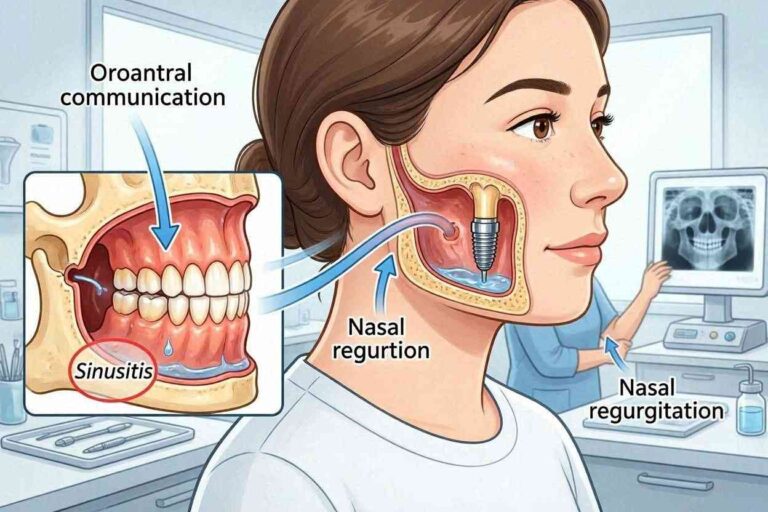
Sinus Issues
For upper arch implants, the tilted implants are placed in front of the sinus. This avoids perforation. If a sinus communication does occur, it can usually be repaired with medication and rest.
Conclusion
All-on-4 dental implants with a zirconia bridge offer a powerful, long-lasting solution for people missing all or most of their teeth. The combination provides the stability of titanium implants with the natural beauty and durability of high-grade ceramic. While the upfront cost is higher than acrylic or dentures, the stain resistance, longevity, and lifelike aesthetics make zirconia a worthwhile investment for the right candidate. Success depends on choosing an experienced dentist, committing to meticulous daily hygiene, and attending regular maintenance visits.
Frequently Asked Questions (FAQ)
1. How long do All-on-4 zirconia implants last?
The titanium implants can last a lifetime with proper care. The zirconia bridge itself typically lasts 15 to 20 years or more before it might need replacement due to wear or fracture.
2. Can I get All-on-4 on both upper and lower jaws at the same time?
Yes. Many patients do both arches in one surgery. This is called “full mouth reconstruction.” Recovery is more intense, but the result is a completely fixed, beautiful smile.
3. Is zirconia stronger than my natural teeth?
Yes, zirconia is significantly harder and stronger than natural enamel. This is good for durability, but it means the zirconia can wear down natural teeth if they oppose it. Your dentist will check your bite carefully.
4. Will my zirconia bridge look fake?
No. A high-quality, multi-layered zirconia bridge from a skilled technician looks very natural. It has translucency and color gradients that mimic real teeth. Avoid cheap, one-shade zirconia.
5. Can I whiten my zirconia bridge?
No. Zirconia does not whiten with bleaching products. The good news is that it also does not stain. The color you receive is the color you keep. Make sure you approve the shade before final placement.
6. What happens if I break my zirconia bridge?
Contact your dentist immediately. They will assess the damage. Minor chips can sometimes be polished. Larger cracks usually require the bridge to be sent to the lab for a new one. You will wear a temporary bridge during that time.
7. Is the All-on-4 procedure covered by medical insurance?
Rarely. Some medical plans cover extractions if they are medically necessary. Dental insurance typically covers a small portion (e.g., $1,000-$2,000). Most patients pay out-of-pocket or use financing.
8. Can I smoke with All-on-4 zirconia implants?
Smoking is strongly discouraged. Nicotine reduces blood flow to the gums, increasing the risk of implant failure and peri-implantitis. If you smoke, your long-term success rate drops significantly.
Additional Resource
For a deeper look into patient experiences, clinical studies, and to find a certified prosthodontist near you, visit the American College of Prosthodontists (ACP) patient education page.
*Link: www.gotoapro.org (Search for “All-on-4” or “Fixed Implant Bridge”)*