How Long Is Dental Implant Surgery
If you are missing a tooth, or several teeth, you have probably heard that dental implants are the gold standard for replacement. They look natural, feel strong, and can last a lifetime. But one question almost always comes up first: how long does the actual surgery take?
It is a fair concern. You have a busy life. You need to plan time off work, arrange a ride, and prepare your family. The good news is that the answer is more straightforward than you might think.
The length of dental implant surgery depends on several key factors. Are you replacing one single tooth? Do you need extractions first? Are you getting sedation? In this guide, we will break down every scenario. You will get realistic timeframes, step-by-step explanations, and honest advice to help you plan your treatment with confidence.
Let’s start with the short answer, then dive into the details.
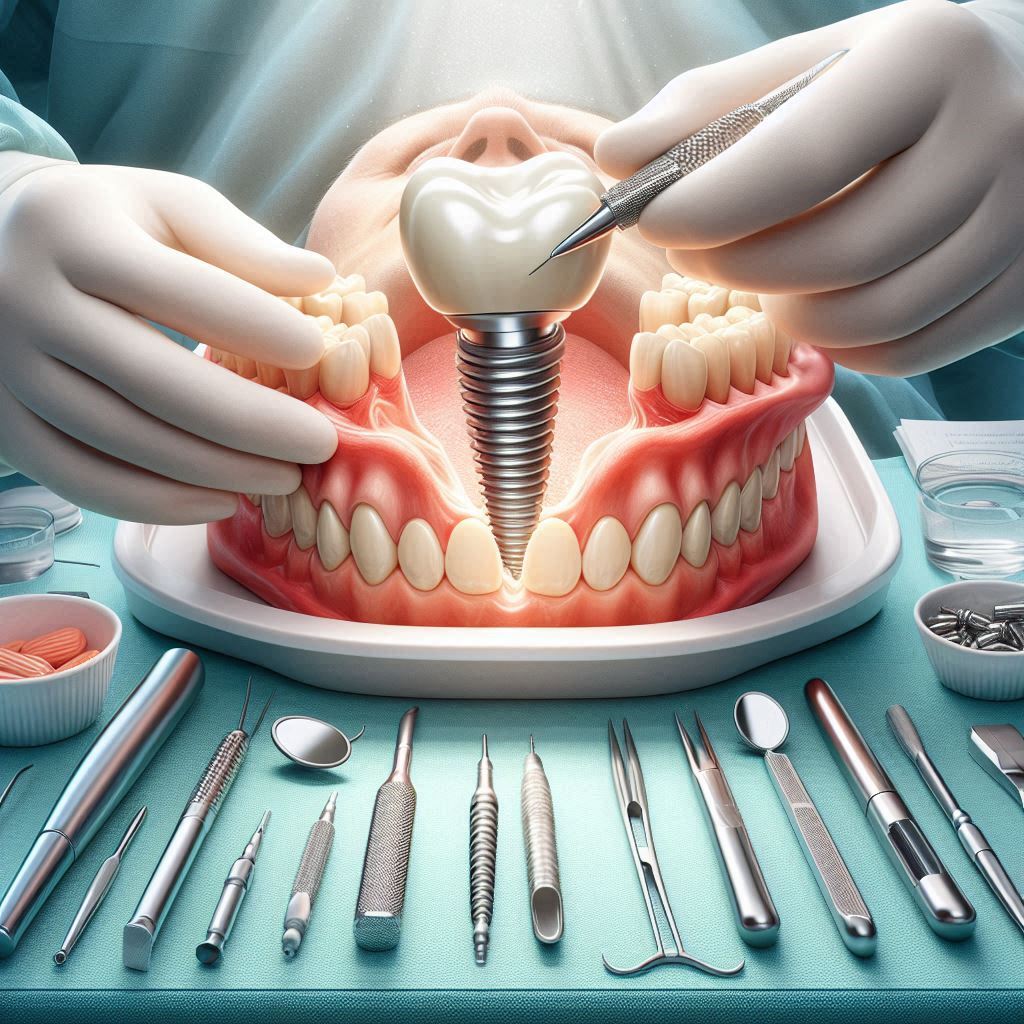
The Short Answer: From One Hour to Several Sessions
For a straightforward single-tooth implant, the surgical placement itself usually takes 30 to 60 minutes. That is the time you spend in the dental chair with the surgeon actively working.
But here is something many people misunderstand. The surgery is only one part of the process. The entire implant journey—from your first consultation to biting into an apple—takes several months. That is because your jawbone needs time to heal and fuse with the implant. This process is called osseointegration, and it cannot be rushed.
So, when someone asks “how long is dental implant surgery,” they often mean two different things:
- The clock time of the procedure.
- The overall treatment timeline.
We will cover both in depth.
Important note: Every mouth is different. The times below are averages based on typical clinical practice. Your specific situation may vary. Always trust your dentist’s personalized treatment plan.
Understanding the Two Timelines: Procedure vs. Healing
Before we look at tables and numbers, let us clarify a crucial distinction.
The Surgical Chair Time (Active Procedure)
This is the actual time the oral surgeon or periodontist spends placing the implant into your bone. It includes numbing, making the incision, drilling the osteotomy (the hole for the implant), placing the screw, and applying the healing cap. For a single implant, this is rarely more than an hour.
The Overall Treatment Timeline
This runs from your first exam to the day you receive your final crown. It includes:
- Consultation and imaging.
- Possible bone grafting (if your jawbone is too thin).
- Implant placement surgery.
- Osseointegration (3 to 6 months of healing).
- Abutment placement (a small connector).
- Crown fabrication and fitting.
Most people are surprised to learn that the surgery is the shortest part of the journey. The healing is where patience pays off.
Average Surgery Times by Case Type
To give you a clear answer, here is a breakdown based on how many implants you need and what else is happening in your mouth.
| Case Type | Average Surgery Time | Notes |
|---|---|---|
| Single tooth implant (no extraction) | 30 – 60 minutes | Simple case, healthy bone. |
| Single tooth implant with extraction | 45 – 90 minutes | The surgeon removes the damaged tooth first. |
| Two to three adjacent implants | 60 – 90 minutes | More drilling and placement steps. |
| Full arch (All-on-4 or All-on-6) | 2 – 3 hours | Four to six implants placed strategically. |
| Full mouth (both arches) | 3 – 4.5 hours | Often split into two separate appointments. |
| Implant with bone grafting | Add 30 – 60 minutes | Grafting extends the procedure time. |
| Implant with sinus lift | Add 45 – 75 minutes | Required for upper back molars. |
These times reflect the active surgical phase. They assume no unexpected complications. A skilled and experienced surgeon works efficiently but never rushes. Quality and safety always come first.
A Minute-by-Minute Walkthrough: Single Implant Surgery
Let us walk through what happens during a typical 45-minute single implant placement. This will help you understand why each minute matters.
Minutes 1-5: Setup and Numbing
You settle into the chair. The surgeon reviews your chart one last time. Then they apply topical anesthetic before injecting a local numbing agent. You should feel pressure but not sharp pain. If you feel anxious, let your dentist know. Many offer nitrous oxide (laughing gas) or oral sedation.
Minutes 5-10: Incision and Exposing the Bone
Once you are completely numb, the surgeon makes a small incision in your gum tissue. They gently peel back a flap to expose the jawbone underneath. This step is precise to avoid damaging nearby nerves or teeth.
Minutes 10-25: Drilling the Osteotomy
This is the most technical part. Using a series of progressively wider drills, the surgeon creates a hole in the bone that matches the exact size and shape of your implant. They constantly irrigate with sterile saline to keep the bone cool. Overheating can damage bone cells and prevent healing.
Minutes 25-35: Placing the Implant
The titanium implant (which looks like a small screw) is inserted into the prepared hole. The surgeon tightens it to a specific torque value—not too loose, not too tight. Then they place a healing cap or a cover screw on top. This cap protects the implant and shapes the gum tissue as it heals.
Minutes 35-45: Suturing and Final Checks
The gum tissue is sutured back into place, covering the healing cap. You will receive aftercare instructions. A final X-ray is often taken to confirm the implant is positioned perfectly. Then you are done.
That is it. Forty-five minutes for a restoration that can last 30 years or more.
Factors That Extend or Shorten Surgery Time
No two mouths are identical. Several variables influence how long you will be in the chair.
Bone Density and Volume
If your jawbone is thick and healthy, the drilling phase is faster. If your bone is soft (common in the upper jaw) or thin, the surgeon must work more slowly and carefully. In some cases, a smaller pilot hole is drilled first, followed by gradual widening.
Tooth Location
Front teeth (incisors and canines) have single, cone-shaped roots. They are generally quicker to replace. Molars have multiple roots and wider bone. Placing an implant in the molar region requires more precise drilling and often takes 10 to 15 minutes longer.
Immediate vs. Delayed Placement
If you lose a tooth due to trauma or infection, your surgeon may place the implant immediately after extraction. This is called immediate implantation. It saves time because you avoid a separate surgery. However, it requires healthy bone and no active infection. The surgery may take 15 to 20 minutes longer due to the extraction step.
Your Anxiety Level
Believe it or not, a calm patient helps the surgery move efficiently. If you are tense or move unexpectedly, the surgeon must pause. If you choose IV sedation, you will need extra time for the sedation to take effect (10 to 15 minutes) and for monitoring afterward (30 to 60 minutes).
Surgeon Experience
An experienced oral surgeon performs the same steps hundreds or thousands of times. They work with smooth, confident movements. A newer surgeon may be slightly slower—and that is not necessarily bad. Careful precision is more important than speed.
Full Arch and Full Mouth Implants: What to Expect
If you are missing all teeth on one arch (upper or lower), you are likely considering an All-on-4 or All-on-6 solution. This is major surgery. The time commitment is significantly longer.
Same-Day Teeth (Teeth-in-a-Day)
Many clinics offer same-day teeth for full arch cases. In a single appointment lasting 2 to 4 hours, the surgeon:
- Extracts any remaining teeth.
- Places four to six implants.
- Attaches a temporary fixed bridge.
You leave the same day with a full set of non-removable teeth. This is remarkable, but it comes with caveats. The temporary bridge is softer than the final one. You must eat only soft foods for several months. The final bridge is placed after 4 to 6 months of healing.
Two-Stage Full Arch Surgery
Some surgeons prefer a more conservative approach. In stage one (2 to 3 hours), they place the implants and cover them with gum tissue. You wear a traditional denture during healing. In stage two (1 to 2 hours), they uncover the implants and attach the final bridge. This approach adds another surgical visit but may reduce the risk of complications.
Reader note: Do not let a longer surgery time scare you away from full arch implants. The result—biting into an apple without denture adhesive—is life-changing. Focus on the outcome, not just the clock.
How Bone Grafting Affects Surgery Length
Bone grafting is common. In fact, about 40% of implant patients need some form of grafting before or during their implant surgery.
Minor Grafting (Socket Graft)
When a tooth is extracted, the empty socket can be filled with bone graft material. This adds 15 to 20 minutes to the surgery. The implant is usually placed 4 to 6 months later, in a separate shorter appointment.
Major Grafting (Block Graft or Sinus Lift)
If you have been missing a tooth for years, your bone may have resorbed (melted away). A sinus lift for upper molars or a block graft from your chin or hip can take 45 to 90 minutes. The implant is not placed on the same day. You wait 6 to 9 months for the graft to mature into solid bone.
Simultaneous Grafting with Implant
In some favorable cases, the surgeon places the implant and adds bone graft material around its sides at the same time. This adds 20 to 30 minutes to the procedure. It is efficient because you avoid a second surgery. However, not all bone defects allow this technique.
A Realistic Timeline: From Start to Finish
Let us look at the entire journey for a typical patient. Imagine you are missing one lower molar.
| Step | Time Required | What Happens |
|---|---|---|
| Initial consultation | 30 – 60 minutes | Exam, X-rays, CBCT scan, treatment plan discussion. |
| Tooth extraction (if needed) | 15 – 30 minutes | Separate visit, often 4-8 weeks before implant surgery. |
| Bone grafting (if needed) | 30 – 60 minutes | Separate procedure. Heal for 4-9 months. |
| Implant placement surgery | 45 – 60 minutes | The main event. |
| Osseointegration healing | 3 – 6 months | No surgery. Your bone grows onto the implant. |
| Abutment placement | 15 – 30 minutes | Minor surgery to attach a connector. |
| Crown impression | 15 – 20 minutes | No numbing. Digital or physical impression. |
| Crown delivery | 15 – 20 minutes | Screw or cement the final tooth. |
| Total active surgery time | ~1.5 to 2.5 hours | Spread over several appointments. |
| Total calendar time | 4 to 12 months | Depends on healing and grafting. |
Notice that the actual surgery time is a small fraction of the total journey. This is normal. Good dentistry respects biology.
Recovery Time After Surgery: What Feels Like “Long”
You may also be asking, “How long until I feel normal again?” That is a different but equally important question.
First 24 Hours
Expect bleeding, swelling, and discomfort. Bite on gauze for 30 minutes. Use ice packs (15 minutes on, 15 minutes off). Eat only cold soft foods like yogurt, smoothies, or pudding. Do not spit, rinse, or use a straw.
Days 2 to 3
Swelling peaks around day two or three. You may look like a chipmunk, especially if you had grafting or a sinus lift. Pain is usually manageable with over-the-counter ibuprofen or prescribed medication. Stick to warm soups, mashed potatoes, and scrambled eggs.
Days 4 to 7
Swelling subsides. Bruising may appear on your cheek or under your chin. This is normal. You can return to light work or school, but avoid strenuous exercise. Rinse gently with warm salt water after meals.
Weeks 2 to 4
You will forget you had surgery. Most patients resume normal activities and eating softer solid foods. The gum tissue heals closed over or around the healing cap. You still avoid chewing directly on the implant site.
Months 3 to 6
Complete bone healing. You feel nothing unusual. The implant is now ready for the final crown.
Key takeaway: Surgical recovery is about 7 to 10 days for most people. But the implant integrates with your bone for months. Do not confuse “feeling fine” with “fully healed.”
Sedation Options and Their Impact on Total Chair Time
The type of anesthesia you choose changes how long you need to be at the dental office.
Local Anesthetic Only
- Procedure time: As listed above (e.g., 45 minutes).
- Total office time: Add 15 minutes for numbing and 10 minutes for aftercare instructions.
- Drive yourself home: Yes.
Nitrous Oxide (Laughing Gas)
- Procedure time: Same as local.
- Total office time: Add 5 minutes to wear off the gas before driving.
- Drive yourself home: Yes, after 10 minutes of oxygen.
Oral Sedation (Pill)
- Procedure time: Same as local.
- Total office time: Add 30 minutes for the pill to take effect before surgery. Add 60 minutes after for monitoring.
- Drive yourself home: No. You need a driver for 6 to 8 hours.
IV Sedation (Twilight Sleep)
- Procedure time: Same as local.
- Total office time: Add 20 minutes for IV placement and sedation induction. Add 60 to 90 minutes for recovery.
- Drive yourself home: No. You need a driver for the rest of the day.
General Anesthesia (Hospital Setting)
- Procedure time: Same as local.
- Total office time: Add 1 to 2 hours for pre-op and 2 to 3 hours for post-op recovery.
- Drive yourself home: No. You may need an overnight stay for complex cases.
For most single implants, local anesthesia is perfectly adequate. For full arch cases or high anxiety, IV sedation is common. It makes the surgery feel like five minutes even if it takes three hours.
What Prolongs Surgery Unexpectedly? (Honest Risks)
While most implant surgeries go smoothly, complications can extend the procedure. A responsible article must mention these possibilities.
Poor Bone Quality
If the bone is softer than expected, the implant may not achieve “primary stability.” The surgeon may need to place a wider implant or add grafting material. This adds 15 to 30 minutes.
Bleeding Issues
Certain medications (blood thinners, aspirin, fish oil) can cause persistent bleeding. The surgeon may need extra time to control bleeding with cautery or sutures. Always disclose your full medication list.
Adjacent Tooth Interference
If a neighboring tooth has an angled root or a large filling, the surgeon must adjust the implant angle. This requires additional imaging during surgery, adding 10 to 20 minutes.
Failed Immediate Placement
Sometimes, after drilling, the surgeon realizes the bone is unsuitable for same-day implant placement. They may abort the implant portion, fill the site with graft material, and schedule a second surgery for 6 months later. This does not extend the current surgery time, but it adds a whole new procedure later.
Honest truth: Aborting an implant is rare (less than 2% of cases). It is a sign of a good surgeon who prioritizes your long-term success over their schedule.
How Long Between Implant Placement and Crown?
This is a frequent source of confusion. Let us simplify it.
| Healing Scenario | Wait Time | Why |
|---|---|---|
| Healthy bone, lower jaw | 3 – 4 months | Lower jawbone is denser and heals faster. |
| Healthy bone, upper jaw | 4 – 6 months | Upper bone is softer. |
| After bone grafting | 6 – 9 months | Graft needs to turn into living bone. |
| After sinus lift | 6 – 8 months | Sinus membrane requires delicate healing. |
| Immediate loading (same-day crown) | 0 months | Only for very specific cases with excellent bone. |
Immediate loading sounds appealing, but it is not for everyone. The crown is temporary and must be kept out of biting contact. Most dentists prefer to wait. Patience leads to a higher success rate (over 95% at 10 years).
Does the Type of Implant System Change Surgery Time?
There are over 400 different dental implant brands. The most common in the US include Nobel Biocare, Straumann, Zimmer Biomet, and Hiossen. Do they affect surgery time?
Yes, but only slightly.
- Tapered implants (most common) insert faster because they self-tap into bone. They shave off about 5 minutes compared to parallel-walled implants.
- One-piece implants (implant and abutment as a single unit) save about 10 minutes because you skip the separate abutment placement step. However, they are less flexible for angled crowns.
- Short implants (6mm or less) require less drilling, saving 5 to 10 minutes. They are excellent for low bone height.
Your surgeon will choose the system they know best. A familiar system is always faster and safer than an unfamiliar one, even if the technology is newer.
How to Prepare to Minimize Surgery Time
You are not a passive passenger. What you do before surgery directly affects how smoothly the procedure goes.
Do These Things
- Get a CBCT scan (3D X-ray). This gives the surgeon a virtual roadmap. No surprises means faster drilling.
- Stop smoking for at least 2 weeks before surgery. Nicotine constricts blood vessels and slows healing. Smokers have longer surgeries due to more bleeding and poorer tissue quality.
- Take prescribed antibiotics (if given) one hour before your appointment. This prevents infection that could complicate placement.
- Eat a light meal before local anesthesia. Fasting is only required for IV sedation.
- Arrive 15 minutes early to complete paperwork and settle your nerves.
Avoid These Things
- Blood thinners (aspirin, ibuprofen, fish oil, vitamin E) for 5 days before, unless your cardiologist says otherwise.
- Alcohol for 24 hours before. It thins blood and increases bleeding.
- Caffeine on the morning of surgery. It can make you jittery.
- Rushing. If you are stressed about another meeting, you will clench your jaw. That makes surgery harder.
A prepared patient helps the surgeon work efficiently. Efficiency lowers surgery time.
Comparing Dental Implant Surgery to Other Procedures
To put “how long is dental implant surgery” into perspective, compare it to other common dental and medical procedures.
| Procedure | Typical Duration |
|---|---|
| Dental implant (single) | 30 – 60 minutes |
| Wisdom tooth extraction (all four) | 45 – 90 minutes |
| Root canal (molar) | 60 – 90 minutes |
| Dental crown (no implant) | 60 – 90 minutes (two visits) |
| Knee arthroscopy | 30 – 60 minutes |
| Cataract surgery | 15 – 30 minutes |
| Appendix removal | 30 – 60 minutes |
An implant takes about the same time as getting a root canal. Yet many people fear implant surgery more because it sounds “surgical.” In reality, it is a routine office procedure.
What Patients Say: Real Quotes About Surgery Length
“I was so nervous about the time. I blocked off my whole day. My implant took 42 minutes from numbing to stitches. I spent more time driving to the office.”
— David, single lower molar implant
“I had full arch All-on-4 on my upper jaw. The surgery was 2 hours and 15 minutes. I remember the IV going in, then waking up with teeth. It felt like 10 minutes.”
— Linda, full upper arch
“My bone was really poor from years of denture wear. My surgeon had to do a sinus lift and place the implant later. That first surgery (sinus lift) was 75 minutes. The actual implant placement six months later was only 35 minutes. Two surgeries, but the actual implant part was fast.”
— Robert, upper first molar
These real experiences match clinical averages. Most patients overestimate how long they will be in the chair. They also underestimate how comfortable the experience can be.
Frequently Asked Questions (FAQ)
1. Is dental implant surgery painful during the procedure?
No. Local anesthesia completely numbs the area. You feel pressure, vibration, and noise, but not sharp pain. If you feel pain, raise your hand immediately. The surgeon will add more anesthetic.
2. How long does the numbing last after surgery?
Typically 2 to 4 hours. Your lip, cheek, and tongue may feel thick and strange. Do not eat hot food or drink hot liquids until sensation returns—you could burn yourself without knowing it.
3. Can I have multiple implants placed in one day?
Yes. Many patients receive 2, 3, or even 6 implants in a single session. The total time increases with each implant, but not by the full per-implant time. A surgeon can place two implants in about 75 minutes because some steps (numbing, incisions) are shared.
4. How long until I can eat normally after surgery?
You can eat soft foods immediately after numbness wears off. Normal chewing (steak, nuts, raw vegetables) resumes after the final crown is placed, usually 4 to 6 months after surgery. Do not chew on the healing implant.
5. Does dental insurance cover the surgery time?
Most dental insurance does not cover implants. However, they may cover parts like the extraction, crown, or X-rays. Medical insurance may cover implant surgery if tooth loss resulted from an accident, tumor, or congenital condition. Check your policies.
6. What is the longest possible surgery time for dental implants?
In extreme cases—full mouth extractions, multiple sinus lifts, major bone grafting, and 12 implants—the surgery can last 5 to 6 hours. However, most surgeons would split this into two separate days (e.g., upper arch one day, lower arch a month later). Prolonged single surgeries increase infection and swelling risks.
7. How long does the final crown placement take?
Only 15 to 30 minutes. No numbing is often needed. Your dentist will either screw the crown into the abutment or cement it. This appointment is easy and painless.
8. Can I drive myself home after implant surgery?
If you received only local anesthetic or nitrous oxide, yes. If you received oral sedation or IV sedation, absolutely not. Arrange a driver for 24 hours if you had sedation.
9. How long do dental implants last compared to surgery time?
The surgery takes an hour. A well-maintained implant lasts 20 to 30 years or a lifetime. That is an incredible return on time invested.
10. What if my surgery goes longer than expected?
Do not worry. Your surgeon will not charge extra for the additional time. Complex cases sometimes need more minutes. The goal is a successful, long-lasting implant, not a race.
Additional Resources
For a deeper dive into implant healing, costs, and long-term care, visit the American Academy of Implant Dentistry’s patient education page:
🔗 aaid-implant.org/patient-resources
This nonprofit organization provides unbiased, research-backed information. You can also use their “Find a Dentist” tool to locate a qualified implant specialist near you.
Conclusion
In summary, the active surgical time for a single dental implant is usually 30 to 60 minutes. For full arch restorations, plan on 2 to 4 hours. The entire treatment journey, including healing and the final crown, spans several months. However, the surgery itself is shorter than most people imagine.
Do not let fear of a long procedure stop you from exploring implants. The time passes quickly, especially with modern sedation. And the result—a stable, natural-looking tooth that never decays—is worth every minute.