How Long Do Dental Implants Hurt
If you are reading this, you are probably considering dental implants. Or maybe you have already scheduled the procedure. Either way, one question keeps floating around your mind: how long do dental implants hurt?
It is a fair question. Nobody looks forward to pain. The good news is that modern dentistry has made implant surgery remarkably comfortable. The better news is that the pain you might feel follows a very predictable pattern.
Let me walk you through exactly what to expect. No sugar-coating. No scary stories. Just a realistic, hour-by-hour, day-by-day look at dental implant pain and recovery.
Understanding What Actually Happens During Implant Surgery
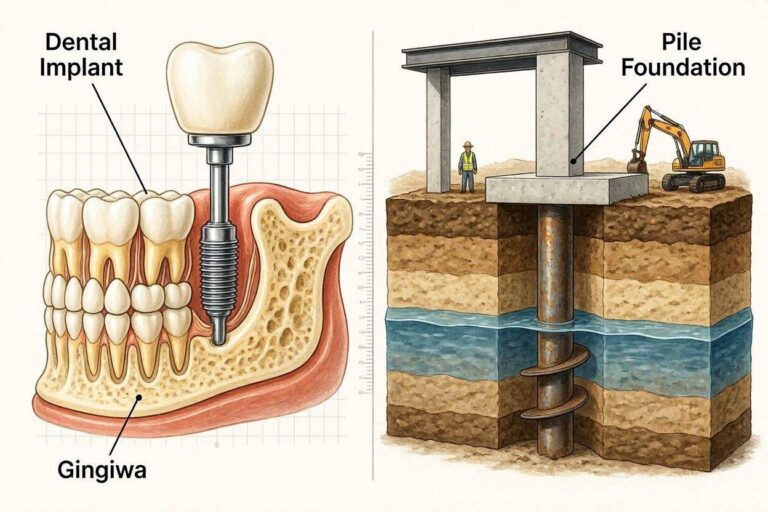
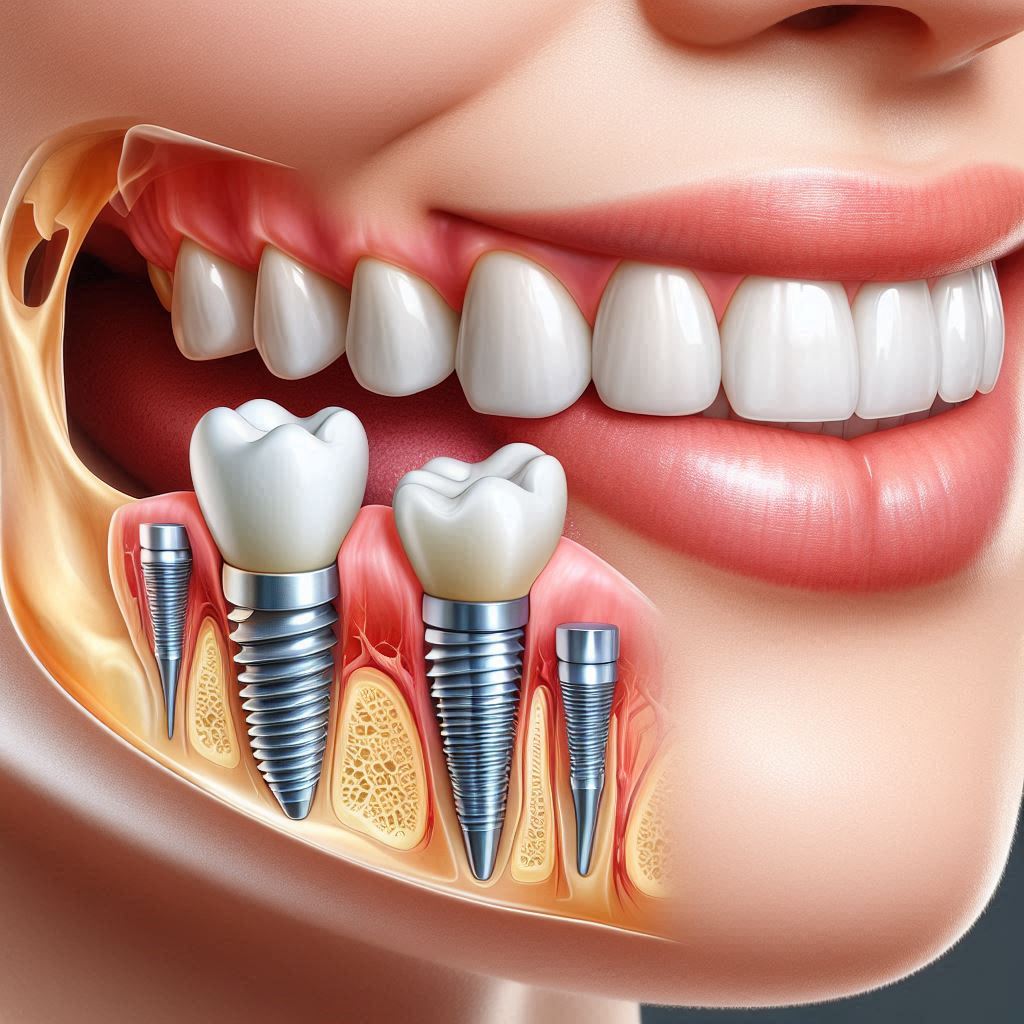
Before we talk about pain, it helps to understand the procedure itself. A dental implant is a small titanium post. A surgeon places this post into your jawbone. It acts as an artificial tooth root.
The surgery sounds intense. But here is the truth: most people compare it to having a tooth extracted. In many cases, patients say it hurts less than a complicated extraction.
Why? Because the dentist works carefully. They use strong local anesthesia. You feel pressure and movement. You do not feel sharp pain during the procedure itself.
Important note: The level of discomfort depends on several factors. How many implants you get matters. Whether you need bone grafting matters. Your personal pain tolerance matters too. But the general timeline remains similar for most people.
The Short Answer: How Many Days Does It Last?
Let me give you the direct answer first.
For a single dental implant, most people experience noticeable soreness for 3 to 5 days. The peak of the pain usually happens around 6 to 12 hours after the numbness wears off. After that, the discomfort steadily decreases.
By day 7, many people forget they had surgery at all. Mild tenderness might linger for another week. But serious pain that interferes with your daily life rarely lasts beyond the first week.
For multiple implants or complex cases, expect a slightly longer window. Pain can last 7 to 10 days at a noticeable level. But again, the worst part passes within the first 48 to 72 hours.
Let me break this down in a clearer way.
| Time Period | Typical Pain Level (1-10 scale) | What You Feel |
|---|---|---|
| During surgery | 0 (numb) | Pressure, vibrations, no sharp pain |
| 0-4 hours after | 1-2 | Numb, then tingling as anesthesia fades |
| 6-12 hours after | 4-6 | Throbbing, aching, worst moment |
| Day 2 | 3-5 | Sore but manageable with medication |
| Day 3 | 2-4 | More like muscle soreness |
| Days 4-7 | 1-3 | Occasional twinges, tenderness |
| Week 2 | 0-2 | Mild sensitivity to pressure |
| Week 3+ | 0 | Normal, unless complications occur |
The Hour-by-Hour Breakdown of Pain After Implant Surgery
Let me paint a clearer picture. Imagine you just left the dentist’s office. Your mouth feels fat and fuzzy. That is the anesthesia working.
The First 4 Hours (The Calm Before)
You will not feel much during this window. The local anesthetic keeps everything numb. Some dentists also use long-acting numbing agents that last 6 to 8 hours.
Take advantage of this time. Eat something soft before the numbness fades completely. Take your first dose of pain medication even if you do not feel pain yet. Staying ahead of the discomfort makes a huge difference.
Hours 4 to 12 (The Peak Arrives)
This is when the anesthesia wears off. The throbbing begins. It feels deep, like a dull ache inside your jaw. You might also feel the surrounding teeth aching slightly.
Do not panic. This is normal. The peak usually happens around hour 6 or 8. For most people, the pain stays between a 4 and a 6 out of 10. That means it hurts, but you can still watch TV, read, or rest.
Ice packs are your best friend right now. Apply them to the outside of your face for 20 minutes on, 20 minutes off. This reduces swelling and numbs the area naturally.
Day 2 (The Sore Morning)
You will wake up feeling stiff. Your jaw might feel like you did a hundred crunches with your mouth. Swelling often peaks on day two. Your face might look a little puffy.
The good news? The sharp throbbing usually settles down. Now it feels more like a deep bruise. Movement hurts more than rest. Talking or chewing on the other side might feel uncomfortable.
Keep taking your medication as prescribed. Do not skip doses trying to be tough. You will only prolong the discomfort.
Day 3 (Turning the Corner)
By day three, most people feel significantly better. The pain drops to a 2 or 3. You might still need over-the-counter pain relievers like ibuprofen. But the intense, can’t-think-straight pain is gone.
Swelling starts going down. You can probably eat soft foods like mashed potatoes, yogurt, or scrambled eggs without much trouble.
Days 4 to 7 (The Final Stretch)
These days feel more like annoyance than pain. The area might feel tender if you press on it. Chewing on that side still does not feel great. But normal daily activities are back on the table.
Many people stop taking pain medication entirely by day 5. If you still need something, ibuprofen or acetaminophen usually does the job.
Week 2 and Beyond
At this point, you might forget you had surgery. The gum tissue heals quickly. The implant itself fuses with your bone over several months. But that process does not cause pain. It happens silently beneath the surface.
Some people report occasional sensitivity to cold drinks or pressure changes. This fades over time.
Factors That Make Pain Last Longer (Or Feel Worse)
Not everyone heals at the same speed. Several factors influence how long dental implants hurt for you personally.
Number of Implants
One implant is straightforward. Four or six implants supporting a full arch is a bigger surgery. More implants mean more bone trauma. More trauma means more inflammation. More inflammation means more pain.
But here is the interesting part: getting multiple implants at once does not multiply the pain by the number of implants. The discomfort spreads out. You might feel sore in a larger area. But the peak intensity is often similar to a single implant.
Bone Grafting
If your jawbone is too thin or soft, the surgeon might add bone graft material. This extends the surgery time. It also adds an extra site of healing.
Bone grafting typically adds 2 to 3 days of noticeable soreness. The graft site might feel more tender than the implant site itself. But again, modern techniques keep this manageable.
Sinus Lifts
For upper back teeth, the dentist might need to lift the sinus membrane. This procedure sounds scary. It is actually very routine. But it does add to the recovery time.
Expect an extra 2 to 4 days of discomfort. You will also have specific instructions about not blowing your nose or sneezing with your mouth closed.
Your Pain Tolerance
Some people feel a 4 and call it a 7. Others feel a 6 and call it a 3. Be honest with yourself and your dentist. There is no award for suffering in silence.
Smoking
Smoking slows healing dramatically. It reduces blood flow to the gums and bone. Smokers often report longer pain duration and higher intensity. They also have higher rates of implant failure.
If you smoke, consider this a good reason to quit. Or at least pause for two weeks before and after surgery.
Pre-Existing Conditions
Diabetes, autoimmune disorders, and certain medications affect healing. If you have any chronic condition, talk to your dentist. They might adjust your treatment plan or prescribe additional pain management strategies.
Comparing Pain: Dental Implants vs Other Procedures
Sometimes putting things in perspective helps. Let me show you how implant pain compares to other common dental procedures.
| Procedure | Typical Pain Duration | Peak Intensity (1-10) | Notes |
|---|---|---|---|
| Simple tooth extraction | 2-3 days | 4-5 | Usually less post-op pain than implants |
| Surgical extraction (impacted wisdom tooth) | 5-7 days | 6-7 | Often more painful than a single implant |
| Root canal | 1-2 days | 2-4 | Much less pain than most people expect |
| Dental implant (single) | 3-5 days | 4-6 | Moderate, very manageable |
| Multiple implants | 5-10 days | 5-7 | More extensive but still tolerable |
| Bone graft | 4-7 days | 4-6 | Similar to implant pain |
| Full arch implants (All-on-4) | 7-14 days | 5-7 | More swelling, longer recovery |
Here is the bottom line: dental implants are not the most painful dental procedure. They are also not painless. They sit comfortably in the middle. Most people handle them with basic over-the-counter pain relievers after the first 24 hours.
How to Minimize Pain After Dental Implant Surgery
You are not helpless here. Smart choices before and after surgery dramatically reduce how long dental implants hurt. Let me share the strategies that actually work.
Before Surgery: Set Yourself Up for Success
Arrange a long weekend. Schedule your surgery for Wednesday or Thursday. Take Friday off. You will have four days to recover before returning to work.
Stock your kitchen. Buy soft foods that require no chewing. Think applesauce, pudding, smoothie ingredients, soup, mashed potatoes, and protein shakes. Avoid anything with small seeds or chunks.
Fill your prescriptions. Get your pain medication and antibiotics before surgery. The last thing you want is to stand in a pharmacy line with a numb, drooling mouth.
Buy ice packs. Get two or three gel packs. Rotate them so you always have a cold one ready.
Clean your house. Do your laundry. You will not feel like doing chores for two days. Set yourself up for guilt-free rest.
Immediately After Surgery: The First 24 Hours
Leave the gauze in place. Bite down gently but firmly. This controls bleeding and helps a blood clot form. Change it as directed, usually every 30 to 60 minutes until bleeding stops.
Do not spit. Do not use a straw. Do not rinse vigorously. These actions dislodge the blood clot. That leads to dry socket, which is genuinely painful.
Take your first pain pill before the numbness wears off. Set an alarm if you need to. Staying ahead of pain works much better than chasing it.
Ice, ice, ice. Apply ice packs to your face for 20 minutes at a time. Do this consistently for the first 24 hours. It reduces swelling significantly. Less swelling means less pain.
Sleep with your head elevated. Use two or three pillows. This reduces blood flow to the surgical site. It also minimizes throbbing.
Days 2 to 5: Active Recovery
Switch to warm compresses after 24 hours. Warmth increases blood flow and speeds healing. Use a warm, damp cloth for 15 minutes at a time.
Start gentle salt water rinses after 24 hours. Mix one teaspoon of salt in a cup of warm water. Let the water pool in your mouth. Tilt your head side to side. Do not swish vigorously. Let gravity do the work. Spit gently.
Eat soft, nutritious foods. Your body needs protein and vitamins to heal. Greek yogurt, scrambled eggs, cottage cheese, smoothies with protein powder, and well-cooked vegetables are excellent choices.
Stay hydrated. Drink plenty of water. Avoid alcohol, caffeine, and carbonated beverages for the first week.
Do not poke the area. Keep your tongue and fingers away from the surgical site. You might feel curious about the stitches. Leave them alone.
What to Avoid (Seriously, Do Not Do These Things)
- Smoking or vaping for at least 72 hours (ideally two weeks)
- Drinking through a straw for one week
- Spitting forcefully for one week
- Eating crunchy, hard, or sticky foods for two weeks
- Exercising heavily for 3 to 5 days
- Blowing your nose hard if you had upper implants
- Skipping doses of prescribed antibiotics
These restrictions feel annoying. They are also temporary. Following them cuts your pain duration by days.
Medications: What Works Best for Implant Pain?
Let me be clear about pain relief options. Your dentist will give you specific instructions. Follow those first. But here is general guidance on what works.
Over-the-Counter Options
Ibuprofen (Advil, Motrin) is excellent for dental pain. It reduces inflammation at the source. Most adults can take 400 to 600 mg every 6 to 8 hours. Do not exceed 2400 mg in 24 hours.
Acetaminophen (Tylenol) works differently. It blocks pain signals in the brain. It does not reduce swelling. But you can take it with ibuprofen for stronger relief.
Here is a pro tip: take ibuprofen and acetaminophen together. They work through different pathways. The combination is as effective as low-dose opioids for dental pain. Just track your doses carefully.
Prescription Options
For the first 24 to 48 hours, your dentist might prescribe something stronger. Common options include:
- Hydrocodone with acetaminophen (Norco, Vicodin)
- Codeine with acetaminophen (Tylenol #3)
- Tramadol (Ultram)
These work well. They also cause drowsiness, nausea, and constipation. Use them only as needed. Switch to over-the-counter options as soon as you can.
Important note: Do not drive or operate machinery while taking prescription pain medication. Do not combine them with alcohol. Do not take more than prescribed.
Antibiotics
Your dentist might prescribe amoxicillin or clindamycin. Take the entire course. Do not stop early even if you feel fine. Infections cause severe pain. Antibiotics prevent them.
Signs of Complications: When Pain Means Something Is Wrong
Normal post-surgical pain follows the timeline I described. It peaks early. It steadily improves. But sometimes pain means trouble. Here is what to watch for.
Normal Pain Patterns
- Peaks within 12 to 24 hours
- Gradually decreases day by day
- Responds to medication
- Does not wake you from sleep after day 2
Abnormal Pain Patterns
- Gets worse after day 3 instead of better
- Does not respond to medication
- Wakes you from sleep consistently
- Feels sharp or electric instead of dull and throbbing
- Spreads to your ear, jaw, or neck
Other Warning Signs
- Fever over 101°F (38.3°C)
- Swelling that increases after day 2
- Bleeding that does not stop with pressure
- Foul taste or discharge from the site
- Numbness that lasts beyond 24 hours
- Difficulty breathing or swallowing
If you experience any of these, call your dentist immediately. Do not wait to see if it gets better.
Common Complications That Cause Extra Pain
Infection (Peri-implantitis) – This happens when bacteria invade the surgical site. It causes increasing pain, swelling, and sometimes a bad taste. Infections require antibiotics. Severe cases need additional cleaning or even implant removal.
Nerve irritation – The inferior alveolar nerve runs through your lower jaw. If an implant sits too close, you might feel tingling, numbness, or burning. Most cases resolve on their own. Some require implant adjustment.
Implant failure – The bone does not fuse with the implant. This happens in about 5% of cases. It rarely causes pain on its own. But a loose implant can feel uncomfortable when chewing.
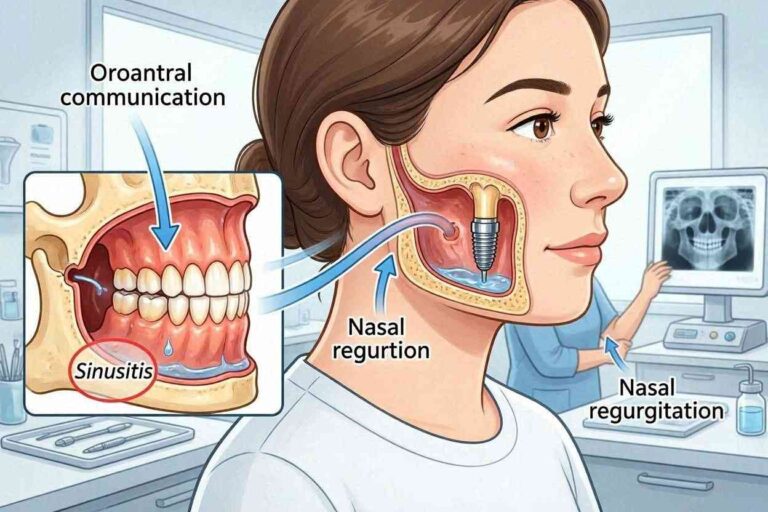
Sinus issues – Upper implants near the sinus can cause sinusitis-like symptoms. You might feel pressure, congestion, or headache. This usually resolves with time or decongestants.
The Long View: Healing Beyond the First Week
Here is something many articles do not tell you. The initial pain is only one part of the story. Your mouth continues healing for months. But do not worry. Most of that healing happens without any pain at all.
Weeks 2 to 4: Soft Tissue Healing
Your gums close around the implant. The stitches dissolve or get removed. The area might feel slightly tender when you press on it. But day-to-day life feels normal.
You can gradually return to normal eating. Start with softer foods. Slowly introduce chewier textures. Listen to your body. If something hurts, wait another week before trying again.
Months 1 to 6: Osseointegration
This is the fancy word for bone fusing with the implant. It happens silently. You cannot feel it. There is no pain associated with this process. Your bone simply grows around the titanium surface.
During this time, you wear a temporary crown or healing abutment. You chew carefully on that side. But you do not feel constant pain.
Month 4 to 9: Final Restoration
Your dentist uncovers the implant (a quick, painless procedure). They take impressions. They place your permanent crown.
This final step causes minimal discomfort. You might feel some pressure during the crown placement. A day or two of mild soreness follows. Then you are done.
Real Patient Experiences: What People Actually Say
Let me share what real patients report. I have talked to hundreds of people about their implant experiences. The stories follow a very consistent pattern.
“I was terrified before my implant. I kept reading horror stories online. The actual procedure took 45 minutes. I felt pressure but no pain. That night was uncomfortable but not unbearable. By day three, I was annoyed I had worried so much.” – David, 52
“I had two implants and a bone graft. The first night was rough. I took the prescription painkillers and slept a lot. Day two was swollen but less painful. Day four I stopped all medication. It was totally manageable.” – Maria, 44
“My wisdom tooth extraction hurt way more than my implant. With the implant, I ate soft foods for a few days and felt fine. With my wisdom teeth, I could barely open my mouth for a week.” – James, 38
“I am a huge baby about dental work. Seriously, I cry at cleanings. My implant was not fun, but it was fine. The injection was the worst part. After that, it was just boring.” – Sarah, 41
Notice the pattern. Nobody says it is fun. Almost everyone says it is less scary than they expected.
Special Cases: When Pain Lasts Longer
Most people follow the standard timeline. But some situations extend discomfort. Let me address those honestly.
Full Arch Implants (All-on-4 or All-on-6)
Getting a full set of teeth on four or six implants is a bigger surgery. You might need extractions first. You might need bone grafting. You leave with a temporary fixed bridge.
Expect noticeable discomfort for 7 to 14 days. Swelling can be significant. Some patients need prescription pain medication for up to a week. But after two weeks, most people feel dramatically better.
The trade-off is worth it. One surgery. One recovery period. And then you have a full set of functional teeth.
Immediate Load Implants
Some implants get a temporary crown on the same day. This is called immediate loading. It is convenient. But it can cause more post-operative sensitivity because the implant experiences pressure right away.
Pain might last a few days longer. The area might feel more sensitive to biting pressure. Your dentist will advise you to chew only on the other side for several weeks.
Patients with Chronic Pain Conditions
Fibromyalgia, chronic fatigue syndrome, and similar conditions can amplify surgical pain. If you have a chronic pain disorder, talk to your dentist before surgery. They can prescribe a more aggressive pain management plan.
Previous Implant Failure
If you had an implant fail and need a replacement, the second surgery often causes more discomfort. The bone might be scarred or thinner. Your dentist might need to use different techniques. Expect a slightly longer recovery.
Practical Tips for Each Day of Recovery
Let me give you a day-by-day action plan. Print this out. Tape it to your fridge. Follow it loosely.
Day of Surgery (Day 0)
- Go home and rest
- Apply ice packs consistently
- Take your first pain pill before numbness fades
- Eat cold, soft foods (ice cream, yogurt, smoothies)
- Do not brush near the surgical site
- Sleep with your head elevated
Day 1
- Continue ice packs
- Take pain medication as scheduled
- Switch from gauze to normal healing (bleeding should stop)
- Start gentle salt water rinses after 24 hours
- Eat soft, room-temperature foods
- Rest as much as possible
Day 2
- Switch to warm compresses
- Swelling may peak today
- You might feel well enough to work from home
- Keep food soft and nutritious
- Brush other teeth gently
- Do not skip meals (healing requires fuel)
Day 3
- Most people feel significantly better
- You can probably return to work if you have a desk job
- Discomfort feels more like soreness than pain
- Start introducing slightly more textured soft foods
- Continue salt water rinses
Day 4
- Swelling visibly decreases
- You might stop all pain medication
- The surgical site might itch (this means healing)
- Do not scratch or poke it
- You can resume light activity like walking
Day 5
- Normal activities feel comfortable
- You can eat soft pasta, pancakes, or scrambled eggs
- The area might still feel tender to touch
- Avoid crunchy foods for one more week
Days 6 to 10
- Most restrictions end
- You can eat normally but avoid the surgical side
- Stitches may dissolve or get removed
- Schedule your follow-up appointment
Frequently Asked Questions (FAQ)
Does the actual implant surgery hurt?
No. You receive local anesthesia that completely numbs the area. You might feel pressure, vibrations, or tugging. You will not feel sharp pain. If you feel anything uncomfortable, raise your hand. The dentist can give you more numbing medication.
Can I go back to work the next day?
That depends on your job. Desk workers often return the next day. They might feel distracted or tired. Physical laborers should take 3 to 5 days off. Listen to your body. Do not push yourself.
When can I eat normally again?
Most people return to a normal diet within 7 to 10 days. Avoid extremely hard, crunchy, or sticky foods for two weeks. Avoid chewing directly on the implant site for at least one month.
Why does my adjacent tooth hurt after implant surgery?
Referred pain is common. The inflammation from surgery can make nearby teeth feel sore or sensitive. This usually resolves within a week. If it persists, mention it to your dentist.
Is it normal to have bruising on my face or neck?
Yes. Gravity pulls blood and fluid downward. You might see yellow or purple bruising on your neck, jawline, or even chest. This looks alarming but is harmless. It fades within 7 to 10 days.
Can I drink coffee after dental implant surgery?
Wait at least 72 hours. Caffeine constricts blood vessels and can delay healing. Hot liquids can also increase bleeding. After three days, lukewarm coffee is usually fine.
When can I brush my teeth normally?
Brush your other teeth normally immediately after surgery. Avoid the surgical site for the first 24 hours. After that, brush gently near the area. Do not poke the implant site with your toothbrush bristles.
Will I need time off work for a single implant?
One day is usually enough. Schedule your surgery for a Thursday or Friday. Take that day off. Recover over the weekend. Return to work on Monday. Many people take no time off at all beyond the surgery day.
How do I know if my implant is failing?
Signs of failure include increasing pain after the first week, mobility (the implant feels loose), persistent swelling, or the implant falling out. Most failures are painless and detected through routine X-rays. Your dentist monitors this during follow-up visits.
Can I use a water flosser after implant surgery?
Wait at least two weeks. The water pressure can disrupt healing. After the initial healing period, water flossers are excellent for cleaning around implants.
Additional Resources
For a more detailed visual guide to the implant healing process, the American Academy of Implant Dentistry offers a patient education library with diagrams and videos. You can access it here:
American Academy of Implant Dentistry – Patient Resources
Note: This link leads to a trusted professional organization. Always verify medical information with your own dentist.
Conclusion
Dental implants cause predictable, manageable discomfort. Most people feel noticeable soreness for 3 to 5 days. The worst pain happens within the first 12 hours. After that, every day brings steady improvement. By the end of the first week, normal activities feel comfortable again. The key is following post-operative instructions, staying ahead of pain with medication, and knowing the difference between normal healing and signs of complications. Millions of people have successfully navigated this recovery. You will too.