What Should You Eat After Dental Implants Surgery
Getting dental implants is a big step toward restoring your smile and your confidence. But once the surgery is done, the real work begins: healing.
The first few days after your procedure are critical. What you put into your mouth can either speed up recovery or lead to pain, infection, or even implant failure.
So, what should you eat after dental implants surgery? The short answer is soft, cool, nutrient-rich foods that require no chewing. But there is much more to know.
This guide walks you through everything. From the first hour after surgery to the full healing period, you will find practical advice, meal ideas, and clear warnings. No fluff. Just honest, useful information.

Why Your Diet Matters After Dental Implant Surgery
Your body needs fuel to heal. After implant surgery, the bone and gum tissue around the implant site are vulnerable. Poor nutrition can delay healing, increase swelling, and raise the risk of infection.
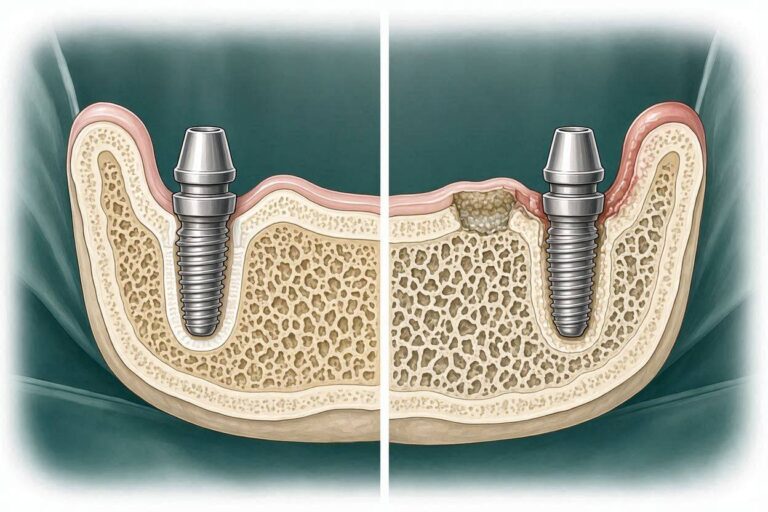
Chewing too soon can dislodge the blood clot that protects the surgical site. That leads to a painful condition called dry socket. Hot foods can increase bleeding. Hard or crunchy foods can damage the implant.
In short: eating the wrong things is not just uncomfortable. It can compromise the success of your implant.
On the other hand, a smart post-surgery diet reduces inflammation, provides essential vitamins and minerals, and keeps you comfortable while your mouth recovers.
Important note: Always follow the specific instructions given by your oral surgeon or dentist. Every case is different. This guide is a general reference, not a substitute for medical advice.
What to Eat in the First 24 Hours After Surgery
The first day is the most delicate. You will likely still feel the effects of anesthesia. Numbness can make chewing dangerous because you might accidentally bite your cheek or tongue.
During this period, stick to cold or lukewarm liquids and semi-liquids.
Recommended foods for the first 24 hours
| Food | Why It Helps |
|---|---|
| Cold water | Keeps you hydrated without irritating the site |
| Ice chips | Reduces swelling when held near the cheek |
| Sugar-free yogurt | Smooth, cool, and protein-rich |
| Apple sauce | Soft and easy to swallow |
| Cold smoothies (no seeds or straw) | Nutrient-dense and soothing |
| Broth (cooled or warm, not hot) | Hydrating and gentle |
| Protein shakes | Supports tissue repair |
What to avoid on day one
- Hot soups or tea (heat increases bleeding)
- Using a straw (suction can dislodge clots)
- Spitting or rinsing forcefully
- Any food that requires chewing
Quotation from a patient’s real experience:
“I lived on cold smoothies and yogurt for the first 24 hours. It was boring, but I had zero pain and no swelling. My dentist said that made all the difference.”
Days 2 to 3: Introducing Soft, Warm (Not Hot) Foods
By day two, the initial bleeding should have stopped. Swelling may peak around 48 hours after surgery. Now you can introduce slightly warmer foods, but nothing hot.
Chewing is still off the table. Everything should be soft enough to mash with your tongue or the roof of your mouth.
Best foods for days 2–3
- Mashed potatoes (lukewarm, no lumps)
- Creamy soups (blended, no chunks)
- Scrambled eggs (soft and moist)
- Cottage cheese
- Smooth peanut butter (thin layer on nothing — eat it off a spoon)
- Mashed avocado
- Oatmeal or cream of wheat (well-cooked and cooled)
- Pudding or custard
- Jell-O (sugar-free preferred)
How to prepare meals safely
Blend everything if needed. Use a fork to test texture. If it requires more than light pressure from your tongue, it is too hard.
Keep portions small. Eating several mini-meals is easier on your mouth than three large ones.
Days 4 to 7: Expanding Your Options Carefully
By the end of the first week, you may feel much better. Swelling should be down. Soreness may still be present, but many people start to feel human again.
Still, do not rush. The implant site is still healing beneath the surface. You can now try soft foods that require minimal chewing.
Foods to add during week one
| Food | Preparation Tip |
|---|---|
| Soft pasta (macaroni, small noodles) | Cook until very soft. Avoid tomato sauce (acidic). |
| Well-cooked rice or risotto | Use broth for flavor and moisture. |
| Mashed beans or refried beans | Smooth texture, high in protein. |
| Soft fish (salmon, tilapia) | Flake with a fork. No crust or frying. |
| Banana | Very ripe and mashed. |
| Canned fruit (peaches, pears) | Choose water-packed, no syrup. |
| Soft bread without crust | Dip in soup or milk to soften further. |
What to watch for
- Acidic foods (oranges, tomatoes, vinegar) can sting healing tissue.
- Spicy foods may cause irritation or burning.
- Dairy is fine for most people, but some dentists suggest limiting it if you have excessive mucus.
Note: If you feel any sharp pain while eating, stop immediately. Go back to liquids or semi-liquids for another day.
Weeks 2 to 4: Returning to a Normal Diet
At this stage, many patients can begin eating a wider variety of foods. The surgical site may still be tender, but you are no longer in the critical healing window.
Chewing should be done on the opposite side of your mouth. Avoid the implant area completely until your dentist gives the green light.
Foods you can try now
- Soft cooked vegetables (carrots, zucchini, spinach)
- Ground meat (beef, turkey, chicken) cooked very soft and moist
- Tuna salad or chicken salad (finely shredded)
- Soft cheese cubes
- Pancakes or French toast (no hard edges)
- Well-cooked beans and lentils
- Soft fruit without skins (peeled peaches, melon balls)
Foods to still avoid
- Nuts and seeds
- Chips, crackers, or hard pretzels
- Raw vegetables (carrots, celery, broccoli)
- Steak or tough meats
- Crusty bread or bagels
- Popcorn (kernels can get stuck)
Full Healing Period (1 to 6 Months): Long-Term Eating Habits
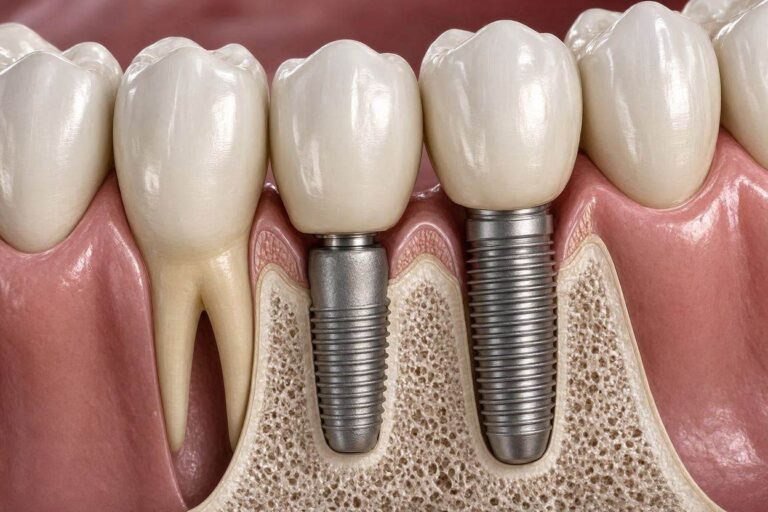
Dental implants fuse with your jawbone through a process called osseointegration. This takes several months. During this time, you can eat most normal foods. But you should still be mindful.
Avoid putting extreme pressure on the implant site. Do not chew ice, hard candy, or bones. These habits can damage natural teeth and implants alike.
Once the implant is fully healed and the crown is placed, you can eat almost anything a natural tooth can handle. However, some foods remain risky for implants over the long term.
Long-term foods to limit or avoid
- Hard candies and lollipops
- Whole nuts (chopped nuts are fine)
- Popcorn (due to hard kernels and husks)
- Chewy candy (caramel, taffy, gummies)
- Bones in meat (chicken wings, ribs)
- Corn on the cob (cut kernels off instead)
These foods do not always cause damage. But repeated stress or accidental bites can crack the crown or damage the implant.
Nutrients That Speed Up Healing After Implant Surgery
Eating soft foods is not enough. You need the right nutrients to help your body rebuild bone and soft tissue.
Here are the most important healing nutrients and where to find them in post-surgery friendly forms.
Protein
Protein is the building block of tissue repair. Without enough protein, healing slows down significantly.
Soft protein sources:
- Greek yogurt
- Scrambled eggs
- Protein shakes (whey, pea, or soy)
- Silken tofu blended into soups
- Bone broth (rich in collagen and protein)
- Cottage cheese
Vitamin C
Vitamin C is essential for collagen production. Collagen helps gums heal and attach properly around the implant.
Soft sources of vitamin C:
- Mashed strawberries
- Pureed bell peppers (in soup)
- Smoothie with orange or kiwi (seedless)
- Mashed broccoli (well-cooked)
- Baby food fruit purees
Vitamin D and Calcium
These two work together to support bone healing and osseointegration.
Soft sources:
- Fortified yogurt
- Milk or plant milk with added calcium
- Mashed sardines (bones are soft and edible)
- Soft cheese
- Calcium-fortified orange juice (if not acidic)
Zinc
Zinc supports immune function and wound healing.
Soft sources:
- Pureed pumpkin seeds (in smoothies)
- Soft scrambled eggs
- Fortified oatmeal
- Mashed chickpeas (hummus)
Iron
Iron helps deliver oxygen to healing tissues.
Soft sources:
- Pureed spinach
- Fortified cream of wheat
- Smoothie with pureed apricots
- Tofu
Important: Do not take supplements without asking your dentist or doctor first. Some supplements (like vitamin E or fish oil) can thin your blood and increase bleeding.
Complete 7-Day Post-Surgery Meal Plan
This sample meal plan assumes you are in days 1 to 7 after surgery. Adjust based on your comfort level and dentist’s advice.
Day 1 (Liquids only)
- Breakfast: Protein shake + cold water
- Lunch: Cold bone broth + sugar-free Jell-O
- Dinner: Blended cold vegetable soup (no chunks)
- Snacks: Yogurt drink, ice chips
Day 2 (Liquids + semi-liquids)
- Breakfast: Oatmeal (thin, lukewarm)
- Lunch: Cream of mushroom soup (blended)
- Dinner: Mashed potatoes with gravy (no meat)
- Snacks: Cottage cheese, smoothie (no straw)
Day 3
- Breakfast: Scrambled eggs (soft)
- Lunch: Pureed carrot and ginger soup
- Dinner: Mashed avocado + soft cheese
- Snacks: Pudding, apple sauce
Day 4
- Breakfast: Cream of wheat with mashed banana
- Lunch: Soft pasta with butter (no tomato sauce)
- Dinner: Flaked salmon + mashed sweet potatoes
- Snacks: Greek yogurt, canned peaches
Day 5
- Breakfast: Smoothie with spinach, banana, and protein powder
- Lunch: Refried beans + sour cream
- Dinner: Soft scrambled tofu + mashed avocado
- Snacks: Cottage cheese with pureed berries
Day 6
- Breakfast: Soft scrambled eggs with melted cheese
- Lunch: Creamy tomato soup (no seeds, low acid)
- Dinner: Well-cooked risotto + pureed peas
- Snacks: Pudding, banana
Day 7
- Breakfast: Oatmeal with pureed strawberries
- Lunch: Soft fish (cod or tilapia) + mashed potatoes
- Dinner: Pureed chicken soup (blended smooth)
- Snacks: Yogurt, Jell-O
Foods to Avoid After Dental Implant Surgery (Full List)
Some foods are dangerous. Others are just uncomfortable. Here is a complete list organized by risk level.
High risk (avoid completely in first 2 weeks)
| Food | Reason |
|---|---|
| Popcorn | Kernels get stuck; hard pieces damage site |
| Chips and hard pretzels | Sharp edges cut gums |
| Nuts and seeds | Can lodge into surgical site |
| Chewy candy | Pulls on healing tissue |
| Ice cubes | Chewing ice cracks teeth and implants |
| Rice (small grains) | Can get trapped in sockets |
| Straws | Suction dislodges blood clots |
| Alcohol | Delays healing, increases bleeding risk |
| Carbonated drinks | Can irritate and dry the mouth |
Moderate risk (use caution after week 1)
- Spicy foods (hot sauce, curry, chili)
- Acidic fruits (oranges, lemons, grapefruit)
- Tough meats (steak, pork chops)
- Crusty bread or bagels
- Corn on the cob
- Hard apples or pears
Low risk but annoying
- Stringy vegetables (celery, green beans)
- Sticky foods (peanut butter alone)
- Hot coffee or tea (increase bleeding risk in first 48 hours)
Quotation from an oral surgeon:
“Most implant failures related to diet happen because people eat solid food too soon. Not because of what they ate, but when they ate it. Give your mouth time.” — Dr. Elena Marquez, DDS
How to Eat Comfortably: Practical Tips
Even soft foods can be challenging if you do not prepare them correctly. Use these tips to make eating easier and safer.
Temperature control
- First 24 hours: cold only
- Days 2–3: lukewarm (warm but not hot)
- After day 4: warm is fine, but test on your wrist first
Texture modifications
- Blend soups until completely smooth
- Mash vegetables with a fork or potato masher
- Add broth, milk, or gravy to dry foods
- Cut everything into tiny pieces — smaller than a pea
Eating position
- Sit upright. Do not lie down while eating.
- Tilt your head slightly forward to prevent food from drifting toward the surgical site.
- Use a small spoon (teaspoon size) to control portions.
Cleaning after eating
- Do not rinse forcefully for the first 48 hours.
- After that, rinse gently with warm salt water (1/2 teaspoon salt in 1 cup water).
- Do not spit. Let the water fall out of your mouth.
Hydration Tips After Dental Implant Surgery
Staying hydrated is just as important as eating well. Dehydration slows healing and makes your mouth feel dry and uncomfortable.
Best drinks after surgery
- Plain water (room temperature or cool)
- Herbal tea (cooled, no caffeine)
- Bone broth
- Coconut water (no pulp)
- Diluted fruit juice (no acid, no pulp)
- Electrolyte drinks (sugar-free)
Drinks to avoid
- Soda (carbonation and sugar)
- Coffee and black tea (caffeine dehydrates)
- Hot chocolate (too hot and sugary)
- Alcohol (for at least 2 weeks)
- Energy drinks
How to drink safely
- Use a cup, not a bottle or straw.
- Take small sips.
- Do not gulp or swish liquid around your mouth.
What to Do If You Eat Something You Shouldn’t
Accidents happen. You might bite into something hard without thinking. Or a piece of popcorn might find its way into your mouth at a party.
If this happens, do not panic.
Step-by-step response
- Stop eating immediately.
- Rinse gently with warm salt water.
- Check for bleeding. A small amount is normal. Heavy bleeding is not.
- Look for damage. Can you see the implant? Is there a sharp edge?
- Call your dentist if you feel pain, see bleeding, or notice movement in the implant.
Most minor incidents do not cause real damage. But it is always better to check.
Frequently Asked Questions (FAQ)
Can I eat ice cream after dental implant surgery?
Yes, but choose plain flavors without nuts, chocolate chips, or cookie dough. Ice cream is soft, cold, and soothing. It can actually help reduce swelling. Avoid using a spoon that is too hard — use a soft plastic spoon if possible.
When can I eat pizza after dental implants?
Wait at least 2 to 3 weeks. Pizza crust is hard and chewy. The cheese can also be stringy and pull on healing gums. When you do try it, eat only the soft middle part first. Cut it into tiny pieces.
Can I use a straw after dental implant surgery?
No. Do not use a straw for at least one week. The suction can dislodge the blood clot protecting the surgical site. This leads to dry socket, which is very painful and delays healing.
Is it safe to eat rice after dental implants?
Small grains like rice can get stuck inside the surgical site. Wait at least 10 to 14 days. When you do eat rice, make sure it is overcooked and soft. Rinse gently afterward.
What is the best breakfast after dental implant surgery?
Scrambled eggs, oatmeal, yogurt, or a smoothie. All are soft, high in protein, and easy to prepare. Avoid cereal with milk (cereal pieces are hard) and toast.
Can I drink coffee after dental implant surgery?
Wait at least 48 hours. Hot drinks increase bleeding risk. Caffeine can also dehydrate you. After that, drink coffee lukewarm and in small amounts.
How long do I need to stay on a soft food diet?
Most people need soft foods for 7 to 10 days. Some need 2 full weeks. Your dentist will tell you when you can return to normal eating. Listen to your body. If chewing hurts, stay on soft foods longer.
What happens if I eat something hard too soon?
You may feel sudden pain. You could dislodge the blood clot, causing bleeding or dry socket. In rare cases, you could damage the implant or the bone around it. If you eat something hard by accident, call your dentist.
Additional Resource
For more detailed information on dental implant healing stages and long-term care, visit the American Academy of Implant Dentistry’s patient education page:
🔗 https://www.aaid.com/patients/
Note: This is a trusted professional organization. Always verify any medical information with your own dentist.
Conclusion
Eating properly after dental implant surgery is not complicated, but it does require discipline. Stick to soft, cool, nutrient-rich foods for the first week. Avoid anything hard, hot, sticky, or spicy. Stay hydrated without using a straw. And always listen to your body — if eating hurts, go back to liquids.
By following this guide, you give your implant the best possible chance to heal correctly and last a lifetime.