Financial Help With Dental Implants: 10 Realistic Ways to Afford a New Smile
You have been dreaming of fixing your missing teeth. You know dental implants offer the best solution. They look natural. They feel strong. They can last a lifetime.
Then you see the price tag.
Your heart sinks. You close the browser tab. You tell yourself it is not possible right now.
But what if you could find real, honest financial help with dental implants?
This is not a fantasy. Thousands of people every year find ways to afford this life-changing procedure. They use grants, creative payment strategies, and resources they did not know existed.
This guide walks you through ten practical paths. No fake promises. No “get rich quick” schemes. Just real options that work.

Why Dental Implants Cost So Much (And Why They Are Worth It)
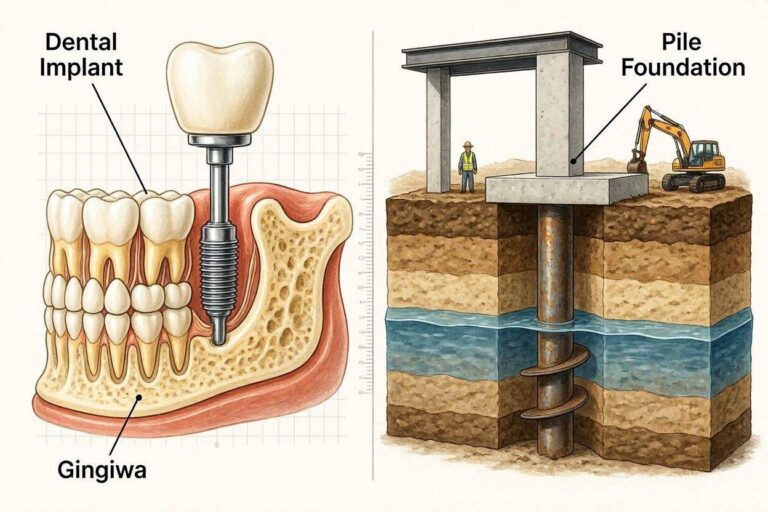
Before we talk about saving money, we need to understand where your money goes. A single dental implant is not just a screw. It is a complex medical device that requires:
- A titanium post (the implant itself)
- An abutment (the connector piece)
- A custom-made dental crown
- Surgical placement by a specialist
- Bone grafting (sometimes)
- CT scans and X-rays
- Follow-up appointments
The total for one implant often falls between $3,000 and $6,000. Full-mouth implants can reach $30,000 to $50,000 or more.
This feels overwhelming. But here is the good news: implants rarely need replacement. A bridge lasts 7 to 10 years. Dentures last 5 to 8 years. Implants can last 30 years or more with proper care.
Think of it as an investment in your health, not an expense.
Important note: Do not chase the lowest price. Cheap implants from unqualified providers often fail. You will end up paying twice. Focus on finding affordable quality care, not just cheap care.
1. Dental Schools: High-Quality Care at Half the Price
Dental schools are your best first stop. These institutions need patients for their training programs. Supervised students perform the work. The quality is excellent. The price is dramatically lower.
How Dental Schools Work
- A final-year student performs your procedure
- Licensed instructors supervise every step
- Appointments take longer (sometimes double)
- You pay 30% to 60% less than private practice
What to Expect
You will have longer appointment times. You might see multiple students during your treatment. But the materials are the same. The sterilization protocols are the same. The instructors are experienced dentists.
How to Find a Dental School Near You
Visit the American Dental Association (ADA) website. Search for “dental school clinics” in your state. Most major cities have at least one.
Realistic timeline: Expect a waiting period of 2 to 6 months. Start early.
2. Clinical Trials and Research Studies
This option surprises many people. Dental implant manufacturers and research universities run clinical trials. They need volunteers. In exchange for your participation, you receive free or low-cost implants.
Where to Find Trials
- ClinicalTrials.gov (US government database)
- National Institute of Dental and Craniofacial Research
- Major university dental schools
What You Give in Return
You agree to follow-up visits. You allow researchers to document your results. You might receive a specific brand of implant. You cannot choose your treatment plan.
Who Qualifies
Trials have strict criteria. Some look for healthy adults with specific bone density. Others study implants in patients with diabetes or osteoporosis. Read the requirements carefully.
Important warning: Never pay to join a clinical trial. Legitimate studies pay you or provide free treatment. If someone asks for money, walk away.
3. Nonprofit Grants and Charitable Foundations
Yes, grants for dental implants exist. No, they are not easy to get. But for the right candidate, they provide life-changing help.
Major Grant Programs
| Organization | What They Cover | Application Window |
|---|---|---|
| Dental Lifeline Network | Full treatment for disabled, elderly, or medically fragile adults | Varies by state |
| Cosmetic Dentistry Grants | Partial funding for implants (usually $500–$1,500) | Twice per year |
| America’s Dentists Care Foundation | Free clinics during special events | Event-based |
How to Apply Successfully
Most grants require proof of financial need. You need tax returns, pay stubs, or benefit award letters. You also need a written treatment plan from a dentist.
Pro tip: Ask your dentist’s office to help with the application. Many offices have social workers or patient advocates who know the process.
Realistic Expectations
Do not expect a grant to cover 100% of your costs. Most cover 20% to 40%. Combine grants with other strategies from this list.
4. Dental Tourism: Traveling for Affordable Implants
Traveling abroad for dental work sounds extreme. For many people, it makes financial sense.
Popular Destinations for Dental Implants
- Mexico (especially Los Algodones and Tijuana)
- Costa Rica
- Colombia
- Thailand
- Turkey
- Hungary
Cost Comparison Table
| Location | Average Cost Per Implant | Flight Cost (approx.) |
|---|---|---|
| United States | $3,500 | N/A |
| Mexico | $1,200 | $300–$600 |
| Costa Rica | $1,000 | $500–$800 |
| Colombia | $900 | $600–$900 |
| Thailand | $1,500 (includes travel package) | $1,200+ |
The Fine Print
You need two trips: one for implant placement, another for the crown 4 to 6 months later. Factor in hotel stays and lost work days. Choose a dentist with international accreditation (JCI or similar).
How to Verify Quality
- Read Google Reviews and Dental Departures
- Ask for before-and-after photos of foreign patients
- Request a video consultation before booking flights
- Confirm they use brand-name implants (Straumann, Nobel Biocare, Zimmer)
Safety note: Dental tourism works well for healthy patients. If you have complex medical conditions or need bone grafting, stay closer to home.
5. Payment Plans and In-House Financing
Most dental offices want to help you say “yes” to treatment. They offer financing options you might not know about.
Three Types of Payment Plans
1. Interest-free in-house plans
Some dentists offer 6 or 12 months with no interest. You pay a deposit, then monthly installments. Ask specifically: “Do you offer no-interest payment plans?”
2. Sliding scale fees
Community health centers and some private practices adjust fees based on your income. Bring proof of income. Be honest about your situation.
3. Discount for upfront payment
Paying in full often earns a 5% to 10% discount. If you have savings or help from family, this adds up.
What to Say to Your Dentist
Try this script:
“I need dental implants, but my budget is tight. Do you offer any payment plans or discounts for patients paying out of pocket?”
Most offices will work with you. They would rather treat you with a payment plan than lose you to another practice.
6. Third-Party Medical Financing (CareCredit and Others)
When your dentist does not offer in-house plans, third-party financing fills the gap. These are healthcare credit cards with special terms.
Most Popular Options
| Company | Best For | Interest Terms |
|---|---|---|
| CareCredit | Promotional financing | 6, 12, or 18 months no interest if paid in full |
| Alphaeon Credit | Higher credit limits | 12 to 60 months with deferred interest |
| LendingClub | Personal loans | Fixed rates, predictable payments |
| Prosper Healthcare | No prepayment penalty | 24 to 60 months |
How to Use These Wisely
The “no interest if paid in full” offers are tempting. But if you miss the deadline, they charge deferred interest on the original amount. A $5,000 implant could suddenly cost $7,000.
Smart strategy: Calculate your monthly payment to finish 2 months early. Set up autopay. Do not borrow more than you can repay.
Credit Score Requirements
Most approvals require a score of 620 or higher. If your credit is lower, ask a family member with good credit to co-sign.
7. Crowdfunding: Your Community Can Help
Asking for help feels uncomfortable. But thousands of people fund dental implants through GoFundMe and similar platforms.
What Makes a Successful Campaign
- A clear photo of your smile (or lack of teeth)
- Your real story (not a sob story—just honesty)
- A specific goal ($4,500 for two implants)
- Regular updates (post every 3 to 5 days)
Where to Share Your Campaign
- Facebook (personal page and local groups)
- Nextdoor (neighbors often help neighbors)
- Your workplace email list
- Church or religious community
- Local newspaper (many run “community needs” stories)
Realistic Outcomes
Most campaigns raise between $500 and $2,000. A few go viral and raise much more. Do not rely on crowdfunding alone. Use it as one tool among many.
8. Dental Discount Plans (Not Insurance)
Dental discount plans confuse many people. They are not insurance. They are membership programs that give you reduced rates at participating dentists.
How Discount Plans Work
You pay an annual fee ($100 to $200 per year). You choose a dentist from their network. That dentist agrees to charge you their “plan price” instead of their regular price.
Sample Savings on Implants
| Procedure | Regular Price | Discount Plan Price |
|---|---|---|
| Implant placement | $2,000 | $1,200 |
| Abutment | $500 | $300 |
| Crown | $1,500 | $900 |
| Total per implant | $4,000 | $2,400 |
Best-Known Dental Discount Plans
- DentalPlans.com (compare multiple plans)
- Careington 500 Series
- Aetna Dental Access
- Cigna Plus Savings
Important Warning
Call the dentist’s office before buying the plan. Ask: “Do you accept [plan name]? What is your discounted price for a single implant?” Some offices participate but charge higher rates than advertised.
9. Veterans Benefits and Military Resources
If you served in the US military, you have more options than you realize. The VA does not always cover dental implants. But other programs exist.
VA Dental Coverage Rules
The VA covers dental implants only if:
- You have a 100% service-connected disability rating, OR
- Your dental condition resulted from a service-connected injury, OR
- You were a prisoner of war
Other Resources for Veterans
- Dental Lifeline Network (prioritizes veterans)
- America’s Fund (for combat-wounded veterans)
- Mission of Mercy (free dental events near military bases)
- State VA homes (some offer discounted dental care)
What to Do First
Visit your local VA medical center. Ask for a dental referral. Even if the VA does not pay, they can recommend low-cost community partners.
10. Medicaid and State Assistance Programs
Medicaid coverage for adult dental implants is rare. But exceptions exist.
States with Stronger Dental Benefits
Some states cover dental implants through Medicaid if medically necessary:
- California (Medi-Cal, limited coverage)
- Minnesota
- New York
- Massachusetts
- Washington
“Medically necessary” means you cannot chew without implants. A doctor must document that dentures or bridges will not work for you.
How to Check Your Eligibility
- Call your state Medicaid office
- Ask: “Does Medicaid cover dental implants for adults?”
- If yes: “What documentation do I need to prove medical necessity?”
Alternative: Medicare Advantage Plans
Original Medicare does not cover dental implants. But many Medicare Advantage plans (Part C) include dental benefits. Some cover up to $1,500 per year for implants.
Open enrollment is October 15 to December 7 each year. Mark your calendar.
Bonus Strategy: Combine Multiple Sources
Most people do not find one perfect solution. They combine two or three approaches.
Real Example: Sarah’s Story
Sarah needed three implants ($12,000 total). Here is how she paid:
| Source | Amount |
|---|---|
| Dental school discount | -$5,000 (reduced total to $7,000) |
| CareCredit (18 months no interest) | $4,000 |
| GoFundMe (friends and family) | $1,800 |
| Out-of-pocket savings | $1,200 |
| Total paid | $7,000 |
She paid off CareCredit in 15 months. No interest. No debt.
You can create your own combination. Start with dental schools or discount plans. Add a grant. Finance the rest. Crowdfund the difference.
Common Scams to Avoid (Read This Before You Pay Anyone)
Desperation attracts predators. Protect yourself from these common dental implant scams.
5 Red Flags
- “Free implants” requiring an upfront fee – Legitimate free care does not ask for payment.
- “Government grants” you must pay to apply – Real grants never charge application fees.
- Dentists offering implants for $500 each – The materials alone cost more. Something is wrong.
- Companies promising to “erase your dental debt” – Debt settlement ruins your credit.
- Unlicensed providers in storefronts – Always verify state dental board licenses.
How to Verify a Dentist
Every US state has a dental board website. Enter the dentist’s name. Confirm their license is active and has no disciplinary actions.
Take five minutes to do this. It could save your health and your money.
Preparing Your Application for Financial Help
Most financial assistance requires paperwork. Get organized now.
Documents to Gather
- Photo ID
- Proof of income (tax return or 2 months of pay stubs)
- Proof of expenses (rent, utilities, medical bills)
- Written treatment plan from a dentist (with costs)
- Dental X-rays or CT scan (ask your dentist for copies)
- Letter explaining your situation (one page maximum)
Writing Your Assistance Letter
Keep it simple. State:
- What you need (specific implants, not “dental work”)
- Why you need it (pain, inability to eat, self-esteem)
- What you have tried (savings, payment plans)
- How much help you need (a specific dollar amount)
Be honest. Be brief. Be respectful.
Frequently Asked Questions (FAQ)
Can I get free dental implants?
Completely free implants are rare. They happen through clinical trials, dental school emergency clinics, or charity events like Mission of Mercy. Do not pay anyone who promises “free implants.”
Does insurance cover dental implants?
Most dental insurance does not cover implants. Some PPO plans cover 20% to 50% of the crown portion. Medical insurance might cover implants after accidents or for congenital conditions. Read your policy’s “exclusions” section carefully.
What is the cheapest way to get dental implants?
Dental schools offer the lowest legitimate prices (30% to 60% less than private practice). Dental tourism is second cheapest. Discount plans are third.
How can I fix my teeth with no money?
Contact your local community health center. Ask about sliding scale fees. Apply to Dental Lifeline Network. Attend a free dental clinic event (search “free dental clinic near me”).
Can I get a loan for dental implants with bad credit?
Yes, but expect higher interest rates. Try CreditFresh, OppLoans, or secured credit cards. Better option: ask your dentist about in-house financing. They care less about your credit score.
Are payment plans for dental implants interest-free?
Some are. Many are not. Always ask: “Is this deferred interest or no interest?” Deferred interest charges everything if you are one day late. No interest charges nothing extra if paid on time.
How long does it take to get financial help approved?
Grants take 3 to 6 months. Clinical trials take 1 to 4 months. Payment plans are instant. Crowdfunding takes 1 to 2 months to reach your goal.
What if I need bone grafting too?
Bone grafting adds $500 to $3,000 per site. The same financial strategies apply. Dental schools and discount plans cover grafting at reduced rates.
Additional Resource: Where to Start Today
Bookmark this link. It is your first step toward affordable implants.
👉 Find a Dental School Near You – ADA Directory
This official American Dental Association page lists every accredited dental school clinic in the United States. Call the one closest to you. Ask for their implant program waitlist. Get on it today.
Conclusion: Your Smile Is Worth the Effort
Finding financial help with dental implants takes time and persistence, but thousands of people succeed every year. Start with dental schools and discount plans, then layer in grants, crowdfunding, or financing to cover the gap. Avoid scams, stay organized, and remember that every phone call and application brings you closer to the smile you deserve.
Disclaimer: This article provides general information and does not constitute medical or financial advice. Costs, programs, and eligibility requirements change frequently. Always verify details directly with dental providers, grant organizations, and insurance companies before making financial commitments. The author and publisher are not responsible for any outcomes resulting from the use of this information.