Do They Put You To Sleep For Dental Implants?
The question lingers in your mind from the moment you schedule the consultation. You might lose sleep over it. Your palms might sweat just thinking about sitting in the dental chair. “Do they put you to sleep for dental implants?” You are not alone in asking this. It is the single most common concern patients voice before committing to a life-changing smile restoration.
The short answer is complex. Yes, they can put you to sleep. No, they do not always do so. The choice depends heavily on your medical history, the complexity of the surgery, your anxiety level, and the philosophy of your dental surgeon. This guide rips away the clinical jargon to give you a brutally honest, detailed walkthrough of every sedation option available for dental implant surgery.
We will explore the twilight states, the deep sleeps, and the fully awake experiences. You will learn why a surgeon might push for general anesthesia in one case and insist on only local numbing in another. You will understand the risks, the costs hiding beneath the surface, and the recovery realities no one discusses in the glossy brochures.
Sit back. Breathe. By the end of this guide, you will hold the power to make an informed decision that prioritizes your safety and comfort.
Understanding the Core of Dental Implant Surgery
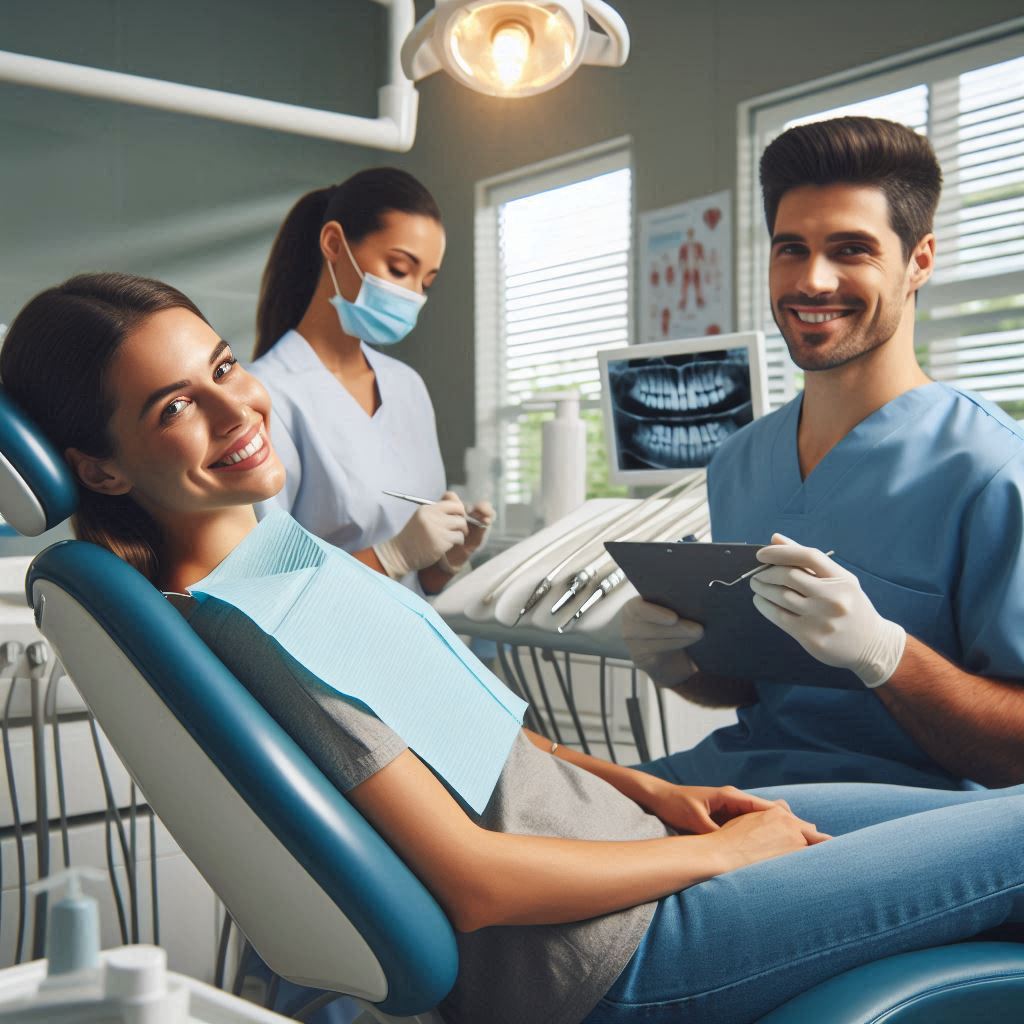
Before dissecting the sleep question, you must grasp what the procedure actually entails. Dental implant placement is a surgical procedure. A titanium post gets inserted directly into the jawbone. This post mimics the root of a natural tooth. The gum tissue gets opened, precise drilling occurs, and the implant site gets sutured shut. This sounds graphic for a reason. You need to respect the invasive nature of the surgery to understand the need for profound pain control.
However, the brain does not register pain in the bone the same way it does in the skin. You can feel pressure. You can feel vibration. You rarely feel sharp, cutting pain if the area is properly anesthetized. This physiological fact is why many dentists argue that general anesthesia is overkill for a standard, straightforward implant placement. Conversely, if a bone graft is necessary, or if multiple implants are going in at once, the equation changes immediately. The duration of the procedure skyrockets. The trauma to the tissue multiplies. Your jaw muscles ache from being open. This is when the conversation about “sleeping” truly begins.
The Anatomy of Anxiety vs. The Anatomy of Pain
Dental professionals make a clear distinction between managing pain and managing fear. Lidocaine, articaine, and other local anesthetics block the sodium channels in nerves. They effectively stop the pain signal. They do absolutely nothing for the psychological terror of hearing a drill grinding against bone. They do not stop the metallic taste of blood. They do not calm the gag reflex. This is where sedation enters the picture.
When you ask, “Do they put you to sleep for dental implants,” you usually ask about fear, not pain. You ask about losing consciousness so you do not remember the sound of the osteotomy drills. You want to be absent from the experience. Acknowledging this distinction helps you choose the right path. If your fear is mild, medication might suffice. If your fear is pathological, general anesthesia might be the only ethical way to deliver the care you need.
The Spectrum of Sedation: From Awake to Unconscious
Many patients incorrectly assume sedation is a binary switch. You are either fully awake or completely asleep. Modern anesthesia operates on a continuum of consciousness. The American Society of Anesthesiologists defines distinct levels of sedation. Understanding these levels saves you from a jarring surprise on surgery day.
Minimal Sedation (Anxiolysis)
You remain fully awake. You can speak, answer questions, and control your bodily functions. However, you simply do not care about the surgery. A pharmacological haze separates you from your anxiety. The most common agent is an oral pill, often a benzodiazepine from the Valium family. You take it an hour before the procedure.
Your breathing remains unchanged. Your cardiovascular function rarely budges. Your protective reflexes stay completely intact. If the surgeon tells you to turn your head, you turn it. If you need to swallow, you swallow. The primary danger here is unreliable absorption. Food in your stomach can delay the onset. A hyperactive liver metabolizes the drug too fast. You might feel almost nothing, or you might feel heavily intoxicated. The dosing is imprecise compared to intravenous methods.
This option answers the question “Do they put you to sleep for dental implants” with a firm and resounding no. You remain present. You will likely remember parts of the appointment. For a simple, single implant taking thirty minutes of chair time, this is often the most logical medical choice.
Moderate Sedation (Conscious Sedation)
You enter a state of profound relaxation. You close your eyes. You lose track of time. The surgeon can stimulate you, and you wake up briefly, then drift back off. You respond purposefully to verbal commands. The terminology tricks people. “Conscious sedation” implies you are conscious. In reality, many patients drift into a deep sleep where they retain protective reflexes but lose all concept of time passing.
Delivery methods matter here. Oral moderate sedation relies on higher doses of pills, often triazolam (Halcion). Intravenous moderate sedation uses titrated doses of benzodiazepines like midazolam (Versed) combined with short-acting opioids like fentanyl. The IV route provides the anesthesiologist with a dimmer switch. They can push milligram by milligram until you achieve the perfect twilight state. They cannot do this with a pill you swallowed an hour ago.
Patients often swear they were “asleep.” They report a total amnesia of the drilling and suturing. In a legal and medical definition, they were not unconscious. They never lost their airway reflexes. This gray zone creates the most confusion in the market. If you specifically demand to be asleep, a provider offering IV moderate sedation might truthfully tell you, “You will essentially feel like you slept through it,” even though they do not use general anesthesia.
Deep Sedation and General Anesthesia
Now we reach the realm of true unconsciousness. Deep sedation pushes you further down the curve. You lose the ability to respond purposefully. Painful stimuli might cause a reflexive withdrawal, but you will not open your eyes and say your name. You might require assistance maintaining your airway. General anesthesia goes the final step. You lose all protective reflexes. You often require a breathing tube or a sophisticated airway device. You feel nothing. You remember nothing. You are completely paralyzed pharmacologically in many cases.
This is the most definitive “yes” to the question. “Do they put you to sleep for dental implants?” Yes. A certified anesthesiologist or a dental anesthesiologist renders you completely unconscious. They monitor your heart rhythm, blood pressure, oxygen saturation, and end-tidal carbon dioxide. They breathe for you if necessary. The surgical team operates without any interaction from you.
This degree of control comes with the highest price tag and the highest physiologic risk. It also provides the ultimate comfort for extensive full-mouth reconstructions. When a patient needs eight implants and multiple extractions in a single three-hour session, general anesthesia stops being a luxury. It becomes a pragmatic necessity.
| Sedation Level | Consciousness State | Memory Retention | Airway Protection | Common Agents |
|---|---|---|---|---|
| Local Only | Fully Alert | Full memory | 100% intact | Lidocaine, Articaine |
| Oral Minimal | Relaxed, Awake | Partial memory | Intact | Diazepam (Valium) |
| IV Moderate | Twilight Sleep | Profound amnesia | Usually intact | Midazolam, Fentanyl |
| Deep Sedation | Barely conscious | Totally absent | May require support | Propofol, Ketamine |
| General Anesthesia | Completely unconscious | Totally absent | Requires device support | Propofol, Sevoflurane |
Breaking Down the Specific Techniques and Drugs
To truly own your decision, you need a working knowledge of the drugs themselves. Surgeons and anesthesiologists will throw around terms like “Propofol drip” or “Halcion protocol.” You must know what they imply.
The Pill Route: Halcion and Valium
Triazolam (Halcion) reigns supreme in modern oral sedation dentistry. It is extremely short-acting and very potent. You take it in a dissolving tablet form. You will remember almost nothing after about forty-five minutes. The amnestic effect is powerful. A significant risk here involves “paradoxical excitation.” A small subset of patients—especially children or elderly patients with dementia—become agitated, aggressive, and disinhibited instead of sleepy. If you have never taken a benzodiazepine, you cannot predict your reaction.
Another danger lurks in home dosing. You usually take a baseline dose at the office under supervision. The dentist might give you an additional small dose to take an hour before your appointment the next day. You must not drive yourself. You must not operate machinery. You must have an escort. The drug impairs your judgment to a degree you cannot perceive. You feel sober while being dangerously intoxicated. Adherence to the escort protocol is non-negotiable.
The IV Line: Midazolam and Propofol
Intravenous access transforms sedation from an art of guessing into a science of titration. Midazolam (Versed) is the classic workhorse. It provides anxiolysis, amnesia, and anticonvulsant properties. Syringe increments of one milligram can take you from chatty to calmly unconscious in seconds.
Propofol is the white liquid made famous by Michael Jackson’s tragic death. It is an incredibly safe drug in trained hands and a lethal weapon in untrained hands. It induces anesthesia rapidly and wears off rapidly. When you hear about “deep sedation” for dental implants, the provider almost certainly uses propofol. It suppresses the gag reflex brilliantly. It creates a smooth, dream-like state.
A critical note: Propofol is a general anesthetic agent. Even if the provider bills you for “deep sedation,” the pharmacological reality is that propofol can very quickly tip you into a state of general anesthesia where you lose your airway. The skill of the provider matters more than the label on the consent form. You want a provider who specializes in airway management, not just a dentist who attended a weekend course on IV access. Ask if a dental anesthesiologist or a certified registered nurse anesthetist (CRNA) under the supervision of an anesthesiologist will manage your sedation.
The Inhaled Route: Nitrous Oxide
Laughing gas deserves a brief mention. It is a weak sedative. It provides mild anxiolysis and a tingling sensation of warmth. It is incredibly safe and clears the body within minutes. However, it does not put you to sleep. It cannot provide profound amnesia alone. For complex implant surgery, nitrous oxide functions best as an adjunct to oral sedation or IV sedation. It takes the edge off the anxiety of the IV stick. It smoothes the induction. If a practice offers only nitrous oxide for a full arch implant case, they likely do not understand the psychological demands of the procedure.
The Surgical Variables That Dictate the Anesthesia Plan
The number of implants directly correlates with the need for deeper sedation. You cannot accept a blanket recommendation without considering the surgical specifics.
The Single Tooth Scenario
A surgeon extracts a failed tooth, places an implant, and sutures the site. Bone quality is excellent. No grafting is required. The total surgical time is under forty-five minutes. In this scenario, anesthesia options should lean conservative. Local anesthesia combined with oral minimal sedation often provides a perfect balance of safety and cost-effectiveness.
You must ask yourself: Can I tolerate lying still for forty-five minutes with my mouth open? Can I handle the sensation of pressure without panicking? If yes, deep sedation may be medically unnecessary. The risk of an IV complication, no matter how rare, might outweigh the benefit of total amnesia. Many high-quality surgeons will suggest IV moderate sedation regardless, simply because they prefer operating on a patient who does not flinch and whose tongue stays completely still. A relaxed patient allows a faster, more precise surgery. This is a valid surgical rationale. Do not mistake the surgeon’s convenience for unnecessary upselling. A surgeon operating on a tense, wiggling patient often faces a higher complication rate.
The Full Arch Reconstruction (All-on-4)
This procedure changes the rules entirely. Surgeons place four to six implants in a single jaw. They often extract multiple teeth during the same visit. They reduce bone aggressively. They suture extensively. They might deliver immediate fixed teeth. The procedure can last three to four hours per arch.
Local anesthetic alone is barbaric for this level of surgery. The sheer volume of epinephrine in the local anesthetic can cause heart palpitations and severe anxiety. The jaw fatigue becomes unbearable. The psychological endurance required borders on traumatic. In this context, “Do they put you to sleep for dental implants” shifts from a question of preference to a question of safety. General anesthesia or deep IV sedation using propofol with a protected airway represents the standard of care. You should be fully asleep. A breathing tube, usually placed through the nose (nasotracheal intubation), allows the surgeon to work in the mouth without obstruction while the anesthesia provider controls your ventilation completely. A throat pack often prevents blood and debris from entering the stomach or lungs.
Do not accept deep sedation without a definitive airway for extremely long surgeries. If you are deeply sedated and breathing on your own, blood and irrigation fluid can trickle into the pharynx. You can cough, sputter, and disrupt the delicate surgery. A secured airway creates a quiet surgical field.
Bone Grafting and Sinus Lifts
Bone grafting procedures present a unique challenge. The surgeon harvests bone particles, often from the patient’s own body or a cadaveric or synthetic source, and packs them into a defect. The sinus lift involves gently elevating the sinus membrane from the floor of the sinus cavity. This membrane tears easily. Coughing or sudden movement can cause catastrophic membrane perforation.
A deep level of sedation helps the patient remain utterly motionless. However, the provider must avoid high levels of nitrous oxide if they have closed off a sinus communication. Pressure changes can distend the sinus. A skilled anesthetic provider balances a motionless patient with the physiological requirements of delicate membrane surgeries. You will likely not be awake for this. The precision demands it.
The Health Questionnaire: Are You a Candidate for Sleep Dentistry?
“Do they put you to sleep for dental implants” depends less on your desire and more on your physical qualification. Not everyone can safely receive heavy sedation.
The Obstructive Sleep Apnea Factor
This is the biggest hidden danger in outpatient dental implant anesthesia. A large percentage of adults suffering tooth loss also suffer from undiagnosed or diagnosed obstructive sleep apnea (OSA). Their airway collapses under sedation. Their tongue falls back. Their oxygen saturation plummets silently while the dentist focuses on the bone drilling.
A responsible provider screens heavily for OSA. They measure your neck circumference. They ask about snoring, witnessed breathing pauses, and daytime somnolence. If you have severe OSA and demand deep sedation, you likely need a secured airway (breathing tube) from the start. A nasal cannula blowing oxygen might not be enough to keep your airway patent. Spontaneous breathing under heavy propofol with a narrow pharyngeal airway is a recipe for a blue patient and a panicked surgical team. You must be aggressively honest about your sleep habits. Lying to get approved for deep sedation could kill you.
Obesity, BMI, and Respiratory Depression
Adipose tissue changes the pharmacokinetics of sedatives. Fat-soluble drugs like midazolam and propofol redistribute into fat stores. The initial dose works quickly. As the surgery drags on, those fat stores start releasing the drug back into the bloodstream. You can “re-sedate” in the recovery room just when people think you are safe. Obesity also mechanically splints the diaphragm. Your functional residual capacity drops when you lie flat. You desaturate oxygen much faster than a lean individual.
A high BMI does not automatically disqualify you from sleep dentistry, but it demands a higher level of monitoring. The facility needs capnography to measure end-tidal carbon dioxide. They need a reliable anesthesia provider who does nothing but watch your vitals. If the dentist attempts to do the surgery AND manage the sedation for a high-BMI OSA patient, you are in an unsafe environment. Walk out and find a team-based practice.
Drug Interactions and Genetic Oddities
The patient taking chronic opioids for back pain presents a clinical puzzle. Standard sedatives barely touch them. The patient taking Suboxone or Methadone for addiction recovery requires a nuanced plan that respects their recovery while preventing withdrawal or overdose. The red-haired genetic variant often requires demonstrably more anesthesia. The ultra-rapid CYP450 metabolizer clears midazolam so fast they wake up mid-drill.
Anesthesia is not a cookie-cutter recipe. A practitioner who proudly claims, “I use the exact same cocktail on everyone,” is dangerous. The interview before surgery matters. If the anesthesia provider does not spend serious time reviewing your medication list, supplements, and drug reactions, they are not planning correctly.
The Price of Sleep: Analyzing the Cost of Sedation
Money often forces the final decision. General anesthesia and deep sedation add a significant line item to the implant invoice. Understanding the billing structure prevents sticker shock.
Hourly Billing vs. Flat Fee
Most dental anesthesiologists and sedation dentists bill by the hour. The clock starts when they push the first drug and stops when they hand you off to the recovery nurse. A complex full-arch case taking four hours of anesthesia time generates a sizable fee. A simple thirty-minute moderate sedation breaks down differently.
- Oral Sedation (Pill): Often a flat fee ranging from $150 to $500. This covers the consultation, the prescription, and the monitoring. It is cheap because it requires no specialized IV equipment or anesthetic gases.
- IV Moderate Sedation: Typically billed hourly. Rates range from $500 to $800 per hour. A two-hour case costs $1,000 to $1,600. This price includes the drugs, the IV equipment, and the monitoring by a dedicated staff member or anesthesiologist.
- Deep Sedation/General Anesthesia with Specialist: This represents the premium tier. A dental anesthesiologist or medical anesthesiologist (MD/DO) billing separately can charge $800 to $1,500 per hour. A full-arch All-on-4 case under general anesthesia with a breathing tube might add $3,500 to $6,000 to the surgical fee.
The Medical Insurance Loophole
Dental insurance rarely covers sedation for adults. The industry views it as a luxury or convenience item. Medical insurance sometimes steps in when the sedation is medically necessary. Medically necessary means the patient has a documented physical or mental condition making treatment impossible without unconsciousness. Severe autism, uncontrollable movement disorders, extreme needle phobia with a diagnosed anxiety disorder, or a planned extremely invasive surgery like major jaw reconstruction fall into this category.
The billing process requires pre-authorization. The surgeon writes a medical necessity letter. The anesthesiologist documents the plan. You fight with the insurance company for months. Do not bank on insurance covering sedation. Budget for the out-of-pocket cost. If insurance pays, consider it a welcome bonus. If you treat the cost as an elective upgrade, you can budget honestly. Ask for the medical CPT codes. The codes 00170 (anesthesia for intraoral procedures) and 00172 (anesthesia for complex face/jaw procedures) are common. The medical biller must submit these with the diagnosis codes that justify the necessity.
The Comparative Landscape of Patient Experiences
To see the contrast clearly, consider these archetypal patient journeys.
The Stoic Minimalist
John needs a single lower molar implant. He has no dental fear. He has a high pain tolerance. His surgeon uses a profound local block. John feels the pinch of the needle, then nothing. He feels strong pressure, “like someone pressing a thumb into the jaw.” He hears the low-speed drill whine, “a weird noise, like a tiny construction site in my head.” He wears noise-canceling headphones. In thirty-five minutes, the healing abutment is in place. John drives himself home, stops for lunch, and goes to work the next day. He saved thousands of dollars. He reports, “It was way less dramatic than I thought.” This path works for a fraction of the population with robust psychological fortitude and uncomplicated surgery.
The Anxious Adventurer
Sarah needs two implants in the aesthetic zone. She has moderate dental fear. She chooses IV moderate sedation with midazolam and fentanyl. “The last thing I remember is the anesthesiologist saying ‘happy juice is flowing.’ Then I blinked, and I was in the car crying tears of relief that it was over.” Sarah experienced profound anterograde amnesia. She was “asleep” in her subjective reality but breathing on her own throughout. Her escort drove her home. She napped for six hours and had soup for dinner. This is the most chosen path for patients with mild to moderate anxiety who want to bypass the traumatic memory of drilling.
The Full Reconstruction Warrior
Mark needs full upper and lower All-on-4 implants. He has a severe gag reflex and has avoided the dentist for twenty years. His jawbone is atrophied, requiring extensive grafting. The plan: Nasotracheal intubation under general anesthesia with an MD anesthesiologist. “I walked into the operating room, lay on the table, and the next thing I knew, a nurse was calling my name in recovery. I literally lost seven hours of my life. I had a set of fixed teeth in my mouth. My throat was sore from the tube. My face was swollen like a balloon. But I felt zero shame, zero panic, zero memory of the surgery. It was the only way I could have done it.” Mark’s case represents the extreme end of necessity. The airway protection prevented aspiration of blood and bone dust during the extended procedure.
| Patient Profile | Sedation Choice | Memory | Recovery Vibe | Cost Impact |
|---|---|---|---|---|
| Low Fear, Single Implant | Local Only | Full | Easy, Immediate | $0 extra |
| Moderate Fear, Multiple Implants | IV Moderate (Twilight) | Amnesia | Groggy, Long Nap | $600-$1,200/hour |
| High Fear, Complex Surgery | General Anesthesia | None | Deep Hangover, Sore | $1,000-$1,500/hour |
| Sleep Apnea, Obese | General with Protected Airway | None | Requires Close Monitoring | Highest Bracket |
The Airway Management Debate: Open Mouth, No Tube
A massive controversy rages within the sedation dentistry community. Some dentists aggressively market “sedation dentistry” where they place multiple full-arch implants while the patient simply breathes on their own under heavy propofol. No endotracheal tube. No laryngeal mask airway (LMA). Just a nasal cannula blowing oxygen.
Proponents of open-airway deep sedation argue that the mouth provides a natural airway, they work fast, and they can manage any obstruction with a jaw thrust. They claim the cost savings and reduced throat soreness benefit the patient. Critics—and most hospital-based anesthesiologists—argue this is a ticking time bomb. Irrigation fluid, bone chips, and blood pool in the oropharynx. The patient aspirates silently. A laryngospasm occurs, and without immediate advanced intervention, the patient suffers hypoxic brain injury or dies.
You must ask a direct question during the consultation: “Will you place a breathing tube for my deep sedation, or will I be breathing on my own with an unprotected airway?” If the answer is “you’ll breathe on your own, don’t worry,” follow up with, “How do you manage aspiration of water and blood during a multi-hour procedure?” A skilled provider will have a confident, detailed answer, including the use of throat packs, high-volume suction, and careful positioning. A dismissive provider who waves away the concern with “I’ve done thousands, never had an issue” should make your Spidey sense tingle. Absolute safety culture acknowledges the risk and explains the mitigation strategy exhaustively.
The Chronic Pain Patient and Sedation Failure Risk
Dental implant candidates often suffer from chronic pain conditions. Failed teeth frequently coexist with failed backs, failed necks, and fibromyalgia. These patients consume high doses of gabapentin, pregabalin, opioids, or medical cannabis. Their nervous system is sensitized.
Consider the patient taking high-dose buprenorphine (Suboxone) for opioid use disorder. Buprenorphine binds opioid receptors so tightly that standard opioids like fentanyl cannot displace them. If you are on Suboxone and the anesthesiologist plans to use fentanyl for pain control, the fentanyl will not work. The patient will feel pain, and the anesthesia provider will chase the pain with deeper propofol, causing cardiovascular depression without analgesia.
A responsible plan involves a pre-operative discussion with the addiction medicine doctor. Sometimes, the patient transitions to a short-acting mu-receptor agonist temporarily. Sometimes, the anesthesia provider uses ketamine—an NMDA receptor antagonist—for pain control, bypassing the blocked opioid receptors entirely. High-dose ketamine dissociates the patient from consciousness while providing profound analgesia. However, ketamine in adult implant patients can cause unpleasant psychomimetic emergence reactions (hallucinations, terror) if not properly managed with benzodiazepines. These are complex pharmacological tightropes. If you are a chronic pain patient, you absolutely need a specialist anesthesiologist, not just a dentist performing a sedation technique they learned in a continuing education course.
The Heart Patient: Epinephrine Conundrums and Stress Control
Dental implant surgery requires local anesthetic infiltration. Almost all local anesthetics contain epinephrine (adrenaline). This constricts blood vessels to reduce bleeding and keep the anesthetic in the surgical site. If a patient has uncontrolled hypertension, severe coronary artery disease, or a history of ventricular arrhythmias, a massive injection of epinephrine can trigger a dangerous cardiac event.
Deep sedation or general anesthesia helps here not by blocking pain, but by blocking the endogenous stress response. When a patient lies awake during surgery, their own adrenal glands pump catecholamines. Their heart pounds. Their blood pressure spikes. Adding exogenous epinephrine to this internal stress storm can cause a dangerous additive effect. A patient deeply anesthetized with propofol or sevoflurane has a blunted stress response. Their sympathetic nervous system is quiet. The epinephrine injection causes a milder hemodynamic swing. A cardiac patient might actually be safer asleep than awake, provided the anesthesia provider manages their hemodynamics with invasive or non-invasive beat-to-beat monitoring. This seems counterintuitive to the layperson but is a core principle of cardiac anesthesia.
Do not assume that being awake is always safest. The surgeon often prefers an awake patient for “safety” because of their own fear of general anesthesia. But if the awake patient has a heart attack from a fear-driven catecholamine surge combined with epinephrine, the outcome is worse than a controlled anesthetic with an arterial line. The risk assessment belongs to a physician, not the patient Googling in panic. Trust the data, and choose a medically qualified team.
Pediatric and Special Needs Extrapolations
Though this guide targets adults, a brief note on special populations illuminates the logic of anesthesia. Children receiving dental implants (rare, but for trauma or congenital absence) almost never tolerate the procedure awake. They receive general anesthesia always. Similarly, adults with severe autism, Down syndrome, or cognitive decline require general anesthesia for any surgical dental care. The inability to cooperate makes local sedation unethical.
If you, an otherwise healthy adult, require general anesthesia because your fear is so severe you cannot cooperate, accept that the need is legitimate. A phobia is not a character flaw. It is a medical condition. Anesthesiologists intubate claustrophobic MRI patients every day. They anesthetize needle-phobic cancer patients for port placements. A dental implant phobia is no less valid. Do not let a dismissive dentist shame you into a local-only approach that results in a traumatic failure and reinforcement of the fear. Advocate firmly for your comfort.
The Morning Of: Practical Preparation for a Deep Sedation Day
If you commit to deep sedation or general anesthesia, the preparation ritual is sacred. Failure to adhere can get your surgery cancelled.
The NPO rule is “nil per os,” meaning nothing by mouth. A standard rule is no solid food for eight hours and no clear liquids for two hours before the procedure. Fasting prevents pulmonary aspiration of stomach contents. Pulmonary aspiration is a catastrophic event where acidic stomach material enters the lungs, causing chemical pneumonitis that can kill you. A sip of water to take a critical medication might be allowed. Coffee with cream two hours before surgery is not.
Medication management varies. Beta-blockers for blood pressure should almost always be taken with a tiny sip of water. Holding a beta-blocker creates rebound tachycardia and hypertension, a nightmare for an anesthesiologist. Metformin and other diabetes medications usually get held to prevent low blood sugar under anesthesia. Blood thinners like warfarin, clopidogrel, or even aspirin and fish oil might require cessation days before surgery. The surgeon balances the risk of bleeding with the risk of stroke or stent thrombosis. Never stop an anticoagulant without explicit, coordinated clearance from the prescribing physician and the surgeon. Have this conversation weeks in advance, not the night before.
Transportation is black and white. You cannot drive, Uber alone, or take a bus. You need a responsible adult escort to physically take you to the door of your recovery room and stay with you for the first twenty-four hours. The anesthetic drugs cause a subtle cognitive impairment lasting far longer than the overt sedation. You cannot sign legal documents. You cannot cook with a stove. You become a fall risk. You will trip over your own feet. If you live alone, arrange for a friend to sleep over. If you have no one, consider a medical recovery facility or a hired nursing aide for the night.
Dress for function, not fashion. Wear loose, comfortable sweatpants and a short-sleeved shirt. The short-sleeve allows easy IV access and blood pressure cuff placement. Remove all jewelry, especially tongue rings, nose rings, and lip rings. Leave contact lenses at home. Wear glasses that the nurse can remove and safely store. Remove nail polish from at least one finger to allow a pulse oximeter to work correctly. Do not wear makeup. The anesthesia provider needs to see your skin color in real time. Pale, cyanotic (blue) lips, or a flushed rash give instant diagnostic information. Foundation and lipstick mask these vital signs.
The Intraoperative Journey: What Happens While You Sleep
You close your eyes in the treatment room. The team works around you. What actually happens to your body?
The anesthesiologist applies monitors: a blood pressure cuff cycling every three to five minutes, EKG leads on the chest, a pulse oximeter on the finger, and capnography sampling the exhaled breath. If you receive a general anesthetic with intubation, once you drift off, the provider masks you with oxygen, pushes a paralytic agent, and performs laryngoscopy to guide the breathing tube through the vocal cords. For dental surgery, the tube passes through the nose down into the trachea and gets secured over the forehead or the upper lip. The cuff inflates, sealing the trachea off from blood.
A throat pack—moistened gauze—gets packed into the back of the throat around the tube to catch debris. This pack counting is ritualistic and obsessive. The surgeon or nurse documents how many gauze packs go in. They count them all out. A retained throat pack is a never-event that causes airway obstruction and death post-extubation. The team takes this counting as seriously as an airplane pre-flight checklist.
The anesthesia provider maintains the state of unconsciousness. Propofol drips continuously via an infusion pump. Sevoflurane gas flows if using an anesthesia machine. The provider constantly adjusts the depth, watching the heart rate and blood pressure for signs of sympathetic surge indicating light anesthesia. They watch the end-tidal CO2 waveform for obstruction. They document every drug dose, every vital sign, every fluid bolus. If you bleed excessively, they call for fluids and potentially ask the surgeon to pause to control hemorrhage. The anesthesia provider is the patient’s guardian, not just a drug pusher.
After the surgeon places the final suture, the awakening begins. The gas turns off. The paralytic gets reversed if a longer-acting relaxant was used. The patient must breathe spontaneously, follow commands, and protect their airway before the provider removes the tube. Extubation occurs when the patient is deeply anesthetized or fully awake, never in the middle “gagging and bucking” stage. Bucking causes a spike in blood pressure and can rupture sutures and cause bruising.
The Recovery Labyrinth: Oral Bleeding and Nausea
You wake up groggy. Your mouth feels enormous and numb. Blood-tinged saliva mixes with the throat pack residue. Nausea is the primary complaint after general anesthesia for oral surgery. You swallow blood during the surgery despite the throat pack. Blood in the stomach is a powerful emetic. The anesthesiologist should push an antiemetic like ondansetron (Zofran) or dexamethasone during the case. If you have a history of severe postoperative nausea and vomiting, ask for a scopolamine patch placed behind the ear before surgery. It works for seventy-two hours and dramatically reduces the misery of vomiting with a fresh surgical site.
Vomiting is dangerous after implant placement. The act of retching spikes oral pressure. It can dislodge sutures, cause bleeding, and in the case of sinus grafts, blow a perforation. Avoiding vomiting is a medical priority, not a comfort luxury. Request aggressive antiemetic prophylaxis. If you feel nausea in recovery, speak up immediately. Do not be stoic until you vomit. Nurses have IV rescue medications that work within seconds.
Pain upon waking from deep sedation varies. You often wake up with the local anesthetic still working. You feel nothing except thick pressure. Do not mistake this numbness for a pain-free recovery. The local block wears off sharply. You want the first dose of pain medication—whether ibuprofen, acetaminophen, or a prescribed narcotic—on board before the anesthetic wears off. The recovery nurse times this precisely. If you refuse pain medication “because I feel fine,” you will regret it sixty minutes later when the surgical pain slams you in the car on the freeway. Set an alarm. Stick to a multimodal pain schedule: ibuprofen 600mg staggered with acetaminophen 650mg, with oxycodone reserved for breakthrough pain. Most implant patients do extremely well with non-steroidal anti-inflammatories, which also reduce swelling. However, if you had major sinus grafting, your surgeon might want you to avoid ibuprofen for a specific period to allow early bone healing. Clarify this before discharge.
The “Why Not” List: Contraindications People Hide
Some patients desperately want to be asleep but should not be. Uncontrolled severe hypertension often cancels elective surgery. A blood pressure of 190/110 pre-operatively puts the patient at risk for intraoperative stroke. The surgeon will likely refuse to treat you. Get your primary care doctor to optimize your blood pressure first.
Active cocaine or methamphetamine use can cause fatal arrhythmias under general anesthesia. The catecholamine-depleted state combined with direct cardiac sensitization to epinephrine makes a cocaine-positive patient a walking time bomb. Standard urine drug screens do not always catch this. Surgeons rely on honest disclosure. A patient underreporting cocaine use can die on the table from refractory ventricular fibrillation. The dentist is not the police. They will not report you for drug use. They will simply reschedule you to keep you alive. Be truthful.
Recent stroke or myocardial infarction usually requires a waiting period—often six months—before elective general anesthesia. The stress response of surgery and the risk of re-thrombosis are too high. Dental pain is not worth a fatal cardiac event. The dentist must coordinate with the cardiologist to clear the patient. A “cardiac clearance” letter is not a mere formality. It must outline functional capacity, current echocardiogram results, and antiplatelet management.
Uncontrolled seizure disorder also poses a challenge. Most of the sedatives used are actually anticonvulsants (propofol and midazolam). However, waking up from sedation can lower the seizure threshold. The provider must confirm the patient took their morning anticonvulsant with a sip of water, even if NPO. Missing a dose for an elective dental procedure invites a post-operative seizure.
The Equipment Check: What a Safe Office Looks Like
You can physically assess a dental sedation office for safety markers. An office offering deep sedation or general anesthesia must resemble a miniature operating room. Look for a crash cart. It contains defibrillator pads, emergency drugs like epinephrine, atropine, and succinylcholine, and intubation equipment. Look for a backup oxygen source. A central oxygen tank or an oxygen concentrator with emergency backup cylinders is mandatory. Ask to see the anesthesia machine. A modern machine has a ventilator mode, an integrated capnograph, and agent-specific vaporizers. A rusty cart with a pulse oximeter from 1995 is insufficient for general anesthesia.
Ask about the emergency protocol. Does the office have a written agreement with a nearby hospital? Does the team perform regular “fire drills” for malignant hyperthermia? Malignant hyperthermia is a rare genetic reaction to succinylcholine and volatile anesthetic gases. It causes a hypermetabolic crisis where temperature skyrockets and muscles break down. The only rescue drug is dantrolene sodium. The office must stock a minimum of thirty-six vials of dantrolene (600mg) in a readily accessible refrigerator. If they use triggering agents, no dantrolene equals no business. This is non-negotiable. An anesthesiologist-led mobile service will likely carry it; a sedating general dentist might not think about it. Check.
The Laser Focus on Local Anesthesia Alone
We must give full respect to the local-only option. Some patients think, “If I’m not asleep, the doctor will be less careful, or I’ll jump and ruin it.” An experienced surgeon working on a locally anesthetized patient maintains a constant verbal and tactile dialogue. They feel the patient’s neck musculature. They know if the patient is tensing up. They pause and give more numbing if needed.
High-quality local anesthesia for implants is an art. The surgeon anesthetizes the nerve trunk. For lower molars, that’s the inferior alveolar nerve block, the long buccal nerve, and the lingual nerve. For upper molars, it’s a posterior superior alveolar block, middle superior block, and palatal infiltration. A profound block eliminates all sharp sensation. You can tell the difference between pressure and pain. If you feel a sharp, electric sensation, you raise a hand. The surgeon stops instantly and adds more local. This feedback loop protects nerve integrity. A patient under general anesthesia cannot report a nerve twinge. The surgeon might unknowingly encroach on the inferior alveolar nerve, leading to post-operative paresthesia (lip numbness). This is a debated topic among surgeons. Some feel awake surgery protects the nerve. Others believe the precise, motionless field of general anesthesia prevents the drill from jerking into the nerve. Both arguments have validity. The skill of the surgeon is the largest variable.
The Psychological Aftermath: PTSD and Dental Implants
We must confront the dark side of heavy-handed dental surgery without adequate sedation. Dental PTSD is a specific, recognized trauma response. A patient goes in for a “routine” implant, thinking local is fine. The surgeon hits a tough bone. The procedure runs long. The patient feels intense pressure and vibration they interpret as pain. They feel claustrophobic. They try to signal distress, but the surgeon says, “Just a few more seconds.” The patient dissociates. They leave with a pounding heart, soaked in sweat, and a completed implant. They also leave with a brain that now associates the dental chair with terror. Future dental visits become impossible. The patient needs sedation for a simple cleaning. This tragedy is preventable.
If you know you are sensitive to somatic sensations, if you have a history of trauma, especially medical or sexual abuse, the dental chair is a trigger minefield. The feeling of being unable to speak, of having hands in your mouth, of lying prone while someone stands over you—this is the physical posture of powerlessness. Recognize this. Do not “tough it out.” The cost of sedation is the price of preventing a permanent psychological scar. A compassionate surgeon understands this completely.
The Sedation Consent: Reading Carefully
The consent form for anesthesia is not a receipt to be scribbled blindly. It outlines the specific risks. Aspiration pneumonia, awareness under anesthesia, nerve injury from positioning, dental damage from the laryngoscope blade, corneal abrasion if the eyes are not taped shut, vocal cord injury from the tube, malignant hyperthermia, anaphylaxis to antibiotics or muscle relaxants, stroke, heart attack, and death. The form is terrifying. The legal department of the anesthesia group writes it to protect them, but also to inform you.
Anesthesia death in a modern setting with a healthy patient is exceedingly rare, often quoted around 1 in 200,000 to 1 in 300,000 anesthetics. Dental office anesthesia deaths, however, skew this statistic when poorly trained providers operate without proper resuscitation equipment. The pediatric dentistry field suffered a horrifying cluster of office deaths from sedation. The adult implant field is not immune. A recent notable case involved a young healthy woman in a high-end dental office undergoing implant surgery under sedation; she aspirated, her airway was not managed correctly, and she died. These tragedies are not statistical blips. They are system failures. You prevent being part of such a failure by choosing a provider with a fellowship in dental anesthesiology, an MD anesthesiologist, or a CRNA with a robust supervising structure. The letters after the name matter tremendously.
The Interplay with Dental Tourism
Many Americans travel to Mexico, Costa Rica, or Turkey for affordable dental implants. The anesthesia question in a foreign clinic requires hyper-vigilance. What is the standard of monitoring? Do they use pulse oximetry and capnography reliably? Is the anesthesiologist an MD or a technician? Can the team successfully perform advanced cardiac life support if your heart stops? What is the access to emergency medical care? Is the nearest hospital capable of handling an aspiration pneumonia crisis?
In tourist dental mills, sedation is often “lite” or “conscious” based on a dangerous trifecta of pills crushed up, given haphazardly. The surgeon does the surgery. The “assistant” tells the patient to breathe. The ingredients for disaster are present. If you pursue dental tourism, demand an independent anesthesiologist who does nothing but sit at the head of the bed managing your vitals. Demand the same paper trail and emergency dantrolene verification. Do not let the lower cost blind you to lethal corners being cut.
The Dental Anesthesiologist: A Specialist Worth the Search
A dental anesthesiologist (DA) is a dentist who completed a hospital-based, three-year residency focused exclusively on anesthesia for dentistry. They hold a permit to deliver deep sedation and general anesthesia in a dental office. An MD anesthesiologist (medical doctor) does a four-year residency in the medical hospital system and covers all surgeries. Both are highly qualified. An oral surgeon with extensive hospital training also routinely delivers deep sedation, but their training emphasis shifts between surgery and anesthesia during the procedure. The most deeply safe arrangement for a high-risk patient in an office is a surgeon doing surgery, with a separate anesthesiologist managing the anesthetic, mirroring the separation of duties in a hospital operating room. This tandem care model costs more but provides a level of safety that is hard to surpass.
When calling an implant center, ask this scripted question: “Who handles the anesthesia? Is it the surgeon, or is there a dedicated anesthesiologist or nurse anesthetist staying in the room the whole time? What is their specific credential?” A trustworthy practice eagerly answers this. They are proud of their safety infrastructure.
The Home Recovery: The Next 48 Hours
Your escort drives you home. You recline in a lounge chair or prop pillows on the bed. You do not lie flat. Lying flat increases swelling and bleeding. Ice packs cycle to the face: twenty minutes on, twenty minutes off. The ice constricts vessels, limits bruising, and numbs the area.
You drink clear fluids first. Water. Apple juice. Lukewarm broth. Avoid straws. A straw creates negative suction pressure. It can rip the protective blood clot out of the implant site or the graft. A dry socket (exposed bone) on an implant site is a special level of agony. Do not rinse on day one. Blood-tinged drool is ugly but harmless. You cannot spit vigorously. Let the drool fall into the sink or onto a tissue, but do not build pressure in the mouth. The sutures need stillness to fibrin clot to create a seal.
Sleep is your best friend. The anesthetic agents, even when “worn off,” leave a hangover of lethargy. Let your body heal. If you feel oddly blue or cry for no reason for a couple of days, this is a normal post-anesthetic emotional lability. Propofol sometimes has a paradoxical depressant effect as it clears. It lifts. Do not make any major life decisions during this comedown.
The Final Verdict on At-Home Sleep Remedies
Some patients, terrified of the cost, think, “Can’t I just take a Xanax and some Benadryl, drink some whiskey, and knock myself out?” No. Absolutely, lethally not. At-home self-sedation is a leading cause of aspiration death during dental procedures. Alcohol plus benzodiazepines plus an unsecured airway plus the bleeding of oral surgery is a fatality waiting to happen. A dentist who suggests, “Just have a drink to relax before you come in” is practicing negligently. Walk out of that practice immediately. Never mix depressants yourself before surgery.
The Horizon: New Drugs and Technologies
Dexmedetomidine, an alpha-2 agonist, is gaining traction in dental sedation. It provides sedation that mimics natural sleep. You breathe spontaneously. You gently arouse with stimulation. The amnesia is less profound than midazolam, but the respiratory depression is almost absent. It is a game changer for very high-risk OSA patients. The drug slows the heart and lowers blood pressure, so it requires careful titration.
Target-controlled infusion (TCI) pumps using mathematical models to predict the brain concentration of propofol are standard in Europe and Asia and slowly entering American practice. These pumps make the anesthesia smoother. They reduce the “overshoot and undershoot” of human manual titration. If a practice uses TCI technology, it signals a commitment to cutting-edge precision.
The Unspoken Epidural of the Jaw: Long-Acting Exparel
A novel approach involves injecting Exparel (liposomal bupivacaine) into the surgical site. This drug provides local anesthesia for up to seventy-two hours post-operatively. It blunts the post-operative pain crisis. It dramatically reduces or eliminates the need for opioid analgesia. Patients wake up from general anesthesia without the sudden, brutal pain that triggers delirium and raging tachycardia. If you have a history of post-operative pain intolerance, ask the surgeon if they have incorporated long-acting local anesthetics into their protocol. It costs extra, but the recovery quality of life jump is immense.
The Lingering Question: Are You Awake or Asleep During Mental Bone Grafting?
Harvesting bone from the chin or the external oblique ridge involves saws and chisels. The vibration is intense. The sound of bone saws transmits through cranial bone. If you are awake with only local, you will hear and feel this profoundly. This is arguably an indication for some form of deep sedation or general anesthesia. Patients who have experienced it awake describe it as deeply disturbing despite no pain. The psychological processing of knowing part of your jaw is being harvested is heavy. Do not underestimate the cognitive load.
The Emotional Cost: A Human Perspective
I recall speaking with a middle-aged woman named Elena. She needed four implants. She chose local plus oral Valium because her HMO dental plan covered zero sedation. She reported the experience as “the longest forty minutes of my life.” She said the pressure felt like the dentist was “screwing a bolt into my skull.” She felt tears streaming silently down her face. The staff did not notice because her eyes were hidden behind protective glasses. The surgery was a success clinically. But Elena told me, “If I lose another tooth, I will find a way to pay for sleep. I don’t care if it’s a credit card. I can’t do that again.” Her voice held a tremor I could not unhear. Listen to Elena. Honor your mental health. Budget for the emotional cost, not just the surgical cost. Dentistry is intimate. It invades your personal physical boundaries. Paying to obliterate the memory of that violation is often the sanest investment you can make in your smile.
Frequently Asked Questions
Can a single sedative pill put me completely to sleep for a dental implant?
No. A single oral sedative like Halcion provides conscious sedation. You may drift into a light sleep, but you remain arousable. True general unconsciousness requires intravenous medications and potential airway support.
Will I feel any pain during the implant if I am sedated but not fully asleep?
You should not feel sharp pain. The dentist injects strong local anesthetics. The IV or oral sedatives eliminate anxiety and provide amnesia for the sensations of pressure and vibration. You will not remember the pressure, even if you technically responded to it during the procedure.
Is deep sedation or general anesthesia worth the extra cost?
For a patient with severe fear, a terrible gag reflex, or a very complex and long surgery, the answer is almost assuredly yes. The comfort and memory loss allow the procedure to be completed without psychological trauma, which has long-term value.
Do they always use a breathing tube if I am “put to sleep”?
Not always. Deep sedation often involves spontaneous breathing. However, for general anesthesia during complex, lengthy implant surgery, a breathing tube—typically placed through the nose—is standard to secure the airway and prevent aspiration of debris.
Additional Resources
For further safety verification and in-depth guidance on anesthesia in dentistry, visit the website of the American Society of Dentist Anesthesiologists (ASDA). Their patient resources provide excellent, verified information on what qualifications to look for in a sedation provider.
Link: https://www.asdahq.org/
Conclusion
You own the decision to sleep. Local anesthesia suits the stoic with a simple case, but modern amnestic sedation transforms the experience for the anxious. When you ask, “Do they put you to sleep for dental implants,” the honest answer is yes—they can, and they frequently do for complex surgeries. Your safety depends entirely on the surgical team’s integrity, your disclosed medical history, and the presence of a dedicated airway expert, making the investment in licensed anesthesia a profound act of self-care.
Disclaimer: This article provides an extensive educational guide on sedation for dental implants. It is not a substitute for an in-person medical consultation. Every patient’s health status is unique, and potential risks—including drug interactions, airway complications, and cardiovascular stress—must be thoroughly assessed by a qualified dental surgeon and anesthesia provider. Never self-medicate or disregard professional medical advice regarding surgical sedation.