Tooth Implant How Long Does It Take: A Complete Week-by-Week Timeline
Losing a tooth can feel unsettling. You want a solution that looks natural, feels secure, and lasts. Dental implants are the gold standard. But one question almost every patient asks first is: tooth implant how long does it take?
The honest answer? It depends on your unique situation. For some people, the entire process wraps up in about three to four months. For others, it can stretch to eight months or even a year. And for a lucky few with ideal conditions, same-day implants are an option.
This guide gives you a realistic, step-by-step timeline. No fluff. No fake promises. Just clear information to help you plan your dental journey with confidence.
Understanding the Tooth Implant Process
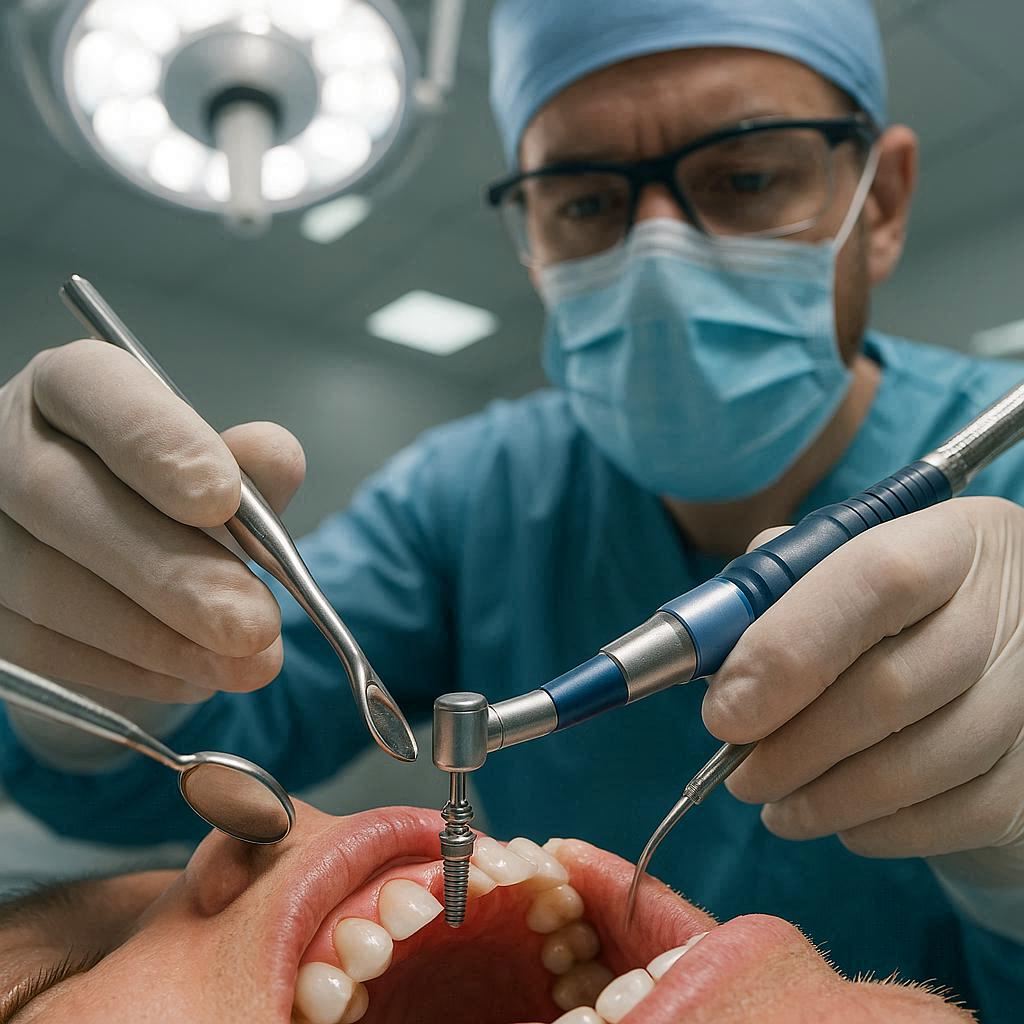
Before we dive into specific timelines, let’s clarify what a dental implant actually is. Think of it as an artificial tooth root. A small titanium post is surgically placed into your jawbone. Over time, your bone grows around this post. This creates a rock-solid foundation. Then, an abutment and crown are attached on top.
This process takes time because your body needs to heal. Rushing it would risk failure. So, when you ask “tooth implant how long does it take,” remember: patience now saves trouble later.
Why Healing Cannot Be Rushed
Your jawbone must bond with the titanium implant. Dentists call this osseointegration. It is a biological process. It happens at its own speed. For most people, this takes between three and six months.
Skipping healing time can lead to:
- Loose implants
- Infection
- Complete implant failure
A good dentist will never cut corners. And neither should you.
The General Timeline for a Standard Tooth Implant
Let’s break the entire procedure into clear stages. Keep in mind: this timeline assumes you already have a healthy jawbone and no active infection.
| Stage | What Happens | Typical Duration |
|---|---|---|
| 1. Initial consultation | Exams, X-rays, CT scan, treatment plan | 1–2 hours (same day) |
| 2. Tooth extraction (if needed) | Removing damaged tooth | 30–60 minutes |
| 3. Bone grafting (if needed) | Adding bone material to weak areas | 60–90 minutes |
| 4. Bone healing (after graft) | Waiting for graft to fuse | 3–6 months |
| 5. Implant placement surgery | Inserting titanium post | 1–2 hours |
| 6. Osseointegration | Bone grows around implant | 3–6 months |
| 7. Abutment placement | Connecting piece for crown | 30 minutes |
| 8. Gum healing (after abutment) | Soft tissue settles | 2–6 weeks |
| 9. Final crown placement | Attaching new tooth | 30–60 minutes |
Total standard time: 4 to 9 months (without bone grafting)
With bone grafting: 9 to 12 months or more
Detailed Breakdown: Month by Month
Let’s walk through a real-life case. Meet Sarah. She lost a lower molar due to decay. She is healthy, does not smoke, and has good bone density.
Month 1: Consultation and Preparation
Sarah visits her dentist for a full exam. They take digital X-rays and a 3D CT scan. This map shows bone height, width, and density. The dentist confirms she has enough bone. No grafting needed.
She schedules the implant placement surgery for three weeks later.
Key takeaway: A thorough exam prevents surprises later.
Month 2: Implant Placement Surgery
Surgery day arrives. Sarah receives local anesthesia. She feels pressure but no pain. The dentist makes a small incision in her gum. Then, he drills a precise hole in the jawbone. The titanium post goes in. Finally, he places a healing cap or a temporary crown over it.
The entire procedure takes about 90 minutes. Sarah goes home the same day. She experiences mild swelling for three to four days.
Months 3 to 6: Osseointegration (The Waiting Period)
Now comes the most important phase. Sarah’s jawbone begins growing onto the implant surface. She feels no discomfort. She eats soft foods and maintains good oral hygiene.
During this time, the implant becomes part of her body. This bond needs to be strong enough to support daily chewing forces.
Most patients wait four to six months for lower jaw implants. Upper jaw implants often need six months or longer because the bone is less dense.
Month 7: Abutment Placement
Healing is complete. Sarah returns to the dentist. A small metal or ceramic connector (abutment) is screwed into the implant. This step is minor. It takes about 30 minutes under local anesthesia.
Her gum needs another two to four weeks to heal around the abutment. This creates a natural-looking emergence for the crown.
Month 8: Final Crown Placement
The moment Sarah has been waiting for. Her permanent crown is ready. It is custom-made to match the color, shape, and size of her other teeth. The dentist checks the fit and bite. Then, he cements or screws it onto the abutment.
Sarah walks out with a fully functional, beautiful new tooth.
Total time for Sarah: 8 months.
Does a Tooth Implant Take Longer for Front Teeth?
Front teeth implants follow the same biological timeline. The difference is aesthetic. Dentists must be extra careful with gum shape and color matching. Sometimes, they place a temporary, non-functional crown during healing. This keeps the smile looking natural.
For front teeth, the total time is usually 6 to 9 months. The process may be slightly longer if gum sculpting is needed.
Same-Day Implants: Is It Really Possible?
You have probably seen ads promising “teeth in a day.” This is real, but only for select patients.
Same-day implants, also called immediate loading, allow a temporary crown to be placed on the same day as the implant surgery. The permanent crown comes later.
Who qualifies for same-day implants?
- Good, thick jawbone (no grafting needed)
- No active infection
- Non-smoker
- Good overall health
- Implant in the front or premolar area (less chewing force)
Who should NOT rush?
- Heavy grinders or clenchers
- Patients with bone loss
- Smokers
- Those getting implants in molar areas
Even with same-day implants, the implant still needs osseointegration. The temporary crown is designed to avoid pressure. Full permanent crown placement happens after four to six months.
Important note: Same-day implants are not for everyone. A responsible dentist will never promise a rushed timeline if your bone or health conditions say otherwise.
Factors That Extend the Tooth Implant Timeline
Every person heals differently. Several variables can make your implant journey longer than average.
1. Bone Grafting (Most Common Delay)
If you have missing teeth for many months or years, your jawbone shrinks. It is a natural process called resorption. Without enough bone, the implant cannot be placed safely.
A bone graft uses material from:
- Your own bone (chin, hip, or shin)
- A donor (human or animal bone)
- Synthetic bone substitute
After grafting, you must wait three to six months for new bone to form. Sometimes, large grafts require nine months.
2. Sinus Lift (For Upper Back Teeth)
The upper jaw’s back teeth sit close to your sinus cavity. If bone height is less than 4–5 mm, a sinus lift is needed. The dentist lifts the sinus membrane and places bone graft material underneath.
Sinus lift healing adds four to nine months to your timeline.
3. Infection or Gum Disease
Active gum disease (periodontitis) must be treated before implant surgery. This can add several weeks or months, depending on severity.
4. Smoking
Smoking slows blood flow to the gums and bone. It significantly increases implant failure risk. Many dentists require smokers to quit for at least two weeks before surgery and throughout healing. Some patients need extra healing time.
5. Medical Conditions
Uncontrolled diabetes, osteoporosis, autoimmune diseases, or cancer treatments can slow healing. Your dentist will work with your physician to find a safe timeline.
6. Age and General Health
Young adults (under 18) usually wait until jaw growth is complete. Older adults heal well if they are healthy. But chronic conditions may require longer recovery windows.
Timeline Comparison: Standard vs. Complex Cases
Here is a quick visual reference for different scenarios.
| Patient Profile | Bone Graft Needed | Estimated Total Time |
|---|---|---|
| Healthy, non-smoker, good bone | No | 4–6 months |
| Healthy, non-smoker, front tooth | No | 6–9 months |
| Healthy, some bone loss | Yes (small graft) | 8–10 months |
| Smoker, good bone | No (but must quit) | 6–8 months |
| Large bone loss in upper back | Yes + sinus lift | 10–14 months |
| Multiple implants with full arch | Yes (often) | 6–12 months |
What to Expect After Each Procedure
Understanding recovery helps you plan your life and work schedule.
After Tooth Extraction
- Pain level: Mild to moderate for 1–3 days
- Swelling: Peaks at 48 hours
- Return to normal activities: 1–2 days
- Soft food diet: 5–7 days
After Bone Grafting
- Pain level: Moderate for 3–5 days
- Swelling: 3–5 days
- Return to normal activities: 2–3 days (avoid heavy lifting)
- Soft food diet: 2 weeks
After Implant Placement Surgery
- Pain level: Mild to moderate for 3–5 days
- Swelling: 3–5 days
- Return to normal activities: 1–2 days
- Soft food diet: 1–2 weeks
After Abutment Placement
- Pain level: Very mild (like a filling)
- Swelling: Minimal
- Return to normal activities: Same day
- Soft food diet: 2–3 days
After Final Crown Placement
- Pain level: None (slight pressure adjustment)
- Return to normal activities: Immediately
- Normal diet: Can resume after 24 hours (avoid extremely hard foods)
Healing Timeline Checklist for Patients
Use this simple checklist to track your progress.
Before Surgery
- Complete dental exam and X-rays
- Treat any gum disease or cavities
- Discuss medical history and medications
- Quit smoking (if possible)
- Arrange time off work (2–3 days recommended)
Week 1 After Implant Surgery
- Rest with head elevated
- Apply ice packs (20 minutes on, 20 off)
- Take prescribed antibiotics and pain relievers
- Rinse gently with salt water after 24 hours
- Eat soft foods (yogurt, soup, smoothies, mashed potatoes)
- Avoid brushing the surgical site
Months 1–3
- Maintain gentle oral hygiene
- Use a soft toothbrush
- Attend follow-up appointments (usually at 2 weeks, 6 weeks, and 3 months)
- Avoid chewing on the implant side
- Report any unusual pain, swelling, or mobility
Months 4–6
- Confirm osseointegration with X-rays
- Schedule abutment placement
- Prepare for final crown impressions
Final Phase
- Try in temporary crown (if used)
- Approve final crown shade and shape
- Receive permanent crown
- Schedule annual implant check-ups
Can You Speed Up the Tooth Implant Process?
You cannot change biology. But you can avoid unnecessary delays. Here is what works.
✅ Do This to Stay on Schedule
- Follow all post-op instructions precisely
- Keep every follow-up appointment
- Maintain excellent oral hygiene (brush twice, floss daily)
- Eat a bone-friendly diet (calcium, vitamin D, protein)
- Stay hydrated
- Manage blood sugar if diabetic
- Quit smoking completely (or at least during healing)
❌ Avoid These Common Mistakes
- Chewing on the healing implant
- Skipping antibiotics
- Using straws (can dislodge blood clots)
- Smoking or vaping
- Ignoring signs of infection (redness, pus, fever)
- Missing check-up appointments
Realistic advice: Do not try to “rush” your dentist into placing the crown earlier than recommended. Failed implants cost more money, more time, and more pain than waiting the full healing period.
What Happens If an Implant Fails?
Implant failure is rare (about 2–5% of cases). But it can happen. Typical causes include:
- Poor bone integration
- Infection around the implant (peri-implantitis)
- Overloading the implant too soon
- Uncontrolled medical conditions
If an implant fails, the dentist removes it. You then wait for the bone to heal (another two to three months). Then, you can try again, often with a larger implant or bone graft.
Adding a failure and retry can extend your timeline to 12–18 months total.
How Long Do Tooth Implants Last Once Finished?
Here is good news. Once you have your final crown, a well-maintained implant can last 20, 30, or even 50 years. Some patients keep theirs for life.
The crown itself may wear out after 10–15 years. But the titanium post remains indefinitely if kept healthy.
Compare that to a dental bridge (7–10 years average lifespan) or dentures (5–8 years). Implants win the longevity race.
Real Patient Stories: Different Journeys
Case 1: Mark, Age 45, Lower Molar
- Starting point: Missing tooth for 2 years, good bone
- Timeline: No graft needed. Implant surgery at month 1. Osseointegration for 4 months. Abutment and crown by month 6.
- Total: 6 months
- Outcome: Chewing steak the same week as final crown.
Case 2: Linda, Age 62, Upper Premolar
- Starting point: Lost tooth 5 years ago. Significant bone loss.
- Timeline: Bone graft at month 1. Healed for 5 months. Implant surgery month 6. Osseointegration for 6 months. Crown at month 13.
- Total: 13 months
- Outcome: Happy with result but wishes she acted sooner.
Case 3: James, Age 34, Front Tooth
- Starting point: Tooth knocked out in an accident. Immediate treatment.
- Timeline: Same-day temporary crown after extraction and implant placement. Healed for 5 months with temporary crown. Permanent crown at month 6.
- Total: 6 months
- Outcome: Smile looks completely natural.
Cost vs. Time: Is Faster More Expensive?
Same-day implant procedures often cost 20–30% more than standard timelines. Why? They require special equipment, materials, and advanced skills.
| Procedure Type | Approximate Cost (USA) | Total Time |
|---|---|---|
| Standard implant + crown | 3,000–5,000 | 4–9 months |
| Same-day implant (front tooth) | 4,500–7,000 | 4–6 months |
| Implant with bone graft | 5,000–8,000 | 9–12 months |
| Implant with sinus lift + graft | 6,000–10,000 | 10–14 months |
| Full arch (All-on-4) | 20,000–30,000 per arch | 6–12 months |
Note: Dental insurance often covers part of the crown, but rarely the implant itself. Ask your provider for a pre-treatment estimate.
How to Choose the Right Dentist for Your Implant
The dentist’s skill directly affects your timeline and success rate. Look for:
- Experience: Prefer Oral surgeons or periodontists for complex cases.
- Technology: In-house 3D CT scan, digital impressions, and same-day crown milling speed up some steps.
- Clear timeline discussion: A good dentist will not give you a one-size-fits-all answer.
- Before/after photos: Real results from similar cases.
- Patient reviews: Look for comments about communication and follow-up care.
Ask these questions during your consultation:
- Based on my X-rays, do I need a bone graft?
- What is your implant success rate?
- Do you use immediate loading? If so, am I a candidate?
- How many implant procedures do you perform per month?*
- What is your policy if my implant fails?
Important Notes for Readers
🔹 Do not book implant surgery before vacation or a major event. Healing requires rest and easy access to your dentist if complications arise.
🔹 If you have dental anxiety, ask about sedation options. Nitrous oxide (laughing gas) or oral sedatives can make long procedures comfortable.
🔹 Always get a written treatment plan with time estimates and costs. This protects you from unexpected delays or bills.
🔹 Healing times vary between upper and lower jaws. Lower jaw typically heals faster because it has denser bone and better blood supply.
🔹 Pregnant women should postpone implant treatment until after delivery. Elective surgery is not recommended during pregnancy.
Frequently Asked Questions (FAQ)
1. Can I get a tooth implant in one day?
Yes, but only a temporary crown. The permanent crown still requires months of healing. True “one-day” implants are rare and only for ideal candidates.
2. How long does a tooth implant take without bone graft?
For a healthy patient with good bone, the process takes 4 to 6 months from surgery to final crown.
3. How long does a tooth implant take with bone graft?
Add 3 to 6 months for bone graft healing. Total time: 8 to 12 months on average.
4. Is the implant procedure painful?
You should feel no pain during surgery because of anesthesia. Afterward, mild to moderate soreness lasts 3–5 days. Most patients say it is less painful than a tooth extraction.
5. How long does a tooth implant last?
The titanium post can last a lifetime. The crown lasts 10–15 years before needing replacement.
6. Can I go to work the next day after implant surgery?
Many people return to desk jobs after 24–48 hours. Avoid heavy physical work for one week.
7. Why does my implant feel loose after a few months?
A loose implant is not normal. Contact your dentist immediately. It may indicate failed osseointegration.
8. Can I smoke with a healing implant?
No. Smoking significantly increases failure risk. Quit at least two weeks before surgery and throughout healing.
9. How long after extraction can I get an implant?
Immediate placement (same day) is possible if no infection. Otherwise, wait 4–6 weeks for gum healing. Delayed placement (after bone grafting) can be 3–12 months.
10. What happens if I wait too long to get an implant?
Your jawbone will shrink over time. You will eventually need a bone graft, which extends the total timeline and cost.
Additional Resource
For a deeper dive into implant healing science, complications, and long-term maintenance, visit the American Academy of Implant Dentistry’s patient education library:
🔗 https://www.aaid.com/patients/index.html (External link – opens in new tab)
This official resource provides peer-reviewed information, searchable directories of implant dentists, and printable guides for your appointments.
Conclusion: So, How Long Does a Tooth Implant Really Take?
To summarize: A standard tooth implant takes four to nine months for patients with healthy bone. If you need a bone graft or sinus lift, expect nine to fourteen months. Same-day implants shorten the visible waiting period but still require months of hidden healing. The most important factor is not speed — it is a strong, lasting result. Follow your dentist’s timeline, care for your healing implant, and you will enjoy a new tooth that can last decades longer than any alternative.
Disclaimer: This article provides general information and does not replace professional medical advice. Always consult a licensed dentist or oral surgeon for a personal evaluation of your dental health and implant timeline.