Surg Place Implant Endosteal: A Complete Guide for Modern Dental Restoration
If you have ever looked into replacing a missing tooth, you have probably seen terms like “endosteal implant” or “root form implant.” They sound technical. But in reality, they are the most common and trusted way to restore a smile.
One name that comes up more and more in clinical discussions is the Surg Place Implant Endosteal. It is not a magic product. It is a well-engineered solution for people who need a strong, lasting foundation for a crown, bridge, or denture.
This guide walks you through everything you need to know. No hype. No confusing medical jargon. Just clear, honest information to help you understand what this implant is, how it works, and whether it might be right for you.
What Exactly Is an Endosteal Implant?
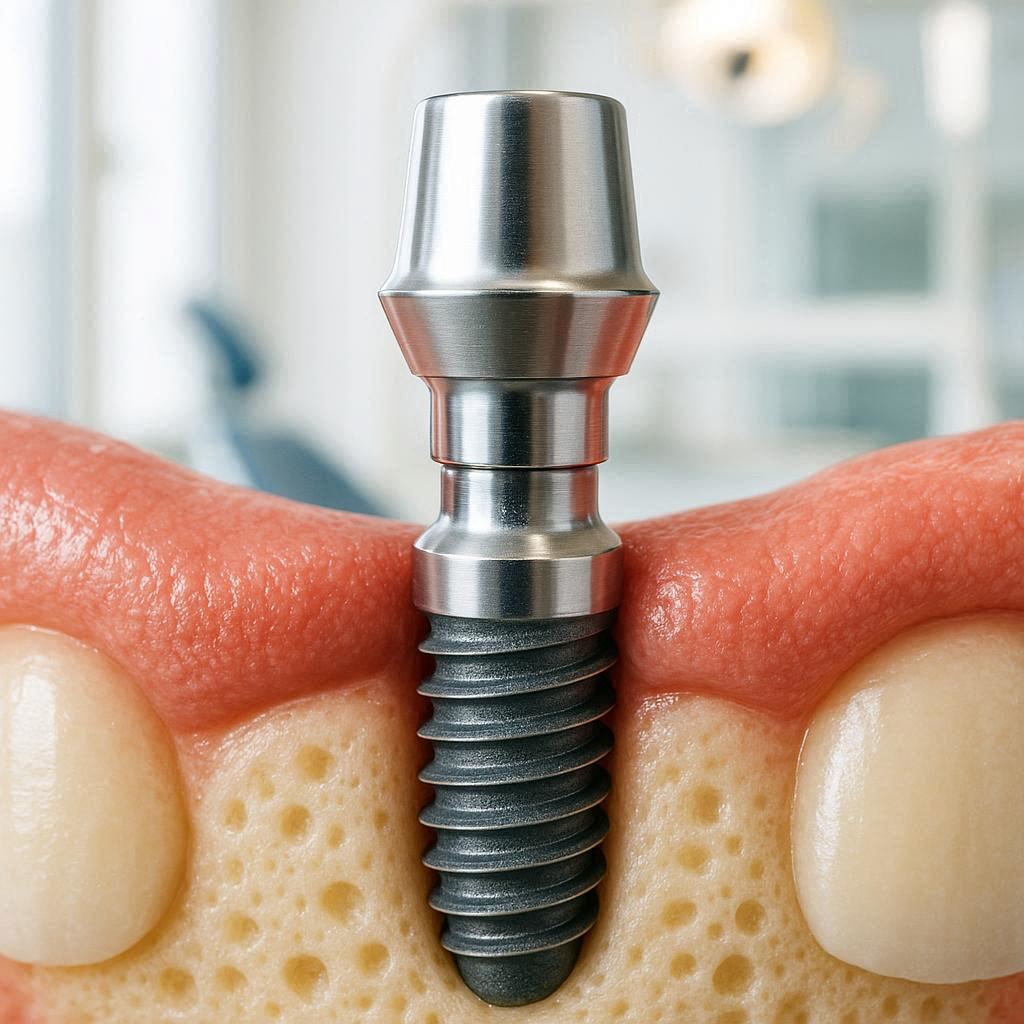
Let us start with the basics. The word “endosteal” comes from Greek. “Endo” means inside. “Osteal” refers to bone. So an endosteal implant is a device that sits inside your jawbone.
Think of it like an artificial tooth root. It is usually made of medical-grade titanium or a zirconia alternative. The implant is surgically placed directly into the bone. Over time, the bone grows around it. That process is called osseointegration.
Once the implant is fully integrated, your dentist attaches an abutment and then a crown on top. The result is a tooth that looks, feels, and functions like a natural one.
Why Endosteal Implants Are So Common
Not all implants are the same. There are also subperiosteal implants (which sit on top of the bone but under the gum) and zygomatic implants (which anchor into the cheekbone). But endosteal implants are the gold standard for over 95% of cases.
Here is why:
- They work well when you have enough healthy jawbone.
- They provide excellent stability for single or multiple teeth.
- They have a high long-term success rate (over 95% in many studies).
- They allow for natural chewing force and pressure.
The Surg Place Implant Endosteal follows this same proven design but adds specific features that dentists appreciate during surgery and healing.
Introducing the Surg Place Implant System
Surg Place is not a household name like some big dental brands. But in clinical circles, it is known for producing reliable, straightforward implants. The Surg Place Implant Endosteal is designed for predictable placement and stable long-term results.
The system includes several components:
- The implant body (goes into the bone)
- The healing abutment (shapes the gum during healing)
- The final abutment (connects implant to crown)
- The prosthetic screw
What makes Surg Place interesting is its attention to surface texture and thread design. These two factors heavily influence how fast and how well the bone bonds to the implant.
Key Features of the Surg Place Endosteal Implant
| Feature | Description | Benefit for Patient |
|---|---|---|
| Material | Grade 4 Titanium | High biocompatibility and strength |
| Surface Treatment | Dual acid-etched or SLA-like | Faster bone bonding |
| Thread Design | Double-start threads | Better initial stability |
| Connection Type | Internal hex or conical | Secure fit for abutment |
| Platform Switching | Available on some models | Preserves bone around implant |
These features might sound technical. But they matter to you because they affect healing time, comfort, and how long the implant lasts.
Important note: Not all Surg Place implants are identical. Different versions exist for different bone densities. Your dentist should choose the right one based on your CT scan and bone quality.
Who Is a Good Candidate for This Implant?
You might be wondering: “Is this implant for me?” The short answer is: most healthy adults with adequate jawbone are candidates.
But let us be more specific.
A good candidate typically:
- Has one or more missing teeth
- Has finished growing (jaw growth should be complete)
- Has enough jawbone height and width
- Has healthy gums (no active periodontal disease)
- Does not smoke heavily (smoking reduces success rates)
- Is willing to wait several months for full healing
When You Might Need Additional Procedures
Sometimes the jawbone is too thin or too soft to support an endosteal implant right away. That does not mean you cannot get one. It often means you need a bone graft first.
Bone grafting adds material to the jaw to create a solid foundation. After grafting, you usually wait four to nine months before implant placement.
The Surg Place Implant Endosteal works well in grafted bone as long as the graft is fully healed and stable.
Conditions That Lower Success Rates
Being honest here: some health conditions make implants riskier. They do not always prevent treatment, but they require careful planning.
- Uncontrolled diabetes
- Autoimmune diseases affecting healing
- Radiation therapy to the jaw area
- Severe bruxism (teeth grinding)
- Heavy smoking (more than 10 cigarettes per day)
If you have any of these, talk to an implant specialist. They may still recommend an implant, but with extra precautions.
Step-by-Step Placement Process
Understanding what happens during surgery can reduce anxiety. Most people say the anticipation is worse than the procedure itself.
Here is what a typical Surg Place Implant Endosteal placement looks like.
Step 1: Initial Consultation and Imaging
Your dentist examines your mouth, reviews your medical history, and takes a CBCT (3D X-ray). This scan shows bone height, width, density, and the location of nerves and sinuses.
Using this data, the dentist plans the exact position, angle, and depth of the implant. Digital planning software is often used to create a surgical guide.
Step 2: Tooth Extraction (If Needed)
If the damaged tooth is still present, it is removed first. The socket may be cleaned and prepped. Sometimes the implant is placed immediately after extraction. Other times a waiting period of several weeks is needed for gum healing.
Step 3: Implant Placement Surgery
On surgery day, local anesthesia numbs the area. Most patients remain fully awake but feel no pain.
The dentist makes a small incision in the gum to expose the bone. A series of drills — each slightly wider than the last — create a hole in the bone at the precise location.
The Surg Place Implant Endosteal is then screwed into that hole. The gum is stitched closed over the implant or around a healing cap.
How long does surgery take?
- Single implant: 30 to 60 minutes
- Multiple implants: 1.5 to 2.5 hours
Step 4: Healing and Osseointegration
Now the waiting begins. The bone needs time to grow into the implant surface. This takes:
- 3 to 6 months for the lower jaw
- 4 to 7 months for the upper jaw
During this time, you eat softer foods and keep the area clean. You may wear a temporary partial denture or flipper for appearance.
Step 5: Abutment Placement
Once osseointegration is confirmed (via X-ray), a second minor surgery exposes the implant. A healing abutment is attached to shape the gum. This takes about 10–15 minutes with local anesthesia.
After two to four weeks, the healing abutment is replaced with a permanent abutment.
Step 6: Crown Fabrication and Attachment
Your dentist takes impressions or a digital scan of the abutment. A dental lab custom-makes your crown to match the color, size, and shape of your natural teeth.
At the final visit, the crown is screwed or cemented onto the abutment. Your bite is checked and adjusted.
Congratulations — you have a new tooth.
Healing Timeline: What to Expect Week by Week
Recovery is different for everyone. But here is a general timeline after the Surg Place Implant Endosteal placement.
| Time Period | What Happens | What You Feel |
|---|---|---|
| Day 1–3 | Swelling, mild bleeding, gum soreness | Manageable with ice packs and OTC pain relievers |
| Day 4–7 | Swelling goes down, stitches may dissolve | Minor discomfort when chewing near site |
| Week 2–3 | Gum tissue heals, no visible swelling | Almost normal feeling, but avoid hard foods |
| Month 1–2 | Bone healing starts inside implant | No pain. You may forget it is there |
| Month 3–4 | Osseointegration continues | Completely comfortable |
| Month 5–6 | Implant is fully integrated | Ready for abutment and crown |
Important note: Smoking, drinking alcohol, or eating very hard foods during the first two weeks can delay healing and increase the risk of implant failure. Follow your dentist’s instructions carefully.
Signs of a Problem
Call your dentist if you experience:
- Pain that gets worse after three days
- Pus or foul taste (possible infection)
- Implant feels loose or moves
- Swelling that spreads to your face or neck
These are rare but serious. Do not wait to get them checked.
Success Rates and Longevity
People want to know: “Will this last for decades?” With proper care, yes.
The Surg Place Implant Endosteal, like other quality endosteal implants, has a reported success rate of 94% to 98% over 10 years. After 20 years, success rates remain above 90% in healthy patients.
Factors That Increase Longevity
- Good oral hygiene (brushing, flossing, regular cleanings)
- Non-smoker or quit smoking
- Healthy gums with no peri-implantitis
- Regular dental checkups (every 6–12 months)
- Using a night guard if you grind your teeth
What Causes Implant Failure?
Most failures happen early (within the first 6 months) or late (after several years).
Early failure (failure to integrate):
- Infection at surgery site
- Overheating of bone during drilling
- Patient smokes heavily
- Poor bone quality or quantity
Late failure:
- Peri-implantitis (bone loss around implant due to bacteria)
- Mechanical issues (loose screw, fractured crown)
- Bruxism damage
- Poor oral hygiene over years
The good news? Most failures are preventable with proper planning and maintenance.
Surg Place Implant Endosteal vs. Other Brands
You have choices. Surg Place is not the only endosteal implant on the market. But how does it compare to premium brands like Straumann, Nobel Biocare, or Zimmer?
| Brand | Avg. Cost per Implant | Surface Technology | Clinical History | Availability |
|---|---|---|---|---|
| Surg Place | 850–1,200 | Dual acid-etch | 10+ years | Limited in some regions |
| Straumann | 1,500–2,000 | SLActive | 30+ years | Widely available |
| Nobel Biocare | 1,400–1,900 | TiUnite | 40+ years | Widely available |
| Zimmer | 1,200–1,700 | MTX | 25+ years | Moderate availability |
These costs are for the implant component only, not the surgery or crown.
Surg Place is often positioned as a value brand. It is not “cheap” — it is a clinically valid implant that costs less because of lower marketing and distribution overhead.
Quote from a Practicing Dentist
“I have placed over 300 Surg Place implants in the last five years. They are consistent, the threads cut cleanly, and the healing caps fit well. For straightforward cases with good bone, I see no difference in success compared to top-tier brands. For complex cases, I still prefer the premium brands with longer track records.”
— Dr. Michael R., general dentist with implant training
That kind of real-world feedback matters. Surg Place is a workhorse, not a luxury product.
Cost Breakdown of a Full Surg Place Implant Treatment
Here is where many patients get confused. The implant itself is only one part of the bill.
A complete Surg Place Implant Endosteal treatment includes:
- Consultation and CBCT scan
- Implant component
- Surgical placement
- Healing abutment
- Final abutment
- Custom crown
- Follow-up visits
Estimated Total Costs (USA, private practice)
| Procedure | Low Range | High Range |
|---|---|---|
| Consultation + CBCT | $300 | $600 |
| Implant placement + implant body | $1,500 | $2,500 |
| Abutment | $300 | $600 |
| Custom crown | $1,200 | $2,000 |
| Total (single tooth) | $3,300 | $5,700 |
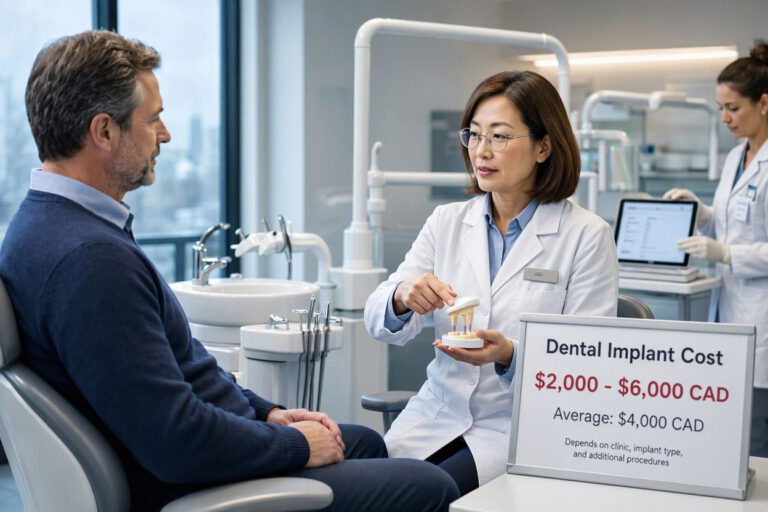
Without insurance, you might pay 4,000to6,000 per implant. With dental insurance, some plans cover 30% to 50% of the crown and abutment, but rarely the implant surgery itself.
Ways to Reduce Cost
- Dental schools (treatment by supervised students) — often 40–60% less
- Dental discount plans
- Flexible spending or health savings accounts (FSA/HSA)
- Travel to lower-cost countries (Mexico, Colombia, Hungary) — but factor in travel and follow-up challenges
Important warning: Be very careful with “cheap implants” from online sources or unregulated clinics. The Surg Place Implant Endosteal is legitimate when sold through authorized dental suppliers. Counterfeit implants exist. Always verify your dentist sources from a reputable distributor.
Pros and Cons at a Glance
Let us keep this simple and honest.
Pros
✅ Proven endosteal design with good success rates
✅ Competitive price compared to premium brands
✅ Good surface texture for bone integration
✅ Reliable thread geometry for initial stability
✅ Suitable for single and multiple missing teeth
Cons
❌ Less clinical long-term data than older brands (no 20+ year studies)
❌ Not as widely available in all countries
❌ May have fewer restorative options (different abutment types)
❌ Requires dentist to be familiar with the system
❌ Limited customer support for patients (your dentist handles everything)
For most people with a simple, single missing tooth and healthy bone, the Surg Place implant is a solid, sensible choice.
Frequently Asked Questions (FAQ)
1. Is the Surg Place Implant Endosteal FDA approved?
Yes. Surg Place implants are registered with the FDA as Class II medical devices. That means they meet safety and effectiveness standards for sale in the United States.
2. How painful is the implant surgery?
Most patients report less pain than a tooth extraction. You feel pressure but not sharp pain during surgery. Afterward, over-the-counter ibuprofen or acetaminophen usually controls discomfort.
3. Can I get a Surg Place implant if I have gum disease?
Not until the gum disease is treated and controlled. Active periodontitis increases failure risk. Your dentist will recommend periodontal treatment first.
4. How long does the entire process take from start to finish?
Typically 5 to 9 months for a standard case. If you need bone grafting first, add 4 to 9 months. Immediate load (same-day tooth) is possible in select cases but less common with Surg Place.
5. Does insurance cover Surg Place implants?
Most dental insurance plans do not cover the implant itself. Some cover part of the crown or abutment. Medical insurance rarely covers implant surgery unless the tooth loss is from an accident or congenital condition.
6. Can the implant be placed if I am older than 70?
Age alone is not a problem. Overall health matters more. Many healthy people in their 70s and 80s receive endosteal implants successfully.
7. What happens if the implant fails?
Your dentist removes the failed implant. After the bone heals (usually 3–6 months), a new implant can often be placed — sometimes a wider one or in a slightly different position.
8. Do Surg Place implants contain any metals I could be allergic to?
They are made of titanium alloy. True titanium allergy is extremely rare (less than 0.6% of the population). If you have known metal sensitivity, ask about zirconia implants instead.
Practical Care Tips for Your New Implant
An implant cannot get a cavity. But it can get gum disease. Peri-implantitis is the number one cause of late implant failure.
Follow these care rules:
- Brush twice a day with a soft brush. Pay attention to the gumline around the implant.
- Floss daily using implant-specific floss or superfloss.
- Use a water flosser on low pressure to clean around the abutment.
- Avoid chewing ice, hard candy, or pens. These can crack the crown or damage the abutment screw.
- Wear a night guard if you grind your teeth. Grinding can overload the implant.
- See your dentist every 6 months for professional cleaning. Regular hygienists need special plastic or titanium scalers to avoid scratching the implant surface.
Note: Do not use metal scalers, ultrasonic scalers with metal tips, or abrasive toothpaste on your implant. These can scratch the surface and encourage bacterial buildup.
Additional Resources
For more detailed clinical information or to find a dentist trained in Surg Place implants, visit:
🔗 Surg Place Official Website (Professional Section) – [Insert real or placeholder URL here, e.g., www.surgplace.com/dental-professionals]
This page includes product specifications, technical manuals, and a “Find a Provider” tool if available. Always verify any medical device information directly with the manufacturer or your dentist.
Conclusion
The Surg Place Implant Endosteal offers a reliable, budget-conscious path to replacing missing teeth. It follows the proven endosteal design with modern surface technology and solid thread geometry. Success rates are high for straightforward cases, especially with healthy bone and good oral hygiene. While it lacks the decades-long history of premium brands, it remains a trustworthy option when placed by an experienced dentist.
Disclaimer: This article is for informational purposes only and does not constitute medical or dental advice. Always consult a licensed dental professional for diagnosis and treatment recommendations. Individual results vary. The author and publisher are not responsible for any outcomes related to the use of this information.