What’s Good For Mouth Ulcer Treatment?
A mouth ulcer, clinically known as an aphthous ulcer or canker sore, is a shallow, painful erosion of the delicate oral mucosa. These lesions make eating, drinking, and even speaking a painful ordeal. While most ulcers heal spontaneously within one to two weeks, effective treatment focuses on managing the intense pain, accelerating the healing process, and preventing recurrence. This guide provides a comprehensive, tiered approach to mouth ulcer treatment, from simple home remedies to professional prescription interventions.
Understanding the Nature of Mouth Ulcers
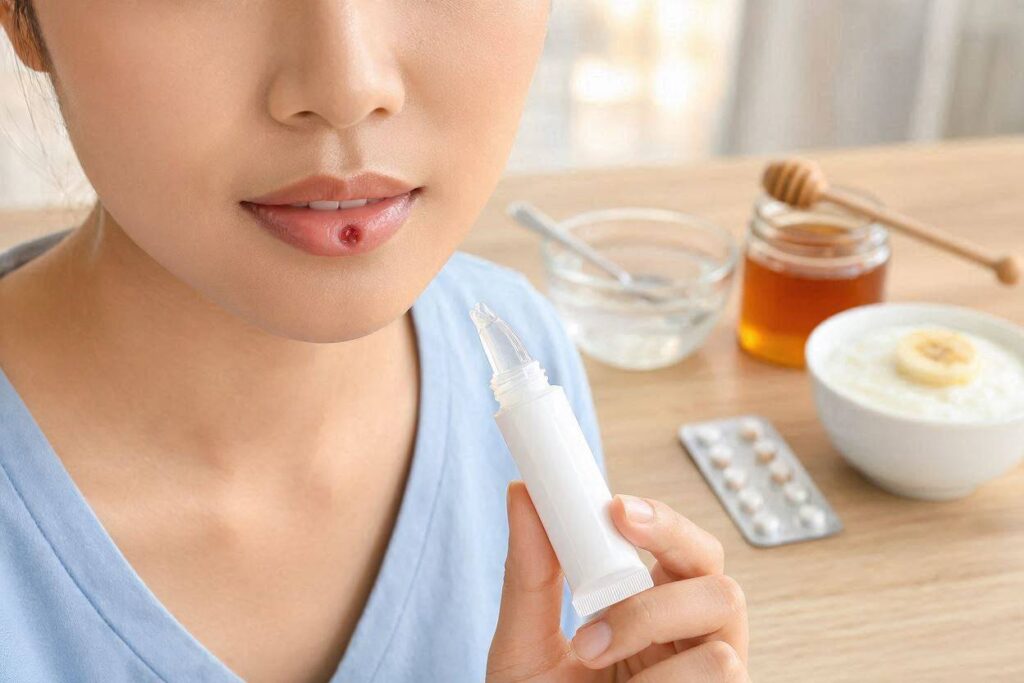
Mouth ulcers are not a single disease but a symptom with multiple potential triggers. They are distinct from cold sores, which are caused by the herpes simplex virus and appear on the outside of the lips as fluid-filled blisters. Aphthous ulcers occur inside the mouth on the non-keratinized, movable mucosa: the inner cheeks, the inner lips, the soft palate, and the floor of the mouth. They appear as round or oval lesions with a white or yellow central fibrinous membrane and a bright red, inflamed halo border.
The precise cause is a dysregulated local immune response. A trigger, such as minor trauma from a toothbrush slip, a sharp food edge, or emotional stress, activates T-lymphocytes and releases inflammatory cytokines. This immune reaction locally destroys a small patch of the mucosal epithelium, creating the painful crater. Nutritional deficiencies, particularly in vitamin B12, folate, and iron, sensitize the mucosa to ulceration. Sodium lauryl sulfate, a common detergent in many toothpastes, can denature the protective mucin layer and trigger ulcers in susceptible individuals.
First-Line Protection: Barrier and Coating Agents
The most immediate goal of treatment is to cover the exposed nerve endings in the ulcer bed. A protective barrier shields the ulcer from the constant irritation of saliva, food, and tongue movement, providing instantaneous, dramatic pain relief. These products do not actively heal the ulcer pharmacologically, but they create an environment where the body’s natural healing can proceed without constant disruption.
Oral Protective Pastes
Carmellose sodium, sold under the brand name Orabase, is a thick, gel-like paste that you apply directly to the dried ulcer. It forms a sticky, protective film that adheres to the wet oral mucosa. The paste physically blocks contact between the ulcer and the oral environment. Apply a small dab to a clean fingertip or a cotton-tipped applicator and gently blot it onto the ulcer. Apply it before meals to make eating comfortable and again at bedtime. The paste is inert, safe to swallow in small amounts, and forms the foundation of symptomatic care.
Film-Forming Gels and Liquids
Newer formulations use a liquid that solidifies into a thin, flexible, invisible film upon contact with the moist ulcer. Products containing polyvinylpyrrolidone and polycarbophil create a micro-thin, flexible seal that lasts for several hours. The application stings briefly as the solvent evaporates, but the resulting film creates a comfortable, durable protective layer. These film-forming agents are superior for ulcers in difficult-to-reach areas like the soft palate or the posterior cheek.
Active Pharmacological Treatments
For ulcers that are large, persistent, or severely painful, active medicinal treatments that modify the inflammatory and infectious environment are necessary. These agents move beyond passive protection and intervene directly in the ulcer’s biology.
Topical Anti-Inflammatory and Analgesic Agents
Benzydamine hydrochloride is a non-steroidal anti-inflammatory drug formulated as an oral rinse or spray. It acts locally to reduce the production of prostaglandins, the inflammatory mediators that cause redness and swelling. It also has a mild numbing effect. Gargle with 15 milliliters of the undiluted solution or spray it directly onto the ulcer for two minutes, then spit it out. Use it three times daily. The combination of pain relief and active anti-inflammation makes it one of the most effective first-line pharmacological treatments.
Choline salicylate gel is another topical analgesic and anti-inflammatory. It is a clear gel applied directly to the ulcer, producing a rapid numbing sensation. In pediatric dentistry, this gel is a mainstay for pain relief from teething and minor oral trauma. For adults with aphthous ulcers, it provides fast-acting relief when applied with a clean finger directly to the lesion.
Antimicrobial Mouth Rinses
Secondary bacterial colonization of the ulcer bed delays healing and intensifies the inflammatory pain. A chlorhexidine gluconate 0.12% mouth rinse, used twice daily, reduces the bacterial load in the oral cavity and on the ulcer surface. Chlorhexidine is not a painkiller, but by disinfecting the lesion, it accelerates the healing trajectory by several days. It is available only by prescription in some countries and over the counter in others. Use it for the duration of the ulcer episode. Note that chlorhexidine can cause temporary brown staining of the teeth, which is removable by a dental professional.
For a natural alternative, a chamomile mouth rinse has mild anti-inflammatory and antimicrobial properties. Brew a strong cup of chamomile tea, let it cool, and use it as a mouth rinse several times a day. While not as potent as chlorhexidine, it is gentle, safe for frequent use, and soothing to the inflamed tissues.
Cauterization and Prescription-Level Interventions
For a single, large, exquisitely painful ulcer that dominates the mouth, a dentist can perform a chemical cauterization. Silver nitrate sticks are applied with precision to the ulcer surface. The chemical cautery destroys the superficial nerve endings in the ulcer bed, providing immediate, complete pain relief after an initial, brief, sharp stinging sensation. The ulcer then heals as a chemically debrided wound. This is a procedure, not a home remedy, and must only be performed by a professional.
For patients with recurrent, debilitating aphthous ulcers, a prescription topical corticosteroid is the gold standard. Fluocinonide gel or clobetasol propionate ointment is applied directly to the lesion at the very first prodromal sign, that tingling sensation before an ulcer erupts. The potent steroid suppresses the local immune attack, often aborting the ulcer entirely or drastically reducing its size, pain, and duration. These are powerful medications with potential side effects, and their use must be supervised by a dentist or physician.
Nutritional and Preventive Strategies
For recurrent ulcer sufferers, treatment must shift from reactive to preventive. Identifying and correcting an underlying nutritional deficiency is the most curative long-term strategy. A simple blood test can measure serum levels of vitamin B12, ferritin, and folate. If a deficiency is found, targeted supplementation frequently reduces the ulcer frequency dramatically or eliminates them entirely.
Dietary modifications are a self-managed preventive tool. An elimination diet can identify trigger foods. Common dietary triggers include acidic fruits like pineapple and citrus, spicy chilies, salty chips, and nuts. Switching to a toothpaste free of sodium lauryl sulfate is a low-cost, zero-risk intervention that significantly helps a subset of patients.
Physical and Stress Management
Mechanical trauma is a frequent trigger. A sharp, chipped tooth edge, a poorly fitting denture flange, or orthodontic brackets can constantly abrade the cheek or lip, inducing ulcers at the same spot repeatedly. A dentist can smooth a rough filling edge or adjust a denture, and an orthodontic patient can use orthodontic wax to cover a sharp bracket hook. These simple physical interventions eliminate the traumatic trigger entirely.
Emotional and physiological stress is a well-documented trigger for aphthous ulcers. During periods of intense work deadlines, exam pressures, or personal crisis, the immune dysregulation increases. While you cannot eliminate stress from life, integrating regular stress-reduction practices such as adequate sleep, exercise, and mindfulness can modulate the body’s stress response and reduce the ulcer threshold.
Conclusion
Effective mouth ulcer treatment combines an immediate protective barrier, like a carmellose paste or a film-forming gel, with an active pharmacological agent, such as a benzydamine rinse, chlorhexidine, or, for severe cases, a prescription topical steroid. Identifying and correcting the underlying trigger, whether it is a nutritional deficiency, a dietary irritant, or a traumatic tooth edge, shifts the strategy from managing individual lesions to preventing their recurrence entirely. A dentist’s professional evaluation is essential for any ulcer that is unusually large, persists beyond two weeks, or recurs with debilitating frequency.
Frequently Asked Questions
Q: How can I tell if my mouth ulcer is something serious like cancer?
A: A simple aphthous ulcer heals completely within 14 days. An oral cancer lesion is often painless, persists for more than three weeks, is indurated or hard to the touch, and may bleed easily. Any non-healing ulcer that lasts longer than three weeks must be evaluated by a dentist or oral surgeon immediately.
Q: Does putting salt directly on a mouth ulcer help?
A: It is a traditional folk remedy, and it will numb the area after an intense, initial burning sensation. However, it is an osmotic shock that irritates and dehydrates the healthy cells around the ulcer. A protective paste or a benzydamine rinse is far gentler and more clinically effective.
Q: Are mouth ulcers contagious?
A: No. Aphthous ulcers are not caused by an infectious agent and cannot be passed from person to person. They are a localized immune-mediated condition. They are completely different from cold sores, which are caused by a contagious virus.
Additional Resource
For reliable, evidence-based patient information on the diagnosis and management of recurrent oral lesions, the following national organization provides excellent guidance.
- American Academy of Oral Medicine: aaom.com