Can Anyone Get A Dental Implant?
Dental implants are a remarkable solution for replacing missing teeth. They offer stability, durability, and a natural appearance that other options cannot match. However, dental implants are not suitable for everyone. Certain conditions and factors can affect whether you are a good candidate for this treatment.
This guide explains who can get dental implants, what factors affect candidacy, and what alternatives exist for those who are not suitable candidates.
Basic Requirements for Dental Implants
While most people with missing teeth can get implants, certain basic requirements must be met.
Healthy Gums
Healthy gums are essential for implant success. The gums provide a protective seal around the implant, preventing bacteria from reaching the bone. If you have active gum disease, it must be treated before implant placement.
Adequate Bone Density
The implant post needs sufficient bone to anchor securely. If you have experienced bone loss, you may need a bone graft before implant placement. Without adequate bone, the implant cannot integrate properly.
Good Overall Health
Your general health affects your ability to heal after surgery. Conditions like uncontrolled diabetes, autoimmune disorders, and certain medications can impair healing and increase the risk of implant failure.
Commitment to Oral Hygiene
Dental implants require the same level of care as natural teeth. You must be willing to brush, floss, and visit your dentist regularly. Poor oral hygiene can lead to peri-implantitis and implant failure.
Factors That Affect Candidacy
Several specific factors can affect whether you are a good candidate for dental implants.
Age
There is no upper age limit for dental implants. Many patients in their 70s, 80s, and even 90s successfully receive implants. The key factor is overall health, not chronological age.
For younger patients, implants are typically delayed until the jaw has finished growing. This usually occurs around age 18 for girls and age 21 for boys.
Smoking
Smoking significantly increases the risk of implant failure. Nicotine constricts blood vessels, reducing blood flow to the surgical site. This impairs healing and increases the risk of infection.
Many dentists recommend quitting smoking before implant placement. Some will not place implants in active smokers due to the high failure rate.
Diabetes
Patients with well-controlled diabetes can successfully receive implants. However, uncontrolled diabetes impairs healing and increases the risk of infection. Blood sugar levels should be well-managed before and after surgery.
Osteoporosis
Osteoporosis itself does not prevent implant placement. However, some medications used to treat osteoporosis, particularly bisphosphonates, can affect bone healing. Discuss your medications with your dentist.
Pregnancy
Dental implants are not placed during pregnancy. The surgery and associated medications can pose risks to the developing fetus. It is best to wait until after pregnancy to proceed with implant treatment.
Radiation Therapy
Patients who have received radiation therapy to the head or neck area may have compromised bone healing. Implants may still be possible, but the success rate is lower. Hyperbaric oxygen therapy may be recommended before implant placement.
Conditions That May Prevent Implants
Some conditions may make dental implants inadvisable or impossible.
Active Gum Disease
Active periodontal disease must be treated before implant placement. The infection can compromise healing and lead to implant failure.
Insufficient Bone
If you have severe bone loss and cannot or do not want to undergo bone grafting, implants may not be possible. Alternative treatments like dentures or bridges may be more suitable.
Uncontrolled Medical Conditions
Uncontrolled diabetes, autoimmune disorders, or other serious medical conditions may make implant surgery too risky. These conditions must be stabilized before proceeding.
Certain Medications
Some medications, particularly bisphosphonates used for osteoporosis, can increase the risk of a condition called osteonecrosis of the jaw. This is a serious complication that can occur after dental surgery.
Severe Bruxism
Patients with severe teeth grinding may place excessive force on implants, leading to failure. A night guard may be recommended, but severe bruxism can still compromise implant success.
Bone Grafting and Implant Candidacy
If you have insufficient bone, bone grafting may make implants possible.
What Is Bone Grafting?
Bone grafting involves adding bone material to the jaw to create a stronger foundation for implants. The graft material can come from your own body, a donor, or synthetic sources.
Types of Bone Grafts
Several types of bone grafts are available. Socket preservation grafts are placed at the time of tooth extraction. Ridge augmentation builds up the bone width. Sinus lifts add bone to the upper jaw.
Healing Time
Bone grafts require three to six months to heal before implants can be placed. This extends the overall treatment timeline.
Success Rates
Bone grafting has a high success rate. Most patients who undergo grafting can proceed with implant placement successfully.
Alternatives to Dental Implants
If you are not a candidate for dental implants, several alternatives are available.
Traditional Dentures
Dentures are removable prosthetics that replace missing teeth. They are less expensive than implants and do not require surgery. However, they are less stable and can slip or cause discomfort.
Dental Bridges
A dental bridge replaces missing teeth by anchoring to adjacent natural teeth. Bridges are less invasive than implants but require altering healthy teeth.
Implant-Supported Dentures
If you have insufficient bone for individual implants but enough for a few mini implants, implant-supported dentures may be an option. They provide better stability than traditional dentures.
How to Determine If You Are a Candidate
The best way to determine if you are a candidate for dental implants is to schedule a consultation with a qualified dentist or oral surgeon.
Comprehensive Evaluation
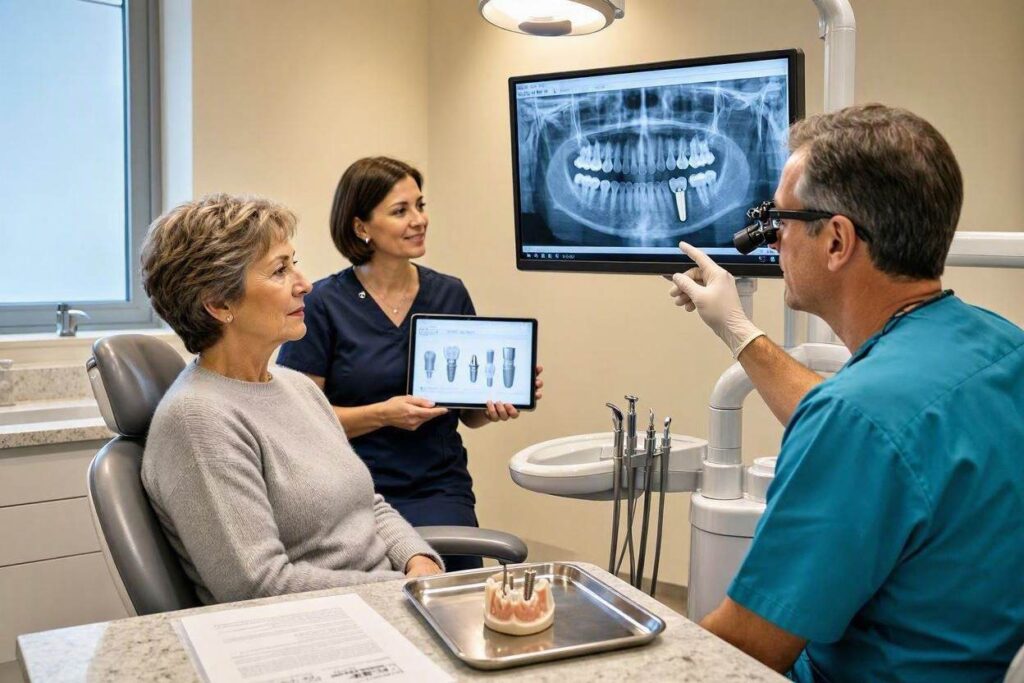
Your dentist will examine your mouth, review your medical history, and take X-rays or 3D scans. This evaluation helps determine if implants are right for you.
Discussion of Risk Factors
Your dentist will discuss any risk factors that may affect implant success. Be honest about your medical history, medications, and lifestyle habits.
Treatment Plan
If you are a candidate, your dentist will develop a personalized treatment plan. This includes the number of implants, the need for preparatory procedures, and the timeline for treatment.
Important Notes for Patients
- Most people with missing teeth are candidates for dental implants.
- Healthy gums and adequate bone are essential for success.
- Smoking significantly increases the risk of implant failure.
- Uncontrolled medical conditions may make surgery too risky.
- Bone grafting can make implants possible for patients with bone loss.
- Alternatives like dentures and bridges are available for those who cannot get implants.
- A comprehensive evaluation is the best way to determine candidacy.
Frequently Asked Questions
Can I get dental implants if I have gum disease?
Active gum disease must be treated before implant placement. Once the disease is under control, implants may be possible.
Is there an age limit for dental implants?
There is no upper age limit. Implants are delayed for younger patients until the jaw has finished growing, usually around age 18 to 21.
Can smokers get dental implants?
Smokers have a higher risk of implant failure. Many dentists recommend quitting before implant placement. Some will not place implants in active smokers.
Can I get implants if I have diabetes?
Yes, if your diabetes is well-controlled. Uncontrolled diabetes impairs healing and increases the risk of complications.
What if I do not have enough bone for implants?
Bone grafting can create a stronger foundation for implants. If grafting is not possible, alternatives like dentures or bridges may be recommended.
Can I get implants while pregnant?
No, implant surgery is delayed until after pregnancy. The surgery and medications can pose risks to the developing fetus.
What happens if I am not a candidate for implants?
Alternatives include traditional dentures, dental bridges, or implant-supported dentures. Your dentist can help you choose the best option.
How do I know if I am a candidate for implants?
Schedule a consultation with a qualified dentist or oral surgeon. They will evaluate your oral health, medical history, and bone density to determine candidacy.
Conclusion
Most people with missing teeth can get dental implants, but not everyone is a candidate. Healthy gums, adequate bone, and good overall health are essential. Smoking, uncontrolled diabetes, and certain medications can affect candidacy. Bone grafting can make implants possible for patients with bone loss. For those who cannot get implants, alternatives like dentures and bridges are available. A comprehensive evaluation by a qualified provider is the best way to determine if implants are right for you.
Additional Resource
For more information on dental implant candidacy and finding a qualified provider, visit the American Academy of Implant Dentistry at www.aaid.com. This professional organization offers patient education resources and a directory of credentialed implant dentists.