Are Dental Implants Safe For Elderly People?
As we age, we face more medical decisions. Our bodies change. We heal slower. We take more medications. When an elderly person loses a tooth, the question of replacement becomes more complex. The family gathers, and someone asks: Are dental implants safe for elderly people?
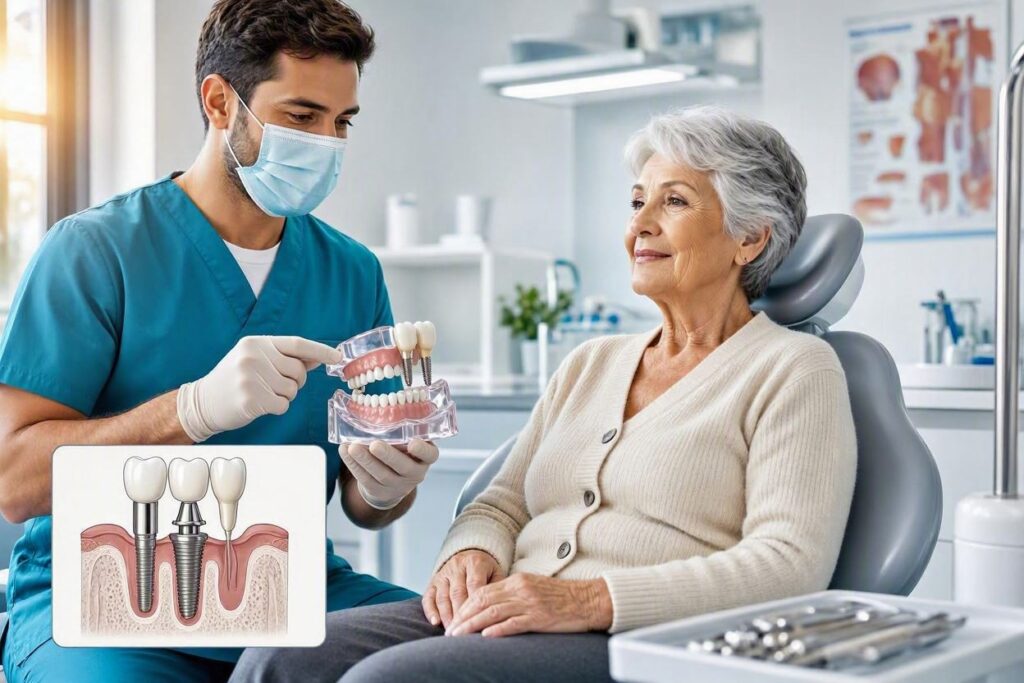
The short answer is yes, generally. Dental implants are safe for healthy elderly individuals. Age alone is not a contraindication for implant surgery. In fact, many implant dentists report that their best patients are in their 70s and 80s.
However, “safe” depends on the individual’s overall health, medication list, and ability to maintain hygiene. This guide will explore the specific considerations for elderly patients, the risks, the benefits, and the alternatives.
The Myth of Age as a Barrier
For decades, there was a bias in medicine against performing elective surgery on older adults. The assumption was that they were too frail, that they would not heal, or that the procedure was not worth it.
Modern geriatric medicine has debunked this myth. We now know that chronological age is a poor predictor of surgical outcomes. Biological age—the functional status of your organs and systems—is what matters.
What the Research Shows:
Studies specifically looking at dental implants in patients over 65, over 75, and even over 80 show success rates of 90% to 95%. These rates are nearly identical to those in younger populations.
Why?
The process of osseointegration (bone fusing to titanium) relies on the presence of healthy bone cells and adequate blood supply. If an older person is otherwise healthy, their bone cells and blood vessels function well enough to heal.
The Real Risks for the Elderly
While age is not a barrier, there are specific age-related health conditions that increase the risk of complications. These must be carefully evaluated.
1. Polypharmacy (Taking Multiple Medications)
This is the biggest concern. Many seniors take 5, 10, or even 15 medications daily. Some of these interfere with dental health and healing.
- Blood Thinners: Anticoagulants (Warfarin, Eliquis, Plavix, Xarelto) increase the risk of excessive bleeding during and after surgery. The dentist must coordinate with the prescribing physician to manage these.
- Bisphosphonates: Drugs like Fosamax, Actonel, and Reclast are used to treat osteoporosis. They alter bone metabolism. In rare cases, they can cause a serious condition called Medication-Related Osteonecrosis of the Jaw (MRONJ), where the bone dies and fails to heal after surgery.
- Immunosuppressants: Drugs for autoimmune diseases or organ transplants weaken the immune system, increasing the risk of infection.
2. Uncontrolled Chronic Diseases
- Diabetes: Poorly controlled blood sugar impairs the immune system and slows healing. The risk of implant failure is significantly higher.
- Cardiovascular Disease: Recent heart attacks or strokes require a waiting period before elective surgery. The stress of surgery can strain the heart.
- Kidney Disease: Reduced kidney function affects the metabolism of medications and can impact bone health.
3. Cognitive Decline
Dental implants require meticulous daily cleaning. If an elderly person has dementia or severe memory loss, they may be unable to perform the necessary hygiene. This leads to infection (peri-implantitis) and implant failure.
The Ethical Question:
If a patient cannot clean their teeth, is it ethical to place an implant that will likely fail? In these cases, a removable denture that a caregiver can clean might be the safer, more humane choice.
4. Manual Dexterity Issues
Arthritis, tremors, or stroke can make it difficult to hold a toothbrush or dental floss. Even if the mind is willing, the hands may not cooperate.
The Solution:
- Water flossers with large handles.
- Electric toothbrushes with ergonomic grips.
- Training a caregiver to assist with oral hygiene.
The Benefits for the Elderly: Why It Is Worth It
For many seniors, the benefits of implants far outweigh the risks.
1. Nutrition and Frailty
This is the most critical health benefit. Malnutrition is a silent epidemic among the elderly. Traditional dentures make it difficult to chew meat, vegetables, and fibrous foods. Seniors often retreat to a diet of soft, processed carbohydrates.
The Consequence:
- Sarcopenia (muscle loss)
- Weakness and falls
- Compromised immune function
- Vitamin deficiencies
Dental implants restore chewing ability. They allow the patient to eat a balanced, nutritious diet. This directly combats frailty and prolongs independence.
2. Aspiration Pneumonia
This is a life-threatening risk associated with dentures. Loose dentures can interfere with swallowing. Food or saliva can “go down the wrong pipe” and enter the lungs. This causes aspiration pneumonia, a major cause of death in the elderly.
Fixed implant bridges eliminate the bulk and movement of dentures. They allow for a more natural swallowing mechanism.
3. Quality of Life and Social Engagement
Isolation is deadly for seniors. Embarrassment about teeth leads to social withdrawal. This contributes to depression and cognitive decline.
Implants restore confidence. They allow the person to smile, laugh, and engage with family and friends. This social connection is vital for mental and emotional well-being.
4. Preserving Facial Structure
Tooth loss leads to jawbone resorption. The face collapses inward. This makes the person look older and frailer.
Implants stimulate the bone, preserving facial contours. They help maintain a more youthful appearance.
The Safety Checklist for Elderly Patients
If you or a loved one is considering implants, here is a checklist to ensure safety.
Before Surgery:
- □ Full medical history reviewed by the dentist.
- □ Medical clearance obtained from the primary care physician or cardiologist.
- □ Blood thinners managed (if applicable).
- □ Bisphosphonate use disclosed (if applicable).
- □ Blood sugar levels controlled (if diabetic).
- □ Realistic expectations discussed.
After Surgery:
- □ Follow-up appointments scheduled.
- □ A caregiver is trained to assist with cleaning (if needed).
- □ A soft food diet plan is in place for the healing period.
- □ Warning signs of infection (fever, swelling, pus) are understood.
The Alternatives: When Implants Are Not Safe
There are elderly patients for whom implants are not the right choice. This is not a failure; it is prudent medicine.
Alternatives include:
- Traditional Dentures: Modern dentures can be made to fit well and look natural. They are removable and easy for a caregiver to clean.
- Implant-Retained Overdentures (Snap-On): This is a middle ground. Two implants stabilize the denture, but the denture can still be removed for cleaning. This is often ideal for older patients who want stability but need easy maintenance.
The Verdict
Are dental implants safe for elderly people?
For the healthy, well-managed elderly patient, yes. The success rates are high, and the benefits for nutrition, confidence, and quality of life are profound.
For the frail, medically complex patient, the risks may outweigh the benefits. A thorough evaluation by a dentist experienced in geriatric care is essential.
The decision should be made collaboratively. The patient, the family, the dentist, and the physician should all be on the same page. The goal is not just to place an implant; it is to improve the quality of life for the remaining years.
Age is not a wall. It is a factor. With careful planning, an 85-year-old can enjoy the benefits of a stable, comfortable smile just as much as a 35-year-old.
Frequently Asked Questions
Q: Is there an age limit for dental implants?
A: There is no official upper age limit. The oldest recorded implant patient was over 100 years old. The decision is based on health, not age.
Q: Do implants heal slower in elderly people?
A: They can. The healing process may take slightly longer due to reduced cellular activity. However, the final outcome is usually the same. Patience is key.
Q: What if my elderly parent has dementia? Should they get implants?
A: This is a difficult decision. If the dementia is mild and the patient can still perform hygiene with supervision, implants might be okay. If the dementia is advanced, a removable denture that can be cleaned by a caregiver is often safer.
Q: Can you put implants in if the patient has osteoporosis?
A: Osteoporosis itself does not prevent implants. However, the medications used to treat it (bisphosphonates) can be problematic. The dentist needs to know the exact medication and dosage. In some cases, a drug holiday (temporary pause) may be recommended, but only under the guidance of the prescribing physician.
Additional Resource:
For more information on geriatric health and oral care, visit the American Geriatrics Society: https://www.americangeriatrics.org/.