Will Winz Cover The Cost Of Dentures?
Dental care is expensive in New Zealand. For many people, the cost of dentures is simply out of reach without assistance. If you receive support from Work and Income New Zealand, commonly known as WINZ, you may wonder whether they will help cover the cost of dentures. The answer is yes, in certain circumstances. However, the process is not automatic, and strict eligibility criteria apply.
This guide explains how WINZ dental assistance works, who qualifies, how much you can receive, and what steps you need to take. You will learn about the Special Needs Grant, the Disability Allowance, and other pathways to affordable dentures. By the end, you will have a clear understanding of your options and how to navigate the system effectively.
Understanding WINZ and Dental Assistance
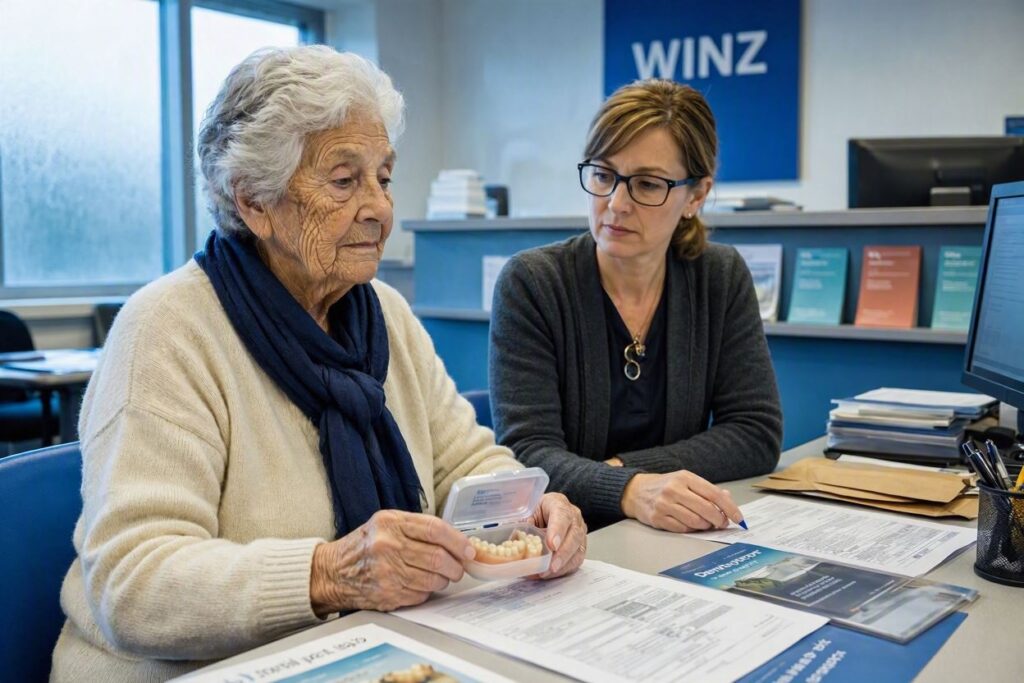
Work and Income New Zealand is the government agency responsible for providing financial support to eligible individuals and families. WINZ administers various benefits and grants designed to help people meet essential needs. Dental care falls under this umbrella in specific situations.
WINZ does not provide routine dental care for everyone. The public health system in New Zealand offers free dental care for children under 18. Adults generally must pay for dental services themselves. However, WINZ recognises that dental pain and missing teeth can affect your ability to work and live with dignity. For this reason, they offer targeted assistance for urgent dental needs, including dentures in some cases.
The key distinction is between emergency dental care and elective dental treatment. WINZ is more likely to help with urgent pain relief than with cosmetic improvements. Dentures occupy a middle ground. They are not usually considered an emergency, but they can be essential for your health and employability.
The Special Needs Grant for Dental Care
The Special Needs Grant is the primary way WINZ provides financial assistance for dental treatment. This grant is designed to help people who cannot afford essential costs that are not covered by other benefits.
Eligibility Criteria
To qualify for a Special Needs Grant for dental care, you must meet certain requirements. These include:
- Being a New Zealand citizen or permanent resident
- Having a low income and limited assets
- Demonstrating that the dental treatment is essential
- Showing that you cannot pay for the treatment yourself
- Meeting the specific dental criteria set by WINZ
The dental criteria are important. WINZ generally only funds treatment for pain relief and restoration of basic function. They do not fund cosmetic procedures. Dentures may qualify if they are needed to replace missing teeth that affect your ability to eat, speak, or work.
How Much Can You Receive?
The amount available through a Special Needs Grant for dental care varies. The maximum grant for dental treatment is typically $300 in a 52-week period. However, this limit can be higher in exceptional circumstances. For dentures, the cost often exceeds $300. This means the Special Needs Grant may only cover a portion of the total cost.
In 2023, the maximum Special Needs Grant for dental treatment was increased to $1,000 for certain cases involving acute pain or infection. This higher limit applies to emergency treatment rather than routine dentures. You should discuss your specific situation with a WINZ case manager to determine how much you can receive.
The Application Process
Applying for a Special Needs Grant requires several steps. First, you need a treatment plan from a dentist. This plan must detail the treatment required and the cost. The dentist must state that the treatment is necessary for pain relief or essential function.
Next, you contact WINZ to book an appointment. You can call their contact centre or visit a service centre in person. During your appointment, you discuss your situation with a case manager. They will assess your eligibility based on your income, assets, and the dental need.
You should bring supporting documents to your appointment. These include:
- Your treatment plan from the dentist
- Proof of income, such as pay slips or bank statements
- Proof of your benefit, if applicable
- Any other relevant financial information
The case manager will decide whether to approve the grant. If approved, the payment is usually made directly to the dentist. You do not receive the cash yourself. This ensures the money is used for the intended purpose.
The Disability Allowance for Dental Costs
The Disability Allowance is another pathway for dental assistance. This allowance is designed for people with ongoing health conditions that require regular medical expenses. Dental problems that persist over time may qualify.
Who Can Access the Disability Allowance?
The Disability Allowance is available to people who have a disability or health condition expected to last at least six months. You must have ongoing costs related to that condition. Dental issues like chronic gum disease or missing teeth that affect your health could qualify.
Unlike the Special Needs Grant, the Disability Allowance is a weekly payment. The maximum amount is around $75 per week, depending on your income and circumstances. This ongoing support can help you save for dentures or pay for them gradually.
How to Apply
The application process for the Disability Allowance is similar to the Special Needs Grant. You need a medical or dental certificate confirming your condition and the ongoing costs. Your dentist can complete this certificate. You then submit the application to WINZ along with proof of your income and expenses.
Community Services Cards and Dental Care
A Community Services Card can reduce your dental costs. This card is available to people with low incomes, including many benefit recipients. The card provides access to subsidised healthcare, including some dental services.
Reduced Fees at Public Dental Clinics
Holders of a Community Services Card can access reduced fees at public dental clinics run by district health boards. These clinics offer basic dental care, including extractions and sometimes dentures. The fees are significantly lower than private practice rates.
The availability of dentures through public dental clinics varies by region. Some areas have long waiting lists. Others prioritise emergency treatment over elective procedures like dentures. Contact your local district health board to learn about services in your area.
Emergency Dental Care Through Hospitals
Hospital dental departments provide emergency care for severe dental infections and trauma. This care is free for Community Services Card holders in some cases. However, hospitals do not provide routine dentures. If you have a dental emergency, the hospital may refer you to a community dental service for follow-up care.
Dental Schools and Student Clinics
New Zealand has one dental school, located at the University of Otago in Dunedin. The school operates a clinic where dental students provide treatment under supervision. The fees are significantly lower than private practice.
A full set of dentures at the Otago dental school costs approximately $600 to $900. This compares to $1,500 to $3,000 at a private dentist. The trade-off is time. Appointments are longer, and the process may require more visits. However, for someone on a limited budget, the savings are substantial.
The dental school also offers some services through outreach clinics in other parts of the country. These clinics serve rural and underserved communities. Contact the University of Otago Faculty of Dentistry to learn about locations and eligibility.
Private Dentist Payment Plans
Some private dentists offer payment plans for dentures. Instead of paying the full amount upfront, you can spread the cost over several months. This makes dentures more affordable on a weekly or monthly basis.
Payment plans vary by practice. Some dentists require a deposit before starting treatment. Others allow you to pay in instalments after the dentures are fitted. Always ask about payment options before committing to treatment. Some practices charge interest on payment plans, while others offer interest-free periods.
WINZ and the Transition to Work
WINZ places special emphasis on helping people find and maintain employment. If missing teeth are affecting your ability to get a job, dentures may be considered essential for employment purposes. This can improve your chances of receiving assistance.
When applying for a Special Needs Grant, explain clearly how your dental condition affects your employability. For example, if you work in customer service and missing teeth make you self-conscious or difficult to understand, mention this. A case manager is more likely to approve funding when there is a direct link to employment.
Some WINZ offices have relationships with local dentists who provide treatment at reduced rates for WINZ clients. Ask your case manager if such arrangements exist in your area.
Real Experiences from New Zealanders
Online forums and community groups contain many stories from people who have sought WINZ assistance for dentures. These experiences provide valuable insight into the process.
Sarah, 48, from Hamilton: Applied for a Special Needs Grant to replace her broken dentures. She provided a quote from her dentist for $1,800. WINZ approved $1,000, the maximum for her case. She paid the remaining $800 from savings.
David, 62, from Christchurch: Received a Disability Allowance for ongoing dental issues. He used the weekly payments to save for new dentures over several months. The process took time but was manageable.
Maria, 35, from Auckland: Applied for WINZ assistance but was declined because her dental issue was deemed non-urgent. She was advised to save money or seek treatment at a dental school. She eventually had dentures made at a reduced cost through a community clinic.
“The key is persistence. WINZ declined my first application, but I asked for a review and provided more information about how my teeth affected my ability to work. They approved a grant the second time. It covered most of the cost.” – John, 55, Wellington
Alternatives to WINZ for Denture Costs
If WINZ assistance is not available or insufficient, other options exist.
Dental Grants and Charities
Several charities in New Zealand provide dental care for people in need. The New Zealand Dental Association operates programs in some regions. Local community trusts and religious organisations sometimes offer assistance. Research what is available in your area.
Superannuitant Benefits
If you receive New Zealand Superannuation, you may be eligible for additional support. Some superannuitants qualify for the Disability Allowance or other supplements that can help with dental costs.
Veterans’ Affairs
If you are a veteran, Veterans’ Affairs may cover dental treatment. The coverage depends on your service history and the nature of the dental problem. Contact Veterans’ Affairs to learn about your entitlements.
ACC Coverage
If your dental problem resulted from an accident, the Accident Compensation Corporation may cover the cost. This includes injuries that damaged your teeth or jaw. ACC covers treatment related to the injury, including dentures if necessary. You must lodge a claim and have it approved.
The True Cost of Dentures in New Zealand
Understanding the cost of dentures helps you plan. Private dentist fees for dentures in New Zealand range from $1,500 to $3,000 for a full set. Partial dentures cost $800 to $2,000. These prices vary by region and the complexity of the case.
At public dental clinics, fees are lower. A full set of dentures at a public clinic costs approximately $700 to $1,200 for Community Services Card holders. At the dental school, costs are similar.
The table below summarises typical denture costs in New Zealand.
| Provider Type | Full Dentures (Upper and Lower) | Partial Denture |
|---|---|---|
| Private dentist | $1,500 – $3,000 | $800 – $2,000 |
| Public dental clinic | $700 – $1,200 | $400 – $800 |
| Dental school | $600 – $900 | $300 – $600 |
Steps to Take Now
If you need dentures and are considering WINZ assistance, take these steps.
- Visit a dentist and get a written treatment plan with costs.
- Gather your financial documents, including proof of income and assets.
- Contact WINZ to book an appointment with a case manager.
- Explain your situation clearly, emphasising how your dental condition affects your health and employability.
- If declined, ask for a review and provide additional information.
- Explore alternative options, including dental schools and community clinics.
Persistence is important. The system can be frustrating, but many people successfully receive assistance. Do not give up if your first application is declined.
Frequently Asked Questions
Does WINZ pay for dentures?
Yes, WINZ can help with denture costs through the Special Needs Grant or Disability Allowance. Eligibility depends on your income, assets, and the necessity of the treatment.
How much will WINZ pay for dentures?
The maximum Special Needs Grant for dental treatment is typically $300, but higher amounts up to $1,000 may be approved for urgent cases. The Disability Allowance provides ongoing weekly support.
How do I apply for WINZ dental assistance?
Contact WINZ to book an appointment. Bring a treatment plan from your dentist and proof of your financial situation. A case manager will assess your eligibility.
Can I get free dentures in New Zealand?
Free dentures are rare. Some public dental clinics and charities offer reduced-cost dentures for low-income individuals. Dental schools also provide affordable options.
What if WINZ declines my application?
You can request a review of the decision. Provide additional information about how your dental condition affects your health and employability. Consider alternative options like dental schools or community clinics.
Does ACC cover dentures?
ACC covers dentures if your tooth loss resulted from an accident. You must lodge a claim and have it approved. ACC then funds treatment related to the injury.
Are there payment plans for dentures?
Many private dentists offer payment plans. You can spread the cost over several months. Ask about payment options before starting treatment.
Additional Resource
For more information about WINZ dental assistance and eligibility, visit the official Work and Income website: https://www.workandincome.govt.nz
Conclusion
WINZ can help cover the cost of dentures through targeted grants and allowances, but eligibility is strict. The Special Needs Grant offers up to $1,000 for urgent dental needs, while the Disability Allowance provides ongoing support. Dental schools and public clinics offer affordable alternatives for those who do not qualify. Persistence and thorough documentation improve your chances of receiving assistance.