What Is The Cost Of Lockable Dentures?
Traditional dentures have a well-known problem. They slip, shift, and sometimes fall out at embarrassing moments. For decades, denture wearers have struggled with adhesives, discomfort, and the constant fear of their teeth moving while eating or speaking. Lockable dentures offer a solution to these problems.
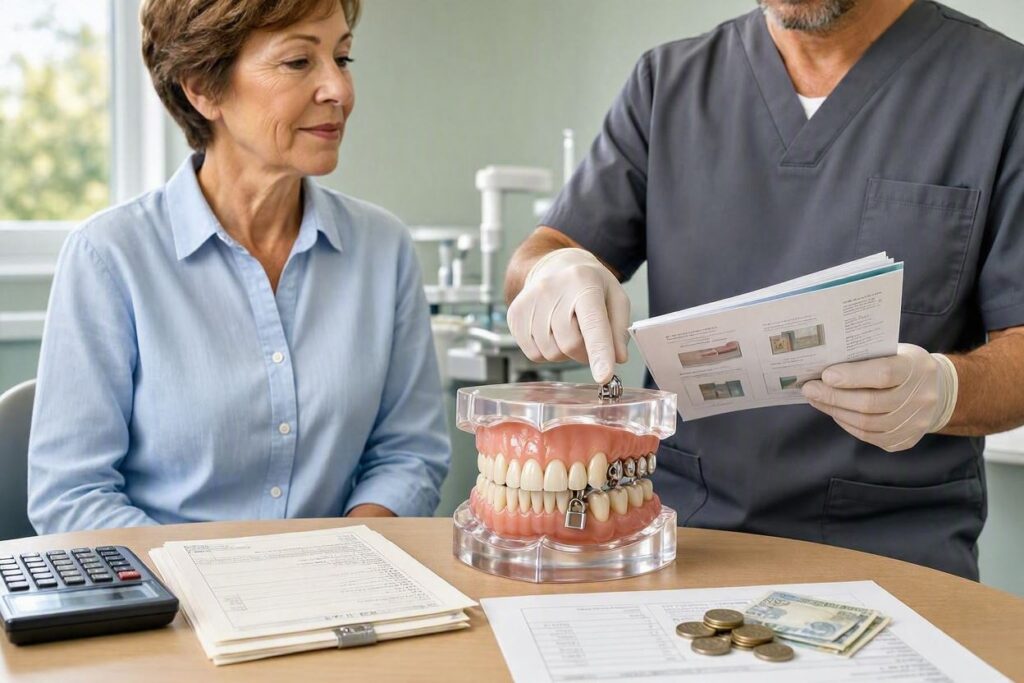
Lockable dentures, also called implant-supported overdentures or snap-on dentures, are secured in place by dental implants. The denture snaps onto attachments connected to implants placed in the jawbone. This provides stability that traditional dentures cannot match. You can eat, speak, and laugh with confidence.
But this innovation comes at a cost. Lockable dentures are significantly more expensive than conventional dentures. Understanding the full financial picture helps you decide whether this investment is right for you.
This guide explores the cost of lockable dentures in detail. You will learn about the different types, the factors that influence pricing, insurance coverage, and how to plan for this life-changing procedure.
Understanding Lockable Dentures
Lockable dentures bridge the gap between traditional dentures and full dental implants. They use a small number of implants to anchor a removable denture. The denture has special attachments that snap onto the implants. This creates a secure fit that eliminates most movement.
The key advantage is stability. Traditional dentures rest on the gums and rely on suction or adhesive to stay in place. This works poorly for the lower jaw, where there is less surface area. Lockable dentures are anchored to implants, providing a firm foundation.
Another advantage is bone preservation. When teeth are lost, the jawbone begins to shrink. Implants stimulate the bone, slowing this resorption. This helps maintain the shape of your face and prevents the sunken appearance that often accompanies long-term denture wear.
Lockable dentures are removable. You take them out at night for cleaning, just like traditional dentures. This makes hygiene easier than with fixed implant bridges.
Types of Lockable Dentures
There are several types of implant-supported dentures. The type you choose affects the cost.
Two-Implant Overdenture (Lower Jaw)
This is the most common type of lockable denture. Two implants are placed in the lower jaw. The denture snaps onto ball or bar attachments. This provides excellent stability for the lower arch. The upper jaw often does not need implants because a traditional upper denture fits well due to natural suction.
Four-Implant Overdenture (Upper or Lower)
For patients who want more stability or who have significant bone loss, four implants provide a more secure fit. This is often recommended for the upper jaw, where traditional dentures cover the palate and affect taste.
Bar-Retained Overdenture
In this design, a metal bar connects the implants. The denture clips onto the bar. This provides excellent stability and distributes forces evenly. Bar-retained overdentures are more expensive than ball-retained ones.
Ball-Retained Overdenture
Each implant has a ball-shaped attachment. The denture has corresponding sockets that snap over the balls. This is simpler and less expensive than a bar-retained design.
Fixed Implant Denture (All-on-4)
This is a different category. The denture is fixed in place and can only be removed by a dentist. It is not a removable overdenture. The cost is significantly higher.
The Cost of Lockable Dentures
In the United States, lockable dentures typically cost between $7,000 and $20,000 per arch. This is a wide range. The final price depends on the number of implants, the type of attachment, and the materials used.
For a lower two-implant overdenture, expect to pay between $7,000 and $12,000. This includes the implants, attachments, and the denture itself. A four-implant overdenture costs between $12,000 and $20,000 per arch.
These prices are significantly higher than traditional dentures, which cost between $600 and $3,000 per arch. The difference reflects the surgical component and the implants themselves.
| Type of Lockable Denture | Typical Cost Range (per arch) |
|---|---|
| Two-implant overdenture (lower) | $7,000 – $12,000 |
| Four-implant overdenture | $12,000 – $20,000 |
| Bar-retained overdenture | $10,000 – $18,000 |
| Ball-retained overdenture | $7,000 – $12,000 |
| Fixed implant denture (All-on-4) | $15,000 – $30,000 |
| Traditional denture (for comparison) | $600 – $3,000 |
Breaking Down the Costs
Understanding where your money goes helps you evaluate quotes and plan your budget.
Dental Implants
Each implant costs between $1,000 and $3,000. This includes the surgical placement of the titanium post into the jawbone. For a two-implant overdenture, the implant cost is $2,000 to $6,000. For four implants, it is $4,000 to $12,000.
Attachments
The attachments that connect the denture to the implants cost between $200 and $500 per implant. These include the ball or bar components and the corresponding sockets in the denture.
The Denture Itself
The denture portion of a lockable denture costs between $1,500 and $3,000. This is similar to the cost of a premium traditional denture. The denture must be custom-made to fit your mouth and accommodate the attachments.
Diagnostic Imaging
Before implant placement, you need imaging. A panoramic X-ray costs $100 to $250. A cone beam CT scan, which provides 3D images, costs $250 to $600. These images allow the dentist to plan the exact placement of the implants.
Bone Grafting
If you have been wearing dentures for many years, your jawbone may have deteriorated. You may need a bone graft to create enough bone for the implants. A bone graft costs between $300 and $1,500 per site.
Sedation
Most implant surgeries use local anaesthesia. If you opt for sedation, expect additional charges. IV sedation costs $300 to $800.
Follow-Up Care
Post-operative visits are usually included in the implant fee. However, if complications arise, additional visits may be billed. Clarify what is included.
Factors That Influence the Final Price
Several variables determine where your lockable denture falls within the cost range.
Geographic Location
Dental fees mirror the cost of living. Lockable dentures in major metropolitan areas cost more than in rural communities. Urban practices have higher overhead, which translates to higher fees.
Provider Experience and Specialisation
Oral surgeons and periodontists specialise in implant placement. Their fees are higher than general dentists. Prosthodontists specialise in the restoration phase, including the denture. For complex cases, specialists are worth the premium.
Implant Brand and Quality
Premium implant brands like Straumann, Nobel Biocare, and Zimmer cost more. They have decades of research and clinical data supporting their products. Budget brands may be equally safe but lack long-term studies.
Number of Implants
More implants mean higher cost. A four-implant overdenture costs more than a two-implant overdenture. However, more implants provide greater stability.
Type of Attachment
Bar-retained attachments are more expensive than ball-retained ones. The bar requires custom fabrication and more components.
Material Quality
The denture portion can be made from different materials. Premium acrylic and high-quality teeth cost more. Custom shading and characterisation add to the price.
Insurance Coverage for Lockable Dentures
Dental insurance coverage for implant-supported dentures is inconsistent. Some plans cover the denture portion as a major service. The implant portion may be covered separately or excluded entirely.
How Insurance Typically Handles the Denture Portion
Most dental plans cover dentures at 50 percent after the deductible. The annual maximum benefit, typically $1,000 to $2,000, limits the total. A lockable denture costing $3,000 for the denture portion would receive $1,500 in benefits if the annual maximum allows.
Implant Coverage
Implant coverage is less common. Some plans exclude implants entirely. Others cover them at 50 percent with a separate lifetime maximum. Many plans have a downgrade clause that only covers the cost of a traditional denture, leaving you to pay the difference for the implant-supported version.
Medical Insurance Possibilities
In some cases, medical insurance may cover implants. If tooth loss resulted from an accident, cancer treatment, or a congenital condition, your medical plan might pay. Documenting medical necessity is key.
How to Save Money on Lockable Dentures
The high cost of lockable dentures prompts many patients to seek savings. These strategies help you access affordable care.
Dental Schools
Dental schools offer implant-supported dentures at reduced prices. Students perform the work under close faculty supervision. The cost is typically 40 to 60 percent less than private practice. A lockable denture that costs $10,000 privately might cost $5,000 at a dental school.
Dental Tourism
Travelling abroad for dental care is increasingly common. Countries like Mexico, Costa Rica, and Thailand offer implant-supported dentures at a fraction of US prices. A lockable denture that costs $12,000 in the United States might cost $4,000 in Mexico. The savings can be substantial, but risks exist. Quality varies, and follow-up care is difficult if problems arise.
Payment Plans and Financing
Many dental offices offer payment plans. You can spread the cost over several months or years. Third-party financing companies like CareCredit offer interest-free periods for qualified applicants.
Negotiate the Price
Private dental fees are sometimes negotiable. If you have a quote from a competitor, show it to your preferred dentist. They may match it or offer a discount. Paying in cash can also unlock savings.
Ask About All-Inclusive Packages
Some dentists offer all-inclusive packages for implant-supported dentures. The price covers the consultation, imaging, implants, attachments, denture, and follow-up visits. This simplifies budgeting and prevents surprise bills.
The Long-Term Value of Lockable Dentures
Lockable dentures cost more than traditional dentures. But the long-term value often justifies the investment.
Traditional dentures can cause ongoing problems. They slip, causing embarrassment. They make eating difficult, limiting your diet. They accelerate bone loss, leading to further facial changes. Over time, traditional dentures may need frequent adjustments and replacements.
Lockable dentures provide stability and confidence. You can eat a wider variety of foods, improving your nutrition. The implants preserve bone, maintaining your facial structure. The denture itself lasts longer because it is not constantly moving and wearing against the gums.
Many patients say the improved quality of life is priceless. The ability to eat, speak, and smile without worry transforms daily life.
Real Patient Experiences
Hearing from patients who have chosen lockable dentures provides valuable perspective.
Patient A, Phoenix, Arizona: Paid $9,500 for a two-implant lower overdenture. The procedure took four months from implant placement to final denture. “I can eat steak again. My denture does not move at all. It was worth every penny.”
Patient B, rural Texas: Paid $7,200 for a two-implant lower overdenture. The lower cost reflected the area’s lower overhead. The patient used a payment plan.
Patient C, New York City: Paid $18,000 for a four-implant upper overdenture. The higher cost reflected the city’s high fees and the additional implants.
Patient D, Chicago, Illinois: Paid $5,500 for a lockable denture at a dental school. The treatment took longer but saved significant money.
“I wore traditional dentures for ten years. They were miserable. I saved for two years to get lockable dentures. The difference is night and day. I only wish I had done it sooner.” – Robert, 67, Denver
Frequently Asked Questions
How much do lockable dentures cost?
Lockable dentures typically cost between $7,000 and $20,000 per arch. A two-implant lower overdenture costs $7,000 to $12,000.
Are lockable dentures worth the cost?
Most patients say yes. The stability and confidence they provide are life-changing. The implants also preserve bone and prevent facial changes.
How many implants do I need for lockable dentures?
For the lower jaw, two implants are usually sufficient. For the upper jaw, four implants are often recommended.
Does insurance cover lockable dentures?
Coverage varies. The denture portion may be covered at 50 percent. Implant coverage is less common. Check your plan details.
How long do lockable dentures last?
The implants can last a lifetime. The denture portion typically lasts 10 to 15 years before needing replacement.
Is the procedure painful?
The implant surgery is performed under local anaesthesia. Post-operative discomfort is usually manageable with over-the-counter medication.
Can lockable dentures be removed?
Yes. Lockable dentures are removable. You take them out at night for cleaning.
Additional Resource
For reliable information on implant-supported dentures, visit the American Academy of Implant Dentistry: https://www.aaid.com
Conclusion
Lockable dentures cost between $7,000 and $20,000 per arch, significantly more than traditional dentures. The investment includes implants, attachments, and a custom denture. While insurance coverage is limited, dental schools, payment plans, and dental tourism offer savings opportunities. Most patients agree that the stability, confidence, and bone preservation make lockable dentures worth the higher cost.