What Is The Cost Of Airflow Teeth Cleaning In The UK?
Achieving a bright, confident smile is a common goal for many people. While traditional scaling and polishing at the dentist is effective, many patients now seek a more advanced method for removing stubborn stains. This has led to the rising popularity of Airflow teeth cleaning. If you are considering this treatment, you are likely wondering about the financial investment. This comprehensive guide explores the cost of Airflow teeth cleaning in the UK, what factors influence the price, the benefits of the procedure, and how it compares to traditional hygiene appointments.
Understanding Airflow Teeth Cleaning
Before diving into the specific costs, it is helpful to understand what Airflow therapy actually involves. Airflow is not a brand of toothpaste or a DIY kit. It is a professional dental hygiene treatment that uses a clever combination of three elements: air, water, and a fine, flavoured powder. The machine propels this mixture in a controlled jet onto the surfaces of your teeth.
This powerful yet gentle spray effectively removes dental plaque, soft deposits, and surface stains caused by common culprits like coffee, tea, red wine, and smoking. The procedure is renowned for its ability to reach areas that traditional cleaning tools might struggle to access, including the tiny gaps between teeth and the areas just below the gum line.
The result is a thorough clean that leaves teeth feeling exceptionally smooth and looking visibly brighter almost immediately. It is a minimally invasive procedure that is generally painless, making it an attractive option for people with sensitive teeth.
The Average Cost of Airflow Teeth Cleaning in the UK
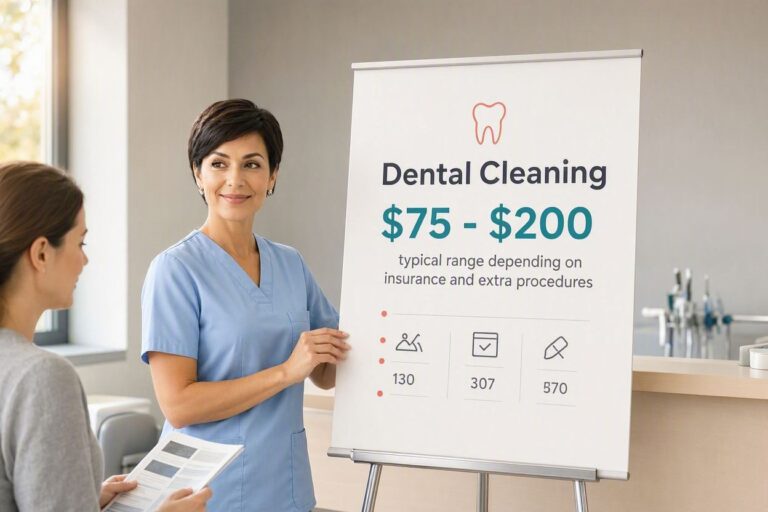
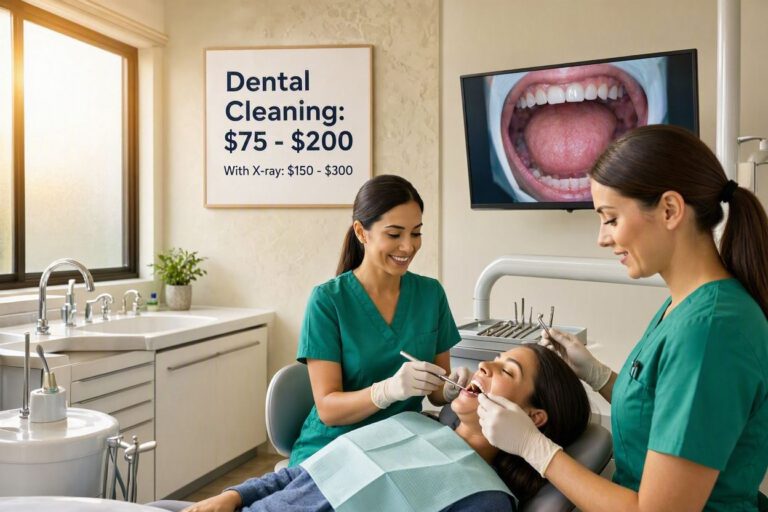
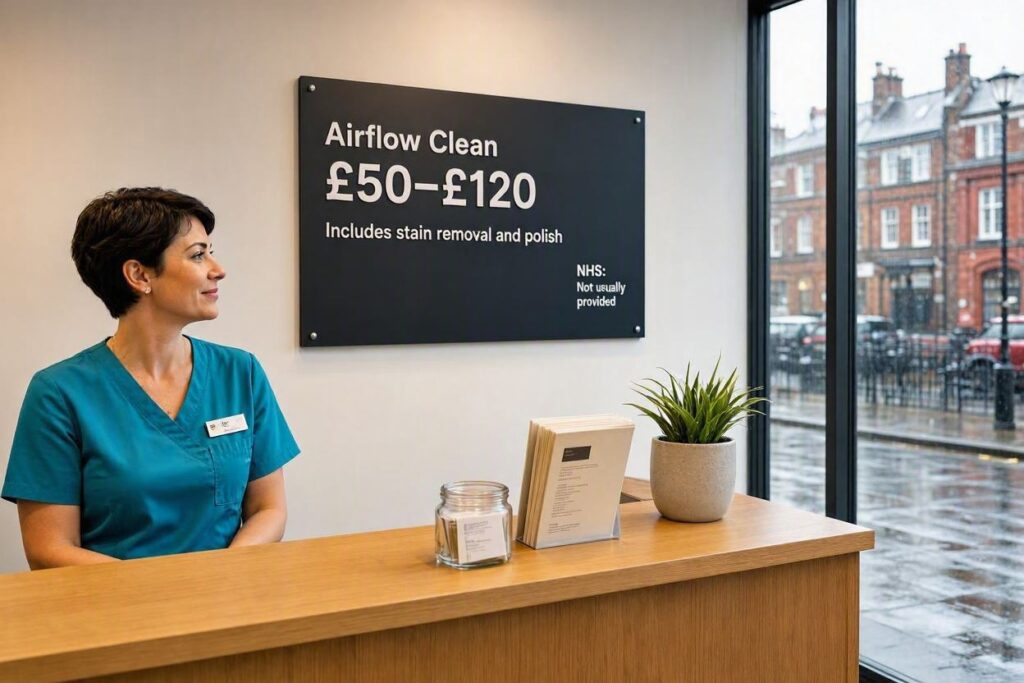
The price you pay for Airflow teeth cleaning in the UK is not fixed. It varies depending on several key factors, which we will explore shortly. However, to give you a clear starting point, you can expect to pay anywhere from £50 to £150 for a standalone Airflow treatment.
It is crucial to understand that this price often does not include a full dental examination. Many dental practices offer Airflow as part of a comprehensive hygiene package. This package typically includes a traditional scale and polish followed by the Airflow stain removal. The cost for this combined approach is often higher and reflects the additional time and expertise of the dental hygienist.
When you compare this to a standard private hygiene appointment, which usually costs between £40 and £80, the Airflow treatment presents a premium option. The additional cost is justified by the superior stain-removal capabilities and the advanced technology used.
Factors Influencing the Price
The cost of your Airflow treatment can fluctuate based on where you live, the dental practice you choose, and the specifics of your dental needs. Understanding these factors will help you budget effectively and find the best value for your money.
1. Location of the Dental Practice
As with most services in the UK, location plays a significant role in pricing. Dental practices in London and other major cities often have higher overhead costs, such as rent and staff salaries. These costs are inevitably passed on to the patient. A treatment that costs £150 in central London might be available for £80 in a town in the North of England or in Scotland. It is often worth comparing prices between city centres and practices in suburban or rural areas.
2. The Experience of the Hygienist or Dentist
The professional performing your treatment will also influence the cost. A highly experienced dental hygienist with years of expertise and specialised training in Airflow technology may charge more for their services. Their skill ensures a thorough, safe, and comfortable experience, which many patients find worth the extra investment. A less experienced practitioner or a dental therapist may offer the same treatment at a lower price point.
3. The Scope of the Treatment
A straightforward stain-removal session on relatively healthy teeth will take less time than a deep clean on a patient with significant staining or a build-up of plaque. Some patients may require a longer appointment to achieve the desired results. The chair time required directly correlates with the final cost. If your Airflow session is part of a longer hygiene appointment that includes scaling, root planing, or polishing, the overall price will be higher.
4. Inclusion in a Package or Plan
Many dental practices bundle Airflow therapy into their membership plans or new patient packages. This is one of the most cost-effective ways to access the treatment. A dental plan, which you pay for monthly, often includes one or two hygiene appointments a year that feature Airflow cleaning. If you purchase a package, the marginal cost of the Airflow treatment is significantly reduced compared to paying for it as a standalone service.
Cost Comparison: Airflow vs. Standard Cleaning
To make an informed decision, it is helpful to see how Airflow compares to a traditional scale and polish. The table below highlights the key differences in terms of procedure, benefits, and cost.
| Feature | Standard Scale & Polish | Airflow Teeth Cleaning |
|---|---|---|
| Primary Focus | Removing hardened tartar (calculus) and plaque. | Removing surface stains, biofilm, and plaque in hard-to-reach areas. |
| Technology | Hand scalers and ultrasonic scalers with water. | A jet of compressed air, water, and fine powder. |
| Effectiveness | Excellent for gum health and removing hard deposits. | Superior for stain removal and achieving a smooth, polished feel. |
| Comfort Level | Can cause sensitivity or discomfort, especially during scaling. | Generally very comfortable; described as a gentle “power wash” for teeth. |
| Time Required | Typically 20-30 minutes. | Typically 30-45 minutes, often combined with a standard clean. |
| Typical Cost | £40 – £80 | £50 – £150 (standalone) or included in a hygiene package costing more. |
| Best For | Treating and preventing gum disease, removing tartar. | Cosmetic stain removal, smokers, coffee/tea drinkers, patients with orthodontics. |
Important Note: Airflow is not a replacement for a professional scale and polish. The two treatments complement each other. The scaling is essential for removing hard tartar that causes gum disease, while Airflow excels at removing the soft plaque and stains that build up on and between the teeth. The most effective hygiene appointments often use both methods.
What to Expect During and After the Procedure
Understanding the process can help you appreciate the value of the treatment. A typical Airflow appointment will proceed as follows:
- Consultation: Your dentist or hygienist will first examine your mouth to ensure you are a suitable candidate for the treatment.
- Preparation: You will be given protective eyewear. A dental dam or a high-volume suction tool is used to manage the spray and powder.
- The Treatment: The hygienist will systematically direct the Airflow jet across the front and back of each tooth. The powder, often a fine glycine or erythritol-based substance, is pleasantly flavoured (e.g., mint or lemon) to enhance comfort.
- Polishing: After the Airflow treatment, the teeth are often polished to create a perfectly smooth surface that resists future plaque build-up.
- Aftercare Advice: Your hygienist will provide advice on how to maintain your results and may recommend a follow-up appointment.
After the treatment, you can immediately eat and drink. There is no downtime. Your teeth will feel incredibly clean and smooth, and you may notice an immediate improvement in their brightness. Some patients with pre-existing sensitivity may feel slight twinges during the procedure, but this is usually minimal and brief.
Is the Cost of Airflow Teeth Cleaning Worth It?
Whether the cost is “worth it” depends entirely on your personal goals. If your primary concern is removing deep tartar and maintaining gum health, a standard NHS or private scale and polish may be sufficient and more budget-friendly. However, if you are frustrated by stubborn stains that regular cleaning does not remove, or you are preparing for a special event like a wedding or a job interview, Airflow therapy offers excellent value.
The treatment is widely considered the gold standard for cosmetic stain removal. The feeling of a perfectly smooth, clean mouth is a significant benefit for many patients. For those with dental braces, implants, or veneers, Airflow is a safe and effective way to keep these restorations clean, which can protect your long-term investment.
Ultimately, the cost reflects the superior technology, the skill of the professional, and the immediate, visible results.
How to Find the Best Price for Airflow Cleaning
Finding a good price does not mean compromising on quality. Here are a few strategies to find an affordable and reputable provider:
- Shop Around: Do not be afraid to call several dental practices in your area to ask for a price list. Ask specifically for the cost of a hygiene appointment that includes Airflow.
- Look for Introductory Offers: Many practices offer discounted rates for new patients, which often include a comprehensive examination and a hygiene visit with Airflow.
- Consider a Dental Plan: If you value regular dental care, joining a practice’s dental plan can be the most economical way to access Airflow treatments. These plans spread the cost over the year and often provide savings on other treatments, too.
- Check with Dental Schools: Dental hygiene schools and universities with dental programs often offer reduced-cost treatments performed by students under strict professional supervision. This can be a very affordable option, though appointments may take longer.
Frequently Asked Questions (FAQ)
Q: Is Airflow teeth cleaning safe?
A: Yes, it is extremely safe and clinically proven. The powders used are fine and non-toxic. It is gentle on tooth enamel and is safe for use on dental work like veneers, crowns, and implants, making it more versatile than some traditional cleaning methods.
Q: Does Airflow teeth cleaning hurt?
A: For the vast majority of patients, the procedure is completely painless. It feels like a gentle, massaging spray. You may feel a slight cold sensation from the water and air. Patients with receding gums may experience some sensitivity, but the hygienist can adjust the settings to ensure your comfort.
Q: How long does an Airflow cleaning session take?
A: A standalone Airflow stain removal session can take as little as 15 to 20 minutes. However, when combined with a full scale and polish as part of a hygiene appointment, the entire visit will typically last between 30 and 45 minutes.
Q: How long do the results of Airflow cleaning last?
A: The results are not permanent, as new stains and plaque will accumulate over time. The effects will typically last for a few months. The longevity of your results depends on your diet, oral hygiene habits, and whether you smoke. Many dentists recommend an Airflow treatment every six months, aligning with your regular check-up.
Q: Can I get Airflow teeth cleaning on the NHS?
A: No. Airflow is considered a cosmetic treatment and is not available on the NHS. It is only offered by private dental practices as part of their hygiene services.
Additional Resource
For more information on maintaining good oral health and understanding the importance of professional cleanings, you can visit the Oral Health Foundation website at www.dentalhealth.org. This charity provides independent and trusted advice on all aspects of dental care.
Conclusion
The cost of Airflow teeth cleaning in the UK is a worthwhile investment for many people seeking a superior level of clean and visible stain removal. Priced between £50 and £150, it offers advanced technology that reaches where traditional methods cannot. By understanding the factors that influence cost and comparing local providers, you can find an option that fits your budget and helps you achieve the brilliant, confident smile you deserve.