How Much Does Dental Cleaning Typically Cost?
Maintaining a healthy smile requires more than just brushing and flossing at home. Professional dental cleaning is a vital part of your healthcare routine. It removes hardened plaque, prevents gum disease, and keeps your teeth looking their best. But how much should you expect to pay for this essential service? This guide will provide a detailed breakdown of the typical cost of dental cleaning, exploring the differences between NHS and private care in the UK, and the factors that influence the price.
What is a Professional Dental Cleaning?
A professional dental cleaning, clinically known as a scale and polish, is a procedure performed by a dentist or dental hygienist. Its primary purpose is to remove plaque and tartar (calculus) from the surfaces of your teeth.
Plaque is a soft, sticky film of bacteria that constantly forms on your teeth. If it is not removed by brushing and flossing, it hardens into tartar. Tartar is a hard, crusty deposit that cannot be removed by a toothbrush. It provides a perfect surface for more plaque to accumulate, leading to gum inflammation (gingivitis) and, if left untreated, more serious gum disease (periodontitis).
The cleaning process typically involves two main steps:
- Scaling: The hygienist uses a tool called an ultrasonic scaler, which uses high-frequency vibrations and a jet of water to break up and wash away tartar. They may also use fine hand tools to clean below the gum line.
- Polishing: After the teeth are free of tartar, they are polished with a rotating brush and a special gritty paste. This removes surface stains and leaves the teeth feeling smooth and clean.
The Typical Cost of Dental Cleaning in the UK
The cost of a dental cleaning in the UK depends on whether you are treated by the NHS or a private practice.
NHS Dental Cleaning:
On the NHS, a scale and polish is provided only if it is clinically necessary to treat or prevent gum disease. It is not offered as a cosmetic treatment. If your dentist deems it necessary, it falls under Band 1 treatment.
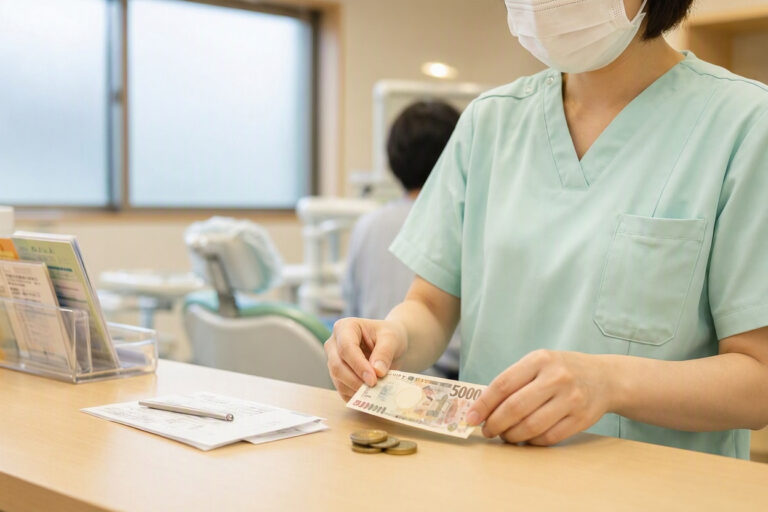
- Typical Cost: £26.80
This Band 1 fee is a flat charge. It covers an examination, diagnosis, and advice. If a cleaning is required as part of this, it is included in the price. This is the most affordable way to access a professional clean.
Private Dental Cleaning:
For private patients, a dental cleaning is a more comprehensive and often more luxurious experience. The appointment is usually longer, and the hygienist has more time to spend on both the cleaning and personalised oral hygiene advice.
- Typical Cost: £50 to £120
This price range reflects the variation in practices across the UK. A standard 20-minute clean in a suburban practice will be at the lower end. A 45-minute appointment with a highly experienced hygienist in a central London clinic, perhaps using advanced technology like Airflow, will be at the higher end.
Cost Comparison Table: NHS vs. Private
| Feature | NHS Band 1 Cleaning | Private Dental Cleaning |
|---|---|---|
| Typical Cost | £26.80 | £50 – £120 |
| Duration | Often part of a check-up; may be brief | 20-45 minutes dedicated to hygiene |
| Focus | Clinical need (treating gum disease) | Thorough cleaning and stain removal |
| Technology | Standard scaler and polisher | May include Airflow, guided biofilm therapy |
| Advice | Basic oral hygiene advice | In-depth, personalised coaching |
Important Note: While the NHS fee is much lower, access to an NHS dentist can be difficult in many parts of the UK. Many people choose private care for the convenience, the choice of appointment times, and the more comprehensive nature of the treatment.
Factors That Influence the Private Cost
If you choose to see a private hygienist, several factors will determine the exact price you pay.
1. The Location of the Practice
This is a primary driver of cost. Dental practices in expensive areas, such as London, Edinburgh, or affluent suburbs, have higher overheads. Their rent, staff salaries, and other costs are higher, and these are reflected in their fees. A cleaning that costs £50 in a small town could easily cost £100 or more in central London.
2. The Experience of the Hygienist
Just like dentists, hygienists have different levels of experience and expertise. A highly experienced hygienist who has been practicing for many years and has a special interest in treating gum disease may charge more for their time. Their skill can be invaluable, especially for patients with complex dental needs or anxiety.
3. The Length and Type of Appointment
Some practices offer different levels of hygiene appointments. A “standard” clean might be 20 minutes. A “premium” or “extended” clean might be 45 minutes and include additional treatments like Airflow stain removal or a fluoride varnish. The longer and more advanced the appointment, the higher the cost.
4. The Technology Used
Airflow is a popular technology that uses a jet of air, water, and fine powder to remove stains and biofilm. It is particularly effective for removing stains caused by coffee, tea, and smoking. This is a premium service that adds to the cost of the cleaning.
What is Airflow and Why Does It Cost More?
Airflow is a brand name for a type of dental cleaning system. It is often described as a “power wash” for your teeth. The treatment involves propelling a controlled stream of air, water, and a very fine, flavoured powder onto the tooth surfaces.
This is highly effective at removing:
- Stains from coffee, tea, red wine, and smoking.
- Sticky plaque biofilm.
- Debris from hard-to-reach areas, such as between teeth and around braces.
The cost is higher because the equipment and the powders used are more expensive, and the treatment takes additional time and skill. An Airflow treatment is often an add-on to a standard scale and polish, typically adding £25 to £50 to the cost.
How Often Should You Have a Dental Cleaning?
The standard advice is to have a professional cleaning every six months. However, this is a guideline, not a rule. Your dentist or hygienist will recommend a recall interval based on your individual risk factors.
- Low-Risk Patients: If you have excellent oral hygiene, no signs of gum disease, and a healthy diet, you may only need a cleaning once a year.
- High-Risk Patients: If you smoke, have diabetes, are pregnant, or have a history of gum disease, you may be advised to have a cleaning every three to four months.
How to Save Money on Dental Cleanings
Dental cleanings are a wise investment, but there are ways to manage the cost.
- Prioritise Prevention: The single best way to save money on dental care is to prevent problems before they start. Brush twice a day, floss daily, and use a fluoride toothpaste. The less tartar you have, the quicker and cheaper your cleaning will be.
- Find an NHS Dentist: If you can find one, the NHS Band 1 fee is unbeatable value.
- Join a Private Dental Plan: Many private practices offer membership plans. For a monthly fee, you receive your check-ups and cleanings throughout the year. This spreads the cost and often works out cheaper than paying for each appointment individually.
- Look for New Patient Offers: Many practices offer discounted rates for new patients, which often include a check-up and a cleaning.
The Value of a Professional Cleaning
It is easy to see a dental cleaning as a luxury, but it is an essential part of your healthcare. Gum disease is the leading cause of tooth loss in adults, and it has been linked to serious health conditions like heart disease and diabetes. A professional cleaning is the most effective way to prevent and manage gum disease. The cost of a cleaning is a small price to pay compared to the cost of treating advanced gum disease, which can involve deep cleaning, surgery, and tooth replacement.
Frequently Asked Questions (FAQ)
Q: Does a dental cleaning hurt?
A: For most people, a routine cleaning is not painful. You may feel some scraping and vibrating. If your gums are inflamed or your teeth are sensitive, you may experience some discomfort. Your hygienist can use numbing gel to make you more comfortable.
Q: Will a cleaning whiten my teeth?
A: A cleaning will remove surface stains, which can make your teeth look brighter. However, it will not change the natural colour of your teeth. For that, you need a teeth whitening treatment.
Q: Can I eat after a dental cleaning?
A: Yes, you can eat and drink immediately after a standard cleaning. If you have had a fluoride varnish applied, you will be advised to wait at least 30 minutes.
Q: What is the difference between a dentist and a hygienist?
A: A dentist diagnoses and treats dental diseases. A hygienist focuses on preventive care, such as cleaning teeth, treating gum disease, and providing oral hygiene instruction.
Q: Is it worth paying for a private cleaning?
A: For many people, yes. The longer appointment time, the advanced technology, and the personalised advice you receive can be a worthwhile investment in your long-term oral health.
Additional Resource
For more information on gum health and disease prevention, you can visit the British Society of Periodontology website: www.bsperio.org.uk.
Conclusion
The typical cost of dental cleaning in the UK varies greatly depending on your route to care. On the NHS, it is a heavily subsidised fee of £26.80, while private cleanings range from £50 to £120, offering a more comprehensive and personalised experience. Regardless of the route you choose, regular professional cleaning is a cornerstone of preventive healthcare and a vital investment in keeping your smile healthy for life.