How Much Does It Cost To Remove Plaque From Dogs?
Dogs are beloved members of the family. They bring joy, companionship, and unconditional love. But they also need proper care, including dental care. One of the most common dental problems in dogs is plaque buildup. If left untreated, plaque hardens into tartar and leads to serious health issues. So how much does it cost to remove plaque from dogs?
The answer ranges from $150 to $600 for a professional cleaning, depending on where you live and the severity of the buildup. But plaque removal can also be done at home with dental chews, brushes, and water additives. These cost $10 to $50 per month. The best approach combines home care with regular professional cleanings.
In this comprehensive guide, we will explore the cost of removing plaque from dogs. We will look at professional and at-home options, average prices by country, factors that affect costs, and prevention tips. By the end, you will know exactly what to expect and how to keep your dog’s teeth healthy.
What Is Plaque On Dogs’ Teeth?
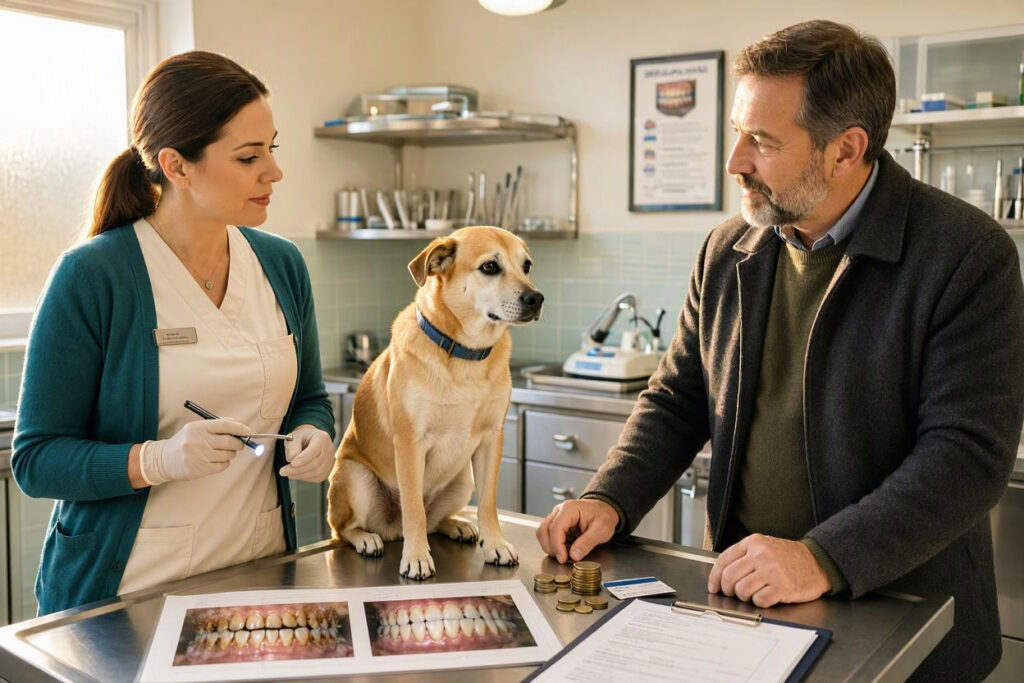
Plaque is a sticky, colorless film of bacteria. It forms on teeth every day. It mixes with food particles and saliva. If not removed, plaque hardens into tartar within 24 to 72 hours.
Plaque is different from tartar. Plaque is soft and can be brushed away. Tartar is hard and requires professional removal. Plaque is the early stage. Tartar is the late stage.
Plaque affects dogs of all ages. However, it is more common in older dogs. Small breeds are also more prone to plaque buildup. This is because their teeth are closer together.
Why Is Plaque Removal Important For Dogs?
Plaque is not just a cosmetic issue. It causes serious health problems.
Bad Breath
Plaque harbors bacteria. This causes halitosis, or bad breath. It is the most common sign of dental disease in dogs.
Gum Disease
Plaque irritates the gums. This leads to gingivitis. Gingivitis is reversible with treatment. If left untreated, it progresses to periodontitis. Periodontitis damages the gums and bone that support the teeth.
Tooth Loss
Severe gum disease causes tooth loss. This affects your dog’s ability to eat and enjoy food.
Pain
Dogs hide pain well. But dental disease is painful. Your dog may have difficulty eating, drool excessively, or paw at its mouth.
Systemic Health Problems
Bacteria from the mouth can enter the bloodstream. This can affect the heart, kidneys, and liver. Studies show a link between dental disease and organ damage in dogs.
Reduced Quality of Life
Dogs with dental pain may become irritable or withdrawn. They may stop playing or eating. Removing plaque improves their comfort and quality of life.
Signs Your Dog Needs Plaque Removal
How do you know if your dog needs dental care? Watch for these signs.
- Bad breath
- Yellow or brown teeth
- Red, swollen, or bleeding gums
- Difficulty eating or chewing
- Drooling
- Pawing at the mouth
- Loose teeth
- Weight loss
- Reluctance to eat hard food
- Facial swelling
- Plaque visible on teeth
Important Note: If you notice any of these signs, see your veterinarian. Early treatment is easier and less expensive.
Types Of Plaque Removal For Dogs
Several methods remove plaque from dogs’ teeth. Each has different costs and benefits.
Professional Dental Cleaning
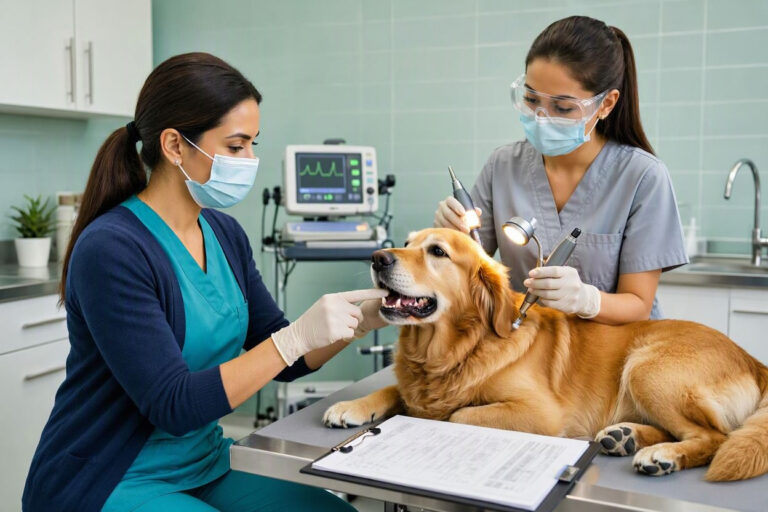
This is the most effective method. It is done under general anesthesia. The veterinarian uses ultrasonic scalers to remove plaque and tartar above and below the gum line. Then they polish the teeth to smooth the surface. This helps prevent new plaque from sticking.
Typical cost: $150 – $500
Dental Cleaning With X-Rays
X-rays show problems below the gum line. They reveal bone loss, root damage, and hidden plaque. Many veterinarians recommend X-rays with every cleaning.
Typical cost: $250 – $700
Dental Cleaning With Extractions
If teeth are severely damaged or loose, they need removal. Extractions add to the cost. Simple extractions cost $50 to $150 per tooth. Surgical extractions cost $150 to $400 per tooth.
Typical cost: $400 – $1,500 or more
Home Dental Care
Home care is essential for preventing plaque. It includes brushing, dental chews, water additives, and dental toys. These cost $10 to $50 per month.
Typical cost: $10 – $50 per month
Professional Scaling Without Anesthesia
Some clinics offer non-anesthetic dental cleaning. This is controversial. It does not address problems below the gum line. It can also be stressful for dogs. Most veterinarians do not recommend it.
Typical cost: $75 – $250
Average Cost Of Plaque Removal For Dogs
Now, let’s get to the numbers. Here is a breakdown of typical costs for plaque removal in dogs.
| Procedure | Price Range (USD) |
|---|---|
| Professional dental cleaning (basic) | $150 – $500 |
| Dental cleaning with X-rays | $250 – $700 |
| Dental cleaning with extractions | $400 – $1,500+ |
| Pre-anesthetic blood work | $50 – $200 |
| Anesthesia | $100 – $300 |
| Antibiotics | $30 – $100 |
| Pain medication | $20 – $80 |
| Follow-up visit | $0 – $100 |
| Dental chews (monthly) | $10 – $40 |
| Dog toothbrush and toothpaste | $10 – $30 |
| Water additives (monthly) | $10 – $30 |
| Dental wipes (monthly) | $10 – $25 |
Important Note: These prices are estimates. Actual costs vary by location, veterinary clinic, and your dog’s specific needs.
Average Cost Of Dog Plaque Removal By Country
Prices vary widely around the world. Here is a comparison.
| Country | Basic Cleaning (USD) | Cleaning with Extractions (USD) |
|---|---|---|
| United States | $150 – $500 | $400 – $1,500+ |
| Canada | $180 – $550 | $450 – $1,600+ |
| United Kingdom | $150 – $450 | $400 – $1,400+ |
| Australia | $200 – $600 | $500 – $1,800+ |
| New Zealand | $180 – $550 | $450 – $1,600+ |
| Ireland | $150 – $450 | $400 – $1,400+ |
| Germany | $120 – $400 | $350 – $1,200+ |
| France | $100 – $350 | $300 – $1,100+ |
| Spain | $80 – $300 | $250 – $900+ |
| Italy | $100 – $350 | $300 – $1,000+ |
| Mexico | $50 – $200 | $150 – $600+ |
| Costa Rica | $60 – $220 | $180 – $650+ |
| Thailand | $40 – $150 | $120 – $500+ |
| Vietnam | $30 – $120 | $100 – $400+ |
| Philippines | $30 – $130 | $100 – $450+ |
| India | $20 – $100 | $80 – $350+ |
| Turkey | $40 – $160 | $130 – $500+ |
| Hungary | $60 – $200 | $180 – $600+ |
Key Takeaway: Dental care for dogs is most expensive in the United States, Canada, and Australia. It is most affordable in India, Vietnam, and the Philippines.
Average Cost Of Dog Plaque Removal In The United States
Prices vary significantly across the United States. Here is a breakdown by state or region.
| State/Region | Basic Cleaning (USD) | Cleaning with Extractions (USD) |
|---|---|---|
| California | $200 – $600 | $500 – $1,800+ |
| New York | $220 – $650 | $550 – $2,000+ |
| Texas | $150 – $450 | $400 – $1,400+ |
| Florida | $160 – $500 | $420 – $1,500+ |
| Illinois | $170 – $520 | $450 – $1,550+ |
| Pennsylvania | $150 – $480 | $400 – $1,450+ |
| Ohio | $130 – $420 | $350 – $1,300+ |
| Georgia | $140 – $450 | $380 – $1,350+ |
| Arizona | $150 – $480 | $400 – $1,450+ |
| Nevada | $170 – $520 | $450 – $1,550+ |
Note: These prices are for general veterinary clinics. Specialty animal hospitals charge more.
What Affects The Cost Of Plaque Removal For Dogs?
Several factors determine the final price. Let’s examine each one.
Location
Veterinary costs are higher in big cities and affluent areas. Rural areas and small towns charge less. The cost of living, rent, and wages all affect prices.
Type Of Clinic
A general veterinary clinic charges less than a specialty animal hospital. Emergency clinics charge the most. But specialty care may be necessary for complex cases.
Dog’s Size
Larger dogs need more anesthesia. They also need larger doses of medication. This increases the cost.
Dog’s Age
Older dogs may need more pre-anesthetic testing. They may also have more dental problems. This adds to the cost.
Severity Of Plaque Buildup
Mild plaque is easier to remove. Severe plaque with gum disease and bone loss requires more work. This increases the cost.
Number Of Extractions
Each extraction adds to the cost. Simple extractions cost less. Surgical extractions cost more. Multiple extractions add up quickly.
Pre-Anesthetic Blood Work
Most veterinarians require blood work before anesthesia. This checks organ function and ensures your dog is healthy enough for surgery. It costs $50 to $200.
Anesthesia
General anesthesia is required for dental cleaning in dogs. It keeps your dog still and pain-free. It costs $100 to $300. The type and duration of anesthesia affect the price.
X-Rays
Dental X-rays show problems below the gum line. They add $50 to $200 to the cost. Many veterinarians consider them essential.
Medications
Antibiotics, pain relievers, and anti-inflammatories add to the cost. They cost $50 to $180 total.
Follow-Up Care
Some dogs need a follow-up visit. This may include checking healing, removing sutures, or adjusting medication. It costs $0 to $100.
Payment Method
Paying in full upfront may earn a discount. Payment plans may include interest or fees.
What’s Included In The Price?
Before you book, ask what the price includes. Some clinics charge separately for certain items.
Typically Included:
- Physical examination
- Anesthesia
- Scaling and polishing
- Basic monitoring
Often Not Included:
- Pre-anesthetic blood work
- X-rays
- Extractions
- Medications
- IV fluids
- Follow-up visits
Important Note: A low price may not include everything. Read the fine print. Ask for a written estimate.
Is Dog Plaque Removal Safe?
Safety is a top concern. Here are key points to consider.
Pre-Anesthetic Testing
Most veterinarians require blood work before anesthesia. This checks liver and kidney function. It ensures your dog can safely process the anesthetic.
Monitoring During Procedure
A veterinary technician monitors your dog during the procedure. They check heart rate, breathing, and blood pressure. This keeps your dog safe.
Anesthesia Risks
Anesthesia carries some risk for all pets. However, modern anesthetics are very safe. The risk is higher for older dogs or dogs with health problems. Your veterinarian will discuss these risks with you.
Post-Procedure Care
Your dog may be groggy after anesthesia. They may have a sore mouth. Your veterinarian will provide pain medication and care instructions.
Infection Control
Reputable clinics follow strict sterilization protocols. They use sterile instruments and disposable materials. This prevents infection.
Important Note: Never use human dental products on your dog. Human toothpaste contains xylitol and other ingredients that are toxic to dogs. Always use veterinary-approved products.
How To Save Money On Dog Plaque Removal
You do not have to pay full price. Here are practical ways to reduce costs.
1. Prevent Plaque Buildup
Prevention is the best way to save money. Brush your dog’s teeth daily. Use dental chews and water additives. Regular home care reduces the need for professional cleaning.
2. Get Multiple Quotes
Call several veterinary clinics. Compare prices for the same services. Ask what is included in each quote.
3. Ask About Payment Plans
Many clinics offer payment plans. You pay a down payment, then monthly installments. Ask about interest and fees.
4. Consider Pet Insurance
Pet insurance can cover dental cleanings and extractions. Some plans cover preventive care. Check the details before buying.
5. Use CareCredit
CareCredit is a healthcare credit card. It works for veterinary care too. You can finance treatment and pay over time.
6. Look For Discounts
Some clinics offer discounts for seniors, military, or multiple pets. Just ask.
7. Schedule During Off-Peak Times
Some clinics offer lower prices during slow periods. Ask about seasonal discounts.
8. Choose A General Clinic
A general veterinary clinic charges less than a specialty hospital. For routine cleanings, a general clinic is fine.
9. Start Early
Early treatment is simpler and cheaper. Do not wait until your dog has severe dental disease.
10. Maintain Good Oral Hygiene
Brush your dog’s teeth regularly. Use dental wipes, chews, and water additives. This reduces plaque buildup and the need for frequent cleanings.
What Veterinarians Say About Dog Dental Care
We spoke with veterinarians about plaque removal costs and prevention. Here is what they shared.
“Plaque is the enemy. If you remove it daily, you prevent tartar and gum disease. Home care is the cheapest and most effective solution.” — Dr. Sarah Johnson, Veterinarian
“I always tell owners to brush their dog’s teeth daily. It is the single most effective way to prevent plaque. It also saves money on professional cleanings.” — Dr. Michael Chen, Veterinary Dentist
“Many owners worry about anesthesia. But modern anesthesia is very safe. The risks of untreated dental disease are much higher than the risks of anesthesia.” — Dr. Aisha Patel, Veterinarian
Important Notes For Readers
Keep these points in mind before your dog’s dental procedure.
Get a pre-anesthetic exam.
Your veterinarian will examine your dog before anesthesia. They may recommend blood work. This ensures your dog is healthy enough for the procedure.
Ask what is included.
Some clinics charge one fee for everything. Others charge separately. Get a written estimate.
Do not skip X-rays.
X-rays show problems below the gum line. They help your veterinarian plan treatment and avoid surprises.
Follow post-procedure instructions.
Your dog may need soft food, pain medication, and rest. Follow your veterinarian’s advice.
Do not use human dental products.
Human toothpaste is toxic to dogs. Use only veterinary-approved products.
Budget for preventive care.
Brushing, chews, and water additives cost less than professional cleanings.
Consider pet insurance.
Pet insurance can help with the cost of dental care. Sign up before your dog has problems.
Preventing Plaque Buildup In Dogs
Prevention is always better than treatment. Here is how to keep your dog’s teeth healthy.
Brush Your Dog’s Teeth Daily
Use a dog toothbrush and dog toothpaste. Start slowly. Let your dog get used to the brush. Reward good behavior. Daily brushing is the gold standard.
Use Dental Chews
Dental chews help remove plaque and tartar. Choose chews approved by the Veterinary Oral Health Council (VOHC). Give them daily.
Use Water Additives
Water additives are easy to use. You add them to your dog’s water bowl. They help reduce plaque and bad breath.
Provide Dental Toys
Rubber toys with bumps help clean teeth. They also keep your dog entertained. Choose toys that are safe and durable.
Feed A Dental Diet
Some dog foods are designed to clean teeth. They have larger kibble that scrubs the teeth. Ask your veterinarian for recommendations.
Schedule Regular Veterinary Check-Ups
Your veterinarian will check your dog’s teeth at every visit. They will recommend cleaning when needed.
Start Early
Start dental care when your dog is young. This gets them used to brushing and mouth handling. It also prevents problems later.
Alternatives To Professional Plaque Removal
If professional cleaning is not possible right now, consider these alternatives. However, they are not substitutes for professional care.
Dental Wipes
Dental wipes remove plaque from the tooth surface. They are easier than brushing for some dogs. They do not remove tartar.
Dental Gels
Dental gels are applied to the teeth. They help reduce plaque and bacteria. They may slow tartar buildup.
Dental Sprays
Dental sprays are sprayed into the mouth. They help freshen breath and reduce bacteria. They do not remove existing tartar.
Raw Bones
Some owners give raw bones to help clean teeth. However, raw bones can cause fractures and choking. Talk to your veterinarian before giving bones.
Coconut Oil
Some owners rub coconut oil on their dog’s gums. It has antibacterial properties. Evidence for effectiveness is limited.
Important Note: These alternatives do not replace professional cleaning. If your dog has significant plaque or tartar, see a veterinarian.
Frequently Asked Questions
How much does it cost to remove plaque from dogs?
The cost ranges from $150 to $600 or more. A basic cleaning costs $150 to $500. A cleaning with X-rays costs $250 to $700. A cleaning with extractions costs $400 to $1,500 or more.
Is plaque removal painful for dogs?
The procedure is done under general anesthesia. Your dog will not feel pain during the cleaning. Afterward, they may have some soreness. Pain medication helps.
How often should dogs have their teeth cleaned?
Most dogs need professional cleaning once a year. Some need it more often. Your veterinarian will recommend a schedule based on your dog’s dental health.
Can I remove plaque from my dog’s teeth at home?
Yes. You can brush your dog’s teeth daily to remove plaque. You can also use dental wipes, chews, and water additives. However, you cannot remove tartar at home. Tartar requires professional scaling and polishing.
What happens if I don’t remove plaque from my dog’s teeth?
Plaque hardens into tartar. Tartar leads to gum disease, tooth loss, and pain. It can also affect the heart, kidneys, and liver. Untreated dental disease reduces your dog’s quality of life.
Is anesthesia safe for my dog?
Modern anesthesia is very safe. Your veterinarian will perform a pre-anesthetic exam and blood work. This ensures your dog is healthy enough for the procedure. The risks of untreated dental disease are higher than the risks of anesthesia.
Can I use human toothpaste on my dog?
No. Human toothpaste contains xylitol and other ingredients that are toxic to dogs. Always use veterinary-approved dog toothpaste.
How can I prevent plaque buildup?
Brush your dog’s teeth daily. Use dental chews, water additives, and dental toys. Feed a dental diet. Schedule regular veterinary check-ups.
Does pet insurance cover dental cleaning?
Some pet insurance plans cover dental cleaning. Others do not. Check the details before buying. Some plans cover extractions and dental disease treatment.
What should I expect after my dog’s dental cleaning?
Your dog may be groggy from anesthesia. They may have a sore mouth. Feed soft food for a few days. Give pain medication as directed. Follow your veterinarian’s instructions.
Conclusion
Removing plaque from dogs costs between $150 and $600 or more for professional cleaning, depending on the procedure, location, and your dog’s needs. Home care costs $10 to $50 per month and is the most effective way to prevent plaque. Prevention is always better than treatment. Brush your dog’s teeth daily, use dental chews, and schedule regular veterinary check-ups. If your dog needs professional cleaning, get multiple quotes and ask about payment plans. Pet insurance can also help with costs. By prioritizing your dog’s dental health, you improve their comfort, health, and quality of life. Do not wait until problems get worse.
Additional Resource
For more information on dog dental care, visit:
- American Veterinary Dental College: https://avdc.org
- Veterinary Oral Health Council: https://vohc.org
- American Veterinary Medical Association: https://avma.org