Kids Dentist: A Complete Guide for Parents and Practices
Finding the right kids dentist is one of the most important decisions a parent can make. A child’s early dental experiences shape their attitude toward oral health for life. A positive first visit builds trust. A negative one creates fear that can last for decades.
This guide is for parents who want to understand pediatric dental care. It is also for dental professionals who want to create a practice that children love. We will cover what a kids dentist does, how to choose one, what to expect at visits, and how to build healthy habits at home.
What Is a Kids Dentist?
A kids dentist, also called a pediatric dentist, is a dental professional who specializes in treating children. They complete dental school plus two to three additional years of residency training. This training focuses on:
- Child psychology and behavior management
- Growth and development of teeth and jaws
- Treatment of infants, children, and teenagers
- Care for children with special needs
- Sedation dentistry for anxious children
- Emergency dental care for injuries
The Age Range They Treat
Kids dentists treat patients from infancy through the teenage years. Some practices see children until age 18. Others continue until high school graduation.
“A pediatric dentist is not just a dentist who treats kids. We are trained to understand how children think, feel, and behave. That training makes all the difference.” — Dr. Sarah Patel, Pediatric Dentist
Why Choose a Kids Dentist?
You might wonder if a general dentist is good enough for your child. In many cases, it is. But a kids dentist offers specialized advantages.
Specialized Training
Pediatric dentists understand child development. They know how to communicate with children at different ages. They recognize signs of anxiety and know how to manage it. They are trained to handle behavioral challenges that general dentists may not be equipped for.
Child-Friendly Environment
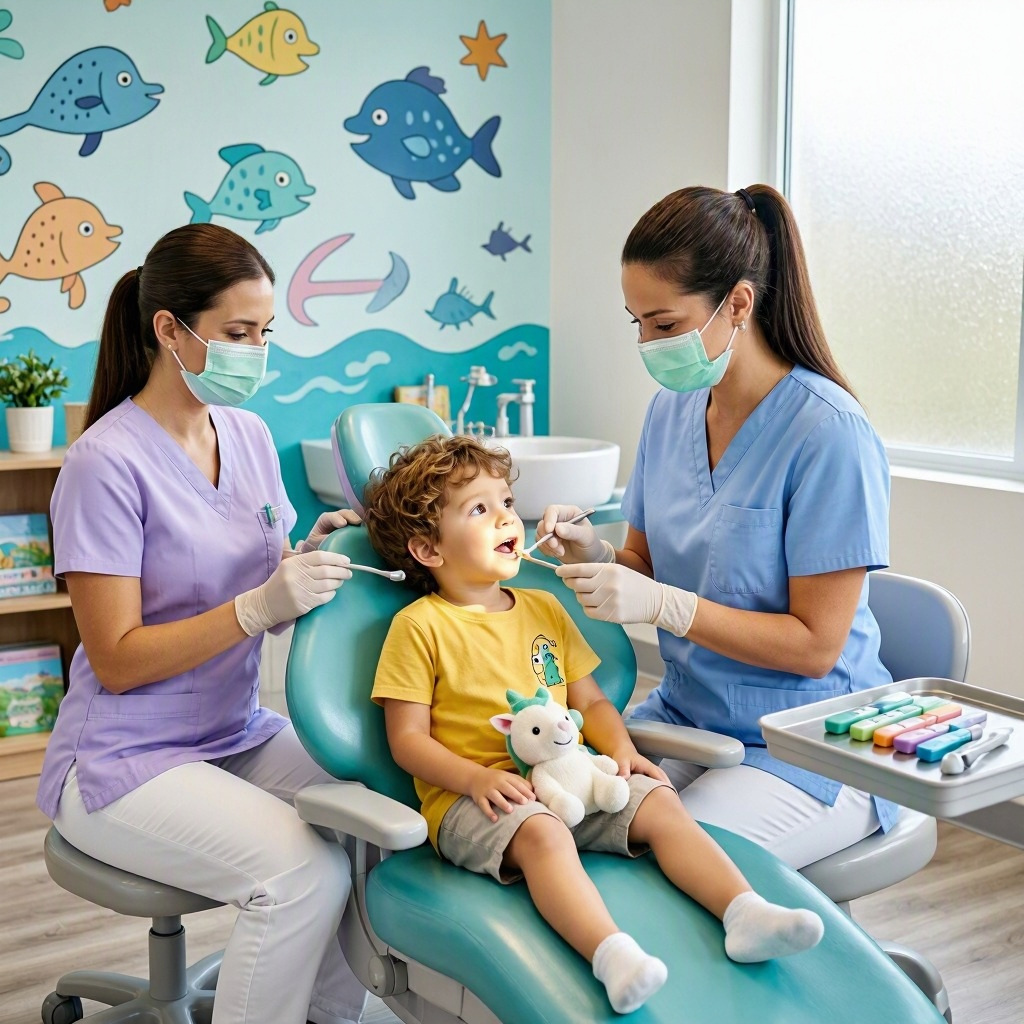
A kids dentist office is designed for children. The waiting room has play areas. The treatment rooms have ceiling art and distraction screens. The furniture is child-sized. This environment reduces fear and makes visits more enjoyable.
Experience with Special Needs
Children with autism, Down syndrome, cerebral palsy, and other conditions need specialized care. Pediatric dentists receive training in treating these patients. They adapt their approach to meet each child’s unique needs.
Preventive Focus
Pediatric dentists emphasize prevention. They teach children and parents how to brush, floss, and eat for healthy teeth. They apply sealants and fluoride to prevent cavities. This focus on prevention saves families money and pain in the long run.
How to Choose a Kids Dentist
Choosing the right dentist is important. Here are the key factors to consider.
Credentials and Training
Look for a dentist who is board-certified in pediatric dentistry. This means they have completed the required training and passed a rigorous exam. Check if they are a member of the American Academy of Pediatric Dentistry (AAPD).
Office Environment
Visit the office before booking an appointment. Does it feel welcoming? Are there play areas? Is the staff friendly? A child-friendly environment makes a big difference.
Communication Style
Observe how the dentist and staff interact with children. Do they speak gently? Do they explain things in simple terms? Do they seem patient? Good communication skills are essential for building trust.
Location and Hours
Choose a dentist close to your home or your child’s school. Consider office hours. Do they offer early morning or evening appointments? This flexibility makes scheduling easier.
Insurance and Cost
Check if the dentist accepts your insurance. Ask about payment plans for larger procedures. Understand the costs before treatment begins.
Reviews and Referrals
Ask other parents for recommendations. Read online reviews. Look for comments about the dentist’s patience, the office environment, and the overall experience.
Comparative Table: Kids Dentist vs. General Dentist
| Feature | Kids Dentist | General Dentist |
|---|---|---|
| Training | 2–3 years additional residency | Standard dental degree |
| Patients | Infants, children, teens | Adults and teens |
| Environment | Playful, child-friendly | Professional, neutral |
| Behavior Management | Extensive training | Limited training |
| Special Needs Care | Specialized | May refer out |
| Sedation | Often offered | Sometimes offered |
| Preventive Focus | Strong emphasis | Standard emphasis |
What to Expect at the First Visit
The first visit is important. It sets the tone for future visits. Here is what typically happens.
The Greeting
The front desk staff greets you and your child warmly. They may offer a small toy or sticker. This helps your child feel comfortable.
The Waiting Room
Your child plays in the waiting area while you complete paperwork. The environment is designed to be fun and engaging.
The Examination
A dental assistant or hygienist brings you and your child to the treatment room. The dentist examines your child’s teeth, gums, and jaw. They check for:
- Cavities
- Gum health
- Bite alignment
- Growth and development
- Oral hygiene habits
The Cleaning
If your child is old enough, the hygienist cleans their teeth. They use gentle techniques and explain what they are doing.
Fluoride Treatment
The dentist may apply fluoride varnish to strengthen enamel. This is quick and painless.
Education and Guidance
The dentist talks to you about your child’s oral health. They offer advice on brushing, flossing, diet, and habits like thumb sucking.
The Reward
At the end of the visit, your child receives a small reward. A sticker. A toothbrush. A bouncy ball. This positive reinforcement makes them look forward to future visits.
“The first visit is mostly about building trust. We do not rush. We let the child explore. We explain everything. By the end, most children are smiling.” — Dr. Emily Torres, Pediatric Dentist
Common Treatments at a Kids Dentist
Pediatric dentists offer a range of treatments. Here are the most common.
Cleanings and Exams
Routine cleanings remove plaque and tartar. Exams check for cavities and other issues. These are typically recommended every six months.
Fluoride Treatments
Fluoride strengthens enamel and prevents cavities. It is applied as a varnish or gel. It is quick and painless.
Sealants
Sealants are thin coatings applied to the chewing surfaces of molars. They prevent food and bacteria from getting trapped in grooves. Sealants are recommended for children at risk of cavities.
Fillings
When cavities occur, pediatric dentists use tooth-colored composite fillings. These are safe, durable, and look natural.
Crowns
For severely damaged teeth, pediatric dentists may recommend crowns. Stainless steel crowns are common for baby teeth. They are durable and protect the tooth until it falls out naturally.
Extractions
Sometimes a tooth needs to be removed. This may be due to severe decay, infection, or overcrowding. Pediatric dentists use gentle techniques and provide aftercare instructions.
Orthodontic Evaluation
Pediatric dentists monitor jaw growth and tooth alignment. They refer patients to orthodontists when needed. Early evaluation can prevent more complex problems later.
Managing Dental Anxiety in Children
Dental anxiety is common. Here is how to manage it.
Before the Visit
- Read books: Choose children’s books about dental visits.
- Play pretend: Pretend to be a dentist with your child.
- Stay positive: Avoid saying “It won’t hurt.” This plants the idea that it might.
- Schedule wisely: Choose a time when your child is rested and not hungry.
During the Visit
- Stay calm: Children pick up on your emotions. If you are anxious, they will be too.
- Use distraction: Bring a favorite toy or blanket.
- Let the dentist lead: Do not interrupt. Trust their training.
- Offer praise: “You are doing great!” reinforces positive behavior.
After the Visit
- Celebrate: Do something fun after the appointment.
- Talk about it: Ask your child what they liked. Reinforce the positive.
- Reinforce habits: Remind them to brush and floss.
“The best thing parents can do is stay calm. If you are relaxed, your child will be relaxed. If you are anxious, they will sense it immediately.” — Dr. Nicole Adams, Pediatric Dentist
Building Healthy Dental Habits at Home
A kids dentist can only do so much. The real work happens at home.
Brushing
- Start early: Clean your baby’s gums with a soft cloth even before teeth appear.
- Use fluoride toothpaste: A rice-grain smear for children under 3. A pea-sized amount for children 3–6.
- Brush twice daily: Morning and night.
- Supervise: Children under 8 need help brushing.
Flossing
- Start when teeth touch: Once two teeth touch, start flossing.
- Use floss picks: These are easier for small hands.
- Make it fun: Use flavored floss or a flossing chart.
Diet
- Limit sugar: Avoid sugary drinks and snacks.
- Offer water: Water is the best drink for teeth.
- Limit sticky foods: Dried fruit and candy stick to teeth.
- Encourage calcium: Milk, cheese, and yogurt strengthen teeth.
Regular Visits
- Every six months: Routine cleanings and exams.
- First visit by age one: Or within six months of the first tooth.
- Do not wait for pain: Pain is a sign of a problem. Prevention is better.
Important Notes for Readers
Note on First Visit: The AAPD recommends a first visit by age one or within six months of the first tooth erupting.
Note on Teething: Teething can cause discomfort. Use chilled teething rings. Avoid teething gels with benzocaine.
Note on Thumb Sucking: Prolonged thumb sucking can affect tooth development. Discuss strategies with your dentist.
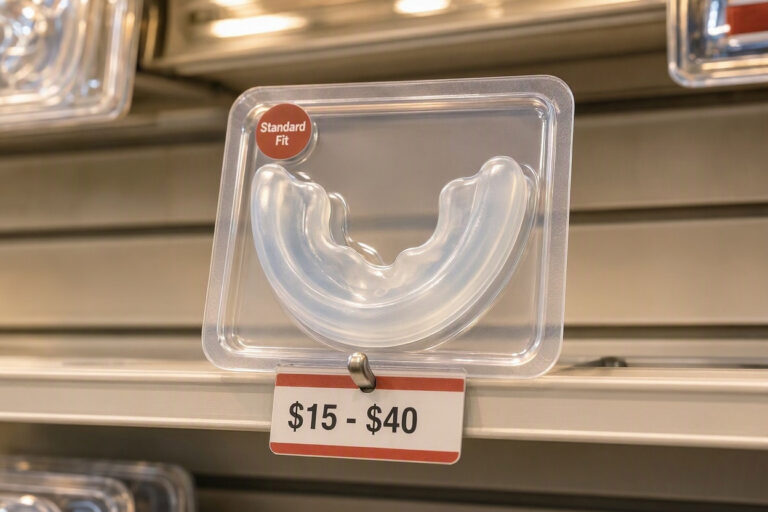
Note on Sports: Children in sports should wear mouthguards. Ask your dentist about custom-fitted options.
Note on Emergency Care: If a tooth is knocked out, keep it moist and see a dentist immediately. Do not scrub the root.
Conclusion
A kids dentist is a partner in your child’s oral health. They provide specialized care, a child-friendly environment, and expert guidance. Choose a dentist carefully. Prepare your child for visits. Build healthy habits at home. When you invest in your child’s dental care, you invest in their lifelong smile.
Frequently Asked Questions (FAQ)
Q: When should my child first see a kids dentist?
A: By age one, or within six months of the first tooth erupting.
Q: How often should my child visit the dentist?
A: Every six months for routine cleanings and exams. More often if there are specific concerns.
Q: Is a kids dentist more expensive than a general dentist?
A: Costs vary. Some pediatric offices charge similar rates. Others charge more due to specialized care. Check with your insurance.
Q: How can I calm my child’s fear of the dentist?
A: Choose a child-friendly dentist. Read books about dental visits. Stay calm during the appointment. Celebrate afterward.
Q: Are dental X-rays safe for children?
A: Yes. Modern digital X-rays use very low radiation. Dentists only take X-rays when necessary.
Q: What if my child has special needs?
A: Choose a pediatric dentist with experience treating special needs children. Offer a pre-visit tour to reduce anxiety.
Additional Resource:
For more guidance on pediatric dental care, visit the American Academy of Pediatric Dentistry website.