How Much Does It Cost To Extract A Rabbit Tooth?
Rabbits are popular pets. They are gentle, quiet, and full of personality. But they have delicate teeth that need proper care. One of the most common dental problems in rabbits is overgrown or damaged teeth. Sometimes, extraction is necessary. So how much does it cost to extract a rabbit tooth?
The answer ranges from $150 to $600 or more, depending on where you live, the complexity of the extraction, and whether additional care is needed. A simple extraction of a front tooth may cost less. A surgical extraction of a back molar costs more. Anesthesia, X-rays, and medications add to the total.
In this comprehensive guide, we will explore the cost of extracting a rabbit tooth. We will look at why extraction is needed, types of extractions, average prices by country, factors that affect costs, and how to care for your rabbit before and after surgery. By the end, you will know exactly what to expect.
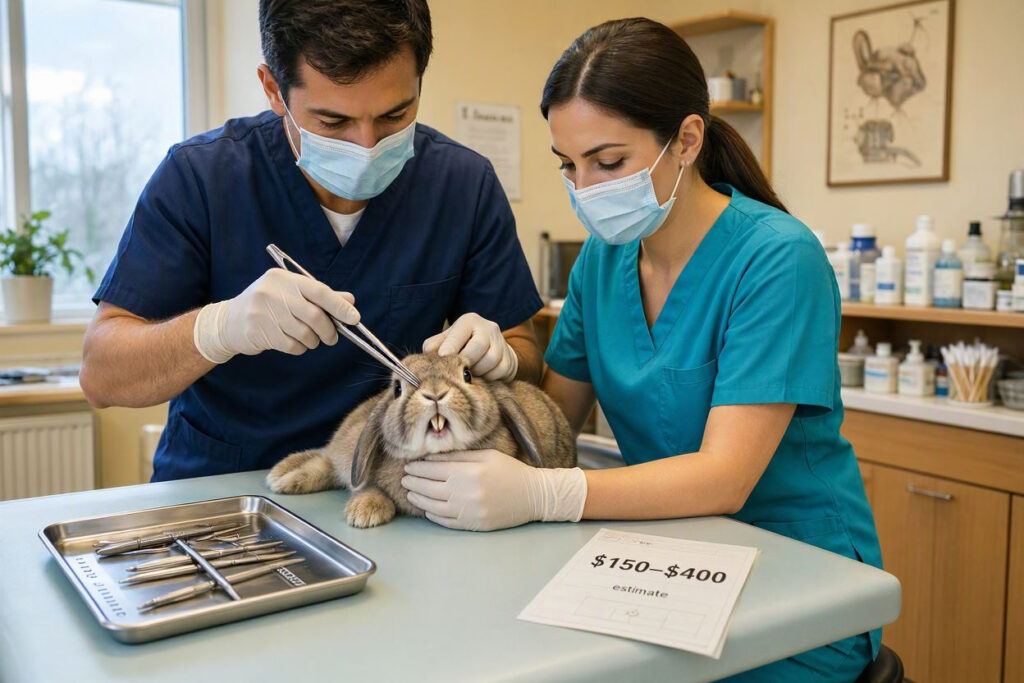
Why Do Rabbits Need Tooth Extractions?
Rabbits have open-rooted teeth that grow continuously throughout their lives. This is called elodont dentition. In the wild, rabbits wear down their teeth by eating tough, fibrous plants. In captivity, many rabbits do not eat enough fiber. This causes their teeth to overgrow.
Overgrown teeth can cause:
- Malocclusion (misaligned teeth)
- Difficulty eating
- Weight loss
- Drooling
- Eye discharge
- Abscesses
- Pain
If the problem is severe, extraction may be the only option. Other reasons for extraction include:
- Tooth root abscesses
- Fractured teeth
- Severe infection
- Dental disease that does not respond to trimming
- Trauma or injury
- Tumors
Important Note: Extraction is usually a last resort. Your veterinarian will try other treatments first, such as trimming or filing. But if the tooth is damaged beyond repair, extraction is necessary.
Types Of Rabbit Tooth Extractions
Rabbits have two types of teeth: incisors (front teeth) and molars (back teeth). The extraction procedure differs for each.
Incisor Extraction
Incisors are the large front teeth. Rabbits have four upper incisors and two lower incisors. They use these teeth for biting and gnawing.
Incisor extraction is usually simpler than molar extraction. The teeth are easier to access. The procedure takes less time. Recovery is faster.
Typical cost: $150 – $350
Molar Extraction
Molars are the back teeth. Rabbits have 22 molars and premolars. They use these teeth for grinding food.
Molar extraction is more complex. The teeth are difficult to access. The procedure takes longer. There is a higher risk of complications.
Typical cost: $300 – $600 or more
Surgical Extraction
Some teeth are deeply rooted or infected. They require surgical extraction. This involves cutting the gum and bone to remove the tooth. It is more invasive and costs more.
Typical cost: $400 – $800 or more
Multiple Extractions
If several teeth are damaged, multiple extractions may be needed. This increases the cost and the risks.
Typical cost: $600 – $1,500 or more
Average Cost Of Rabbit Tooth Extraction
Now, let’s get to the numbers. Here is a breakdown of typical costs for rabbit tooth extraction.
| Procedure | Price Range (USD) |
|---|---|
| Pre-operative exam | $50 – $100 |
| Anesthesia | $100 – $300 |
| Dental X-rays | $100 – $250 |
| Incisor extraction | $150 – $350 |
| Molar extraction | $300 – $600 |
| Surgical extraction | $400 – $800 |
| Multiple extractions | $600 – $1,500+ |
| Medications | $30 – $100 |
| Follow-up visit | $0 – $100 |
| Blood work | $50 – $150 |
Important Note: These prices are estimates. Actual costs vary by location, veterinary clinic, and your rabbit’s specific needs.
Average Cost Of Rabbit Tooth Extraction By Country
Prices vary widely around the world. Here is a comparison.
| Country | Incisor Extraction (USD) | Molar Extraction (USD) |
|---|---|---|
| United States | $150 – $350 | $300 – $600+ |
| Canada | $180 – $400 | $350 – $700+ |
| United Kingdom | $150 – $350 | $300 – $600+ |
| Australia | $200 – $450 | $400 – $800+ |
| New Zealand | $180 – $400 | $350 – $700+ |
| Ireland | $150 – $350 | $300 – $600+ |
| Germany | $120 – $300 | $250 – $550+ |
| France | $100 – $280 | $220 – $500+ |
| Spain | $80 – $250 | $180 – $450+ |
| Italy | $100 – $280 | $220 – $500+ |
| Mexico | $50 – $150 | $120 – $350+ |
| Costa Rica | $60 – $180 | $150 – $400+ |
| Thailand | $40 – $120 | $100 – $300+ |
| Vietnam | $30 – $100 | $80 – $250+ |
| Philippines | $30 – $110 | $90 – $280+ |
| India | $20 – $80 | $60 – $200+ |
| Turkey | $40 – $130 | $100 – $320+ |
| Hungary | $60 – $180 | $150 – $400+ |
Key Takeaway: Rabbit dental care is most expensive in the United States, Canada, and Australia. It is most affordable in India, Vietnam, and the Philippines.
Average Cost Of Rabbit Tooth Extraction In The United States
Prices vary significantly across the United States. Here is a breakdown by region.
| State/Region | Incisor Extraction (USD) | Molar Extraction (USD) |
|---|---|---|
| California | $200 – $400 | $400 – $700+ |
| New York | $220 – $450 | $450 – $750+ |
| Texas | $150 – $320 | $300 – $600+ |
| Florida | $160 – $350 | $320 – $650+ |
| Illinois | $170 – $360 | $340 – $680+ |
| Pennsylvania | $150 – $330 | $310 – $620+ |
| Ohio | $130 – $300 | $280 – $560+ |
| Georgia | $140 – $320 | $300 – $600+ |
| Arizona | $150 – $330 | $310 – $620+ |
| Nevada | $170 – $360 | $340 – $680+ |
Note: These prices are for exotic animal veterinarians. General veterinary clinics may charge less but may not have the expertise to treat rabbits.
What Affects The Cost Of Rabbit Tooth Extraction?
Several factors determine the final price. Let’s examine each one.
Location
Veterinary costs are higher in big cities and affluent areas. Rural areas and small towns charge less. The cost of living, rent, and wages all affect prices.
Type Of Clinic
An exotic animal veterinarian charges more than a general veterinarian. Rabbit dental care requires specialized knowledge and equipment. Not all clinics treat rabbits.
Rabbit’s Size
Larger rabbits need more anesthesia. They also need larger doses of medication. This increases the cost.
Rabbit’s Age
Older rabbits may need more pre-anesthetic testing. They may also have more dental problems. This adds to the cost.
Severity Of Dental Disease
Mild problems are easier to treat. Severe problems with abscesses, bone loss, or infection require more work. This increases the cost.
Number Of Extractions
Each extraction adds to the cost. Multiple extractions add up quickly.
Pre-Anesthetic Blood Work
Most veterinarians require blood work before anesthesia. This checks organ function and ensures your rabbit is healthy enough for surgery. It costs $50 to $150.
Anesthesia
General anesthesia is required for dental extraction in rabbits. It keeps your rabbit still and pain-free. It costs $100 to $300. The type and duration of anesthesia affect the price.
X-Rays
Dental X-rays show the roots and surrounding bone. They add $100 to $250 to the cost. They are essential for planning the extraction.
Medications
Antibiotics, pain relievers, and prokinetics (to keep the gut moving) add to the cost. They cost $30 to $100 total.
Follow-Up Care
Some rabbits need a follow-up visit. This may include checking healing, removing sutures, or adjusting medication. It costs $0 to $100.
Payment Method
Paying in full upfront may earn a discount. Payment plans may include interest or fees.
What’s Included In The Price?
Before you book, ask what the price includes. Some clinics charge separately for certain items.
Typically Included:
- Physical examination
- Anesthesia
- Extraction
- Basic monitoring
Often Not Included:
- Pre-anesthetic blood work
- X-rays
- Medications
- IV fluids
- Follow-up visits
Important Note: A low price may not include everything. Read the fine print. Ask for a written estimate.
Is Rabbit Tooth Extraction Safe?
Safety is a top concern. Here are key points to consider.
Pre-Anesthetic Testing
Most veterinarians require blood work before anesthesia. This checks liver and kidney function. It ensures your rabbit can safely process the anesthetic.
Monitoring During Procedure
A veterinary technician monitors your rabbit during the procedure. They check heart rate, breathing, and body temperature. This keeps your rabbit safe.
Anesthesia Risks
Anesthesia carries some risk for all pets. Rabbits are especially sensitive. They have a higher risk of complications than dogs or cats. However, modern anesthetics and monitoring make the procedure safer than ever.
Post-Procedure Care
Your rabbit may be groggy after anesthesia. They may have a sore mouth. Your veterinarian will provide pain medication and care instructions.
Gut Motility
Rabbits have delicate digestive systems. Stress and anesthesia can slow the gut. This can lead to a dangerous condition called stasis. Your veterinarian may prescribe medications to keep the gut moving.
Infection Control
Reputable clinics follow strict sterilization protocols. They use sterile instruments and disposable materials. This prevents infection.
Important Note: Never attempt to extract a rabbit tooth at home. This is extremely dangerous. Always seek veterinary care.
How To Save Money On Rabbit Tooth Extraction
You do not have to pay full price. Here are practical ways to reduce costs.
1. Prevent Dental Problems
Prevention is the best way to save money. Feed your rabbit a high-fiber diet. Provide hay and grass. Avoid sugary treats. This helps wear down their teeth naturally.
2. Get Multiple Quotes
Call several veterinary clinics. Compare prices for the same services. Ask what is included in each quote.
3. Ask About Payment Plans
Many clinics offer payment plans. You pay a down payment, then monthly installments. Ask about interest and fees.
4. Consider Pet Insurance
Pet insurance can cover dental extractions. Some plans cover preventive care. Check the details before buying. Note that pre-existing conditions are usually not covered.
5. Use CareCredit
CareCredit is a healthcare credit card. It works for veterinary care too. You can finance treatment and pay over time.
6. Look For Discounts
Some clinics offer discounts for seniors, military, or multiple pets. Just ask.
7. Schedule During Off-Peak Times
Some clinics offer lower prices during slow periods. Ask about seasonal discounts.
8. Choose A General Clinic
A general veterinary clinic charges less than a specialty hospital. However, not all general clinics treat rabbits. Make sure the clinic has experience with rabbits.
9. Start Early
Early treatment is simpler and cheaper. Do not wait until your rabbit has severe dental disease.
10. Maintain Good Oral Hygiene
While you cannot brush a rabbit’s teeth, you can provide dental chews and hay. This reduces dental problems and the need for extractions.
What Veterinarians Say About Rabbit Dental Care
We spoke with exotic animal veterinarians about rabbit tooth extraction costs and prevention. Here is what they shared.
“Rabbit dental disease is very common. The best prevention is a high-fiber diet. Hay should make up 80% of their diet. This helps wear down their teeth naturally.” — Dr. Sarah Johnson, Exotic Animal Veterinarian
“I always tell owners to bring their rabbits in for regular check-ups. Early detection of dental problems saves money and suffering.” — Dr. Michael Chen, Rabbit Specialist
“Many owners worry about anesthesia. But modern anesthesia is safe for rabbits. The risks of untreated dental disease are much higher than the risks of anesthesia.” — Dr. Aisha Patel, Exotic Animal Veterinarian
Important Notes For Readers
Keep these points in mind before your rabbit’s dental procedure.
Get a pre-anesthetic exam.
Your veterinarian will examine your rabbit before anesthesia. They may recommend blood work. This ensures your rabbit is healthy enough for the procedure.
Ask what is included.
Some clinics charge one fee for everything. Others charge separately. Get a written estimate.
Do not skip X-rays.
X-rays show the roots and surrounding bone. They help your veterinarian plan treatment and avoid surprises.
Follow post-procedure instructions.
Your rabbit may need soft food, pain medication, and rest. Follow your veterinarian’s advice carefully.
Monitor gut motility.
Rabbits need to eat after surgery. If they stop eating, contact your veterinarian immediately. Gut stasis is a medical emergency.
Provide a quiet recovery area.
Keep your rabbit warm, calm, and away from other pets. Minimize stress.
Budget for preventive care.
Hay, dental chews, and regular check-ups cost less than emergency surgery.
Consider pet insurance.
Pet insurance can help with the cost of dental care. Sign up before your rabbit has problems.
Preventing Dental Problems In Rabbits
Prevention is always better than treatment. Here is how to keep your rabbit’s teeth healthy.
Feed A High-Fiber Diet
Hay should make up 80% of your rabbit’s diet. Good options include timothy hay, orchard grass, and meadow hay. Hay wears down teeth naturally.
Provide Grass And Leafy Greens
Fresh grass and leafy greens are good for teeth. They also provide essential nutrients. Avoid iceberg lettuce, which has little nutritional value.
Limit Pellets And Treats
Pellets are concentrated and soft. They do not wear down teeth effectively. Limit pellets to 1/4 cup per day. Avoid sugary treats.
Provide Chew Toys
Safe chew toys help wear down teeth. Good options include untreated wood, cardboard, and willow branches. Avoid plastic and treated wood.
Schedule Regular Veterinary Check-Ups
Your veterinarian will check your rabbit’s teeth at every visit. They can catch problems early.
Watch For Warning Signs
Watch for drooling, weight loss, difficulty eating, and eye discharge. These are signs of dental problems.
Provide Fresh Water
Fresh water is essential for digestion and overall health. Use a water bottle or bowl. Change it daily.
Monitor Your Rabbit’s Behavior
Know your rabbit’s normal behavior. If they stop eating or become lethargic, contact your veterinarian.
Alternatives To Tooth Extraction
If extraction is not right for your rabbit, consider these options. However, they are not always possible.
Tooth Trimming
Veterinarians can trim overgrown teeth. This is done under anesthesia. It provides temporary relief. However, the teeth will grow back.
Tooth Filing
Filing smooths sharp edges on molars. It prevents cuts and ulcers in the mouth. It is also done under anesthesia.
Antibiotics
If an infection is present, antibiotics may help. They treat the infection but do not fix the underlying dental problem.
Pain Management
Pain medication can make your rabbit more comfortable. However, it does not treat the cause of the pain.
Diet Changes
A high-fiber diet can slow dental disease. It may reduce the need for extraction.
Important Note: These alternatives do not replace extraction when it is necessary. If your veterinarian recommends extraction, it is usually the best option for your rabbit’s health.
Frequently Asked Questions
How much does it cost to extract a rabbit tooth?
The cost ranges from $150 to $600 or more. An incisor extraction costs $150 to $350. A molar extraction costs $300 to $600 or more. Surgical extractions cost more.
Is tooth extraction painful for rabbits?
The procedure is done under general anesthesia. Your rabbit will not feel pain during surgery. Afterward, they may have some soreness. Pain medication helps.
How long does it take for a rabbit to recover from tooth extraction?
Most rabbits recover within a few days. They may need soft food and pain medication. Full recovery takes one to two weeks.
Can I remove my rabbit’s tooth at home?
No. Never attempt to extract a rabbit tooth at home. This is extremely dangerous. Always seek veterinary care.
How do I know if my rabbit needs a tooth extraction?
Watch for drooling, weight loss, difficulty eating, eye discharge, and pawing at the mouth. See your veterinarian if you notice any of these signs.
Is anesthesia safe for rabbits?
Modern anesthesia is safe for most rabbits. Your veterinarian will perform a pre-anesthetic exam and blood work. This ensures your rabbit is healthy enough for the procedure.
What should I feed my rabbit after tooth extraction?
Feed soft food like mashed pellets, critical care formula, and leafy greens. Avoid hard food until your rabbit heals. Follow your veterinarian’s instructions.
How can I prevent dental problems in my rabbit?
Feed a high-fiber diet. Hay should make up 80% of their diet. Provide chew toys. Schedule regular veterinary check-ups.
Does pet insurance cover rabbit tooth extraction?
Some pet insurance plans cover dental extractions. Check the details before buying. Pre-existing conditions are usually not covered.
What happens if I don’t extract my rabbit’s damaged tooth?
Untreated dental disease causes pain, infection, abscesses, and difficulty eating. It can also lead to death. Do not delay treatment.
Conclusion
Extracting a rabbit tooth costs between $150 and $600 or more, depending on the type of extraction, location, and your rabbit’s needs. Incisor extractions cost less. Molar and surgical extractions cost more. Prevention is the best way to save money. Feed a high-fiber diet, provide chew toys, and schedule regular veterinary check-ups. If your rabbit needs an extraction, get multiple quotes and ask about payment plans. Pet insurance can also help with costs. By prioritizing your rabbit’s dental health, you improve their comfort, health, and quality of life. Do not wait until problems get worse.
Additional Resource
For more information on rabbit dental care, visit:
- House Rabbit Society: https://rabbit.org
- American Veterinary Dental College: https://avdc.org
- Association of Exotic Mammal Veterinarians: https://aemv.org