Dental Code D6607: Crowns – Porcelain/Ceramic Substrate
Dental procedures are standardized using Current Dental Terminology (CDT) codes, ensuring uniformity in billing and treatment documentation. One such code, D6607, refers to a porcelain/ceramic substrate crown for a premolar tooth. This type of crown is widely used in restorative dentistry due to its aesthetic appeal and biocompatibility.
Unlike metal or porcelain-fused-to-metal (PFM) crowns, D6607 crowns are entirely ceramic, making them ideal for patients seeking a natural-looking restoration without compromising strength. This article explores indications, materials, procedures, costs, and comparisons with other crown types, providing a comprehensive guide for dental professionals and patients alike.

2. Understanding Porcelain/Ceramic Crowns
Porcelain and ceramic crowns are tooth-colored restorations designed to mimic natural teeth. The D6607 code applies specifically to premolars, which require a balance of durability and aesthetics due to their role in chewing.
Key Characteristics:
-
Material Composition: High-strength ceramics (e.g., lithium disilicate, zirconia-reinforced).
-
Aesthetics: Superior translucency and color-matching capabilities.
-
Biocompatibility: No metal, reducing allergic reactions.
3. Indications for D6607 Crowns
Porcelain/ceramic crowns (D6607) are recommended for:
✔ Severely decayed premolars that cannot be restored with fillings.
✔ Fractured or cracked teeth requiring structural reinforcement.
✔ Cosmetic enhancements for discolored or misshapen teeth.
✔ Patients with metal allergies who cannot tolerate PFM crowns.
4. Contraindications and Limitations
While D6607 crowns are versatile, they may not be suitable for:
✖ Bruxism (teeth grinding) patients without a night guard.
✖ Extreme bite force areas where metal crowns may be preferable.
✖ Cases requiring minimal tooth reduction (ceramic crowns need adequate thickness).
5. Materials Used in Porcelain/Ceramic Crowns
| Material | Strength (MPa) | Aesthetics | Best For |
|---|---|---|---|
| Lithium Disilicate (e.max) | 360-400 MPa | Excellent | Anterior & Premolars |
| Zirconia | 900-1200 MPa | Good (less translucent) | Molars & High-stress areas |
| Feldspathic Porcelain | 70-120 MPa | High translucency | Veneers & Low-stress crowns |
6. Step-by-Step Procedure for Placing a D6607 Crown
-
Initial Consultation – Diagnosis, X-rays, treatment planning.
-
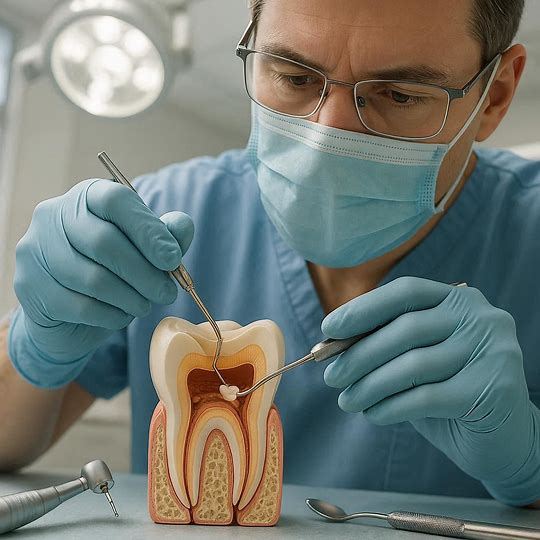
Tooth Preparation – Removal of decay, shaping the tooth.
-
Impressions – Digital or traditional molds sent to the lab.
-
Temporary Crown Placement – Protects the tooth while the permanent crown is fabricated.
-
Crown Fabrication – Lab creates the ceramic crown (2-3 weeks).
-
Final Fitting – Cementation and bite adjustment.
7. Advantages of Porcelain/Ceramic Crowns
✅ Natural appearance – Blends seamlessly with natural teeth.
✅ Metal-free – Ideal for patients with allergies.
✅ Durable – Lasts 10-15 years with proper care.
8. Disadvantages and Potential Complications
❌ Higher cost than metal crowns.
❌ Brittleness – May chip under extreme pressure.
❌ Requires more tooth reduction than composite or gold crowns.
9. Comparing D6607 with Other Crown Codes
| Code | Crown Type | Material | Best For |
|---|---|---|---|
| D6607 | Porcelain/Ceramic | Full ceramic | Premolars (aesthetics + function) |
| D2740 | Porcelain-Fused-to-Metal (PFM) | Metal + Porcelain | Molars (durability) |
| D2750 | Full Cast Metal | Gold alloy | High-stress areas |
10. Cost and Insurance Coverage for D6607 Crowns
-
Average Cost: $1,000 – $1,500 per crown.
-
Insurance Coverage: Typically covers 50-80%, depending on the plan.
11. Longevity and Maintenance
-
Lifespan: 10-15 years (with good oral hygiene).
-
Care Tips:
-
Avoid chewing hard objects (ice, pens).
-
Use a night guard if grinding teeth.
-
Regular dental check-ups.
-
12. Frequently Asked Questions (FAQs)
Q1: How long does a D6607 crown last?
A: With proper care, 10-15 years.
Q2: Are ceramic crowns stronger than PFM?
A: PFM crowns are stronger, but ceramic offers better aesthetics.
Q3: Can a D6607 crown be used on molars?
A: It’s designed for premolars, but zirconia crowns (D2783) are better for molars.
13. Conclusion
Dental code D6607 represents porcelain/ceramic crowns for premolars, offering a balance of aesthetics and functionality. While more expensive than metal alternatives, they provide a natural-looking, biocompatible solution for tooth restoration. Proper patient selection, material choice, and maintenance ensure long-term success.
14. Additional Resources
-
American Dental Association (ADA) CDT Codes – www.ada.org