Atlantis Dental Implants: A Complete, Honest Guide for Real People
If you’ve been searching for a tooth replacement option that feels natural, lasts for decades, and doesn’t require constant maintenance, you’ve likely come across the name “Atlantis Dental Implants.”
But what exactly are they? Are they different from regular implants? And more importantly—are they right for you?
Let’s sit down together and go through this step by step. No confusing medical jargon. No sales pitch. Just clear, realistic, and useful information.
What Are Atlantis Dental Implants?
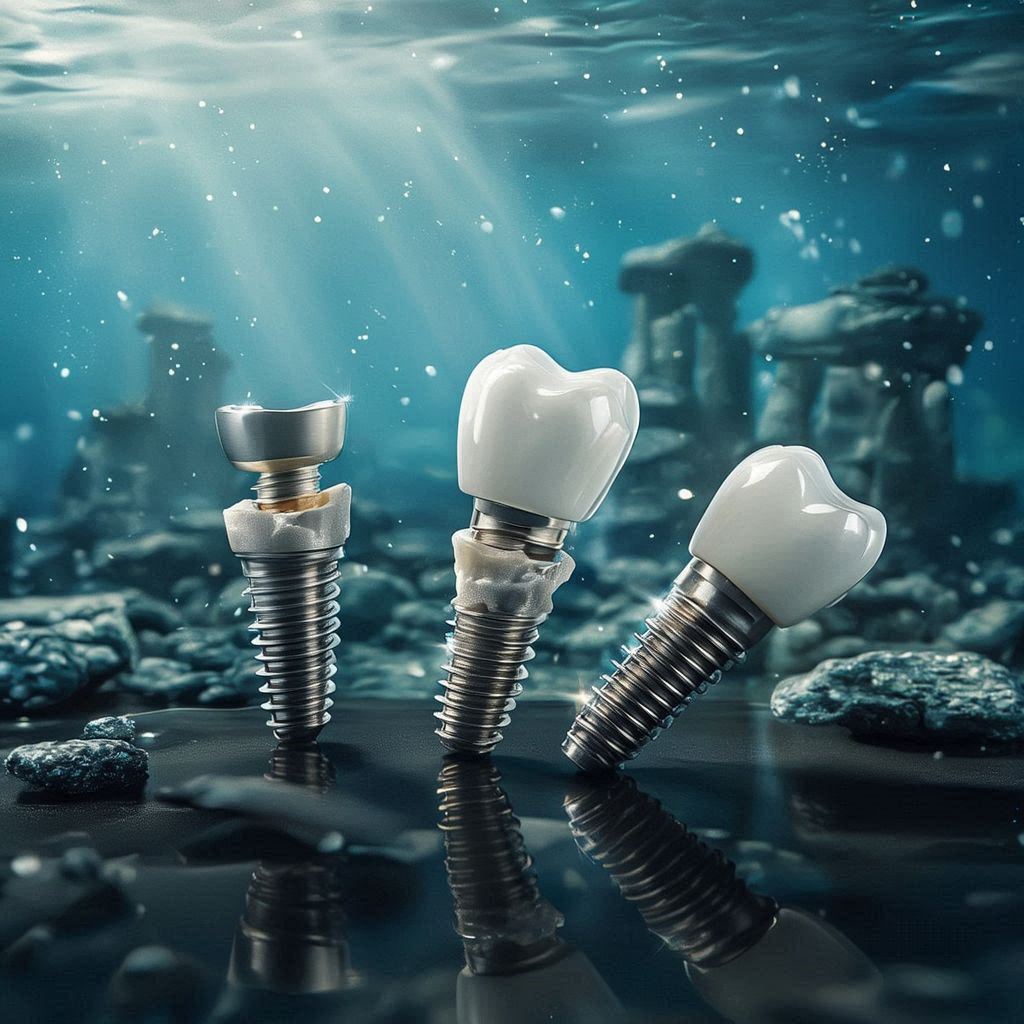
Atlantis Dental Implants are a specific brand or line of dental implant components. Unlike generic implants, these are known for their customized abutments—the small connector pieces that sit between the implant screw (placed in your jawbone) and the visible crown (the artificial tooth).
In simple terms:
- Implant fixture – the titanium screw in your bone.
- Abutment – the connector piece.
- Crown – the visible tooth.
The “Atlantis” name usually refers to the abutment. It is designed using advanced 3D computer technology to match your unique gum line and bite.
Why does that matter?
A standard abutment comes in pre-made sizes. Sometimes it fits well. Other times, it creates a small bulge under the gum or makes the crown look slightly unnatural.
Atlantis abutments are custom-milled for each person. That means less irritation, better gum healing, and a more lifelike appearance.
Reader note: Not every dental clinic offers Atlantis components. They are often used by specialists like prosthodontists or oral surgeons who focus on esthetic results.
How Do Atlantis Implants Differ From Traditional Implants?
Let’s put this into a quick, easy-to-read table.
| Feature | Traditional Implants | Atlantis Dental Implants |
|---|---|---|
| Abutment type | Pre-fabricated, stock sizes | Custom-designed for your anatomy |
| Fit precision | Good, but can have micro-gaps | Excellent, virtually no gap |
| Gum tissue response | Usually fine, but sometimes inflammation possible | Optimized for healthy gum contour |
| Esthetic result | Natural-looking in most cases | Superior for front teeth or thin gums |
| Cost | Lower to moderate | Higher due to customization |
| Availability | Almost every dentist | Specialist or advanced clinics only |
Key takeaway: Atlantis is not a completely different implant. It is an upgraded part of the implant system. Think of it like custom-made insoles versus off-the-shelf shoe inserts. Both work, but one fits perfectly.
Who Is a Good Candidate for Atlantis Dental Implants?
You might be a good candidate if:
- You are missing one or several teeth.
- Your jawbone is healthy or can be built up with a bone graft.
- You do not smoke heavily (smoking slows healing).
- You want the best possible cosmetic result, especially for front teeth.
- You have thin or delicate gum tissue that reacts to standard abutments.
- You have had a failed implant before due to poor fit or gum problems.
Who should be cautious?
- People with uncontrolled diabetes or autoimmune diseases.
- Those who clench or grind their teeth severely without a night guard.
- Patients with very limited budget (custom work costs more).
Realistic note: No implant system is 100% perfect for everyone. Your dentist should always take X-rays (CBCT scan) and review your medical history before promising any result.
Step-by-Step Procedure: What to Expect
Getting an Atlantis Dental Implant is not a single visit. It’s a process. Here’s how it typically goes.
Step 1: Initial Consultation
Your dentist will examine your mouth, take 3D scans, and discuss your goals. They will check bone density and gum health.
Step 2: Planning the Atlantis Abutment
If you choose the Atlantis system, impressions or digital scans are sent to a lab. Engineers design the abutment using special software. This takes about 1–2 weeks.
Step 3: Implant Placement Surgery
This is done under local anesthesia. The dentist makes a small cut in your gum, drills a precise hole in the bone, and places the titanium implant fixture. Then they stitch the gum closed over or around it.
Healing time: 3 to 6 months for osseointegration (bone growing around the implant).
Step 4: Abutment Placement
Once the implant is solidly fused to the bone, your dentist uncovers the implant and attaches your custom Atlantis abutment. Because it’s custom-made, it should fit perfectly without gaps.
Step 5: Crown Fabrication and Placement
A permanent crown is made to match your neighboring teeth. Then it is cemented or screwed onto the abutment.
Total timeline: 4 to 8 months from start to finish, sometimes longer if bone grafting is needed.
Advantages of Choosing Atlantis Abutments
Let’s go deeper into why someone would pay extra for this system.
1. Better Gum Health
Standard abutments can leave a small space where bacteria accumulate. Over time, this may cause peri-implantitis (inflammation and bone loss around the implant). Atlantis abutments are milled to match the exact emergence profile of your gum, reducing bacterial traps.
2. Natural Esthetics
The custom shape allows the crown to emerge from the gum like a natural tooth. No dark metal lines. No unnatural bulges.
3. Less Chair Time for the Dentist
Because the abutment is pre-designed digitally, your dentist doesn’t have to adjust or trim a stock part during surgery. That means shorter appointments and less guesswork.
4. Long-Term Reliability
A well-fitted abutment reduces mechanical stress on the implant screw. Less loosening. Less risk of fracture.
5. Ideal for Multiple Implants
If you are missing several front teeth, custom abutments ensure that all crowns line up perfectly in the same arch.
Potential Downsides (Honesty Matters)
No product is perfect. Let’s talk about real limitations.
Higher Cost
An Atlantis abutment can add $300 to $800 per tooth compared to a standard abutment. Insurance rarely covers this upgrade.
Requires Specialized Lab Work
Not every dental lab has the equipment to mill Atlantis components. Delays can happen if the lab is busy.
Not Necessary for Everyone
If your missing tooth is a lower molar that no one sees, a standard abutment is likely just fine. Spending extra on customization may be overkill.
Limited to Compatible Implant Systems
Atlantis abutments are designed for specific implant brands (like Straumann or certain others). If your dentist uses a different implant system, Atlantis may not be an option.
Reader note: Always ask your dentist: “Does your implant system support Atlantis custom abutments?” If they hesitate, consider a second opinion.
Cost Breakdown: What Will You Really Pay?
Let’s give you a realistic table based on U.S. private practice averages (2025). Prices vary by region and clinic.
| Procedure | Estimated cost (per tooth) |
|---|---|
| Implant fixture + surgery | $1,500 – $3,000 |
| Standard abutment + crown | $1,000 – $2,000 |
| Atlantis custom abutment | +$400 – $900 extra |
| Bone graft (if needed) | $500 – $1,500 |
| Final crown | $800 – $1,800 |
| Total with Atlantis | $3,200 – $6,200 per tooth |
Important: Many clinics offer package deals. Always ask for a written treatment plan before starting.
Recovery and Aftercare: What’s Normal?
Day 1–3: Mild swelling, some bruising. Eat soft foods. No spitting or straws.
Week 1–2: Sutures may dissolve or need removal. Gentle rinsing with salt water.
Month 1–6: The implant heals inside the bone. Avoid chewing directly on that side.
After crown placement: Treat it like a natural tooth. Brush and floss normally.
Long-term maintenance checklist
- Visit your dentist every 6–12 months for implant check-ups.
- Use a soft-bristle toothbrush.
- Floss with implant-specific floss or a water flosser.
- Wear a night guard if you grind your teeth.
- Do not chew ice or hard candies.
Quote from a prosthodontist (paraphrased for realism):
“I’ve placed over 500 Atlantis abutments. Patients with thin gums notice the difference immediately. But I always tell them: an implant is a tool, not a miracle. You still need to clean it.”
Common Myths About Atlantis Dental Implants
Let’s clear up a few misunderstandings.
Myth 1: Atlantis implants are a different type of implant.
Fact: Only the abutment is different. The screw in your bone is still a standard titanium implant.
Myth 2: They last forever.
Fact: With perfect care, 20–30 years is realistic. But crowns wear out. Gums recede. Nothing lasts forever in the human body.
Myth 3: Any dentist can place them.
Fact: The dentist needs training and a lab partner that manufactures Atlantis components.
Myth 4: They are painless.
Fact: The surgery involves anesthesia. You won’t feel sharp pain, but you will feel pressure and some soreness afterward.
How to Find a Reliable Dentist for Atlantis Implants
Not every implant dentist offers this system. Here’s how to find a good one.
- Ask specifically: “Do you offer custom CAD/CAM abutments like Atlantis?”
- Look for specialists: Prosthodontists, periodontists, or oral surgeons are more likely to use them.
- Check before-and-after photos: Look for cases with similar gum shape to yours.
- Read reviews carefully: Ignore 5-star hype. Look for comments about “communication,” “follow-up care,” and “fit.”
- Get a second opinion: If one dentist says you need 4 implants, another might say 3. It’s normal.
Frequently Asked Questions (FAQ)
1. Are Atlantis Dental Implants safe?
Yes. They are FDA-cleared and made from biocompatible materials. The custom abutment design does not introduce additional health risks.
2. Do Atlantis implants hurt more than regular implants?
No. The surgery is identical. The difference is in the abutment fit, not the pain level.
3. Can I get Atlantis implants on all my teeth?
Yes, but it becomes very expensive. For full-mouth reconstruction, some patients use Atlantis for front teeth and standard abutments for back teeth.
4. How long does the custom abutment take to make?
Usually 1–2 weeks from digital scan to delivery at the dentist’s office.
5. Will my insurance cover the Atlantis upgrade?
Most dental insurance plans cover a basic implant abutment. The custom upgrade is often an out-of-pocket expense. Call your insurer to ask about “custom abutment coverage.”
6. What happens if the custom abutment doesn’t fit perfectly?
Your dentist can send it back to the lab for adjustment. However, this is rare with digital design.
7. Can I switch to an Atlantis abutment years after my implant was placed?
Sometimes. If your existing abutment is removable and your gum has healed well, a dentist can replace it. But it may require a new crown.
Additional Resources
For more reliable, non-commercial information, visit the American Academy of Implant Dentistry (AAID) patient education page:
👉 https://www.aaid.com/patients
This link provides general implant knowledge, including abutment types, without pushing specific brands.
Important Notes for Readers (Please Read)
- Do not choose Atlantis implants just because a website says they are “the best.” Choose them because your specific anatomy needs customization.
- Always get a written estimate before starting treatment.
- Ask your dentist how many Atlantis cases they have placed. Experience matters more than the brand.
- Do not expect your implant to feel 100% like a natural tooth. It will feel different. That’s normal.
- If you smoke, quitting for 2 weeks before and 2 months after surgery dramatically improves success rates.
Conclusion
Atlantis Dental Implants are a high-quality, custom abutment solution that improves gum fit and cosmetic appearance compared to standard implants. They cost more and require an experienced dentist, but they offer real benefits for people with thin gums or esthetic concerns. For back teeth or tight budgets, standard implants remain a reliable and effective choice.