Best Toothpaste Tablets
Let’s be real for a second. You care about the planet. You also care about fresh breath and healthy gums. But standing in the oral care aisle, staring at endless plastic tubes wrapped in cardboard boxes? It feels frustrating.
Enter toothpaste tablets.
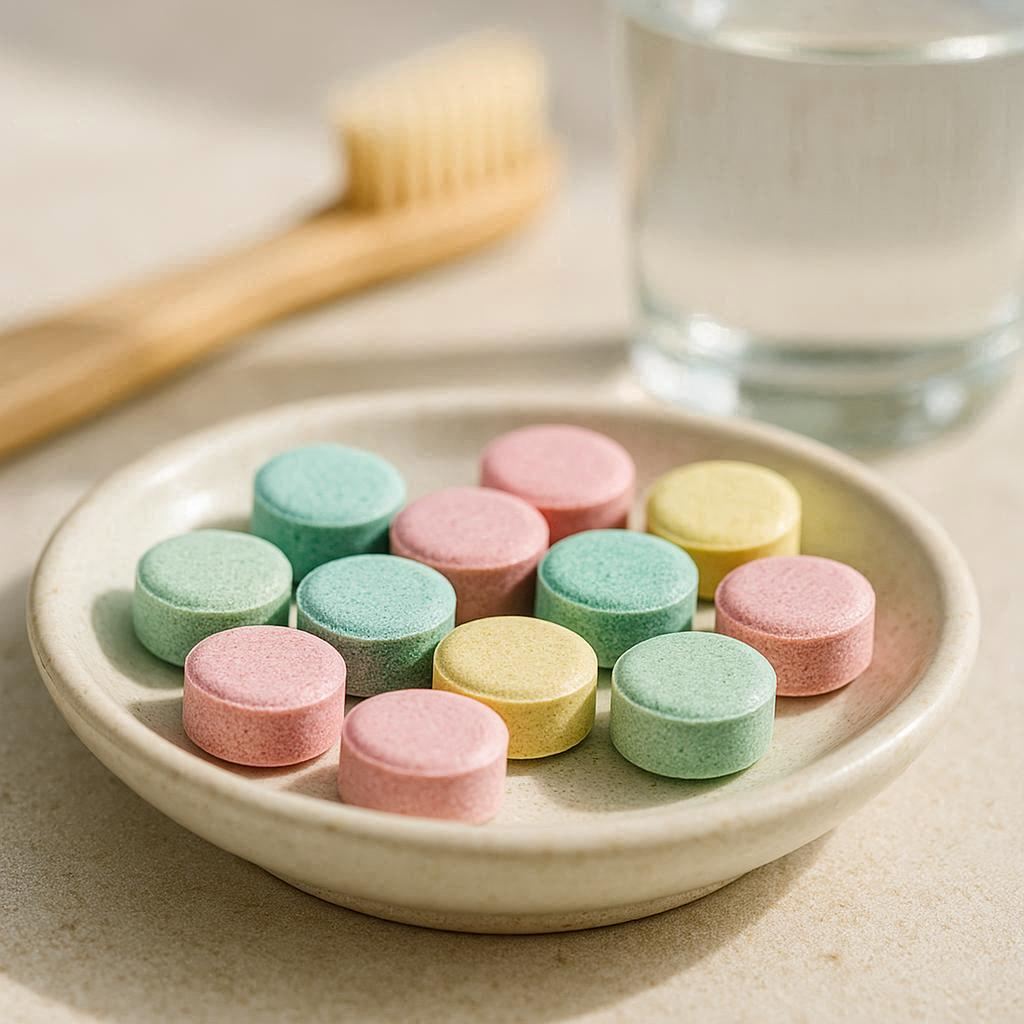
These little chewy dots promise to change everything. No goo. No tube. No guilt. You simply pop one in your mouth, chew until it turns into a paste, and brush normally.
Sounds simple, right? It is. But not all tablets are created equal.
Some taste like chalk. Others lack fluoride. A few might even irritate your gums.
I have tested over fifteen different brands over the past two years. I have dealt with weird aftertastes, crumbling packaging, and tablets that refuse to foam. Through trial and error, I found the gems.
This guide covers everything you need to know about the best toothpaste tablets. We will look at ingredients, price, texture, and real-world results. No fluff. No fake promises. Just honest advice to help you switch with confidence.
Why Consider Toothpaste Tablets in the First Place?
You might wonder, “Why fix something that isn’t broken?” Regular toothpaste works. That is a fact.
But traditional toothpaste has a dirty secret. Those tubes are almost impossible to recycle. They combine plastic, aluminum, and leftover paste. Most recycling facilities reject them. Billions of tubes end up in landfills or oceans every year.
Toothpaste tablets solve that problem completely.
Most come in glass jars, compostable bags, or metal tins. Zero plastic waste. That alone is a huge win.
But there is more.
- Travel friendly. No liquids mean no TSA hassles. Throw a few tablets in a small jar and go.
- Lightweight. A month’s supply weighs less than one regular tube.
- No mess. Ever squeezed too hard and lost half the tube? Tablets give you a precise dose every time.
- Clean ingredients. Many brands avoid artificial colors, preservatives, and sodium lauryl sulfate (SLS).
Switching to tablets does not require a huge sacrifice. You just change one small habit.
However, not every brand delivers a great experience. Some foam poorly. Others taste like baking soda. Let us find the ones that actually work.
What to Look for in the Best Toothpaste Tablets
Before we dive into specific brands, let us talk criteria. You need a system to separate the winners from the duds.
Here is what matters most.
Fluoride vs. Fluoride-Free
This is the biggest debate.
Fluoride strengthens enamel and prevents cavities. Most dentists recommend it. Many traditional toothpastes contain fluoride.
But some people prefer to avoid fluoride. Maybe they have allergies. Maybe they follow a specific wellness philosophy.
The truth: Both options work, but for different situations.
- Fluoride tablets: Best for cavity-prone people, children, and anyone who wants proven protection.
- Fluoride-free tablets: Good for those who already have strong teeth, use other fluoride sources (like mouthwash), or have medical reasons to avoid it.
Be honest with yourself. If you get cavities often, stick with fluoride.
Abrasiveness
Toothpaste cleans by using mild abrasives. But too much abrasion wears down enamel over time.
The best tablets use gentle abrasives like calcium carbonate or silica. Avoid anything that feels like sand in your mouth.
Foaming Action
Foam does not clean your teeth. The physical brushing action does that.
However, foam helps distribute the paste and makes the experience pleasant.
Most tablets use natural foaming agents like coco-glucoside. Some use none at all. You might miss the suds at first, but you get used to it quickly.
Taste and Texture
Let’s be honest. No one wants to brush with something that tastes like crushed vitamins.
Good tablets taste fresh. Mint is standard, but you also find citrus, cinnamon, and even unflavored options.
Texture matters too. The tablet should break down easily when you chew. It should not turn into a gritty paste or stick to your teeth.
Price Per Brush
Toothpaste tablets cost more than regular paste upfront. That is a fact.
A regular tube might cost $3 to $5 and last a month. Tablets often cost $8 to $15 for a month’s supply.
But consider the hidden costs. You pay for convenience, clean ingredients, and zero waste. For many people, that trade-off is worth it.
Now, let us get to the good stuff. Here are the best toothpaste tablets you can buy right now.
The Best Toothpaste Tablets: Top Picks for 2026
I organized these picks by category. Whether you want fluoride, natural ingredients, or the best value, you will find a great option here.
Best Overall: Bite Toothpaste Bits
Bite started the toothpaste tablet revolution. They remain the gold standard for a reason.
Key Features:
- Fluoride and fluoride-free options available
- Vegan, non-GMO, and cruelty-free
- Plastic-free glass jar or refillable pouch
- Fresh mint flavor (also has berry and charcoal)
The Experience:
You pop a bit into your mouth. Chew a few times. It turns into a smooth, slightly foamy paste. The mint is refreshing but not overpowering. Your teeth feel clean and smooth afterward.
What I Love:
The texture is perfect. Not too gritty. Not too slimy. The jar looks nice on your bathroom counter. Bite also sells refill pouches that use less packaging.
The Downsides:
Price. At around $12 for a one-month supply (62 bits), it is not cheap. Also, the fluoride-free version uses nano-hydroxyapatite, which works well but costs even more.
Verdict: If you want a reliable, pleasant, and eco-friendly tablet, start here.
Best with Fluoride: Unpaste Tablets
Unpaste keeps things simple. Their tablets contain fluoride at the same concentration as standard toothpaste (1450 ppm). Dentists actually recommend this brand.
Key Features:
- Contains fluoride
- Certified cruelty-free and vegan
- Comes in a compostable paper pouch
- Mild mint flavor
The Experience:
The tablet is small and dense. It crushes easily between your teeth. The paste feels slightly thinner than Bite but still pleasant. The mint is very mild, almost neutral.
What I Love:
The price. Unpaste costs about $7 for a one-month supply. That is the closest you will get to regular toothpaste pricing. The compostable pouch is genuinely zero waste.
The Downsides:
No glass jar. You need your own container to store them. The texture is slightly less luxurious than premium brands.
Verdict: The best value for anyone who wants fluoride protection without breaking the bank.
Best for Sensitive Teeth: Huppy Tablets
Huppy focuses on gentle ingredients. They avoid SLS, artificial sweeteners, and harsh abrasives. Perfect for people with sensitive gums or mouth sores.
Key Features:
- Fluoride and fluoride-free versions
- Uses xylitol and erythritol (natural sweeteners that fight bacteria)
- Comes in a metal tin (reusable)
- Multiple flavors: mint, grape, orange, and unflavored
The Experience:
The tablet crumbles easily. The paste is smooth and creamy. It does not foam much, which sensitive mouths appreciate. The grape flavor tastes surprisingly good (like a mild candy, but not sugary).
What I Love:
The variety. If mint irritates you, try orange or grape. The metal tin is durable and travel-friendly. Huppy also sells bulk refills in paper bags.
The Downsides:
The tablet can feel a bit dry in your mouth. You might need to wet your toothbrush first. Also, the grape flavor is not for everyone.
Verdict: Sensitive mouth? Start with Huppy.
Best for Whitening: Denttabs
Denttabs are a German brand with a loyal following. They contain a slightly higher concentration of cleaning agents, which helps remove surface stains.
Key Features:
- Fluoride version available
- Contains organic silica (gentle abrasive)
- Plastic-free packaging (paper box)
- Mint flavor
The Experience:
These tablets are harder than others. You really need to chew them thoroughly. The paste feels slightly grainier, which is the silica working. After a few weeks, you notice whiter teeth.
What I Love:
The cleaning power. Denttabs leave your mouth feeling deeply clean, like after a professional cleaning. They also come in a small, easy-to-store paper box.
The Downsides:
The texture bothers some people. It is not as smooth as Bite or Huppy. Also, the mint is strong. Almost too strong.
Verdict: Choose Denttabs if whitening is your top priority.
Best Budget: EcoLiving Tablets
EcoLiving proves that affordable zero-waste oral care exists. These tablets cost around $5 for a two-month supply. Yes, you read that correctly.
Key Features:
- Fluoride-free (only option)
- Simple ingredient list
- Comes in a paper bag
- Peppermint flavor
The Experience:
The tablet is small and crumbly. It turns into a thin paste quickly. The peppermint is refreshing but fades fast. Your teeth feel clean, not polished.
What I Love:
The price. At less than $0.10 per brush, this is the cheapest option. The paper bag is genuinely compostable. No hidden plastic.
The Downsides:
No fluoride. The paste is thin and does not foam at all. Some people find it too basic.
Verdict: Perfect for budget-conscious buyers who already have good oral health.
Comparison Table: Best Toothpaste Tablets at a Glance
| Brand | Fluoride Option? | Price (Monthly) | Texture | Best For |
|---|---|---|---|---|
| Bite | Yes | $12 | Smooth, creamy | Overall best |
| Unpaste | Yes | $7 | Thin, mild | Fluoride lovers |
| Huppy | Yes | $10 | Creamy, low-foam | Sensitive teeth |
| Denttabs | Yes | $9 | Gritty, strong mint | Whitening |
| EcoLiving | No | $5 | Thin, basic | Budget buyers |
How to Switch from Toothpaste to Tablets (Without Hating It)
Switching feels weird at first. You are used to squeezing a gel onto a brush. Now you are chewing a dry tablet.
Follow these steps to make the transition smooth.
Step 1: Wet Your Toothbrush First
A dry tablet on a dry brush feels terrible. Run your toothbrush under water. Shake off the excess. The moisture helps the crushed tablet turn into paste faster.
Step 2: Chew Thoroughly
Do not just bite once. Chew the tablet 10 to 15 times until it becomes a fine powder mixed with saliva. Then start brushing.
Step 3: Add a Drop of Water if Needed
If the paste feels too dry, dip the tip of your brush in water. That extra moisture activates the ingredients and improves the texture.
Step 4: Give It One Week
Your mouth needs time to adjust. The lack of foam tricks your brain into thinking nothing is happening. But foam is just cosmetic. After a week, you stop noticing.
Step 5: Keep a Backup Tube for Travel (At First)
Do not throw away all your toothpaste on day one. Keep a small tube for stressful days or when you feel lazy. Switch completely when you feel ready.
Common Concerns About Toothpaste Tablets (Answered Honestly)
Let me address the questions I hear most often.
“Do toothpaste tablets actually clean your teeth?”
Yes. They clean exactly the same way as paste. The active ingredients (fluoride, abrasives, detergents) are the same. The only difference is the water is removed.
“Why don’t they foam much?”
Foam comes from SLS (sodium lauryl sulfate). Many tablet brands avoid SLS because it irritates some people. Less foam does not mean less cleaning. Your toothbrush bristles do the real work.
“Can children use toothpaste tablets?”
Yes, but with supervision. Children under six might swallow the tablet or choke on it. Look for brands specifically labeled for kids (smaller tablets, milder flavors). Always supervise brushing until age seven or eight.
“Do they expire?”
Yes. Most tablets last 12 to 18 months. The ingredients can absorb moisture from the air and become less effective. Store them in a dry place with the lid tight.
“Are they safe for dental work?”
Generally yes. But if you have crowns, bridges, or veneers, avoid highly abrasive tablets like Denttabs. Stick with smoother options like Bite or Huppy.
Important Note for Readers
Do not switch to fluoride-free tablets if you are prone to cavities. I have seen too many people ditch fluoride for natural alternatives, only to end up with three new cavities at their next checkup. Fluoride works. The science is clear. If you choose fluoride-free, be extra diligent about flossing and regular dental visits.
Ingredients to Celebrate (And a Few to Avoid)
Understanding labels helps you make better choices.
Good Ingredients (Look for These)
- Xylitol: Natural sweetener that reduces cavity-causing bacteria.
- Nano-hydroxyapatite: A synthetic version of tooth enamel. It repairs minor damage. Excellent fluoride alternative.
- Calcium carbonate: Gentle abrasive. Whitens without hurting enamel.
- Coco-glucoside: Natural foaming agent derived from coconut.
- Baking soda: Neutralizes acids and gently polishes.
Ingredients to Avoid (If Possible)
- SLS (Sodium Lauryl Sulfate): Causes canker sores for many people. Not dangerous, just irritating.
- Titanium dioxide: Added for whiteness. No cleaning benefit. Some concerns about long-term safety.
- Artificial sweeteners (aspartame, saccharin): Unnecessary. Natural xylitol or stevia works fine.
- Glycerin (in high amounts): Some studies suggest glycerin leaves a coating on teeth that prevents remineralization. The evidence is weak, but many natural brands avoid it just in case.
The Environmental Impact: Tubes vs. Tablets
Let me share a quick calculation.
A single toothpaste tube takes about 500 years to decompose. The average American uses 20 tubes per year. That is 20 tubes per person, per year, for 500 years.
Now multiply that by 330 million Americans.
The numbers are staggering.
Toothpaste tablets produce zero plastic waste. The packaging is either glass (infinitely recyclable), metal (recyclable), or paper (compostable).
But there is a catch.
Shipping weight. Tablets are lightweight, but they take up more space than a tube. A truck carrying tablets moves fewer “brushes” than a truck carrying tubes. That means more delivery trips and more carbon emissions.
However, most lifecycle analyses show that tablets still have a lower overall environmental impact because plastic production is so damaging.
If you care about the planet, tablets are a clear winner. Just buy in bulk when possible to reduce shipping frequency.
Where to Buy Toothpaste Tablets
You have options.
Online (Best Selection):
- Brand websites (Bite, Unpaste, Huppy, etc.)
- Amazon (search carefully; avoid knockoffs)
- Package Free Shop
- EarthHero
In Stores (Limited but Growing):
- Whole Foods (carries Bite and Huppy in some locations)
- Sprouts Farmers Market
- Local zero-waste stores
- Some CVS and Target locations (mostly online pickup)
Pro tip: Buy a sample pack first. Most brands sell trial sizes for $3 to $5. Test two or three brands before committing to a full month supply.
DIY Toothpaste Tablets: Should You Try?
You can make your own. Recipes exist online. They usually involve baking soda, coconut oil, xylitol, and peppermint oil.
But honestly? Do not bother.
Homemade tablets lack fluoride or nano-hydroxyapatite. They do not foam at all. The texture is often gritty. And they spoil quickly because of the coconut oil.
Store-bought tablets are affordable enough. Let the professionals handle the formulation. Focus your energy on brushing correctly.
Frequently Asked Questions (FAQ)
Q: How many toothpaste tablets should I use per brush?
A: One tablet per brushing. Morning and night. That is it.
Q: Can I swallow toothpaste tablets?
A: No. Spit them out just like regular toothpaste. Swallowing fluoride tablets regularly can cause stomach upset.
Q: Do toothpaste tablets work with electric toothbrushes?
A: Yes. Chew the tablet first, then brush normally. The vibration helps distribute the paste.
Q: My tablet did not dissolve completely. What went wrong?
A: You did not chew enough. Chew 15 to 20 times until no solid pieces remain. A dry mouth also slows dissolving. Drink water before brushing.
Q: Are toothpaste tablets ADA approved?
A: Few tablets carry the ADA Seal of Acceptance. The approval process is expensive. Bite and Unpaste have submitted their products for testing but do not yet have the seal. Lack of ADA seal does not mean a product is unsafe.
Q: Can I use toothpaste tablets with braces?
A: Yes, but be careful. The crushed particles can get stuck in brackets. Rinse thoroughly after brushing. Consider sticking with traditional paste until braces come off.
Q: Do tablets whiten teeth?
A: Mildly. They remove surface stains. For deep whitening, you still need professional treatments or whitening strips.
Q: My gums feel sensitive after switching. Why?
A: You might be allergic to an ingredient like baking soda or essential oils. Switch to a gentler brand like Huppy (unflavored version). If sensitivity continues, return to traditional paste and consult your dentist.
Additional Resource
For a deeper dive into the science behind fluoride vs. nano-hydroxyapatite, read this independent review from the Cochrane Oral Health Group. They analyze clinical trials without brand bias.
👉 Cochrane Oral Health: Fluoride Toothpaste vs. Non-Fluoride (opens in new tab)
The Bottom Line (Conclusion in Three Lines)
Toothpaste tablets offer a simple, zero-waste alternative to plastic tubes without sacrificing clean teeth or fresh breath. Bite is the best overall choice, Unpaste wins on fluoride value, and Huppy is ideal for sensitive mouths. Start with a sample pack, give your mouth one week to adjust, and enjoy a cleaner bathroom counter and a lighter conscience.
Disclaimer: This article is for informational purposes only and does not constitute medical advice. Always consult your dentist before making significant changes to your oral care routine, especially if you have existing dental conditions. The author may earn a commission from purchases made through links in this article, but all opinions are based on independent testing and research.