Can Dental Implants Itch While Healing?
The healing process after dental implant surgery is a journey. You expect some pain, swelling, and bruising. But what about an itch? Many patients are surprised to find themselves asking, “Can dental implants itch while healing?” The answer is yes. It is a very common experience. In most cases, it is not a cause for alarm. In fact, it is often a sign that your body is doing exactly what it is supposed to do. However, it can also be a sign of a problem. This guide will help you understand the difference between a normal healing itch and an itch that requires professional attention.
The Normal Healing Itch: A Sign of Progress
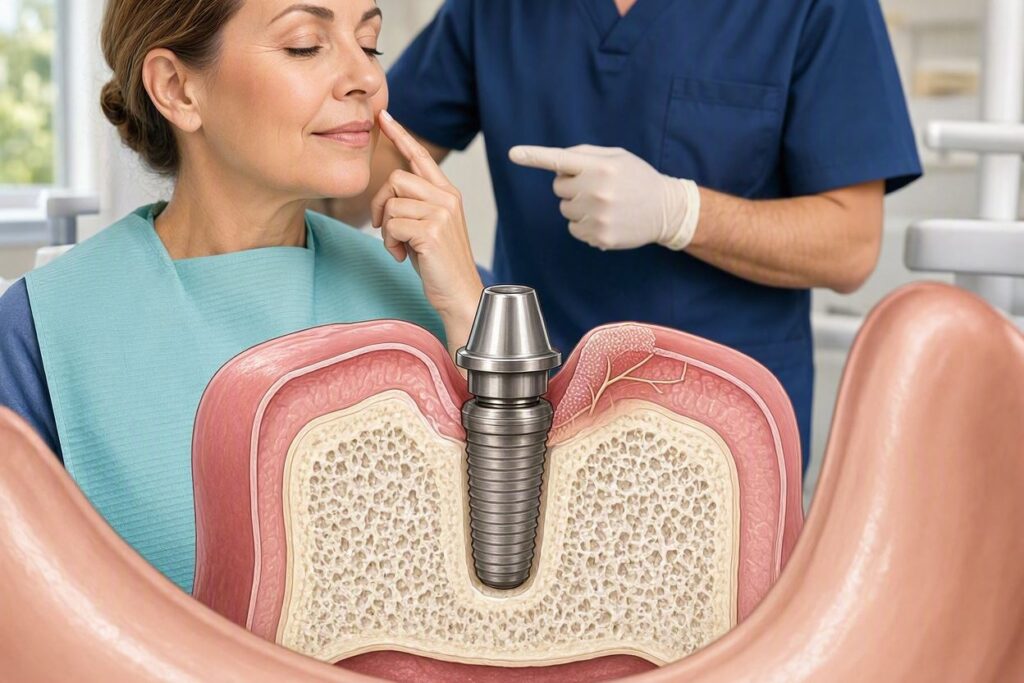
To understand why an implant site itches, you need to understand the biology of healing. When you undergo surgery, your body immediately begins a complex repair process. This process happens in stages.
Stage 1: Inflammation
This is the initial response. Blood clots form, and white blood cells rush to the area to clean up debris and fight infection. This is when you experience swelling and pain.
Stage 2: Proliferation
This is where the rebuilding begins. New tissue, called granulation tissue, forms. New blood vessels grow to supply the area with oxygen and nutrients. This is the stage where the itch often begins.
Stage 3: Remodeling
The new tissue matures and strengthens. The bone cells begin to fuse with the implant surface (osseointegration).
The itch you feel is usually caused by the processes in Stages 2 and 3. Here is what is happening beneath the surface:
- Nerve Regeneration: During surgery, tiny nerve endings in your gum tissue are cut. As these nerves heal and regenerate, they can send confusing signals to the brain. These signals are often interpreted as an itch, a tingle, or a slight electrical sensation.
- Tissue Growth: As new skin and gum cells grow to close the wound, the tissue stretches and moves. This microscopic movement can stimulate the nerve endings, causing an itch.
- Dryness: The surgical site is healing, and the tissue is new. It may not have the same level of moisture as mature tissue, leading to a dry, tight feeling that can be itchy.
The “Good Itch” vs. The “Bad Itch”
It is crucial to distinguish between a healing itch and an itch that signals a problem.
| Symptom | Likely Cause | Action Needed |
|---|---|---|
| Mild, intermittent itch | Normal nerve and tissue healing | None. It will pass. |
| Itch with no visual changes | Normal healing | Monitor. Keep the area clean. |
| Itch accompanied by severe swelling | Could be an allergic reaction | Contact your dentist immediately. |
| Itch with a visible rash or hives | Allergic reaction (to medication or material) | Contact your dentist or doctor. |
| Itch with pus or foul taste | Infection | Contact your dentist immediately. |
| Itch with persistent burning pain | Possible nerve damage or infection | Contact your dentist immediately. |
The Culprit: Allergic Reactions
While a mild itch is normal, a severe, persistent itch can be a red flag. The most common cause of a problematic itch is an allergic reaction.
You are not likely allergic to the titanium or zirconia implant itself. These materials are highly biocompatible. However, you could be allergic to something else involved in the procedure:
- Antibiotics: Many dentists prescribe antibiotics after surgery. Penicillin and related drugs are common allergens.
- Pain Medication: Opioids or NSAIDs can cause itching as a side effect in some people.
- Mouthwash: Chlorhexidine, a common antiseptic mouthwash prescribed after surgery, can cause an allergic reaction or irritation in a small number of patients.
- The Sutures: Some people react to the material used for stitches.
If the itch is accompanied by a rash, hives, swelling of the tongue or throat, or difficulty breathing, this is a medical emergency. Seek help immediately.
The Culprit: Infection
An infection at the surgical site can also cause discomfort, including an itch. However, an infection is rarely just an itch. It is usually accompanied by other, more prominent signs:
- Increasing pain that does not improve.
- Swelling that gets worse after 3 days.
- Redness that spreads.
- A foul taste or odor in the mouth.
- Pus draining from the site.
- A fever.
If you notice these signs along with an itch, do not wait. Call your dentist. An infection requires prompt treatment to protect the implant.
The Culprit: Oral Thrush
The use of antibiotics after surgery can kill off the “good” bacteria in your mouth. This can lead to an overgrowth of yeast, a condition called oral thrush (candidiasis). Thrush can cause an itching or burning sensation on the gums and tongue. It appears as white, cottage-cheese-like patches that can be wiped away. It is treatable with antifungal medication.
How to Manage a Normal Healing Itch
If you are confident your itch is just part of the healing process, here are some safe ways to find relief:
- Do Not Scratch: This is the golden rule. Scratching the surgical site can damage the delicate healing tissue, introduce bacteria, and disrupt the healing process.
- Rinse with Salt Water: A warm salt water rinse can soothe the tissue and keep the area clean. Do not rinse vigorously; just gently swish.
- Stay Hydrated: Drink plenty of water. Dehydration can make the tissues feel dry and more itchy.
- Apply a Cold Compress: If the itch is accompanied by mild swelling, a cold compress on the outside of your cheek can help numb the area and reduce inflammation.
- Distract Yourself: Often, the more you focus on the itch, the worse it feels. Watch a movie, read a book, or go for a walk.
What Not to Do
Avoid these common mistakes during the healing phase:
- Do not apply topical creams or gels to the surgical site unless specifically instructed by your dentist.
- Do not use a straw. The suction can dislodge the blood clot.
- Do not smoke. Smoking dramatically impairs healing and increases the risk of infection and implant failure.
- Do not probe the area with your tongue, fingers, or toothpicks.
The Timeline of Healing
Understanding the timeline can help you assess your symptoms.
- First 24-48 hours: Pain, swelling, and bruising peak. Itching is rare at this stage.
- Days 3-7: Swelling begins to subside. As the tissue starts to repair, the itch often begins.
- Weeks 2-4: The gum tissue has largely healed. The itch should be fading. The deeper bone healing (osseointegration) is still ongoing for months.
If you are in the first few days and you feel an intense itch along with swelling, it is more likely to be an allergic reaction to medication than a normal healing itch. Contact your dentist.
A Patient’s Experience
“About a week after my surgery, my gum started to itch like crazy. I was worried something was wrong. My dentist told me it was just the nerves waking up and the tissue healing. She told me to use the salt water rinse and it really helped. Sure enough, after a few days, it went away.” – Jessica M., Implant Patient
Important Notes for Readers
- The Itch is a Good Sign (Usually): It means your body is repairing itself. The nerves are waking up.
- When in Doubt, Call: Most dental offices have an after-hours line. If you are concerned, do not hesitate to call. A simple conversation can give you peace of mind.
- Take Medications as Prescribed: If you are given antibiotics, finish the entire course, even if you feel fine. This prevents resistant infections.
- Keep Follow-Up Appointments: Your dentist needs to see the surgical site to ensure everything is progressing normally.
The Bottom Line
So, can dental implants itch while healing? Yes, and it is usually a positive sign. It indicates that the nerve endings are regenerating and the tissue is rebuilding. However, you must pay attention to the context. A mild itch with no other symptoms is likely normal. An itch accompanied by rash, severe pain, swelling, or discharge could signal an allergy or infection. By understanding the difference, you can navigate your healing journey with confidence and ensure the long-term success of your new implant.
Frequently Asked Questions (FAQ)
Q: How long does the itching last after dental implant surgery?
A: A normal healing itch typically lasts for a few days to a week. It comes and goes. As the tissue matures, the itch subsides.
Q: Can I take an antihistamine for the itch?
A: If your dentist suspects an allergy, they may recommend an antihistamine. Do not take new medications without consulting your dentist or doctor first, as some can interact with your prescribed pain medication.
Q: Is it normal for my chin or lip to tingle or itch after a lower implant?
A: A slight tingling can be normal as nerves heal. However, if you feel a complete numbness or a “zinging” pain, contact your dentist. This could indicate that a nerve was bruised or stretched during the procedure.
Q: What does it mean if my implant site itches months later?
A: Itching that appears long after healing could be a sign of gum disease (peri-implantitis) or a reaction to a new oral hygiene product. Schedule a check-up with your dentist to have it examined.
Additional Resource
For more information on post-operative care following oral surgery, you can visit the American Association of Oral and Maxillofacial Surgeons: https://myoms.org/