Can You Eat Rice After Dental Implant Surgery?
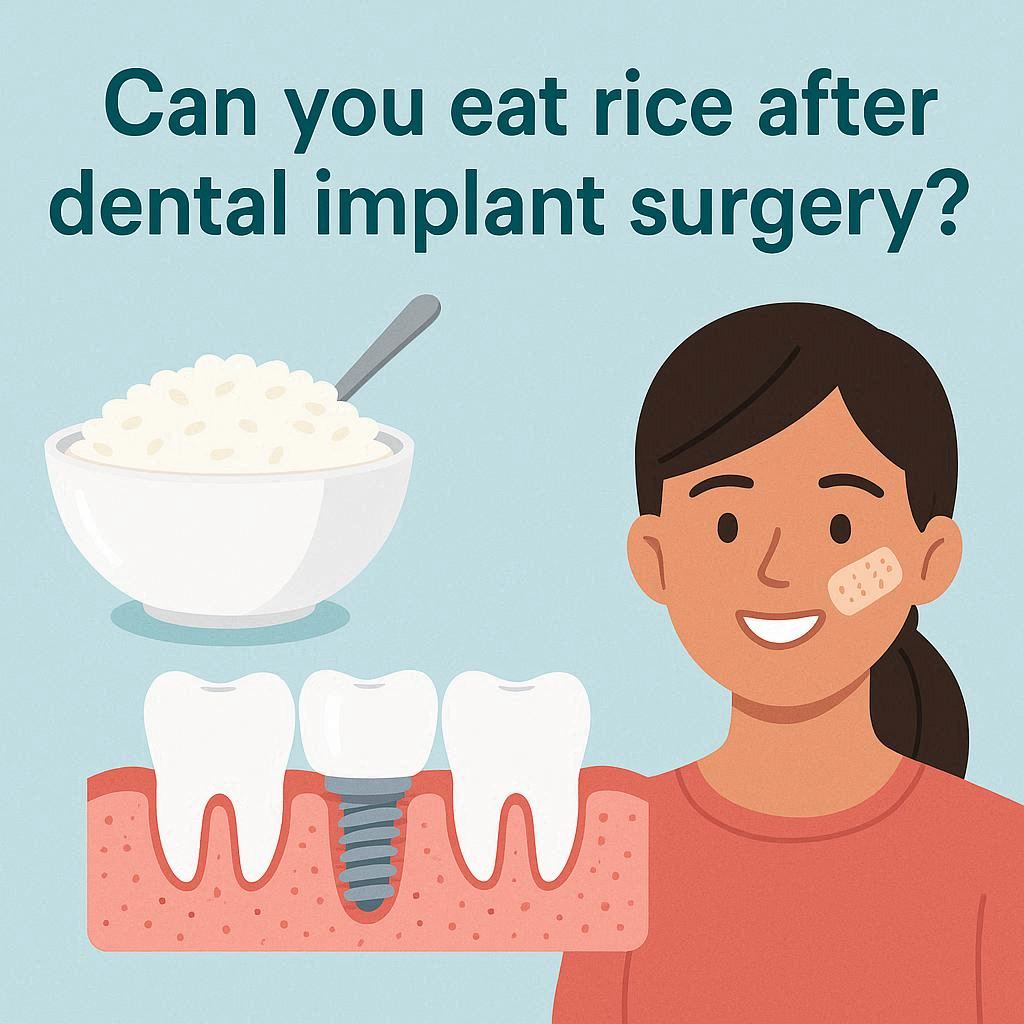
Getting a dental implant is a big step toward restoring your smile and your ability to chew with confidence. But after the procedure, your focus shifts to healing. And one of the most common questions people ask is: can you eat rice after dental implant surgery?
It seems like a simple question. Rice is soft, bland, and easy to prepare. But the answer isn’t a straight yes or no. It depends on how far along you are in your recovery.
In this guide, we will walk you through everything you need to know about eating rice after dental implant surgery. You will learn about the risks, the right timing, safer alternatives, and how to protect your investment in your new smile.
Understanding the Healing Process After Dental Implant Surgery
Before we talk about rice, it helps to understand what is happening inside your mouth after surgery.
A dental implant is a titanium post that your surgeon places into your jawbone. This post acts as an artificial tooth root. Over time, your bone grows around the implant in a process called osseointegration. This takes several months.
During the first few days and weeks, the surgical site is vulnerable. You have an open wound, stitches, and swelling. Your body is working hard to form a blood clot and start tissue repair.
Any food that disturbs this process can cause problems. That is why your diet matters so much in the early stages.
The First 24 to 48 Hours: Liquid and Soft Foods Only
In the first two days after surgery, you should stick to cold or lukewarm liquids and very smooth soft foods. Think broth, yogurt, applesauce, smoothies (no seeds), and protein shakes.
You should avoid anything that requires chewing. You should also avoid hot foods, as heat can increase bleeding and swelling.
During this phase, rice is not a good idea. Even well-cooked rice requires some chewing. And small grains can easily get stuck in the surgical site.
Days 3 to 7: The Transition Phase
By day three, swelling usually peaks and then starts to go down. You may feel ready to try more substantial foods. But caution is still very important.
Many people wonder if they can eat rice at this stage. The short answer is: usually not yet. The longer answer is: it depends on your specific case and your surgeon’s advice.
Some patients with uncomplicated surgeries and single implants may try very soft, overcooked rice porridge (congee) around day five or six. But for most people, it is better to wait.
Important note: Always follow your oral surgeon’s specific post-operative instructions. Every mouth heals differently. What works for one person may cause problems for another.
The Real Risks of Eating Rice Too Soon After Implant Surgery
Rice seems harmless. But when you are healing from oral surgery, rice presents several specific risks.
1. Small Grains Can Get Stuck in the Surgical Site
This is the biggest concern. Rice grains are tiny. They can easily lodge themselves in the gap around your healing implant, between stitches, or in the socket.
Once rice gets stuck, it is hard to remove. Rinsing gently may not be enough. And using force or poking at the area can damage delicate healing tissue.
Trapped food particles can lead to infection, inflammation, and delayed healing.
2. Chewing Rice Creates Pressure on the Healing Implant
Even soft rice requires some chewing motion. That motion creates pressure on your jawbone and the implant site.
In the first week, your implant has not yet begun fusing with your bone. Any unnecessary pressure can disturb the blood clot or cause micro-movement of the implant. This can lead to implant failure.
3. Rice Can Irritate Stitches and Tissues
The edges of individual rice grains can be rough, especially if the rice is slightly undercooked or cooled down. As you swallow, those grains can brush against your stitches and the sensitive gum tissue.
This irritation can cause pain, bleeding, and slower healing.
4. Difficulty Cleaning After Eating
After eating rice, you need to clean your mouth. But in the early healing stages, you cannot brush near the implant site. You also cannot use a water flosser at full pressure.
If rice gets stuck, you may be tempted to swish vigorously or use a toothpick. Both actions can dislodge the blood clot or damage the surgical area.
So, When Can You Actually Eat Rice After Dental Implant Surgery?
Let us give you a realistic timeline. This timeline assumes a straightforward single-tooth implant with no complications like bone grafting or sinus lifts. If you had more complex surgery, add extra time.
Week 1: No Rice
Avoid all forms of rice, including:
- White rice
- Brown rice
- Wild rice
- Rice porridge (congee) – unless it is very watery and blended
- Rice cakes
- Rice crackers
Stick to liquids, purees, and very smooth soft foods like mashed potatoes, pudding, and smooth soups.
Week 2 to Week 3: Proceed with Extreme Caution
By the second week, your stitches may have dissolved or been removed. Your gum tissue is starting to close around the implant. But osseointegration is still in its early stages.
You may try very soft, overcooked rice porridge (congee) with plenty of broth. The rice grains should be almost disintegrated. You should not need to chew.
How to try it safely:
- Cook white rice in 3 to 4 times the normal amount of water.
- Simmer for at least 45 minutes until the grains are completely soft and broken down.
- Let it cool to lukewarm.
- Eat on the opposite side of your mouth.
- Rinse gently with warm salt water afterward.
Do not try regular cooked rice, brown rice, or any rice that requires chewing.
Week 4 to Week 6: Still Careful
By week four, most patients feel much better. The gum tissue is usually healed over the implant. However, the bone is still fusing with the implant. This process is not complete until several months after surgery.
You can try regular soft white rice around week four or five, but follow these rules:
- Make sure the rice is very soft and moist.
- Avoid crispy or leftover rice that has hardened.
- Take very small bites.
- Chew only on the opposite side.
- Rinse your mouth gently after eating.
- If you feel any pain or discomfort, stop and go back to softer foods.
Week 8 to 12: Most Patients Can Eat Rice Normally
By the three-month mark, most people with a single implant can eat rice without special precautions. The gum tissue is fully healed, and the implant is stable.
However, be mindful of sticky rice (like sushi rice or glutinous rice). Sticky rice can pull on the restoration (the crown) or the abutment. It is generally fine, but if your crown is temporary, avoid sticky rice until you have your permanent crown.
After Final Crown Placement (Usually 4 to 6 Months)
Once your permanent crown is placed, you can eat rice just like you eat any other food. The implant is fully integrated, and the crown is securely attached.
That said, always practice good oral hygiene. Rice can still get stuck between teeth and around the crown. Floss or use a water flosser daily.
Comparative Table: Rice vs. Safe Alternatives by Healing Stage
| Healing Stage | Can you eat rice? | Better alternatives |
|---|---|---|
| Days 1-2 | No | Broth, protein shakes, yogurt, smooth applesauce |
| Days 3-7 | No | Mashed potatoes, pudding, cream of wheat, smooth soup |
| Week 2-3 | Only very soft congee (blended rice porridge) | Pureed vegetable soup, oatmeal, scrambled eggs, cottage cheese |
| Week 4-6 | Soft white rice only, with caution | Soft cooked pasta, mashed beans, finely ground meat, soft fish |
| Week 8-12 | Yes, most forms of rice are fine | Normal diet with caution on hard/crunchy foods |
| After final crown | Yes, normally | Normal diet |
What Type of Rice Is Safest for Dental Implant Recovery?
If you decide to eat rice during your recovery, the type of rice matters a lot.
Safest (if eaten at the right time):
- Overcooked white rice porridge (congee) – almost a liquid
- Very soft jasmine or sushi rice – these grains are softer and smaller
Moderate risk:
- Standard long-grain white rice – okay after week 4 if very soft
- Arborio rice (risotto) – creamy and soft, good option after week 4
High risk (avoid until fully healed):
- Brown rice – the outer bran layer is hard and sharp
- Wild rice – tough and chewy
- Parboiled or converted rice – firmer texture
- Leftover rice – grains harden in the fridge
- Fried rice – often contains hard vegetables and is oily
- Rice with shells or husks
Pro tip: If you press a grain of rice between your fingers and it does not mash easily, it is too hard for your healing mouth.
Signs That You Ate Rice Too Soon
Sometimes you do not realize a food is a problem until after you eat it. Watch for these warning signs:
- Pain or throbbing at the implant site after eating
- Bleeding – fresh blood when you spit or rinse
- Swelling that was going down but suddenly increases
- Bad taste or bad breath – this can indicate trapped food or infection
- Feeling of a grain stuck that will not rinse away
- Redness around the implant site
If you experience any of these symptoms after eating rice, take action immediately.
What to do:
- Stop eating rice.
- Rinse very gently with warm salt water (half a teaspoon of salt in a cup of warm water). Do not swish hard. Let the water fall out of your mouth.
- Do not poke at the area with your tongue, a toothpick, or floss.
- If a grain feels stuck, try a gentle irrigation with a curved syringe if your surgeon gave you one. Use low pressure.
- Call your oral surgeon’s office if pain or bleeding continues.
Safe and Nutritious Alternatives to Rice While You Heal
You do not need rice to have a satisfying, soft-food diet. Here are excellent alternatives that are safe and easy to prepare.
Grains and Starches (Soft or Pureed)
| Food | Why it is safe | How to prepare |
|---|---|---|
| Cream of wheat | Smooth, no chewing needed | Cook with milk or water until very soft |
| Oatmeal (finely ground) | Soft and filling | Use quick oats and extra liquid |
| Mashed potatoes | Creamy and nutritious | Add broth, butter, or gravy |
| Sweet potato puree | Rich in vitamins | Boil and mash with a little milk |
| Polenta or cornmeal mush | Soft and smooth | Cook with plenty of water or broth |
| Soft pasta (tiny shapes) | Easy to swallow | Cook until very soft, cut into small pieces |
| Quinoa (well-cooked) | High protein, small grains | Cook with extra water until grains burst |
Protein Sources (Easy to Chew)
- Scrambled eggs
- Cottage cheese
- Greek yogurt
- Smooth peanut butter (thinned with milk)
- Refried beans
- Soft tofu
- Blended lentil soup
- Pureed chicken or turkey (baby food texture)
- Flaked soft fish (like canned tuna or salmon mixed with mayo)
Fruits and Vegetables (No Seeds or Skins)
- Applesauce
- Mashed avocado
- Banana puree
- Canned pears or peaches (mashed)
- Pumpkin puree
- Cooked and pureed carrots or zucchini
Sample One-Day Soft Food Menu (Week 2)
Breakfast: Cream of wheat with a spoonful of peanut butter thinned with warm milk.
Morning snack: Greek yogurt (plain, no fruit chunks).
Lunch: Blended potato and leek soup. Cottage cheese on the side.
Afternoon snack: Mashed banana with a little honey.
Dinner: Very soft scrambled eggs with pureed avocado. Well-cooked polenta.
Evening snack: Vanilla pudding or a protein shake.
As you can see, you can eat well without rice for several weeks.
Special Situations That Change the Answer
Not every dental implant surgery is the same. Several factors affect when you can safely eat rice.
Multiple Implants or Full-Arch Restoration
If you received multiple implants in the same area or a full set of implants (like All-on-4), your healing is more complex. You have more surgical sites and more stitches.
In these cases, wait longer for rice. Most surgeons recommend waiting at least 8 to 12 weeks before trying any form of rice, including congee. The risk of food trapping is much higher when multiple implants are present.
Bone Grafting or Sinus Lift
If your surgery included a bone graft or a sinus lift, your healing timeline extends. The graft material needs time to integrate. Any pressure or movement can disrupt the graft.
Avoid rice for at least 8 weeks. When you try it, start with very soft congee. If you feel any pressure or discomfort, stop and wait another month.
Immediate Loading Implants
Some patients receive a temporary crown on the same day as implant placement. This is called immediate loading.
If you have a temporary crown, you must be extra careful. The implant has not yet integrated. Chewing forces transfer directly to the implant.
Avoid rice for at least 6 to 8 weeks. Even soft rice creates chewing pressure that can cause micro-movement.
Compromised Healing (Smoking, Diabetes, etc.)
If you have any condition that slows healing, such as diabetes, or if you smoke, your healing will take longer. Your risk of infection and implant failure is higher.
In these cases, wait longer for rice. Ask your surgeon for specific guidance. Many recommend waiting 12 weeks or more.
Honest advice: If you smoke, quitting or reducing smoking dramatically improves your healing. Smoking significantly increases the risk of implant failure.
How to Eat Rice Safely Once You Are Cleared
When your surgeon gives you the green light, you can enjoy rice again. But follow these best practices to protect your implant for the long term.
1. Start With Soft, Moist Rice
Freshly cooked white rice is best. Avoid leftover rice that has hardened. Avoid rice that has been sitting in a rice cooker for hours.
2. Cut Portions Into Small Bites
Use a spoon rather than chopsticks or a fork. Take small amounts.
3. Chew on the Opposite Side
If your implant is on the left, chew on the right. This reduces direct pressure.
4. Rinse After Eating
After your meal, rinse your mouth gently with warm water. This dislodges any loose grains.
5. Clean Properly
Once you are past the first few weeks, you should clean around your implant daily.
- Use a soft toothbrush.
- Use superfloss or implant-specific floss.
- Use a water flosser on a low setting.
6. Watch for Sticky Rice
Sticky rice (like sushi rice, mochi, or glutinous rice) can adhere to your crown. It is usually fine, but if your crown is temporary, avoid it.
Common Myths About Eating Rice After Dental Implants
Let us clear up some misinformation.
Myth 1: “Rice is so soft that it cannot hurt anything.”
Truth: Softness is not the only factor. The shape and size of rice grains matter. Small particles can get trapped in surgical sites regardless of how soft they are.
Myth 2: “If I rinse well afterward, rice is fine.”
Truth: Rinsing does not always remove trapped grains. Sometimes grains lodge under stitches or into the socket. Gentle rinsing may not dislodge them. Aggressive rinsing can harm the blood clot.
Myth 3: “Brown rice is healthier, so it must be better for healing.”
Truth: Brown rice is actually worse for healing. The bran layer is hard and fibrous. It requires more chewing and can irritate sensitive gums.
Myth 4: “Once the stitches are gone, I can eat anything.”
Truth: Stitch removal does not mean full healing. Your bone is still fusing with the implant. That process takes months. A healed gum does not equal a healed implant.
Myth 5: “I ate rice after my wisdom teeth removal, so implants are the same.”
Truth: Wisdom tooth extraction and dental implant placement are very different. An implant is a foreign object that your bone must accept. Disturbing an implant is more serious than disturbing an empty socket.
Long-Term Care: Eating Rice Years After Your Implant
Once your implant is fully healed and your permanent crown is in place, you can eat rice normally. However, you should still practice good habits.
Everyday Precautions
- Floss around your implant daily. Rice can get stuck between the crown and adjacent teeth.
- Use a water flosser to remove debris from hard-to-reach areas.
- Visit your dentist regularly for checkups. They will check the health of your implant and surrounding bone.
Foods to Always Be Careful With (Even After Healing)
While rice is fine, these foods pose higher risks to dental implants:
- Hard candies and ice (can crack the crown)
- Sticky caramels and taffy (can loosen the abutment)
- Popcorn kernels (can fracture the crown)
- Whole nuts (chew carefully)
Rice does not appear on that list. So once you are healed, enjoy your rice without fear.
What Your Oral Surgeon Wishes You Knew
We spoke with oral surgeons and implant specialists to bring you their most important advice.
“Patients often ask about rice on day three or four. My answer is always no. The risk of infection from trapped food is not worth it. Wait until at least week three, and even then, only congee. Your implant cost thousands of dollars. Protect that investment with two weeks of a boring diet.” – Dr. S. Chen, DDS
“I see more food-related complications from rice than almost any other food. Patients think it is safe because it is soft. But the small grains are deceptive. Stick to smooth purees for the first two weeks. Your healing will be faster and less painful.” – Dr. M. Rodriguez, Oral Surgeon
“If you absolutely must eat rice for cultural or personal reasons, blend it. Take your cooked rice and blend it with broth until it is completely smooth. That is safe by week two. Whole grains are not.” – Dr. A. Kapoor, Prosthodontist
Frequently Asked Questions (FAQ)
1. Can I eat rice on day 3 after dental implant surgery?
No. Day three is still very early in healing. Stick to liquids and smooth purees. Rice, even soft rice, can get stuck and cause infection.
2. Can I eat rice porridge (congee) after one week?
Some patients can try very watery, overcooked congee at day 7 to 10. The rice grains should be completely broken down. If you need to chew at all, it is not ready.
3. Is brown rice ever safe after dental implants?
Yes, but only after full healing (4 to 6 months). Brown rice is harder and chewier than white rice. It is not safe in early or mid-stage healing.
4. What happens if a rice grain gets stuck in my implant site?
You may feel pain, swelling, or a bad taste. Rinse gently with warm salt water. Do not poke at it. If it does not come out within a few hours, call your surgeon.
5. Can I eat sushi rice after dental implant surgery?
Sushi rice is sticky and soft. It is safer than brown rice but still not recommended until week 4 to 6. The stickiness can pull on stitches or a temporary crown.
6. Can I eat rice cakes after dental implants?
No. Rice cakes are hard, crunchy, and can easily damage healing tissue. Avoid them for at least 3 to 4 months.
7. Can I use a water flosser to remove rice from my implant?
After the first two weeks, yes, but use the lowest pressure setting. Aim the stream at the tooth surface, not directly into the gum. Before two weeks, avoid water flossers unless your surgeon approves.
8. How will I know if my implant is ready for rice?
Signs include: no pain when chewing on that side, no swelling, no bleeding when brushing, and your surgeon has confirmed good healing at a follow-up appointment.
9. Can I eat rice if I have a temporary crown on my implant?
Be very careful. Temporary crowns are not as strong as permanent ones. Wait until week 6 to 8, and only eat soft white rice. Avoid sticky rice.
10. What is the single best food to eat instead of rice in week 2?
Mashed potatoes with gravy or butter. They are smooth, filling, and provide calories and comfort. No chewing required.
Additional Resource
For more detailed information on post-operative nutrition and dental implant care, visit the American Association of Oral and Maxillofacial Surgeons (AAOMS) patient education page.
👉 Link: https://myoms.org
On their website, you can find:
- Printable recovery guides
- Soft food recipe ideas
- Videos on implant aftercare
- A search tool to find oral surgeons near you
Conclusion
So, can you eat rice after dental implant surgery? Yes, but only at the right time and in the right form. In the first one to two weeks, avoid all rice. Between weeks two and four, only very soft congee is acceptable. After week four, many people can eat soft white rice with caution. By three months, most patients can enjoy rice normally.
Protect your implant by listening to your body and following your surgeon’s advice. A few weeks of careful eating is a small price to pay for a lifetime of confident chewing.