Dental Code D3120: Your Complete Guide to Gingivectomy Procedures
If you’ve recently visited a dentist or periodontist and been handed a treatment plan filled with alphanumeric codes, you might have felt a wave of confusion. One code that often raises questions is Dental Code D3120. It looks clinical and intimidating, but behind that code is a very common procedure designed to improve your oral health.
Whether you are a patient trying to understand your upcoming treatment, a student navigating dental terminology, or simply someone researching periodontal care, you’ve come to the right place.
In this guide, we will break down everything you need to know about D3120. We’ll explain what the procedure is, why you might need it, how much it costs, what your insurance will cover, and what recovery looks like. Our goal is to make this information as clear and accessible as possible, so you can make informed decisions about your dental health.
Let’s dive in.
What is Dental Code D3120?
In the world of dentistry, standardization is key. The American Dental Association (ADA) developed the Current Dental Terminology (CDT) codes to ensure that dentists, insurance companies, and patients are all speaking the same language. Every procedure, from a simple X-ray to a complex root canal, has a specific code.
Dental Code D3120 specifically refers to a gingivectomy per quadrant.
Let’s break that down:
-
Gingivectomy: This term comes from “gingiva” (gums) and “ectomy” (removal). It is the surgical removal of gum tissue.
-
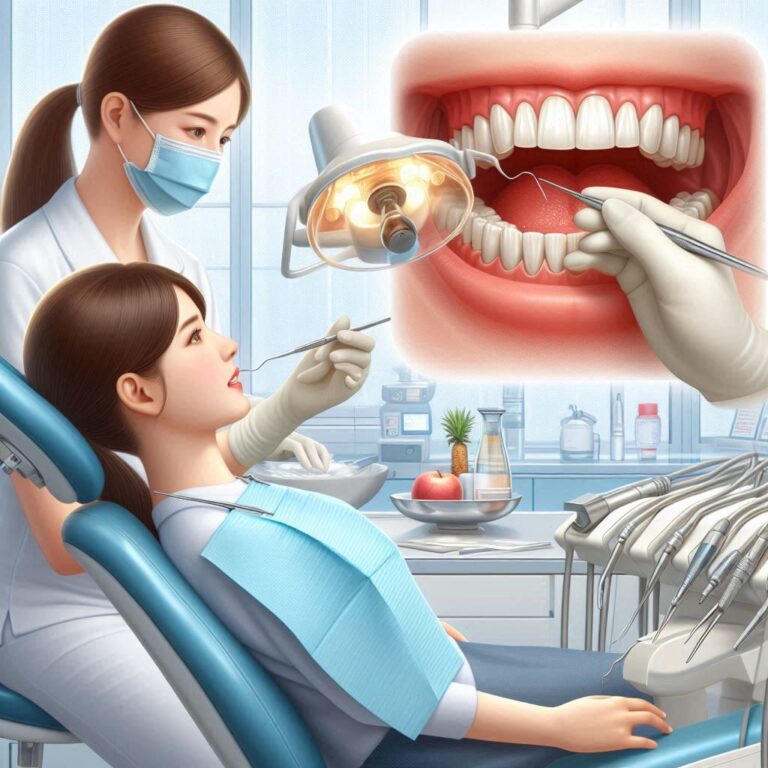
Per Quadrant: Your mouth is divided into four quadrants: Upper Right, Upper Left, Lower Right, and Lower Left. This code covers the surgical reshaping or removal of gum tissue in one entire quadrant during a single appointment.
The Official Definition
According to the CDT manual, D3120 is defined as the excision or removal of soft tissue (gum tissue) around the teeth. It is typically performed to eliminate periodontal pockets (the spaces between the tooth and gum that have become too deep due to disease) or to remove excess gum tissue for aesthetic or functional reasons.
Important Note: D3120 is distinct from other gum procedures. It involves surgical removal of tissue, whereas a code like D4210 refers to a more complex surgical procedure involving bone re-contouring (a flap procedure).
D3120 vs. Other Common Gum Procedure Codes
To truly understand D3120, it helps to see how it compares to other similar dental codes. This table clarifies the differences so you can better understand your dentist’s recommendation.
| CDT Code | Procedure Name | Description | When is it used? |
|---|---|---|---|
| D3120 | Gingivectomy – Per Quadrant | Surgical removal of gum tissue to reduce pocket depth or reshape gums. Does not involve bone. | Moderate periodontal pockets (4-6mm) that don’t respond to deep cleaning; excess tissue; gum overgrowth. |
| D1110 | Prophylaxis (Adult Cleaning) | Routine cleaning of teeth to remove plaque, calculus, and stains. | Healthy gums or minor gingivitis. No pocket reduction. |
| D4341 | Periodontal Scaling and Root Planing (SRP) – Per Quadrant | Deep cleaning below the gum line to remove calculus and toxins from root surfaces. | Active periodontal disease with inflamed gums and deeper pockets (4-6mm). First line of defense. |
| D4210 | Gingival Flap Procedure – Per Quadrant | Surgery where the gums are lifted back to remove tartar deposits deep in the pockets and reshape damaged bone. | Severe periodontitis with significant bone loss and very deep pockets (5mm+). |
| D4249 | Crown Lengthening – Per Tooth | Surgical procedure to reshape gums and sometimes bone to expose more of a tooth’s structure. | To prepare a tooth for a crown or for aesthetic reasons (e.g., “gummy smile”). |
As you can see, D3120 sits in the middle. It is more invasive than a routine cleaning but generally less complex than a full flap procedure involving bone.
Why Would You Need a D3120 Gingivectomy?
No one wakes up hoping to have gum surgery. Dentists recommend a gingivectomy for very specific medical and sometimes aesthetic reasons. Understanding the “why” behind the procedure can ease anxiety and help you see its value.
Here are the most common reasons a dentist will prescribe D3120:
1. Eliminating Periodontal Pockets
This is the most frequent medical reason. When you have gum disease (periodontitis), the infection causes the gums to pull away from the teeth, forming “pockets.” These pockets trap bacteria, plaque, and food debris.
-
The Problem: Pockets deeper than 3-4mm are impossible to keep clean with a toothbrush and floss at home.
-
The Solution: If a deep cleaning (SRP – D4341) has already been performed but the pockets remain too deep, a gingivectomy can surgically remove the pocket wall. By cutting away the diseased tissue, the pocket depth is reduced, making the area cleanable and healthy again.
2. Treating Drug-Influenced Gingival Overgrowth
Certain medications can cause your gum tissue to grow excessively, a condition known as gingival hyperplasia. Common culprits include:
-
Anti-seizure medications (like Phenytoin)
-
Immunosuppressants (like Cyclosporine)
-
Certain calcium channel blockers for high blood pressure (like Nifedipine)
This overgrown tissue makes eating and cleaning difficult and can look unsightly. A D3120 gingivectomy removes this excess tissue, restoring the gums to a normal, functional contour.
3. Reshaping Gummy Tissues for Crowns
Sometimes, a tooth may be decayed or broken below the gum line. To place a dental crown properly, the dentist needs access to the tooth’s edge. A gingivectomy can remove a small amount of gum tissue surrounding the tooth to expose the healthy tooth structure below, ensuring the crown fits snugly and doesn’t trap plaque.
4. Aesthetic Reasons (Gummy Smile)
While less common to be coded strictly for cosmetics under medical insurance, some patients have a “gummy smile” where an excessive amount of gum tissue shows when they smile. A gingivectomy can be performed to reshape the gum line, making the teeth appear longer and the smile more balanced. Note: In these cases, it is often considered an elective cosmetic procedure and may not be covered by standard insurance.
5. Removing Gum Abscesses or Lesions
In some cases, a localized area of infected or problematic gum tissue may need to be surgically removed to allow for healing and eliminate the source of infection.
The D3120 Procedure: A Step-by-Step Walkthrough
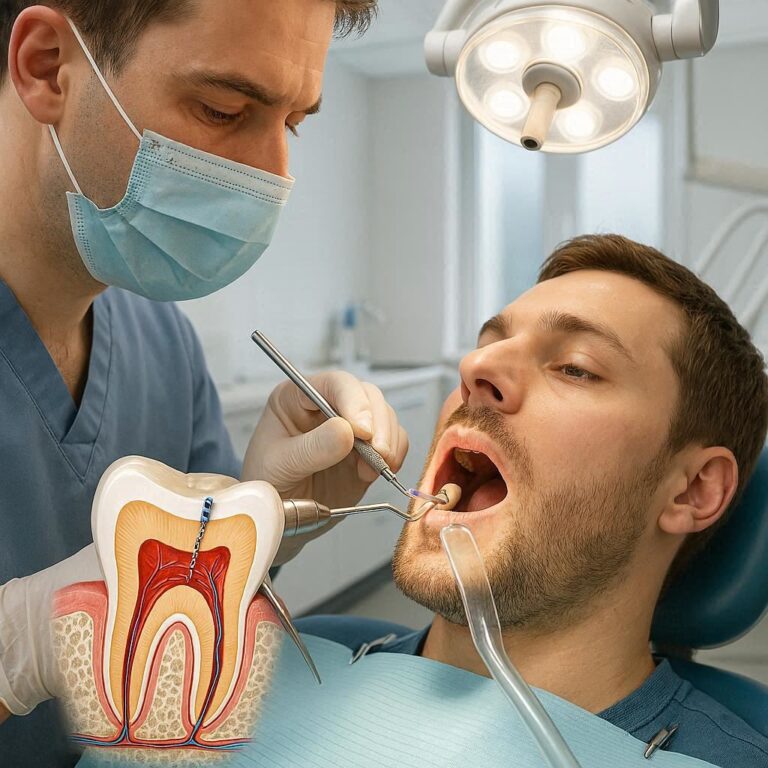
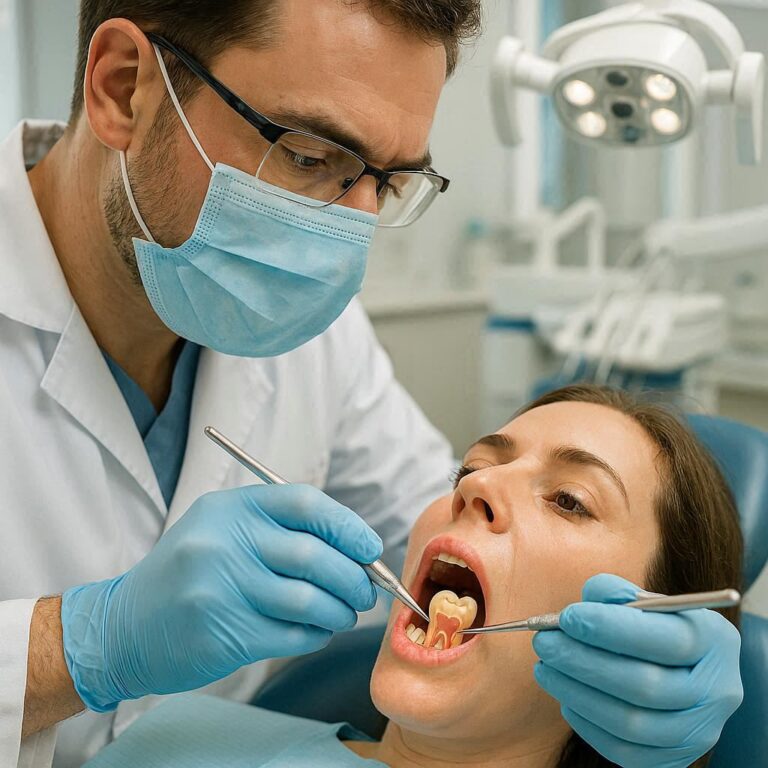
Knowing what happens during the procedure can significantly reduce fear of the unknown. While every dentist has their own technique, a typical D3120 gingivectomy follows a general pattern.
Before the Procedure: Consultation
Your journey starts with a comprehensive periodontal evaluation. Your dentist will:
-
Measure the depth of your gum pockets using a small probe.
-
Take X-rays to check the health of the underlying bone.
-
Review your medical history, including any medications you are taking.
-
Discuss the procedure, anesthesia, and recovery with you.
Step 1: Anesthesia
You will receive a local anesthetic to numb the quadrant being treated. This ensures you feel no pain during the tissue removal. If you experience dental anxiety, talk to your dentist about sedation options.
Step 2: Marking the Tissue (The “Pocket Marking”)
The dentist will use a small, calibrated probe to measure the depths of your pockets again. They will then use this information to create small bleeding points on the outside of your gums. These dots act as a guide, showing exactly how much tissue needs to be removed.
Step 3: Excision (Removal of Tissue)
This is the core of the procedure. Using specialized instruments, the dentist carefully cuts away the diseased or excess gum tissue along the marked line. The two main methods are:
-
Scalpel Surgery: The traditional method using a very sharp surgical blade. It offers excellent precision and control.
-
Electrosurgery / Laser Surgery: Many modern dentists use a soft-tissue laser. The laser cuts and cauterizes (seals) the tissue simultaneously. This often results in less bleeding, reduced post-operative discomfort, and faster healing times.
Step 4: Debridement and Cleaning
Once the excess tissue is removed, the area is thoroughly cleaned. Any remaining tartar or debris on the tooth roots is meticulously scraped away. The area is then irrigated with sterile water or an antimicrobial solution to flush out any remaining bacteria.
Step 5: Packing (Optional)
In some cases, the dentist may place a periodontal pack (also called a surgical dressing) over the surgical site. This putty-like material protects the area for a few days, minimizes discomfort, and holds the tissues in place while they begin to heal. Not all gingivectomies require a pack, especially if a laser was used.
The entire procedure for one quadrant typically takes between 30 and 60 minutes.
Recovery and Aftercare: What to Expect
Healing from a gingivectomy is generally manageable. Your body is remarkable at healing gum tissue, but following your dentist’s post-operative instructions is crucial for a smooth recovery.
The First 24-48 Hours
-
Bleeding: Some minor oozing or pink-tinged saliva is normal for the first day. You can bite gently on a gauze pad placed by your dentist to help control it.
-
Pain Management: You can expect some discomfort once the anesthesia wears off. Over-the-counter pain relievers like ibuprofen (Advil, Motrin) or acetaminophen (Tylenol) are usually sufficient. Your dentist may prescribe something stronger if needed.
-
Swelling: Mild swelling is normal. Applying an ice pack to the outside of your face for 10-20 minutes at a time can help.
-
Eating: Stick to a soft-food diet. Think yogurt, applesauce, smoothies, soup (not too hot), and mashed potatoes. Avoid hot, spicy, or crunchy foods that could irritate the wound.
Days 3-7
-
Oral Hygiene: This is critical, even with the wound. You must keep the area clean. Your dentist will advise you to:
-
Gently rinse with warm salt water (1/2 teaspoon of salt in a glass of warm water) several times a day, especially after meals. This soothes the tissues and helps keep the area clean.
-
Avoid brushing the surgical site directly for a few days. Gently brush the other teeth.
-
If a periodontal pack was placed, it will typically stay on for about 5-7 days. You must avoid flossing or picking at it.
-
-
Return to Normal: Most discomfort should subside within a few days. You can gradually return to a normal diet but avoid the surgical site.
One Week and Beyond
-
Follow-up Appointment: You will likely return to the dentist in about a week. The dentist will remove the periodontal pack (if one was placed) and check the healing progress. They will remove any sutures (stitches) if dissolvable ones weren’t used.
-
New Tissue: The gum tissue will look pink and healthy, but it will be tender. The newly exposed tooth surfaces may feel sensitive to hot and cold for a few weeks. This is normal and usually resolves on its own. Your dentist may recommend a desensitizing toothpaste.
-
Long-term Care: The success of the procedure depends on you. You now have shallower pockets that you can clean effectively. It is essential to maintain meticulous oral hygiene and keep your regular dental cleaning appointments (typically every 3-4 months for periodontal patients).
How Much Does Dental Code D3120 Cost?
The cost of a D3120 gingivectomy is not a one-size-fits-all number. It varies based on several factors. However, understanding the general price range can help you budget and plan.
Average Cost Breakdown
In the United States, the cost for a D3120 gingivectomy per quadrant typically ranges from $200 to $400.
This fee usually includes:
-
The surgical procedure itself.
-
Local anesthesia.
-
Post-operative instructions and basic follow-up care.
Factors Influencing the Final Price
-
Geographic Location: Dental fees are significantly higher in major metropolitan areas (like New York City, Los Angeles, or Chicago) compared to rural towns.
-
Dentist’s Expertise: A specialist, such as a periodontist, will typically charge more than a general dentist for the same code. Their advanced training often justifies the higher fee.
-
Complexity of the Case: While D3120 is a defined procedure, some quadrants may be more difficult to treat due to severe inflammation, anatomical challenges, or the amount of tissue requiring removal. Some dentists may adjust their fee slightly based on complexity.
-
Technology Used: Procedures performed with a laser may sometimes carry a slightly higher fee than those done with a traditional scalpel, reflecting the cost of the equipment.
-
Additional Procedures: If the gingivectomy is combined with other treatments during the same visit (like extractions or biopsies), the total cost will be higher.
Breakdown of Potential Costs
| Item | Estimated Cost |
|---|---|
| D3120 Gingivectomy (Per Quadrant) | $200 – $400 |
| Initial Consultation & Exam | $50 – $150 (often separate) |
| X-rays (if needed) | $25 – $150 (depending on type) |
| Prescriptions (Pain meds/antimicrobial rinse) | $10 – $50 |
| TOTAL ESTIMATE (for one quadrant) | $285 – $750 |
A Note on Multiple Quadrants: It is common to have this procedure performed on more than one quadrant. However, dentists often recommend doing one or two quadrants at a time to allow for easier eating and recovery on one side of the mouth. Doing all four at once is possible but will result in a more difficult recovery period.
Dental Insurance Coverage for D3120
Navigating dental insurance can be tricky. The key to understanding coverage for D3120 lies in how your insurance plan classifies the procedure.
Classification: Periodontal Surgery
Most dental insurance plans categorize procedures into three tiers:
-
Preventive (Cleanings, exams, X-rays) – Usually covered at 80-100%.
-
Basic Restorative (Fillings, simple extractions) – Usually covered at 70-80%.
-
Major Restorative (Crowns, bridges, dentures, and complex surgeries) – Usually covered at 50% or less.
D3120 almost always falls into the “Major” category because it is a surgical periodontal procedure.
Understanding Your Benefits
Here is what you need to look for in your policy or ask your insurance provider:
-
Deductible: This is the amount you must pay out-of-pocket before your insurance kicks in. If you have a $50 annual deductible and haven’t met it yet, you will need to pay that first.
-
Annual Maximum: This is the total amount your insurance will pay in a given year. Most plans have a maximum between $1,000 and $2,000. If you’ve already had significant dental work, you may have limited benefits left for the year.
-
Coverage Percentage: Find out what percentage they cover for “Major Surgical” services. If your plan covers 50% of major services, and your D3120 costs $300, the insurance will pay $150 (after your deductible is met), and you are responsible for the remaining $150.
-
Medical Necessity: Insurance companies will only pay for D3120 if it is deemed “medically necessary.” This is why your dentist must provide documentation, including pocket depth measurements, X-rays showing bone levels, and notes on previous treatments (like SRP). A purely cosmetic gingivectomy for a “gummy smile” is rarely covered by medical/dental insurance.
Pre-Authorization is Key
Before scheduling the procedure, ask your dentist’s office to send a pre-determination of benefits (also called a pre-authorization) to your insurance company. This is not a guarantee of payment, but it gives you an official estimate of what your plan will cover and what your out-of-pocket cost will be. It prevents surprise bills later.
Risks and Considerations
Like any surgical procedure, a gingivectomy comes with potential risks. Being aware of them allows you to make an informed decision and recognize signs if something isn’t right.
-
Post-Operative Bleeding: Some bleeding is normal, but excessive or prolonged bleeding is not. This is rare but can occur. Avoid vigorous rinsing, spitting, or using a straw in the first 24 hours.
-
Infection: The surgical site is a fresh wound. While the mouth has a good blood supply and heals quickly, infection is possible. Signs include increasing pain after a few days, foul taste, pus, or fever. Contact your dentist immediately if you suspect an infection.
-
Tooth Sensitivity: The roots of your teeth are now more exposed. This can lead to temporary or, in rare cases, permanent sensitivity to cold air, liquids, or foods. Using a toothpaste for sensitive teeth can help.
-
Gum Recession: The entire point of the procedure is to remove gum tissue, so some recession is intentional. However, in some cases, the gums may recede more than anticipated over time, leading to an unesthetic appearance or exposed roots.
-
Change in Appearance: Your gum line will look different. The teeth may look longer, and the spaces between teeth (embrasures) may appear more open. This is a normal outcome but something to be prepared for, especially for front teeth.
-
Need for Further Treatment: The gingivectomy treats the gum tissue, not the underlying bone. If your periodontal disease is more advanced than initially thought, you may eventually need a more invasive flap procedure (D4210) to address bone damage.
Alternatives to D3120 Gingivectomy
A D3120 procedure isn’t the only option for treating gum issues. Depending on your specific diagnosis, your dentist might discuss these alternatives with you.
1. Scaling and Root Planing (SRP) – D4341
This is almost always the first step before a gingivectomy is even considered. SRP is a deep cleaning that removes plaque and tartar from below the gum line.
-
When it’s an alternative: If your gum disease is caught early and the pockets are not too deep, SRP alone, combined with good home care, can reduce inflammation and allow the gums to tighten back up around the teeth, naturally reducing pocket depth. A gingivectomy is only considered if SRP fails to achieve this.
2. Laser-Assisted New Attachment Procedure (LANAP)
This is a specific, patented laser protocol used to treat periodontitis.
-
How it differs: Instead of cutting away gum tissue, a laser is used to precisely remove diseased tissue and bacteria from the pocket while leaving healthy tissue intact. The goal is to regenerate the attachment between the gum and the tooth.
-
Pros: It is less invasive, causes less bleeding and discomfort, and promotes regeneration rather than simple removal.
-
Cons: It requires specialized training and equipment, and may be more expensive. Not all dentists offer it. It may also be coded differently and have different insurance coverage rules.
3. Periodontal Flap Surgery (Pocket Reduction Surgery) – D4210
This is a more extensive surgery.
-
How it differs: The surgeon makes an incision to lift a flap of gum tissue away from the tooth and bone. This allows them to see the tooth root and bone directly. They can then thoroughly clean the area and reshape any damaged bone before suturing the gum back in place.
-
When it’s needed: This is the treatment of choice when there is significant bone loss and very deep pockets (6mm+). It addresses the root of the problem (bone) and not just the gum tissue.
4. Improved Home Care and Frequent Cleanings
For some patients with mild issues, simply improving their daily routine (water flossing, interdental brushes) combined with more frequent professional cleanings (every 3-4 months) can manage the condition without surgery. This is often a long-term maintenance strategy after initial treatment.
Life After D3120: Maintaining Your Results
Undergoing a D3120 gingivectomy is a significant investment in your health. To protect that investment, your daily habits need to change. Think of it as hitting a “reset” button on your gums.
Your New Oral Hygiene Routine
-
The Right Tools:
-
Soft-Bristled Toothbrush: Always use a soft brush. Medium or hard bristles can damage the delicate gum tissue you’ve just had surgically treated.
-
Interdental Brushes (Proxybrushes): These small brushes are far more effective than floss for cleaning the open spaces between teeth that are common after gum surgery. Your dentist can show you the correct size to use.
-
Water Flosser (Waterpik): This is an excellent tool for gently flushing out food debris and stimulating gum circulation without being abrasive.
-
-
Technique Matters:
-
Be gentle but thorough. Angle your toothbrush at 45 degrees toward the gum line.
-
Use the interdental brushes or water flosser at least once a day, preferably before bed.
-
The Importance of Periodontal Maintenance
After active periodontal treatment (like SRP or surgery), you will likely be placed on a “Periodontal Maintenance” schedule. This is not the same as a standard cleaning.
-
Standard Cleaning (Prophy): For people with healthy gums.
-
Periodontal Maintenance (D4910): For people with a history of gum disease. It involves monitoring pocket depths, checking for disease recurrence, and cleaning areas that are prone to trap bacteria. It is typically needed every 3 to 4 months.
Critical Point: Gum disease is a chronic condition, like diabetes. It can be managed, but not “cured.” Skipping your maintenance appointments is the number one reason patients have a recurrence of disease and need additional surgery down the road.
Frequently Asked Questions (FAQ)
Is a D3120 gingivectomy painful?
No, you should not feel pain during the procedure because of the local anesthetic. After the procedure, as the numbing wears off, you will experience some discomfort, soreness, or a dull ache. This is typically well-managed with over-the-counter pain relievers and resolves within a few days.
How long does it take for gums to heal after D3120?
Initial healing of the gum tissue, where the surface feels smoother and pain is gone, usually takes about 2 to 4 weeks. However, complete maturation and toughening of the tissue can take several months. The newly exposed areas between your teeth may remain sensitive for a while.
Can I eat normally after a gingivectomy?
Not immediately. You will need to stick to a soft food diet for at least the first few days. Avoid crunchy, spicy, or hot foods. You can gradually introduce more solid foods as the area heals and discomfort decreases, but try to chew on the opposite side of your mouth.
Does insurance cover D3120?
Most dental insurance plans cover a portion of D3120, as it is considered medically necessary periodontal surgery. However, it usually falls under “major” services, meaning you may be responsible for 50% or more of the cost after your deductible. Always get a pre-authorization from your insurance company.
What is the difference between D3120 and D4210?
D3120 (Gingivectomy) involves the removal of gum tissue only. D4210 (Gingival Flap Procedure) involves reflecting the gum tissue to access and treat the underlying tooth root and bone. D4210 is a more complex surgery for more advanced disease.
How many teeth are included in one quadrant?
There is no set number, as people have different numbers of teeth (e.g., some may have had molars extracted). A quadrant generally refers to a quarter of your mouth, which is roughly half of your upper or lower arch. It typically includes all the teeth in that section, from the back molar to the central incisor on that side.
Can a general dentist perform D3120, or do I need a specialist?
A general dentist is fully qualified and licensed to perform a gingivectomy. However, many general dentists refer complex or severe periodontal cases to a periodontist (a gum specialist). It depends on the dentist’s comfort level and the complexity of your case.
Conclusion
Dental Code D3120, or a gingivectomy per quadrant, is a precise surgical procedure designed to restore gum health by removing diseased or excess tissue. Whether medically necessary to combat periodontal disease or for functional reasons like crown preparation, this procedure aims to create a cleanable, maintainable oral environment. Understanding the process, costs, and recovery involved empowers you to approach the treatment with confidence and take an active role in your long-term dental wellness.
Additional Resource
For the most authoritative and official information on dental codes and terminology, we always recommend referring to the source. You can purchase the latest version of the Current Dental Terminology (CDT) manual directly from the American Dental Association (ADA).
Visit the American Dental Association (ADA) CDT Website