Dental Code D3222: The Complete Guide to Partial Pulpotomy for Primary Teeth
If you have ever received a treatment plan from your dentist that looked like it was written in a secret code, you are not alone. Dental codes, or Current Dental Terminology (CDT) codes, are the universal language that dentists use to describe procedures to insurance companies. While they are essential for billing, they can be confusing for patients.
One code that often raises questions, especially for parents, is Dental Code D3222. If your child’s dentist has mentioned this procedure, you might be wondering: Is it a filling? Is it a root canal? Is it going to hurt?
This guide is designed to answer all those questions and more. We will strip away the jargon and explain exactly what D3222 means, why it might be necessary for your child, what the procedure involves, and how to navigate the insurance and recovery process. Consider this your friendly, reliable roadmap to understanding one of the most common—and misunderstood—procedures in pediatric dentistry.
What is Dental Code D3222? A Simple Explanation
Let’s start with the basics. The American Dental Association (ADA) defines D3222 as:
“Partial pulpotomy for apexogenesis—primary tooth (without final restoration).”
To understand this definition, we need to break it down into three parts.
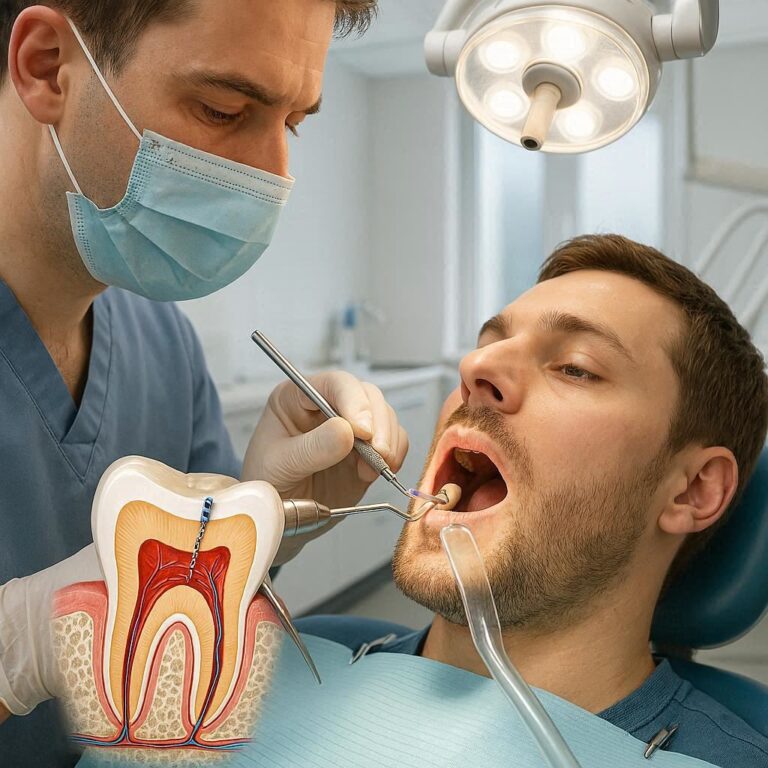
First, the “Partial Pulpotomy.” The “pulp” is the living tissue inside your tooth. It contains nerves, blood vessels, and connective tissue. In simple terms, it’s the “heart” of the tooth. A “pulpotomy” is a surgical procedure where a dentist removes part of the pulp. The word “partial” is key here—it means the dentist is not removing all of the pulp, only a small, affected portion at the top of the tooth (the crown).
Second, the “for Apexogenesis.” This is a fancy word that explains the goal of the procedure. “Apexo” refers to the tip of the root, and “genesis” means formation. So, apexogenesis is all about allowing the root tip to finish forming. This is crucial in children and teenagers whose teeth are still developing. The goal is to save the living part of the root so it can grow to its full, healthy length and strength.
Third, “Primary Tooth (without final restoration).” This tells us two things. First, the procedure is performed on a baby tooth (primary tooth). Second, the code itself only covers the pulp treatment. The final step, like placing a white crown or a large filling, is billed separately under a different code.
In short, Dental Code D3222 is a procedure to save a damaged or decaying baby tooth by removing a small piece of the infected nerve at the top, which allows the root of the tooth to continue growing normally.
Why Is It Called a “Partial” Pulpotomy?
This is the most important distinction to make. Many people have heard of a “pulpotomy” (often called a “baby tooth root canal”). A traditional pulpotomy removes the entire nerve from the crown of the tooth. A D3222 partial pulpotomy is much more conservative. It removes only the very top layer of the pulp that is inflamed or infected, leaving the healthier pulp deeper down intact.
Think of it like an apple. If a small part of the skin is bruised, you don’t throw the whole apple away. You simply cut out the bruised part and enjoy the rest. A partial pulpotomy is exactly that—a minimally invasive way to save the tooth by removing only the damaged “bruised” part.
D3222 vs. The “Big” Pulpotomy (D3220)
The codes are similar, so it is easy to get them confused. Here is the breakdown:
| Feature | D3222: Partial Pulpotomy | D3220: Therapeutic Pulpotomy |
|---|---|---|
| Also Known As | “Cvek Pulpotomy” or Shallow Pulpotomy | “Baby Tooth Root Canal” |
| Amount of Pulp Removed | Only the top 1-3 mm of the coronal pulp. | All of the pulp in the crown of the tooth. |
| Root Pulp | Left completely intact and healthy. | Removed from the crown, but the root pulp is medicated. |
| Main Goal | Apexogenesis: Allow the root tip to finish forming. | Maintain the tooth: Keep the tooth alive until it’s time to fall out naturally. |
| Typical Tooth Type | Permanent teeth or primary teeth with healthy roots. | Primary (baby) teeth. |
When is Dental Code D3222 Recommended?
A dentist will only recommend this specific procedure under certain conditions. It is not the first line of defense for every cavity. It is a targeted solution for a specific problem. The primary reason for a D3222 is a condition called a mechanical or traumatic pulp exposure.
This happens when the protective layers of the tooth (enamel and dentin) are breached, exposing the pulp to the outside world. This can happen in two main ways:
-
Deep Decay (Cavities): While removing a very deep cavity, a dentist may find that the decay has reached the pulp chamber. Once the decay is removed, the pulp is exposed.
-
Dental Trauma: A fall, a sports injury, or any accident that chips or fractures a tooth can expose the pulp.
In both cases, the exposed pulp is at risk of infection. However, if the exposure is small and the pulp is still healthy (or only mildly inflamed), a D3222 partial pulpotomy is the ideal treatment.
Signs Your Child Might Need This Procedure
Children aren’t always great at telling us what’s wrong. As a parent, you might notice these signs:
-
Sensitivity to temperature: Complaints of pain or discomfort when eating cold foods like ice cream or drinking hot chocolate.
-
Pain when eating: Sensitivity to pressure or sweets.
-
A visible chip or crack on a tooth.
-
A dark spot or obvious cavity on a tooth.
-
Spontaneous pain: Pain that happens without any trigger, especially at night. (Note: This can also indicate a more serious problem).
It is crucial to remember that the goal of D3222 is to prevent these symptoms from getting worse. If the tooth is already abscessed or the pulp is completely necrotic (dead), this procedure will not work, and a more extensive treatment like a pulpectomy (D3230) or extraction will be necessary.
Important Note for Parents
If your dentist recommends a D3222, it is generally good news. It means they believe the nerve of the tooth is still vital and healthy enough to save. They are opting for a conservative, tooth-preserving approach rather than pulling the tooth. Saving a baby tooth is vital for:
-
Proper chewing and nutrition.
-
Guiding the permanent tooth into the correct position.
-
Preventing speech impediments.
-
Maintaining space to prevent crowding of other teeth.
Step-by-Step: What Happens During a D3222 Procedure?
Knowing what to expect can ease anxiety for both you and your child. While every dentist has their own style and technique, the general steps for a D3222 partial pulpotomy are as follows:
-
Diagnosis and Numbing: The dentist will first take an X-ray to assess the decay and the health of the root and surrounding bone. Once confirmed, a local anesthetic (numbing shot) is administered to ensure the procedure is completely comfortable.
-
Isolation (The Rubber Dam): A small, thin sheet of rubber called a “rubber dam” is placed over the tooth. This keeps the tooth dry and clean, preventing saliva (which contains bacteria) from contaminating the exposed pulp during the procedure.
-
Removing Decay: The dentist uses a high-speed handpiece (a drill) to carefully remove all decay from the tooth. This step is crucial to create a clean working area.
-
The Partial Pulpotomy: This is the core of the D3222 code. Using a different, slower-speed bur, the dentist removes the top 1-3 millimeters of the pulp tissue. This is the “partial” part of the procedure.
-
Controlling Bleeding: A small pellet of cotton soaked in a sterile solution is placed on the remaining pulp to control any minor bleeding. The dentist will wait a few minutes to see if the bleeding stops easily. Healthy pulp will stop bleeding quickly. If the bleeding is excessive and cannot be controlled, it indicates that the inflammation goes deeper than expected, and a full pulpotomy or different treatment may be needed.
-
Applying the Medicament: Once the bleeding is controlled, a special biocompatible material is placed directly on the remaining pulp stump. Common materials include Mineral Trioxide Aggregate (MTA) or calcium hydroxide. This material soothes the pulp and encourages it to heal and form a protective layer of new tooth structure (dentin).
-
The Base and Temporary Filling: A layer of protective cement is placed over the medicament, and the tooth is sealed with a temporary filling. Remember, the D3222 code is without final restoration, so the tooth is not permanently restored yet.
-
The Final Restoration (Separate Procedure): At a subsequent appointment, the temporary filling is removed, and the tooth is restored with its permanent crown. For baby teeth, this is almost always a stainless steel crown. These crowns are strong, durable, and cover the entire tooth to protect it from fracturing in the future.
A Note on Patient Comfort
Modern pediatric dentistry focuses heavily on comfort. Techniques like “tell-show-do,” where the dentist explains everything in child-friendly terms, and options for nitrous oxide (laughing gas) are common to help children feel relaxed and safe.
Recovery and Aftercare: What to Expect
The recovery from a D3222 procedure is generally very quick and straightforward. Here’s what you need to know to help your child have a smooth experience.
Immediately After the Procedure
-
Numbness: Your child’s mouth will be numb for a few hours. It is crucial to supervise them during this time. Make sure they do not chew, bite, or suck on their lip, cheek, or tongue, as they can accidentally injure themselves without feeling it. Soft foods like yogurt, soup, and applesauce are best until the numbness wears off.
-
Mild Discomfort: It is normal for the gum tissue around the tooth to feel a little sore for a day or two. An over-the-counter children’s pain reliever, like ibuprofen or acetaminophen, can usually manage this. Always follow the dosage instructions on the bottle or your dentist’s advice.
-
Temporary Filling: The temporary filling can feel a bit rough. Remind your child not to pick at it.
Long-Term Care
The tooth is not fully restored until the stainless steel crown is placed. Until that second appointment:
-
Be Gentle: Have your child chew on the opposite side of their mouth.
-
Keep it Clean: Continue brushing normally, but be gentle around the tooth with the temporary filling.
After the crown is placed, the tooth can be cared for just like any other tooth. Regular brushing and flossing are essential to keep the gums healthy and prevent decay on the neighboring teeth.
When to Call the Dentist
Complications are rare with a successfully performed D3222, but you should contact your dentist if you notice any of the following:
-
Pain that worsens after a few days or does not respond to over-the-counter medication.
-
Swelling of the gums or face.
-
A fever.
-
The temporary filling falls out.
The Financial Side: Insurance and Costs for D3222
Understanding the cost of dental treatment is a major part of the process. Let’s look at how D3222 is typically handled by insurance and what you might expect to pay.
Is D3222 Covered by Insurance?
Yes, D3222 is a standard procedure code recognized by virtually all dental insurance plans. However, coverage depends entirely on your specific plan.
-
Classification: It is almost always classified as a basic restorative procedure.
-
Coverage Percentage: Most plans cover basic procedures at a percentage between 70% and 80%, after you have met your annual deductible.
-
Frequency Limits: Insurance companies will look at the “frequency” of the procedure. They will check when a pulpal treatment (like D3220 or D3222) was last done on that specific tooth. They will typically only cover one pulpal treatment per tooth per lifetime, which makes perfect sense, as you shouldn’t need to do it twice.
-
X-ray Requirement: Most insurance companies require a submitted X-ray (radiograph) to verify the medical necessity of the procedure before they will pay their portion of the claim.
Estimating Your Out-of-Pocket Cost
It is impossible to give a single price, as dental fees vary widely by geographic location and by individual practice. However, we can look at averages.
-
The Procedure (D3222): The fee for the pulpotomy itself can range from $150 to $300 or more.
-
The Final Restoration: Remember, the crown is separate. A stainless steel crown (D2930) can range from $250 to $500.
Total Estimated Cost: The total investment for saving the tooth (pulpotomy + crown) typically falls between $400 and $800.
Example Scenario:
Let’s say your procedure fee is $250 for the D3222 and $350 for the crown, totaling $600. You have a $50 annual deductible and an 80/20 plan (insurance pays 80%, you pay 20%).
-
You pay the first $50 (deductible).
-
The remaining balance is $550. Insurance pays 80% of that ($440).
-
You are responsible for the remaining 20% ($110) plus the $50 deductible.
Your estimated out-of-pocket total: $160.
Always contact your insurance provider or the dental office’s billing coordinator. They can give you a personalized estimate based on your specific policy.
The Benefits of Choosing D3222
Why go through this procedure instead of just pulling the tooth? The benefits are significant for a child’s long-term dental health.
-
Preserves Natural Tooth Structure: This is the most conservative pulpal treatment available. By removing only the infected tip, it maintains the vitality of the rest of the tooth’s nerve and blood supply.
-
Promotes Healthy Root Development (Apexogenesis): This is the hallmark of the procedure. By keeping the root pulp alive, the tooth’s root can continue to grow to its full length and close naturally. A strong root means a stronger tooth.
-
Pain Relief: It effectively removes the source of the pain—the inflamed nerve tissue at the exposure site.
-
Prevents Future Infection: By sealing the exposed pulp with a biocompatible material, it creates a barrier against bacteria, preventing a future abscess.
-
Maintains Space for Permanent Teeth: This benefit cannot be overstated. Premature loss of a baby tooth can lead to neighboring teeth tipping into the space, blocking the permanent tooth from coming in correctly. This leads to crowding and orthodontic problems down the line.
Frequently Asked Questions (FAQ)
Q: Is a D3222 procedure painful for my child?
A: No. The procedure is performed under local anesthesia, so the tooth and surrounding area are completely numb. Your child may feel pressure or vibration, but they should not feel sharp pain. Post-procedure soreness is usually mild and easily managed with over-the-counter pain relief.
Q: Why can’t the dentist just put a filling on it?
A: If the cavity is so deep that it has reached the pulp, a simple filling is no longer an option. Placing a filling over exposed, inflamed pulp would trap the infection inside, leading to a painful abscess. The pulp tissue must be treated first.
Q: How long will the tooth last after this treatment?
A: With proper care and the placement of the final stainless steel crown, the tooth should last until it is time for it to fall out naturally. The goal is function and space maintenance, not necessarily to extend the life of the baby tooth beyond its normal exfoliation time.
Q: What happens if the bleeding doesn’t stop during the procedure?
A: This is a critical diagnostic sign. If bleeding cannot be controlled, it means the inflammation extends deeper into the root pulp. In this case, the dentist will likely switch to a full pulpotomy (D3220) or, if the infection is severe, a pulpectomy (removal of all pulp).
Q: My child is nervous. Can they be sedated for this?
A: Yes. Many pediatric dentists offer sedation options to help anxious children. This can range from nitrous oxide (laughing gas) to oral conscious sedation. Discuss your child’s anxiety with the dentist beforehand to find the best option.
Additional Resources
For the most authoritative and up-to-date information on dental procedures and terminology, we always recommend consulting the source.
-
American Dental Association (ADA): www.ada.org
-
American Academy of Pediatric Dentistry (AAPD): www.aapd.org
These organizations provide excellent resources for parents and are the governing bodies that define the standards of care and the CDT codes used by dentists everywhere.
Conclusion
Dental Code D3222, or a partial pulpotomy, is a modern, conservative, and highly effective procedure designed to save a damaged baby tooth. It prioritizes the long-term health of the tooth by preserving the living pulp in the root, allowing it to finish growing. While the terminology may seem complex, the goal is simple: to relieve pain, prevent infection, and maintain a healthy space for your child’s permanent teeth, ensuring a strong foundation for their smile for years to come.