Dental Implants in Sioux Falls
Losing a tooth can feel like a small thing at first. But over time, you notice it. Chewing feels different. You smile a little less. Maybe you’ve started covering your mouth when you laugh. If this sounds familiar, you are not alone.
The good news? Modern dentistry offers a solution that looks, feels, and functions like a real tooth. That solution is the dental implant.
If you live in or near the Sioux Falls area, you have access to some of the best dental technology and skilled professionals in the region. But let’s be real: the world of implants can feel confusing. There are different types, different prices, and a lot of conflicting information online.
This guide is here to change that. We will walk you through everything you need to know—no jargon, no pressure, and no unrealistic promises. Just clear, honest, and useful information to help you decide if dental implants in Sioux Falls are right for you.
What Exactly Is a Dental Implant? (And Why It’s Not Just a Fake Tooth)
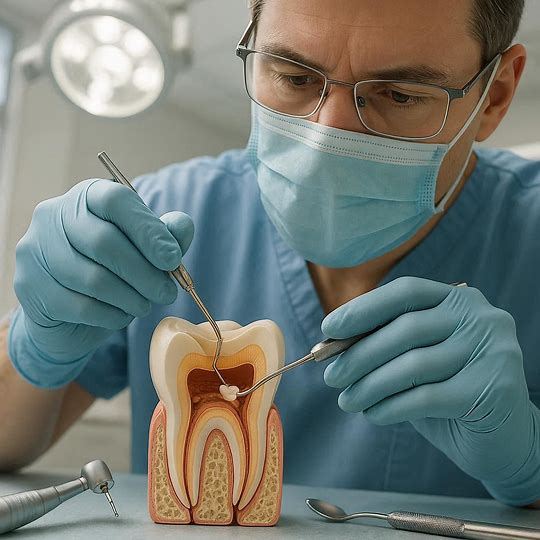
Many people think a dental implant is simply an artificial tooth. But that is only half the story. In reality, a dental implant is a complete system designed to replace both the root and the crown of your missing tooth.
Think of it like building a house. You need a strong foundation before you put up the walls.
The Three Main Parts of a Dental Implant
Let’s break it down into simple pieces:
- The Implant Post (The Root): This is a small, screw-shaped piece made of medical-grade titanium. Your oral surgeon places this directly into your jawbone. Over time, the bone grows around it and fuses with it. This process is called osseointegration. It sounds complex, but it simply means the implant becomes a permanent part of you.
- The Abutment (The Connector): Once the post is secure, the abutment is attached to it. This small connector piece sticks out just above your gum line. Its job is to hold the new tooth in place.
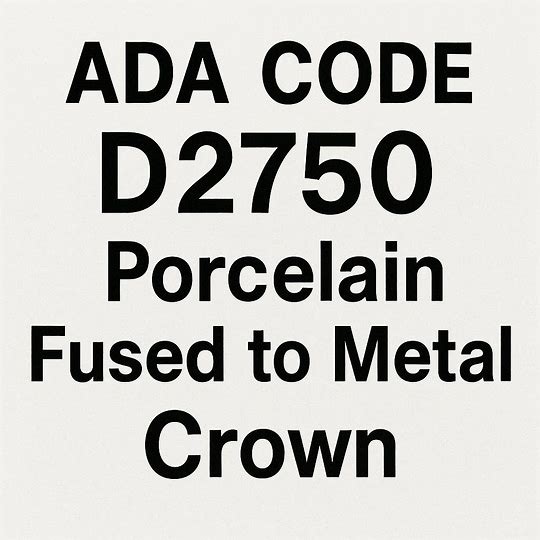
- The Crown (The Tooth): This is the part you see. The crown is custom-made to match the color, shape, and size of your natural teeth. It is usually made from high-quality porcelain or ceramic. When placed, no one will ever know it is not your real tooth.
Important note for readers: Do not confuse implants with bridges or dentures. Bridges rely on adjacent teeth for support. Dentures sit on top of your gums. Implants become part of your jaw. This is why they are so stable and long-lasting.
Why Choose Dental Implants Over Other Options?
You might be asking yourself: Why not just get a bridge or dentures? They are cheaper, right?
Yes, the upfront cost is often lower for traditional bridges or dentures. But “cheaper” does not always mean “better value.” Let’s compare them side by side.
| Feature | Dental Implants | Traditional Bridge | Dentures |
|---|---|---|---|
| Longevity | 20+ years (often lifetime) | 5–15 years | 5–8 years |
| Bone Health | Preserves jawbone | No effect | Accelerates bone loss |
| Adjacent Teeth | Not affected | Requires grinding down healthy teeth | None |
| Stability | Permanent; does not move | Fixed | Can slip or click |
| Comfort | Feels like natural teeth | Can trap food | Often uncomfortable |
| Cleaning | Brush and floss normally | Requires special floss | Must remove and soak |
As you can see, implants offer unique advantages. But let’s be realistic: they also require surgery and a longer healing time. This is a commitment, not a quick fix.
The Hidden Cost of Not Replacing a Tooth
Some people think leaving a gap is fine. “It’s just one tooth in the back,” they say. Unfortunately, your teeth are a connected system. When one is missing, several things happen:
- Neighboring teeth shift into the empty space. This can change your bite.
- Your jawbone shrinks in the empty area because it no longer gets stimulation from chewing.
- Your remaining teeth work harder, leading to cracks, wear, and even more tooth loss over time.
Choosing implants is not just about looks. It is about protecting your long-term oral health.
The Step-by-Step Process of Getting Dental Implants in Sioux Falls
Let’s walk through what you can actually expect. Knowing the steps reduces fear and helps you plan your time and budget.
Most patients complete the process in three phases. The entire journey usually takes between 3 and 9 months, depending on your specific situation.
Step 1: The Initial Consultation (What to Expect)
Your first visit is all about information gathering. The dentist or oral surgeon will:
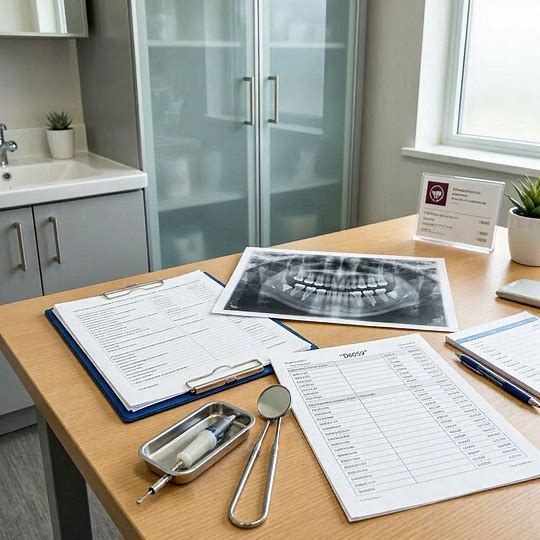
- Examine your mouth and take x-rays (often a 3D CT scan).
- Review your medical history. Conditions like uncontrolled diabetes or heavy smoking can affect healing.
- Discuss your goals. Do you need one implant, several, or full-arch replacement?
- Provide a written treatment plan with costs and timeline.
Pro tip: Ask to see before-and-after photos of actual patients from that Sioux Falls clinic. A reputable provider will be happy to share them.
Step 2: Preparatory Work (If Needed)
Not everyone is ready for implants on day one. Sometimes, you need additional procedures to create a strong foundation. These might include:
- Bone grafting: If you have lost jawbone density, the surgeon adds bone material to rebuild the area. This adds 3–6 months of healing time but is essential for success.
- Sinus lift: For upper back molars, the sinus cavity may need to be raised to make room for the implant.
- Tooth extraction: If you still have a damaged tooth, it must be removed. Often, the implant can be placed right after extraction (immediate implant).
Step 3: Implant Placement Surgery
This is the main event. Here is what happens:
- Anesthesia: You will receive local anesthesia (numbing) or sedation dentistry if you feel anxious. Many Sioux Falls clinics offer options from laughing gas to IV sedation.
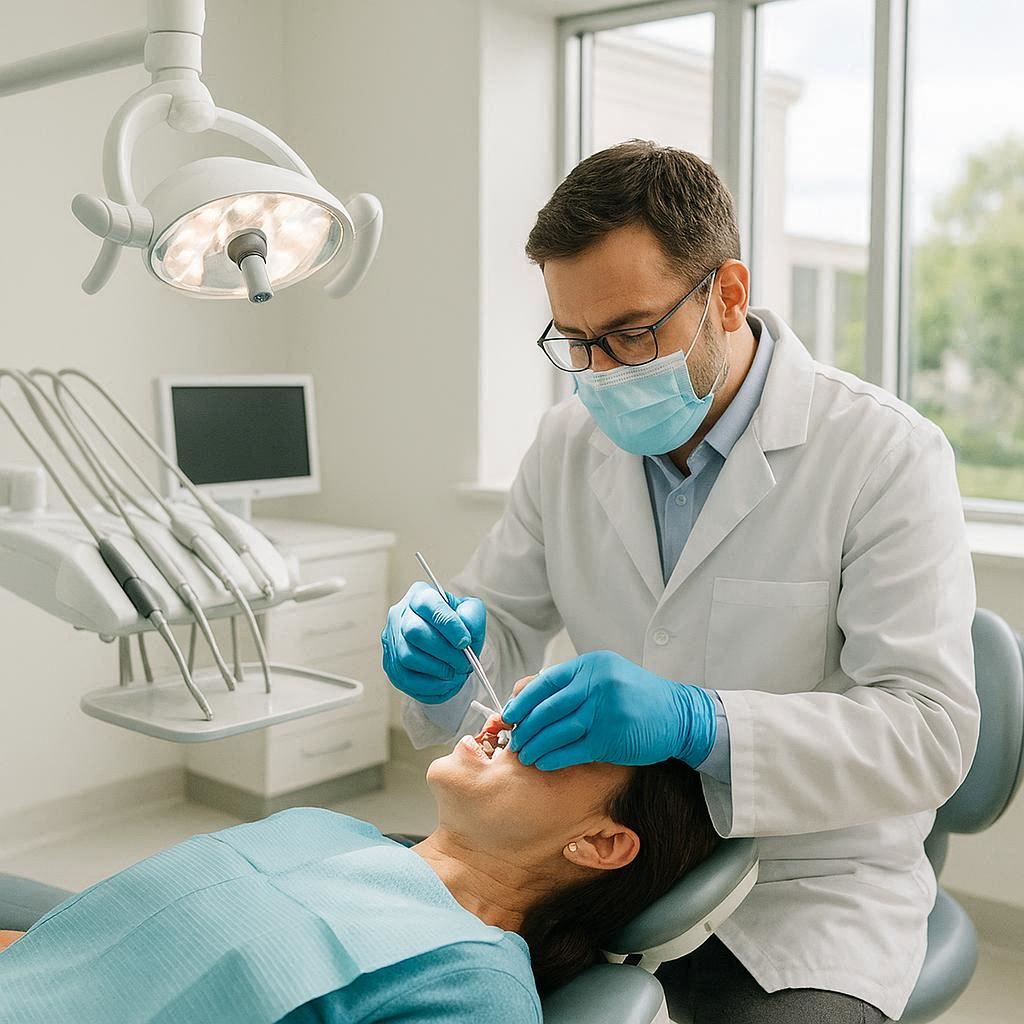
- The procedure: The surgeon makes a small cut in your gum, drills a precise hole in the bone, and places the titanium post. Then they close the gum over it.
- Duration: A single implant takes about 60–90 minutes. Multiple implants take longer.
- After surgery: You go home the same day. You will feel some swelling and minor discomfort, but most patients say it is less painful than a tooth extraction.
Step 4: Osseointegration (The Healing Phase)
Now comes the most important waiting period. Over the next 3 to 6 months, your jawbone grows around the implant. You cannot rush this step. Think of it like waiting for a broken bone to heal.
During this time, you can eat normally (avoiding very hard foods on that side). You may wear a temporary partial denture if the missing tooth is in a visible area.
Step 5: Placing the Abutment and Crown
Once the implant is fully fused to the bone, you return for the final steps:
- A small incision exposes the top of the implant.
- The abutment is screwed in place.
- Your dentist takes impressions to create your custom crown.
- Two weeks later, you return to have the crown cemented or screwed onto the abutment.
And that is it. You walk out with a new tooth that feels completely natural.
Types of Dental Implants Available in Sioux Falls
Not all implants are the same. Depending on your needs, your dentist may recommend one of these options.
Single Tooth Implant
This is the most common type. It replaces exactly one missing tooth without affecting neighbors. Ideal for anyone with one gap.
Implant-Supported Bridge
If you have two or three missing teeth in a row, you do not need an implant for each one. Instead, two implants can support a bridge of three crowns. This saves money and surgery time while still protecting bone health.
All-on-4 or All-on-6 (Full Arch Replacement)
For patients missing all teeth on the upper or lower jaw, this is a life-changing option. Four to six implants are strategically placed to support a full set of fixed teeth. You never remove them. They look, feel, and function like natural teeth.
| Arch Type | Number of Implants | Recovery Time | Typical Cost Range (Sioux Falls) |
|---|---|---|---|
| Single tooth | 1 | 4–6 months | $3,000 – $5,500 |
| Implant bridge (3 teeth) | 2 | 4–6 months | $6,000 – $9,000 |
| All-on-4 (full arch) | 4 | 6–9 months | $15,000 – $25,000 per arch |
Note: These are estimated ranges. Actual costs vary based on bone grafting, insurance, and the specific clinic.
Mini Implants
These are smaller and narrower than traditional implants. They require less bone density and can sometimes be placed in a single visit. However, they are not as strong or long-lasting. Most experts recommend them only for stabilizing lower dentures, not for individual crowns.
The True Cost of Dental Implants in Sioux Falls (Honest Breakdown)
Let’s talk money. This is the number one question people ask, and it deserves a straight answer.
A single dental implant in Sioux Falls typically costs between $3,000 and $5,500 when you include the surgery, abutment, and crown. That number surprises many people. But here is why it costs what it costs:
What Is Included in That Price?
- Surgeon’s fees (placement of the post)
- The titanium implant post itself
- The abutment
- The custom porcelain crown
- Local anesthesia or sedation
- Follow-up visits (usually 1–2)
- Diagnostic imaging (x-rays or CT scan)
What Is Usually Extra?
- Bone grafting ($500 – $2,000)
- Tooth extraction ($200 – $500)
- Sinus lift ($1,500 – $3,000)
- Temporary denture during healing ($500 – $1,000)
Does Insurance Cover Implants?
This is where you need to be careful. Traditional dental insurance often excludes implants or covers only a small portion (10–20%). However, some PPO plans now include implant coverage.
What to do: Call your insurance provider and ask three questions:
- Do I have implant benefits?
- What is my annual maximum?
- Is there a waiting period?
If your dental plan offers little help, look into:
- Health savings accounts (HSA) or flexible spending accounts (FSA) – you can use pre-tax dollars.
- In-house financing – many Sioux Falls clinics offer payment plans with 0% interest for 12–24 months.
- CareCredit – a healthcare credit card accepted by most local dentists.
Honest advice: Do not choose a dentist based solely on the lowest price. Cheap implants often mean cheap materials, rushed surgery, or lack of follow-up care. You want this to last decades. Invest wisely.
Recovery: What Really Happens After Surgery?
Reading about surgery can be scary. But most patients describe the recovery as much easier than they expected.
The First 24 Hours
- Bleeding: Some oozing is normal. Bite on gauze for 30–60 minutes.
- Swelling: Ice packs on your cheek (20 minutes on, 20 off) for the first day.
- Pain: Over-the-counter ibuprofen (Advil) usually works. Your dentist may prescribe stronger medication.
- Food: Cold, soft foods only. Think yogurt, smoothies, applesauce, pudding.
Days 2–7
Swelling peaks around day 2 or 3, then slowly goes down. Stick to soft foods. Do not spit, use a straw, or smoke. Rinse gently with warm salt water after meals.
Weeks 2–4
Most swelling and discomfort are gone by now. You can return to normal activities. But you still need to avoid chewing directly on the implant site. Stick to the opposite side of your mouth.
Months 3–6
You will barely remember the implant is there. Your bone is quietly fusing to the titanium. Keep your regular checkups so your dentist can monitor healing.
Signs You Should Call Your Dentist Immediately
- Severe pain that medication does not help
- Fever over 101°F (38.3°C)
- Bleeding that does not stop after 2 hours of pressure
- The implant feels loose (this is rare but serious)
Who Is a Good Candidate for Dental Implants?
The short answer: most healthy adults. But let’s be specific.
Good Candidates Have:
- One or more missing teeth (any location)
- Sufficient jawbone density (or willing to get bone grafting)
- Healthy gums (no active periodontal disease)
- Commitment to good oral hygiene
- No uncontrolled chronic conditions (diabetes, autoimmune disorders)
What About Age?
Age is rarely a barrier. Healthy teenagers (once jaw growth is complete) and adults in their 90s have received implants successfully. The key is overall health, not the number on your birthday cake.
Conditions That Require Extra Caution
- Smoking: Tobacco severely slows healing. Smokers have higher failure rates. Many dentists require you to quit for at least 2 weeks before and 2 months after surgery.
- Diabetes: If well-controlled, you are fine. If uncontrolled, healing is risky.
- Osteoporosis medications: Some bone-building drugs (bisphosphonates) increase the risk of a rare complication called osteonecrosis. Tell your dentist about every medication you take.
- Heavy alcohol use: Alcohol thins blood and impairs healing.
A quote to remember: “I was told I didn’t have enough bone for implants. But my Sioux Falls dentist recommended a simple bone graft. Six months later, I got my implant. Don’t assume you can’t do it until you get a professional opinion.” — Carol, 67, Sioux Falls
How to Choose the Best Implant Dentist in Sioux Falls
You have options. Sioux Falls is home to general dentists who place implants, periodontists (gum specialists), and oral surgeons. Each has different training.
Three Questions to Ask Before Booking
- “How many implants have you placed in the last year?” Look for someone who does at least 50–100 per year. Volume means experience.
- “What happens if my implant fails?” Reputable clinics offer a warranty or replacement guarantee (often 1–5 years).
- “Do you use 3D CT scanning?” This technology is essential for safe placement. Avoid anyone using only 2D x-rays.
Red Flags to Avoid
- A dentist who guarantees success 100% (no medical procedure is 100%).
- Prices that seem too good to be true (e.g., “$999 implants”).
- Pressure to decide immediately or “today only” discounts.
- No written treatment plan or cost estimate.
Local Resources in Sioux Falls
Start your search with these professional organizations:
- South Dakota Dental Association – Find member dentists in your area.
- American Academy of Implant Dentistry (AAID) – Search for accredited implant dentists.
- Sioux Falls District Dental Society – Local referrals from trusted peers.
Long-Term Care: Making Your Implants Last a Lifetime
Here is the best news: dental implants, once healed, require no special products or complicated routines. You care for them exactly like your natural teeth.
Daily Care Routine
- Brush twice a day with a soft-bristled toothbrush.
- Floss daily. Use regular floss or super floss if you have a bridge.
- Water flossers (like Waterpik) are great for cleaning around implants, but they do not replace string floss.
- Avoid chewing ice, hard candy, or pens. Implants are strong, but crowns can chip.
Professional Maintenance
- Regular cleanings every 6 months. Your hygienist will use special plastic instruments (metal scalers can scratch implant surfaces).
- Annual x-rays to check the bone level around your implant.
- Night guard if you grind your teeth. Grinding can overload implants over time.
What Is the Failure Rate?
Honesty matters. Implants have a success rate of 95–98% over 10 years. When they fail, it is almost always within the first year due to:
- Smoking
- Poor oral hygiene
- Uncontrolled medical conditions
- Overloading (placing a crown too early)
If an implant fails, your dentist can usually remove it, let the bone heal, and try again. It is not the end of the road.
Dental Implants vs. Other Options: A Real-World Comparison
Let’s put this into a practical table you can use when discussing options with your dentist.
| Factor | Dental Implant | Fixed Bridge | Removable Partial Denture |
|---|---|---|---|
| Feels like a real tooth? | Yes | Mostly | No |
| Requires surgery? | Yes | No | No |
| Protects jawbone? | Yes | No | No |
| Damages healthy teeth? | No | Yes | No |
| Time to complete | 3–9 months | 2–3 weeks | 2–3 weeks |
| Upfront cost (Sioux Falls) | $$$ | $$ | $ |
| Long-term value | Excellent | Moderate | Poor |
| Can get cavities? | No | Yes (abutment teeth) | N/A |
Important note: Partial dentures often seem like an easy fix. But they rub on gums, trap food, and accelerate bone loss. Many patients who start with dentures end up switching to implants later. It is often cheaper to do implants first.
Frequently Asked Questions (FAQ)
1. Does getting a dental implant hurt?
Most patients say the discomfort is less than a tooth extraction. You are numbed during surgery, and post-operative pain is usually managed with over-the-counter ibuprofen.
2. How long do dental implants last?
With proper care, 20+ years to a lifetime. The crown may need replacement after 10–15 years, but the titanium post can last forever.
3. Can I get an implant if I smoke?
Yes, but your risk of failure is much higher. Many Sioux Falls dentists require smokers to quit for at least two weeks before and two months after surgery. Some will not place implants in active smokers at all.
4. Are dental implants covered by Medicare or Medicaid?
Original Medicare does not cover dental implants. Some Medicare Advantage plans (Part C) offer limited dental benefits. South Dakota Medicaid covers implants only in very specific cases (e.g., after trauma or for congenital defects). Always verify directly.
5. What is the success rate for dental implants?
Approximately 95–98% over 10 years. Success depends on your health, oral hygiene, and the skill of your dentist.
6. Can I have an implant placed the same day as extraction?
Sometimes. This is called “immediate implant placement.” It is possible if no infection is present and you have enough bone. However, you will still need to wait 3–6 months before receiving the final crown.
7. How do I clean under an implant-supported bridge?
Use a water flosser, super floss (has a stiff end to thread under the bridge), or interdental brushes. Your hygienist will show you the technique.
8. What happens if I wait too long to replace a missing tooth?
The bone in that area will shrink. Adjacent teeth may tilt into the gap. Your bite can change, leading to jaw pain, headaches, and uneven wear on remaining teeth.
9. Can my body reject a titanium implant?
“Rejection” in the immune sense is extremely rare because titanium is biocompatible. Failure is almost always due to infection (peri-implantitis) or failed osseointegration, not rejection.
10. Are there any age limits for implants?
No. Teenagers must wait until jaw growth is complete (around 16 for girls, 18 for boys). Otherwise, healthy seniors in their 80s and 90s receive implants successfully.
Common Myths About Dental Implants (Busted)
Let’s clear up a few things you may have heard.
Myth 1: “Implants are too expensive.”
Reality: The upfront cost is higher than a bridge. But over 20 years, a bridge may need two or three replacements. Implants are often cheaper in the long run.
Myth 2: “The surgery is dangerous.”
Reality: Implant placement is one of the safest outpatient surgeries. Complications are rare and usually minor (swelling, bruising).
Myth 3: “I’m too old for implants.”
Reality: Age is not a factor. Bone health and general health are what matter.
Myth 4: “My insurance doesn’t cover implants, so I can’t afford them.”
Reality: Many clinics offer financing. Even without insurance, monthly payments of $100–$200 can make implants accessible.
Myth 5: “Implants look fake.”
Reality: Modern crowns are indistinguishable from natural teeth. Your dentist will match shade, translucency, and shape.
A Note on Traveling for Dental Implants (Dental Tourism)
You may have seen ads for cheap implants in Mexico, Costa Rica, or Eastern Europe. The prices can be half of what you pay in Sioux Falls. Is it worth it?
Potential advantages: Lower cost, vacation experience.
Realistic risks:
- No follow-up care if something goes wrong (and things do go wrong).
- Different infection control standards.
- Language barriers during emergencies.
- No legal recourse if the implant fails.
Our honest advice: Dental implants require multiple visits over several months. Flying back and forth is expensive and impractical. For a single implant, stay local. For full-arch restoration, some patients do travel successfully, but only after extensive research. If you choose this path, have a local dentist agree to manage emergencies beforehand.
The Psychological Benefits of Dental Implants
We have focused on medical facts, but let’s talk about how you feel. Missing teeth affect more than chewing.
Patients who receive dental implants in Sioux Falls consistently report:
- More confidence when smiling in photos or meetings.
- Better nutrition because they can eat crunchy vegetables, nuts, and meats again.
- Improved speech (no clicking dentures or slurred sounds).
- Less social anxiety about bad breath or food getting stuck in gaps.
One patient told us: “I didn’t realize how much I was hiding until after I got my implant. I started smiling at strangers. It sounds small, but it changed my life.”
This is not vanity. It is quality of life.
Local Considerations for Sioux Falls Residents
Living in Sioux Falls comes with unique advantages for dental care.
Weather and Recovery
Winter months (November–March) mean snow and ice. If you choose implant surgery in winter, plan for:
- Driving carefully to appointments.
- Staying indoors for the first 2–3 days of recovery.
- Using humidifiers (indoor heating can dry out your mouth, which slows healing).
Spring and fall are ideal times for surgery. The weather is mild, and you can recover with windows open for fresh air.
Finding a Specialist
Sioux Falls has a strong dental community. You will find:
- Oral surgeons who place implants daily.
- Periodontists who focus on gums and bone.
- General dentists with advanced implant training.
Check online reviews, but take them with a grain of salt. One angry review about billing does not reflect surgical skill. Instead, ask for patient referrals during your consultation.
Travel for Care
If you live in a smaller town near Sioux Falls (Harrisburg, Tea, Brandon, Dell Rapids), you may travel 20–40 minutes for appointments. Plan for:
- At least 6–8 visits over 6 months.
- Taking a half-day off work for surgery.
- Arranging a driver if you receive sedation.
Additional Resource
For a deeper dive into implant safety, costs, and finding a qualified professional, visit the American Academy of Implant Dentistry’s patient education page:
👉 https://www.aaid.com/patients
This official resource offers a “Find an Implant Dentist” tool, procedure videos, and a detailed cost calculator. It is free, unbiased, and updated regularly.
Conclusion (Three-Line Summary)
Dental implants in Sioux Falls offer a permanent, natural-looking solution for missing teeth that protects your jawbone and improves your quality of life. While the upfront cost and surgical commitment are higher than bridges or dentures, the long-term benefits—including durability, comfort, and confidence—make implants a wise investment for most healthy adults. Start with a consultation at a reputable local clinic, ask the right questions, and take the first step toward a complete smile that lasts a lifetime.