Dental Implants Vancouver WA
If you are missing one or more teeth, you have probably already noticed how it affects your daily life. Eating becomes a challenge. Smiling freely feels uncomfortable. Over time, your jawbone can even start to weaken.
That is where dental implants come in.
In Vancouver, WA, dental implants have become one of the most popular and reliable ways to replace missing teeth. Unlike dentures or bridges, implants offer a permanent solution that looks, feels, and functions like natural teeth.
But the process can feel overwhelming. How much do they cost? Does insurance cover anything? How do you choose the right dentist in Vancouver?
This guide answers all of those questions. You will learn exactly what to expect, how to prepare, and where to find trusted implant dentists in Vancouver, WA.
Let’s get started.

What Are Dental Implants? A Simple Explanation
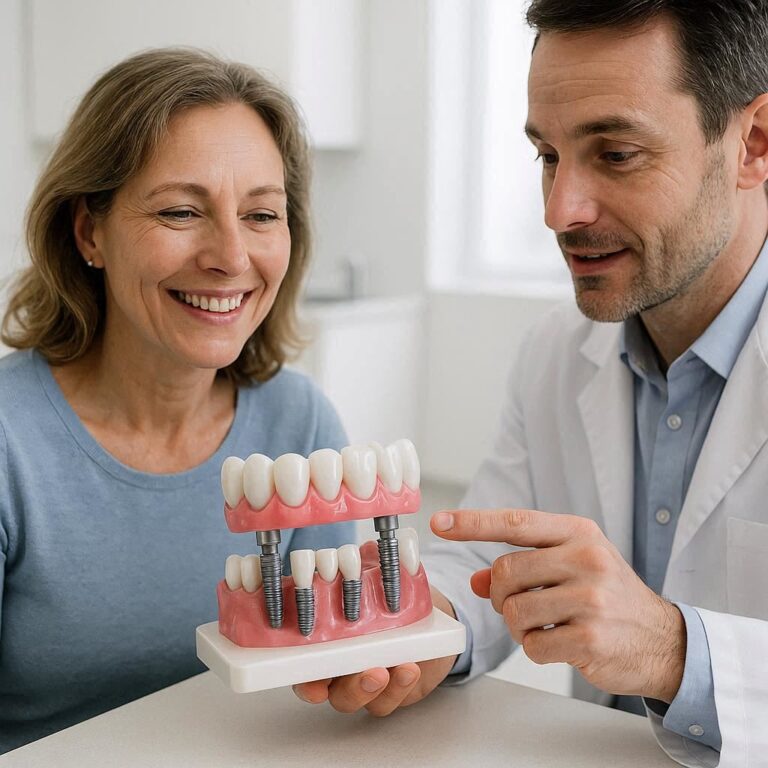
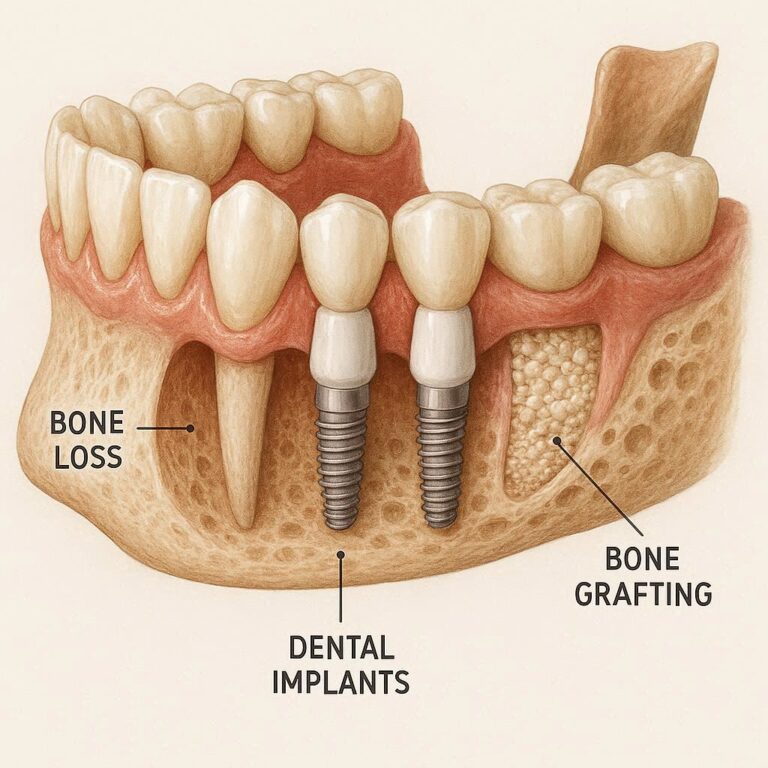
A dental implant is a small, screw-like post made of titanium. A dentist surgically places this post into your jawbone. Over time, the bone grows around the implant. This creates a super strong foundation.
Once the implant is secure, the dentist attaches a custom-made crown on top. The crown is the visible part that looks like a real tooth.
Think of the implant as an artificial tooth root. It holds everything in place.
The three main parts of a dental implant
- The implant post: Goes into the jawbone. Usually titanium.
- The abutment: A small connector piece. Sits on top of the implant.
- The crown: The visible tooth. Matches your other teeth in color and shape.
Who is a good candidate for implants?
Most healthy adults can get dental implants. You are a good candidate if:
- You have one or more missing teeth.
- Your jawbone is fully grown.
- You have enough bone to support the implant.
- Your gums are healthy.
- You do not smoke heavily or have uncontrolled chronic conditions like diabetes.
If your bone density is low, do not worry. Many dentists in Vancouver offer bone grafting procedures to build up the jawbone first.
Important note: Dental implants require surgery. You must be committed to good oral hygiene after the procedure. Implants do not get cavities, but your gums can still develop infections around the implant.
Why Choose Dental Implants Over Other Options?
Many people in Vancouver, WA wonder if implants are really worth it. Compared to dentures or bridges, implants offer clear advantages.
Let us compare them side by side.
| Feature | Dental Implants | Traditional Bridge | Dentures |
|---|---|---|---|
| Longevity | 20+ years or lifetime | 5 to 10 years | 5 to 8 years |
| Bone preservation | Prevents bone loss | Does not stop bone loss | Accelerates bone loss |
| Stability | Permanent. Does not move. | Fixed but relies on adjacent teeth | Can slip or click |
| Adjacent teeth | Left untouched | Requires filing down healthy teeth | None |
| Comfort | Feels like natural teeth | Can feel bulky | Often uncomfortable |
| Eating restrictions | None | Some hard foods to avoid | Many restrictions |
As you can see, implants are the closest thing to natural teeth. They also protect your jawbone. When you lose a tooth, the bone in that area starts to shrink. Implants stimulate the bone just like a natural root would.
Real patient experience
“I wore partial dentures for three years. They always felt loose. I stopped laughing in public because I was afraid they would fall out. After getting two dental implants in Vancouver, I forgot I even have them. I eat apples again. I smile without thinking.” — Linda R., Vancouver, WA
Types of Dental Implants Available in Vancouver WA
Not all implants are the same. Your dentist will recommend a specific type based on your situation.
Single tooth implant
This replaces one missing tooth. It includes one implant post and one crown. This is the most common type.
Multiple tooth implants (implant-supported bridge)
If you are missing two or more teeth in a row, you do not need one implant per tooth. Two or three implants can support a bridge that covers several missing teeth.
Full arch implants (All-on-4 or All-on-6)
This is for patients missing all or most of their teeth on the upper or lower jaw. The dentist places four to six implants in strategic positions. Then a full set of fixed teeth attaches to them.
This is much better than traditional dentures. The teeth do not come out. You clean them like natural teeth.
Implant-supported dentures
For patients who want removable dentures but need more stability. The denture snaps onto two to four implants. You can take it out for cleaning, but it will not move while you eat or talk.
The Step-by-Step Dental Implant Process
Understanding the timeline helps reduce anxiety. Here is exactly what happens from start to finish.
Step 1: Initial consultation
You meet with a dentist in Vancouver, WA. They examine your mouth, take X-rays or a 3D CT scan, and review your medical history. They will tell you if you need any preparatory procedures like bone grafting.
Time: 1 hour
Step 2: Treatment planning
The dentist creates a custom plan for your implants. They discuss costs, timeline, and any risks. You receive a written estimate.
Time: A few days after consultation
Step 3: Preparatory procedures (if needed)
If your jawbone is too thin or soft, you may need a bone graft. This involves adding bone material to the area. Then you wait several months for it to heal.
Some patients also need sinus lifts or gum disease treatment before implants.
Time: Bone grafting takes 3 to 6 months to heal.
Step 4: Implant placement surgery
The dentist numbs the area. Sometimes they offer sedation if you are nervous. They make a small cut in your gum, drill a tiny hole into the jawbone, and place the implant post. Then they stitch the gum closed over the implant.
You go home the same day. The implant is hidden under your gum line.
Time: 30 to 60 minutes per implant
Step 5: Osseointegration (healing period)
This is the most important phase. Your jawbone grows around the implant surface. This locks it in place like a natural root. You wear a temporary tooth or denture during this time.
Time: 3 to 6 months
Step 6: Abutment placement
Once the implant is fully fused to the bone, the dentist reopens the gum to attach the abutment. This small metal piece sticks up above the gum line. The crown will attach to it.
Time: 30 minutes
Step 7: Crown placement
The dentist takes impressions of your mouth. A lab creates your custom crown. When it is ready, the dentist screws or cements it onto the abutment.
Time: 2 to 3 weeks after abutment placement
Total timeline summary
| Phase | Duration |
|---|---|
| Consultation & planning | 1 week |
| Bone grafting (if needed) | 3–6 months |
| Implant surgery | 1 day |
| Osseointegration | 3–6 months |
| Abutment & crown | 2–3 weeks |
| Total (without grafting) | 4–7 months |
| Total (with grafting) | 8–12 months |
Important note: Do not let the timeline scare you. Most patients say the waiting period is worth it. Once healed, implants last for decades.
Cost of Dental Implants in Vancouver WA
This is the number one question people ask. Let us be honest: dental implants are an investment.
Average costs in Vancouver, WA (2025 estimates)
| Procedure | Average Cost |
|---|---|
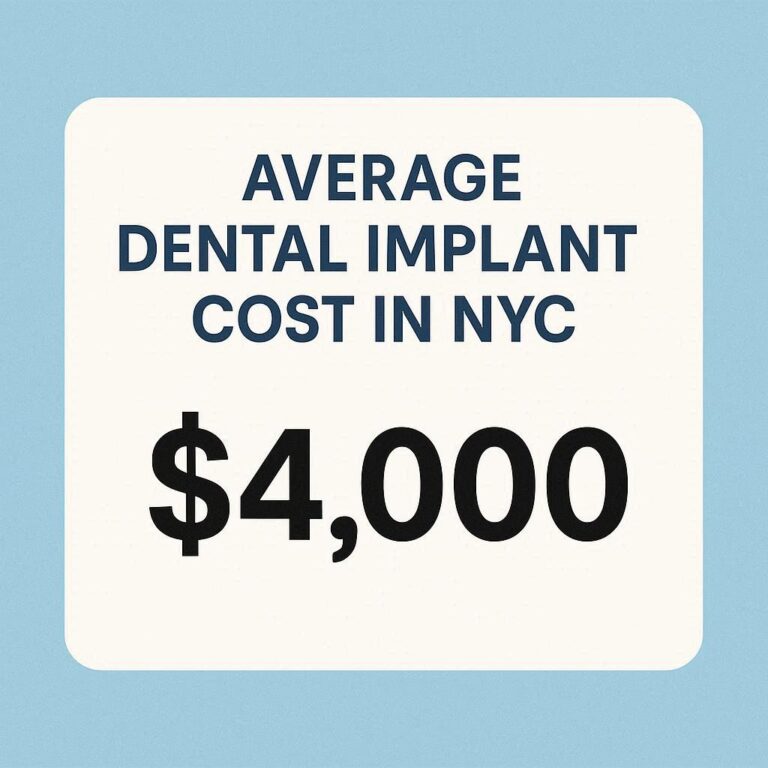
| Single implant (post + abutment + crown) | $3,500 – $6,000 |
| Implant-supported bridge (3 teeth, 2 implants) | $7,000 – $12,000 |
| All-on-4 (full arch) | $15,000 – $30,000 per arch |
| Full mouth implants (both arches) | $30,000 – $60,000 |
| Bone graft (per site) | $500 – $2,500 |
| Sinus lift | $1,500 – $3,000 |
| CT scan (3D imaging) | $300 – $600 |
These prices vary based on:
- The dentist’s experience and training
- The type of crown material (porcelain, zirconia, etc.)
- Whether you need extra procedures like grafting
- The location of the dental office in Vancouver
Does insurance cover dental implants?
Some dental insurance plans now cover a portion of implant costs. However, many still classify implants as a “cosmetic” procedure.
Here is what to check on your plan:
- Yearly maximum: Most plans cap coverage at $1,000 to $2,000 per year.
- Missing tooth clause: Some plans will not cover implants for teeth that were missing before the policy started.
- Medical insurance overlap: If tooth loss is due to an accident or injury, your medical insurance may cover part of the implant.
Always ask the dentist’s office to verify your insurance before starting treatment. Many Vancouver implant dentists have insurance coordinators who handle this for you.
Financing options in Vancouver WA
If you cannot pay the full amount upfront, you have options.
- CareCredit: A healthcare credit card. Offers 6, 12, or 18 month interest-free plans.
- LendingClub: Personal loans for medical and dental procedures.
- In-house payment plans: Some Vancouver dentists offer monthly payment plans with zero or low interest.
- Dental schools nearby: OHSU School of Dentistry in Portland offers lower-cost implants performed by supervised students.
How to Choose the Best Implant Dentist in Vancouver WA
Not all dentists place implants. You want someone with specific training and experience.
What to look for
- Formal implant training: Look for the letters DDS (Doctor of Dental Surgery) or DMD (Doctor of Dental Medicine) plus additional implant certifications. The American Academy of Implant Dentistry (AAID) offers credentials.
- Years of experience: Ask how many implants they place per year. More than 50 per year is a good sign.
- Technology on site: Cone beam CT scan for 3D planning. Digital impressions. Same-day crowns if needed.
- Before and after photos: A good dentist will show you real patient results.
- Patient reviews: Read Google reviews specifically mentioning dental implants.
Questions to ask during your consultation
- How many dental implants have you placed in the last year?
- What is your success rate?
- Do you handle the entire procedure (surgery and crown) or do you refer out?
- What happens if the implant fails?
- Do you offer sedation for nervous patients?
- Can you provide a written treatment plan with all costs?
Red flags to avoid
- Dentists who quote extremely low prices (under $2,500 for a full implant)
- No CT scan before surgery
- Unwilling to show before/after photos
- Pushing you to decide the same day
Important note: You have the right to a second opinion. Do not feel pressured. A trustworthy implant dentist will encourage you to take your time.
Top Clinics for Dental Implants in Vancouver WA
Here are well-regarded dental clinics in Vancouver that specialize in implants. Always verify current services and credentials.
1. Vancouver Dental Implant & Oral Surgery Center
- Focus: Full-service implant center. Oral surgeons on staff.
- Services: All-on-4, single implants, bone grafting, sedation.
- Technology: In-house CT scan.
2. Columbia Ridge Dental
- Focus: General dentistry with advanced implant training.
- Services: Single and multiple implants. Implant-supported dentures.
- Note: Offers payment plans.
3. New Smile Dental
- Focus: Affordable implant options.
- Services: Same-day crowns. Free implant consultation.
- Location: East Vancouver.
4. Cascade Dental Group
- Focus: Full mouth reconstruction.
- Services: All-on-4, zygomatic implants for severe bone loss.
- Sedation: IV sedation available.
5. Gentle Dental Vancouver
- Focus: Chain practice with many locations.
- Services: Single implants. Accepts most insurance.
- Pros: Convenient hours including weekends.
Disclaimer: This is not a ranking. Always do your own research and read recent patient reviews.
Recovery and Aftercare: What to Expect
Recovery is usually easier than people expect. Most patients return to work within one to two days.
First 24 hours after surgery
- Bite on gauze to control bleeding.
- Do not spit, rinse, or use a straw.
- Apply ice packs to your face (20 minutes on, 20 off).
- Eat soft foods only: yogurt, soup, smoothies.
- Take prescribed pain medication as needed.
Days 2 to 7
- Swelling peaks around day two or three, then goes down.
- Rinse gently with warm salt water after 24 hours.
- Brush your other teeth normally. Avoid the implant site.
- Stick to soft foods. No crunchy or sticky items.
Weeks 2 to 4
- Most discomfort is gone.
- Return to normal brushing and flossing.
- Avoid chewing directly on the implant site if you have a temporary tooth.
- Attend any follow-up appointments.
Long-term care after final crown
Implants cannot get cavities, but your gums are still vulnerable to infection. This is called peri-implantitis. It is similar to gum disease around natural teeth.
To keep your implants healthy:
- Brush twice a day with a soft toothbrush.
- Floss daily. Use special implant floss or water flossers.
- Visit your dentist every six months for cleanings.
- Do not smoke. Smoking dramatically increases implant failure risk.
Success rates
- Single implants: 95% to 98% success after 10 years.
- All-on-4: Over 94% success after 10 years.
- Smokers: Success drops to 80% to 85%.
Risks and Complications: Honest Facts
No surgery is without risks. A responsible guide tells you the truth.
Common and manageable risks
- Pain and swelling: Normal. Goes away in days.
- Bleeding: Minor. Stops with pressure.
- Infection: Rare if you follow aftercare. Treatable with antibiotics.
Less common but serious risks
- Implant failure: The bone does not fuse to the implant. Happens in 2% to 5% of cases. Often due to smoking, uncontrolled diabetes, or poor bone quality.
- Nerve damage: Numbness in your lip, chin, or tongue. Rare with proper 3D planning.
- Sinus problems: Upper jaw implants can push into the sinus cavity. A sinus lift prevents this.
Important note: Choose an experienced dentist who uses a CT scan for every implant case. This reduces most serious risks significantly.
Frequently Asked Questions (FAQ)
How long do dental implants last?
With good oral hygiene and regular dental visits, implants can last 20 years to a lifetime. The crown on top may need replacement after 10 to 15 years due to normal wear.
Are dental implants painful?
The surgery itself is not painful because of local anesthesia. After the numbing wears off, you feel soreness similar to a tooth extraction. Most people manage with over-the-counter pain relievers like ibuprofen.
Can I get dental implants if I have bone loss?
Yes. Many patients need a bone graft first. The dentist adds bone material to the area. After several months of healing, you become a candidate for implants.
How do I clean dental implants?
Brush them just like natural teeth. Floss around them daily. Many dentists recommend a water flosser (like Waterpik) to clean under the crown. Regular dental cleanings are essential.
Does insurance cover dental implants?
Some plans cover a portion. However, many exclude implants entirely. Your dentist’s office can verify your specific plan. Medical insurance may cover implants if the tooth loss is from an accident.
Can I get same-day implants?
In some cases, yes. “Teeth in a Day” or immediate load implants allow a temporary crown on the same day as surgery. But this is not for everyone. Most patients still need the standard healing period.
What is the difference between a dentist and an oral surgeon for implants?
General dentists with implant training can place simple implants. Oral surgeons are specialists who place implants in complex cases (severe bone loss, impacted sites, full arch reconstructions). Both can be excellent choices.
How much do dental implants cost in Vancouver WA with insurance?
After insurance, patients typically pay between $2,500 and $5,000 per implant out of pocket. This depends heavily on your plan’s maximum and coverage percentage.
Additional Resources
For more reliable information about dental implants, visit the American Academy of Implant Dentistry (AAID) :
This website offers:
- A “Find an Implant Dentist” tool
- Patient education videos
- Answers to common implant questions
Conclusion
Dental implants in Vancouver, WA offer a permanent, natural-looking solution for missing teeth. They preserve your jawbone, restore your ability to eat normally, and let you smile with confidence. The process takes several months and costs more upfront than bridges or dentures, but implants last for decades. Choose an experienced dentist, follow the aftercare instructions, and your implants can serve you for life.