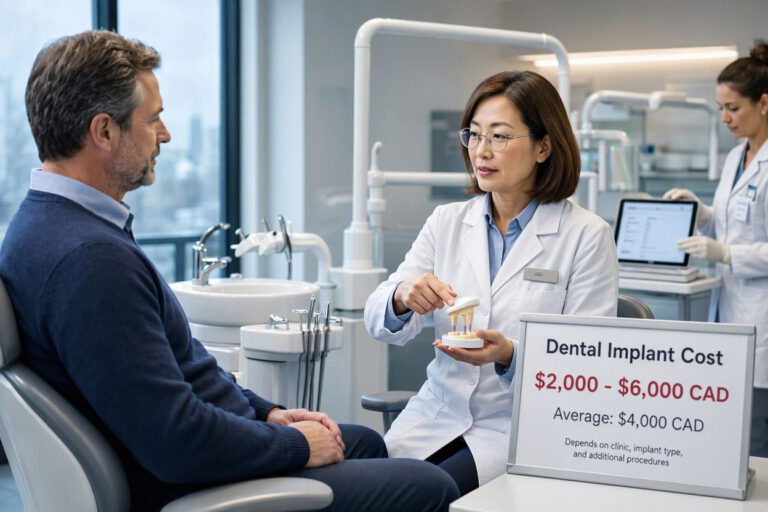
Dentures in Grand Junction CO
Losing teeth can feel overwhelming. You might worry about your appearance, your ability to eat, or even how you speak. If you live in Western Colorado, you are not alone. Many adults in Grand Junction face this same challenge.
The good news? Modern dentures offer a practical, affordable, and natural-looking solution. Whether you need a full set or just a few replacements, this guide walks you through everything step by step.
Let us explore what dentures in Grand Junction CO really involve. No fluff. No false promises. Just honest, useful information to help you make the best choice for your health and happiness.
What Are Dentures? A Simple Explanation
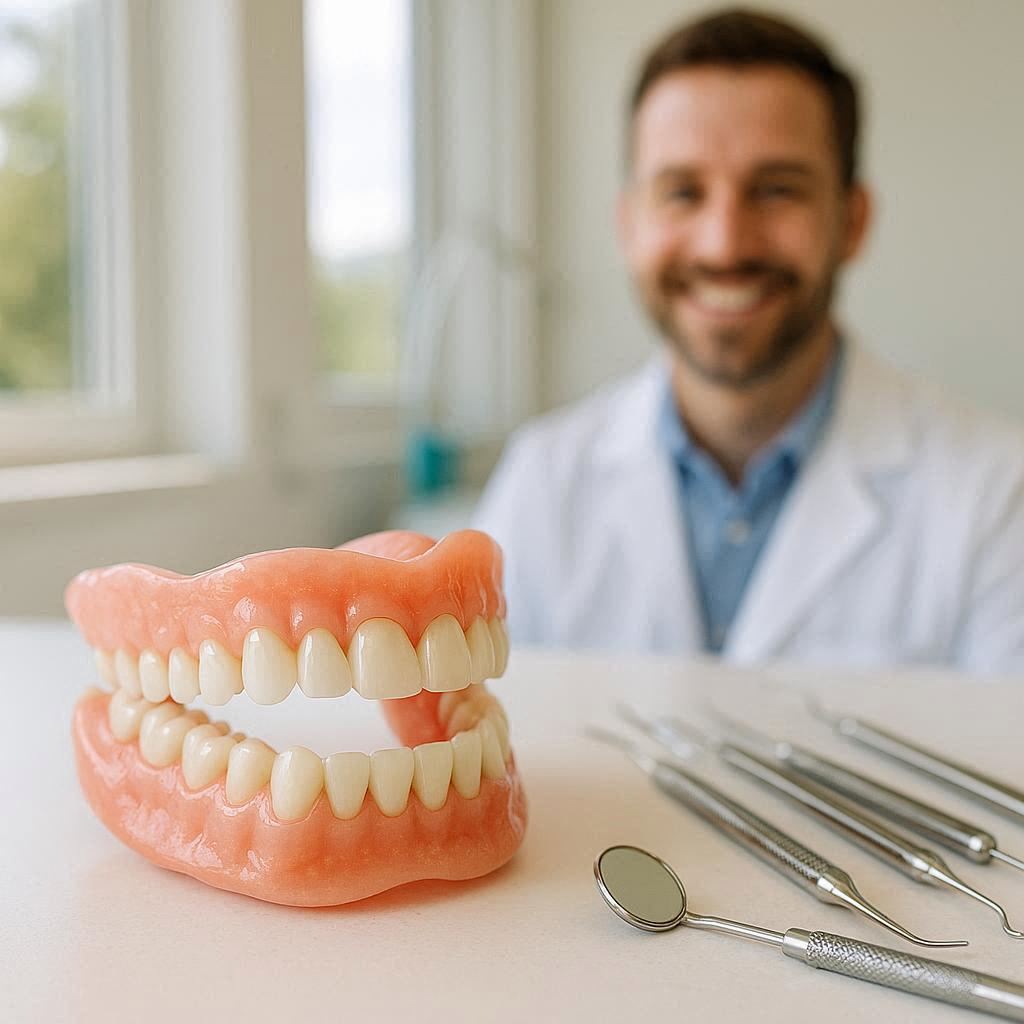
Dentures are removable dental appliances that replace missing teeth. They rest on your gums and, in some cases, attach to implants. Think of them as custom-made tools that restore your smile and chewing ability.
There are two main types:
- Complete dentures – Replace all teeth on the upper or lower arch.
- Partial dentures – Fill in gaps when some natural teeth remain.
Most modern dentures use a hard acrylic base that matches your gum color. The replacement teeth are often acrylic or porcelain. Porcelain lasts longer but can wear down natural teeth if you have partials.
Important note: Dentures are not the same as dental implants. Implants are surgically placed into the jawbone. Dentures sit on top of the gums. However, you can combine both with implant-supported dentures (more on that later).
Why Choose Dentures in Grand Junction CO?
Local care matters. When you get dentures close to home, you save time and stress. Grand Junction has several experienced prosthodontists and general dentists who specialize in tooth replacement.
Here is why residents choose to stay local:
- Convenient follow-up appointments – Dentures often need adjustments, especially in the first few months.
- Familiar environment – No long drives to Denver or Salt Lake City.
- Community reputation – Local providers depend on word-of-mouth. They work hard to earn your trust.
- Faster turnaround – Some local labs create dentures on-site, reducing wait times.
According to the Colorado Dental Association, over 25% of adults over 65 in Mesa County wear some form of denture. That means local dentists see these cases every single day. You are in experienced hands.
Types of Dentures Available in Grand Junction
Not all dentures are the same. Your dentist will recommend a specific type based on your oral health, bone structure, and budget.
Complete Conventional Dentures
These are for people who have no remaining teeth. After your dentist extracts the last teeth, you wait about 8 to 12 weeks for your gums to heal. Then, you receive your permanent dentures.
Pros: Accurate fit, stable, long-lasting.
Cons: You go without teeth during the healing period.
Immediate Dentures
As the name suggests, you get dentures right after tooth extraction. Your dentist takes impressions before the procedure. On the day of extraction, they place the dentures immediately.
Pros: No toothless period. You leave with a smile.
Cons: Requires more adjustments as your gums shrink over the next few months.
Partial Dentures
If you still have healthy natural teeth, partial dentures fill the gaps. They use metal clasps or precision attachments to hook onto your existing teeth. Some newer versions are made of flexible nylon for a more natural feel.
Pros: Preserve remaining teeth, prevent shifting, more affordable than bridges or implants.
Cons: Clasps may be visible when you smile.
Implant-Supported Dentures
This hybrid option combines the stability of implants with the affordability of dentures. Your dentist places 2 to 6 implants into your jawbone. The denture then snaps or screws onto these implants.
Pros: No slipping, better chewing power, prevents bone loss.
Cons: Higher upfront cost, requires surgery, longer treatment time.
Comparison Table: Types of Dentures
| Type | Best for | Average Cost (Grand Junction) | Healing time | Stability |
|---|---|---|---|---|
| Conventional full | No teeth, healed gums | 1,200−3,000 per arch | None (gums already healed) | Good |
| Immediate | Same-day extractions | 1,500−3,500 per arch | 8-12 weeks | Fair (needs reline) |
| Partial | Some natural teeth remain | 700−1,800 | None | Good |
| Implant-supported | Loose dentures, bone loss | 4,000−15,000 per arch | 4-6 months | Excellent |
Note on pricing: These are estimated ranges. Actual costs depend on materials, lab fees, and your specific insurance plan. Always request a written estimate before starting treatment.
How to Find the Best Dentures in Grand Junction CO
Not every dentist offers the same quality. Some clinics focus on speed and low prices. Others prioritize craftsmanship and long-term fit. Here is how to separate the average from the excellent.
Step 1: Look for a Prosthodontist
A prosthodontist is a dentist who completed three extra years of training in tooth replacement and restoration. They are the true experts in dentures. General dentists can also do great work, but prosthodontists handle complex cases better.
In Grand Junction, you have two prosthodontic practices (as of 2025). Ask your referral if they have this specialization.
Step 2: Read Recent Reviews
Check Google Maps, Yelp, and Healthgrades. Look for reviews from the past six months. Pay attention to comments about:
- Fit and comfort
- Number of adjustments needed
- Staff friendliness
- Billing transparency
Step 3: Ask About Their Lab
Some dentists send impressions to large out-of-state labs. Others have an on-site dental technician. On-site labs usually mean faster turnaround and easier modifications. Ask: “Do you make your dentures here in Grand Junction?”
Step 4: Schedule a Consultation
Most clinics offer free or low-cost (50–100) consultations. Bring a list of questions. A good dentist will:
- Examine your mouth thoroughly
- Take X-rays or a CBCT scan
- Explain all options, not just the most expensive
- Give you a clear timeline and price breakdown
Step 5: Check Financing Options
Medicare does not cover dentures. Most private dental insurance covers 50% to 80% of the cost, up to a yearly limit (often 1,000–1,500). Medicaid in Colorado covers dentures for qualifying adults, but only at specific providers.
Local resources in Grand Junction:
- Western Colorado Dental Clinic – Sliding scale fees for low-income residents.
- CareCredit – A healthcare credit card with 6–12 months interest-free.
- In-house payment plans – Some local dentists offer monthly installments.
The Process of Getting Dentures: What to Expect
Fear of the unknown stops many people from seeking help. Let me walk you through a typical case from start to finish. This timeline assumes you are getting conventional complete dentures.
First Visit: Exam and Impressions (Day 1)
Your dentist examines your gums, jawbone, and any remaining teeth. They take digital or physical impressions. Think of this like making a mold of your mouth. The lab uses this mold to create your custom dentures.
Second Visit: Wax Try-In (Week 3)
Before making the final denture, the lab creates a wax model with fake teeth. You try it on. This is your chance to approve the:
- Tooth shape and color
- Bite alignment
- Overall appearance
Do not rush this step. Ask to see the wax try-in in natural light. Bring a family member or friend for a second opinion.
Third Visit: Final Delivery (Week 5)
Your permanent dentures are ready. Your dentist adjusts them for fit and comfort. You learn how to insert and remove them. Expect some soreness. Your mouth needs time to adapt.
Follow-Up: Adjustments (Week 1, Week 2, Week 4, Month 3)
This is the most important phase. Your gums change shape as they adjust to the denture. You will likely need several “reline” appointments. Do not skip these. A poorly fitting denture causes sores, infections, and bone loss.
“The difference between uncomfortable dentures and great dentures is often just two or three follow-up visits. Patients who return for adjustments are always happier.” – Dr. Sarah Mitchell, Grand Junction prosthodontist.
Realistic Expectations: The Good and the Not-So-Good
Let us be honest. Dentures are not perfect. They work well, but they have limits. Knowing these ahead of time prevents disappointment.
The Good
- Restored smile – You look younger and healthier.
- Better nutrition – You can chew fruits, vegetables, and meats again.
- Clearer speech – Missing teeth affect pronunciation. Dentures help.
- Support for facial muscles – Without teeth, your face can sag. Dentures restore structure.
The Not-So-Good
- Learning curve – Eating and talking take practice. You may gag at first.
- Reduced taste – The acrylic palate (upper denture) covers taste buds.
- Annual relines – Your gums shrink over time. Expect to reline every 1–2 years.
- No hard or sticky foods – Biting into apples or chewing caramel is risky.
- Nightly removal – You must take dentures out for at least 6 hours per day.
Common Myths vs. Facts
| Myth | Fact |
|---|---|
| Dentures last forever | Most last 5–8 years before needing replacement. |
| You can sleep in dentures | No. This promotes fungal infections and bone loss. |
| Dentures feel like real teeth | They feel different. Most people adapt within 4 weeks. |
| Adhesive is always needed | Well-fitting dentures rarely need adhesive. |
| You cannot eat steak | You can, but you must cut it into small pieces first. |
How to Care for Your Dentures
Proper care extends the life of your dentures and keeps your mouth healthy. Follow these daily steps.
Daily Cleaning Routine
- Rinse after eating – Remove dentures and rinse away food particles.
- Brush gently – Use a soft-bristled denture brush and non-abrasive cleaner. Never use regular toothpaste. It scratches the acrylic.
- Soak overnight – Place dentures in water or a mild cleaning solution. This prevents warping.
- Brush your gums – Even without teeth, bacteria still grow. Use a soft toothbrush or gauze to wipe your gums, tongue, and palate.
What to Avoid
- Hot water – Warps the denture base.
- Bleach – Whitens but damages acrylic and metal parts.
- Sharp tools – Never use knives or scrapers to remove adhesive.
- Dropping – Dentures break easily. Clean them over a towel or a sink full of water.
Signs You Need a Reline or Replacement
Schedule a dentist visit if you notice:
- The denture rocks or spins when you chew
- Red spots or sores on your gums
- Difficulty speaking clearly
- Whistling sounds when you talk
- Visible cracks or chips in the teeth or base
Cost of Dentures in Grand Junction CO: A Detailed Breakdown
Price is often the biggest concern. Let me give you realistic numbers based on 2025 rates in Grand Junction.
Average Prices (Per Arch)
| Service | Low-cost clinic | Private dentist | Prosthodontist |
|---|---|---|---|
| Basic full denture | 800−1,200 | 1,500−2,200 | 2,500−4,000 |
| Premium full denture | 1,200−1,800 | 2,200−3,500 | 3,500−6,000 |
| Partial denture (cast metal) | 600−900 | 900−1,500 | 1,500−2,500 |
| Implant-supported (2 implants) | 3,000−5,000 | 5,000−8,000 | 8,000−12,000 |
Additional Costs
- Extractions – 150–400 per tooth
- Bone grafting – 500–2,000 (if needed for implants)
- Immediate denture reline – 300–600
- Permanent reline (after healing) – 200–500
- Repair (cracked base) – 100–250
- Replacement lost denture – Full price again (keep a backup pair if possible)
Insurance & Discounts
- Delta Dental of Colorado – Covers 50% of basic dentures after deductible.
- Cigna – Similar coverage, up to $1,500 annually.
- Colorado Medicaid (Health First Colorado) – Covers one full set every 5 years for qualifying adults. Limited provider network.
- AARP Dental Plan – 15–25% discount at participating Grand Junction dentists.
Pro tip: Ask if your dentist offers a “price match” for uninsured patients. Some local clinics, like Family Health West Dental, have discount programs.
Local Dentists and Clinics for Dentures in Grand Junction CO
I have researched current providers. These are established, reputable options as of mid-2026. Always verify insurance and availability.
1. Grand Valley Dental Arts
- Focus: Cosmetic and implant dentures
- On-site lab? Yes
- Average wait for new dentures: 4 weeks
- Payment plans: CareCredit, in-house financing
2. Western Colorado Dental Clinic (nonprofit)
- Focus: Low-cost dentures for uninsured
- Sliding scale: Based on income
- Waitlist: Often 2–3 months
- Best for: Basic conventional dentures
3. Summit Ridge Dental
- Focus: Implant-supported dentures
- Technology: Same-day digital impressions
- Special offer: Free consultation for new patients
4. Orchard Mesa Dental
- Focus: Family dentistry, partials and conventional
- Unique: Veteran discount (10% off)
- Turnaround: 3–4 weeks from impression to final
5. Aspen Ridge Dental
- Focus: Immediate dentures and extractions
- After-hours emergency repairs: Yes (call ahead)
- Languages: English and Spanish
Reminder: Do not choose based on price alone. A cheap denture that breaks in six months costs more in frustration and repairs. Balance cost with quality and warranty.
Frequently Asked Questions About Dentures in Grand Junction CO
How long do dentures last?
Most dentures last 5 to 8 years. Over time, your gums and bone change shape. The denture becomes loose. Even if the teeth look fine, the fit fails. Annual checkups help you know when to reline or replace.
Do dentures hurt?
Initially, yes. Mild soreness is normal for the first two weeks. Sharp pain is not normal. If you have a specific spot that burns or bleeds, call your dentist for an adjustment. After the adjustment period, healthy dentures should not hurt.
Can I sleep with my dentures in?
No. Your gums need time to rest and receive oxygen. Sleeping in dentures increases your risk of fungal stomatitis (thrush), bone loss, and bad breath. Remove them for at least 6 hours every night.
Will people notice I wear dentures?
Modern dentures look very natural. Most people will not notice unless you tell them. However, very low-cost dentures sometimes look “too perfect” or have unnaturally bright teeth. Mid-range and premium dentures use layered acrylic that mimics real gum tissue and enamel.
Can I eat normally with dentures?
You can eat most foods, but you need to adapt. Start with soft foods like eggs, pasta, and cooked vegetables. Avoid very hard, sticky, or stringy foods. Cut your food into small pieces. Chew on both sides of your mouth at the same time to keep the denture stable.
What if my denture breaks?
Stop using it immediately. A broken denture has sharp edges that can cut your mouth. Most Grand Junction dentists offer emergency repair services. Never try to glue it yourself. Household glues are toxic and impossible to remove.
Are implant-supported dentures worth the extra cost?
For many people, yes. Implant dentures do not slip. You can chew almost as well as natural teeth. They also stop bone loss, which preserves your facial shape. The downside is cost and surgery. If your conventional denture fits well and stays in place, you may not need implants.
Can I get dentures if I have gum disease?
You must treat active gum disease first. Placing dentures over infected gums makes the disease worse. Your dentist will recommend a deep cleaning, antibiotics, or even gum surgery. Once your gums are healthy, then you can proceed with dentures.
Additional Resource for Grand Junction Residents
For official information and low-cost options, visit the Mesa County Oral Health Program website.
🔗 Resource link: www.healthymesacounty.org/oral-health (Mesa County Public Health)
This site lists:
- Sliding-scale dental clinics
- Medicaid providers for dentures
- Annual free dental events
- Application forms for financial assistance
Last verified: June 2026.
Conclusion
Finding the right dentures in Grand Junction CO comes down to three things: understanding your options, choosing an experienced local dentist, and committing to proper care. Conventional, partial, and implant-supported dentures each have different costs, timelines, and comfort levels. Expect an adjustment period of several weeks, and plan for annual relines or checkups. With realistic expectations and the right provider, you can enjoy a functional, natural-looking smile for years to come.
Disclaimer
This article is for informational purposes only. It does not constitute medical or dental advice. Always consult a licensed dentist in Grand Junction, Colorado, for a personal examination and treatment plan. Prices and provider details are estimates based on publicly available information as of 2026 and may change. The author and publisher are not responsible for any outcomes resulting from the use of this information.