How Much Does A Dental Appointment Cost In Mexico?

For millions of Americans and Canadians, the rising cost of healthcare has made seeking treatment abroad an attractive alternative. When it comes to dentistry, no country is more synonymous with “dental tourism” than Mexico. Every year, hundreds of thousands of people cross the border to take advantage of prices that are often 50-70% cheaper than in the United States.

But how much does a dental appointment cost in Mexico? The answer depends heavily on whether you are in a border town like Tijuana or Los Algodones (nicknamed “Molar City”), or in a major inland city like Mexico City or Guadalajara.

This guide provides a realistic, detailed breakdown of dental pricing in Mexico for 2024. We will look at the costs of standard procedures, compare border towns to inland cities, and discuss what you need to know about safety and quality.

How Much Does A Dental Appointment Cost In Mexico

Why Mexico? The Economic Reality

The primary driver of dental tourism to Mexico is cost savings. The economic disparity between the two countries, combined with lower operating costs for Mexican dentists, results in significantly lower fees.

1. Lower Overhead
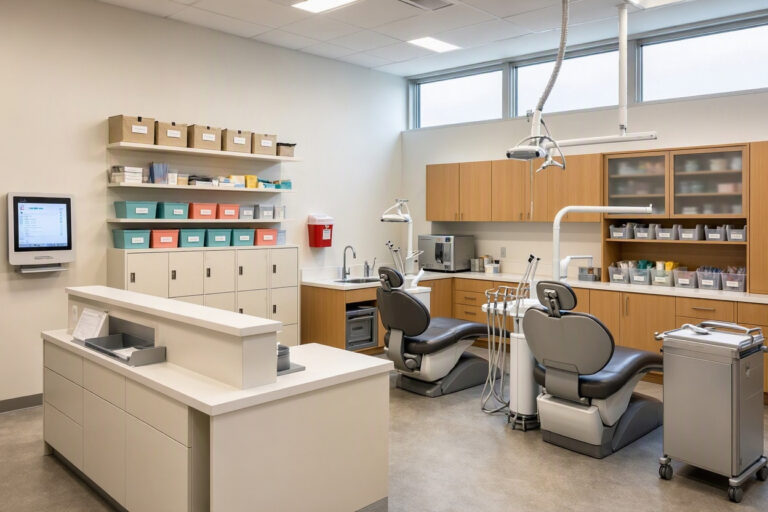
Rent, staff salaries, and liability insurance are a fraction of what they are in the US or Canada. A dentist in Tijuana can run a modern, sterile clinic for a tenth of the monthly cost of a similar clinic in San Diego.

2. Education and Quality
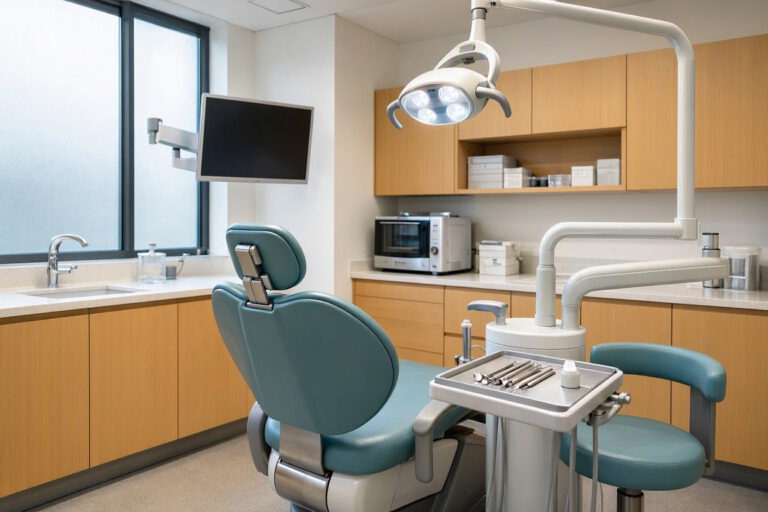
Contrary to old stereotypes, Mexican dental schools produce highly competent clinicians. Many dentists in tourist hotspots are fluent in English, have trained in the US, and use the exact same materials and technology (like 3D imaging and CAD/CAM milling) found in American offices.

3. The “Molar City” Phenomenon
Los Algodones, a small town near Yuma, Arizona, has more dentists per capita than almost anywhere on earth. It exists almost entirely to serve American and Canadian “snowbirds” (retirees) looking for affordable crowns, implants, and dentures.

Average Costs of Dental Appointments in Mexico

Here is a breakdown of the standard fees you can expect. These figures represent the average for private, reputable clinics catering to international patients.

See also  average cost of dentures in florida
ProcedureAverage Cost in US (USD)Average Cost in Mexico (USD)Savings
Consultation & Exam$75 – $150$20 – $50 (Often Free)High
Cleaning (Prophylaxis)$100 – $150$30 – $50~70%
X-Ray (Single)$30 – $50$10 – $20High
Porcelain Crown (Zirconia)$1,300 – $2,000$350 – $550~70%
Root Canal (Molar)$1,200 – $1,800$250 – $450~75%
Simple Extraction$150 – $250$50 – $100~65%
Dental Implant (Full, with Crown)$4,000 – $6,000$1,200 – $1,800~70%
Full Dentures (Upper & Lower)$2,000 – $4,000$600 – $1,200~70%
Teeth Whitening (In-Office)$400 – $600$150 – $250~60%

Note: Prices are generally higher in Tijuana (due to proximity to California) and slightly cheaper in places like Nogales or Juarez.

The Border Town Experience (Tijuana & Los Algodones)

If you are traveling specifically for dental work, you will likely end up in one of these two hubs.

1. The “Hassle” Factor
Crossing the border on foot in Los Algodones or by car in Tijuana can involve long lines, especially on weekends or holidays. You need a passport or enhanced ID to return to the US.

2. The “Factory” Model
In Los Algodones, many clinics operate on a high-volume basis. They are incredibly efficient. You can arrive at 8 AM, get a full exam, have a tooth prepped, go for lunch (lobster in Puerto Nuevo is a popular trip), return for the temporary, and be back across the border by 3 PM.

3. The Trust Factor
Because they rely on word-of-mouth and online reviews, many top-tier Mexican clinics go out of their way to be transparent. They often offer warranties on their work (e.g., 5 years on crowns) and will fix issues for free if you can return.

The Inland Experience (Mexico City, Guadalajara, Cancun)

If you are flying from the East Coast or Europe, heading straight to a major Mexican city offers a different experience.

See also  Can a Tooth Infection Cause Meningitis?

1. Premium Clinics
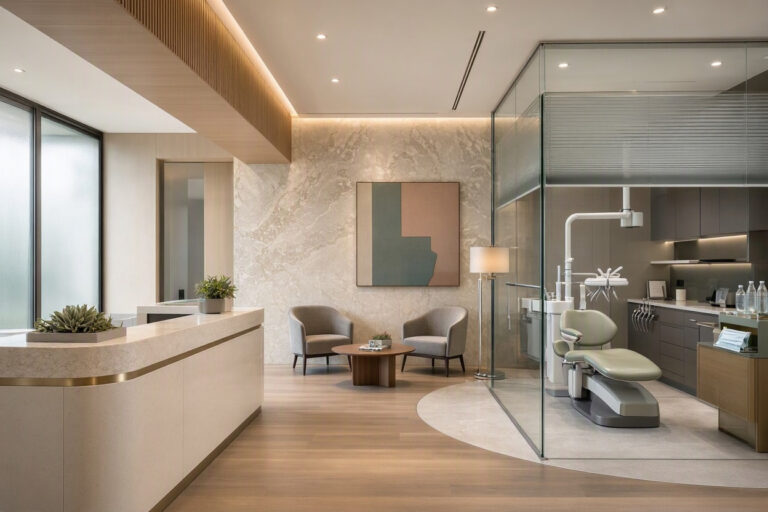
In wealthy neighborhoods like Polanco (Mexico City) or Providencia (Guadalajara), you will find clinics that are indistinguishable from high-end boutiques in Beverly Hills. The prices here are slightly higher than the border towns but still 50-60% cheaper than the US.

2. Combining with Vacation
This is a common strategy. A patient from New York might fly to Cancun for a week. They have their dental work done at a private clinic in the Hotel Zone and recover on the beach. Even with flights and a resort, the total bill often matches what the dental work alone would cost back home.

Is It Safe? Addressing the Concerns

The biggest barrier for most patients is fear of the unknown. Here is the honest truth.

1. Sterilization
Reputable clinics use autoclaves and sealed instruments, just like in the US. However, regulation enforcement can be spotty in rural areas. Stick to clinics that cater specifically to tourists. They know their reputation depends on meeting North American standards.

2. Materials
Always ask what brand of materials the dentist uses. If you are getting an implant, ask if it is Straumann, Nobel Biocare, or Zimmer. If you are getting a crown, ask if it is Zirconia or Emax. Avoid clinics that use “generic” or “local” materials to save money; this is where failures happen.

3. Water Quality
Most modern clinics use purified water systems for dental procedures. Do not drink the tap water in Mexico, but the water in the dental chair is filtered.

Testimonial from a Dental Tourist: “I needed four implants,” says a retired teacher from Arizona. “My quote in Phoenix was $22,000. I went to a clinic in Los Algodones recommended by a friend. Total cost was $7,500. That was three years ago, and I’ve had zero issues. I go back every year for a check-up and a vacation.”

The Hidden Costs of Dental Tourism

While the savings are real, the “total cost” is more than just the dental bill.

1. Travel Expenses

  • Gas/Parking: If driving to the border, factor in fuel and parking (often $10-$20 for a day).
  • Flights/Hotels: If flying to a major city, factor in accommodation. Many border clinics have partnerships with local hotels offering discounts.
  • Passport Fees: If you don’t have a passport, this is a one-time cost.
See also  JP Dental: A Complete Guide to Quality Dental Care Services

2. Aftercare and Follow-ups
This is the most critical issue. Major procedures (implants, full mouth reconstructions) require multiple visits.

  • Implant Process: You usually need three trips: one for the post, one for the abutment, and one for the crown.
  • Complications: If you return home and the crown feels “high” or an implant site gets infected, you have two choices: fly back to Mexico or pay a local US dentist to fix it. Most US dentists will not fix work done in Mexico; they will recommend removing it and starting over. This risk is the “price” of the savings.

3. Time
Crossing the border or flying takes time. You must factor in days off work.

How to Vet a Mexican Dentist

If you decide to proceed, do your homework. Do not just walk into the first clinic you see at the border.

1. Check Credentials
Look for membership in the Asociación Dental Mexicana (ADM) or the Colegio de Dentistas. These organizations require continuing education and ethical standards.

2. Read Reviews
Do not rely on the clinic’s website testimonials. Check independent sources like Google Reviews, Yelp, and specific dental tourism forums (e.g., Dental Departures).

3. Ask About Lab Work
A crown is only as good as the lab that makes it. Ask if the dentist uses a local lab or a reputable international one. High-end clinics often have an in-house lab, which speeds up the process and ensures quality control.

FAQ

Q: Can I use my US insurance in Mexico?
A: Generally, no. Standard US PPO insurance does not apply in Mexico. However, many clinics offer “insurance billing” assistance where they provide you with the correct paperwork to submit to your US insurer for out-of-network reimbursement. Do not expect them to pay much, if anything.

Q: How long do I need to stay for a crown?
A: With modern technology (CEREC), many border clinics can make a crown in a single day. The standard process is 2 days: one for the prep and temporary, and one to cement the final crown. This allows the lab to work overnight.

Q: What is the best time to cross the border?
A: Early morning (before 9 AM) or late afternoon. Avoid crossing back into the US on Sunday evenings, as lines can be 3-4 hours long. Always check the border wait times online.

Q: Are dental implants safe in Mexico?
A: Yes, if placed by a trained surgeon or periodontist. Ensure the clinic has a 3D CT scanner (CBCT) to plan the surgery. If a clinic is placing implants without a 3D scan, leave.

Additional Resource

For information on vetted clinics and patient reviews, visit: dentaldepartures.com

Conclusion

In summary, a dental appointment in Mexico costs a fraction of US prices, with crowns ranging from $350 to $550 and implants from $1,200 to $1,800. The savings are substantial, but patients must account for travel costs and the potential risks of aftercare. By choosing a reputable, tourist-focused clinic and reviewing credentials, you can receive high-quality, affordable care.

Share your love
dentalecostsmile
dentalecostsmile
Articles: 4270

Newsletter Updates

Enter your email address below and subscribe to our newsletter

Leave a Reply

Your email address will not be published. Required fields are marked *