How Much Does A Root Canal Cost?
A root canal is one of the most common dental procedures, yet it is also one of the most feared. The good news is that modern root canal treatment is usually painless and can save a tooth that would otherwise need to be extracted. The bad news is that it can be expensive, especially if you do not have dental insurance.
If you have been told you need a root canal, you probably want to know how much it will cost. The price depends on several factors, including which tooth is affected, the dentist you choose, where you live, and whether you have insurance. This guide will explain everything you need to know about root canal costs, including average prices, factors that affect the fee, insurance coverage, payment options, and tips to save money.

What Is A Root Canal?
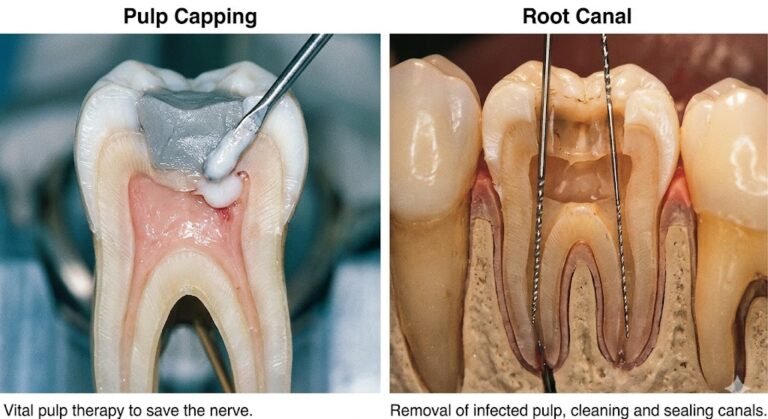
A root canal, also called endodontic treatment, is a procedure used to treat infection or damage inside a tooth. Each tooth has a soft core called the pulp, which contains nerves, blood vessels, and connective tissue. When the pulp becomes infected or inflamed, it can cause severe pain and lead to an abscess. Without treatment, the tooth may die and need to be extracted.
During a root canal, the dentist removes the infected pulp, cleans and disinfects the inside of the tooth, and seals it with a filling material. In most cases, a crown is placed on the tooth afterward to protect it and restore its function. A root canal can save a tooth that would otherwise be lost.
Average Cost Of A Root Canal
The cost of a root canal varies widely depending on the tooth. Front teeth are easier to treat than molars, so they cost less. Here are average prices in the United States:
| Tooth Type | Average Cost (USD) |
|---|---|
| Front tooth (incisor or canine) | $500 – $1,000 |
| Premolar (bicuspid) | $600 – $1,200 |
| Molar | $800 – $1,500 |
| Molar with previous root canal (retreatment) | $1,000 – $2,000 |
| Root canal plus crown | $1,500 – $3,000+ |
These prices usually include the root canal procedure itself, but not the crown. A crown can add $800 to $2,500 to the total cost. Some dentists charge separately for X-rays, medication, and follow-up visits. Always ask for a complete written estimate.
Regional Price Variations
Root canal costs differ around the world. Here is a general comparison for a molar root canal:
| Country | Average Cost (Local Currency) | Approx. USD |
|---|---|---|
| United States | $800 – $1,500 | $800 – $1,500 |
| Canada | CAD $800 – $1,500 | $600 – $1,100 |
| United Kingdom (NHS) | Band 2: £70.70 | $88 |
| United Kingdom (private) | £500 – £1,000 | $625 – $1,250 |
| Australia | AUD $1,000 – $2,000 | $670 – $1,350 |
| India | ₹3,000 – ₹10,000 | $35 – $120 |
| Mexico | MXN $3,000 – $8,000 | $150 – $400 |
| Thailand | THB $8,000 – $20,000 | $230 – $570 |
| Philippines | ₱5,000 – ₱15,000 | $90 – $270 |
In countries with universal healthcare, root canals may be partially covered. In the US, most patients rely on dental insurance or pay out of pocket.
Factors That Influence The Cost
Several things affect how much you pay for a root canal.
Tooth Position
Front teeth have one root canal, while molars have two or three. More canals mean more work and higher cost. Molars also have thicker roots and are harder to access, which adds to the fee.
Dentist’s Experience
An endodontist (a root canal specialist) typically charges more than a general dentist. Endodontists have advanced training and specialized equipment, which can lead to better results. For complex cases, the extra cost is often worth it.
Complexity Of The Case
A simple root canal on a healthy tooth costs less. If the tooth is infected, has a previous root canal that failed, or has unusual anatomy, the procedure is more complex and costs more.
Additional Procedures
Sometimes a root canal requires extra steps:
- X-rays (periapical, panoramic, or CBCT)
- Local anesthesia
- Antibiotics
- Core buildup
- Post and core
- Crown
These add to the final bill.
Geographic Location
Dentists in big cities charge more. Rent, staff salaries, and equipment costs are higher in urban areas. A root canal in New York City may cost twice as much as the same procedure in a small town in the Midwest.
Does Insurance Cover A Root Canal?
Dental insurance often covers part of the cost of a root canal. Most plans pay 50% to 80% of the cost after you meet your deductible. However, there are limits:
- Annual maximum: Most plans have a yearly cap, often $1,000 to $2,000.
- Pre-authorization: Some insurers require approval before treatment.
- Alternate benefit: Some plans pay only for an extraction, leaving you to pay the difference for a root canal.
- Waiting period: Some plans require you to wait 6-12 months before covering major services.
Medicaid may cover root canals for low-income adults and children. Medicare does not usually cover routine dental care.
If you have no insurance, you pay the full fee. Some dentists offer discounts for cash or upfront payment.
Payment Options And Financing
You do not have to pay everything at once. Many dentists offer:
- In-house payment plans: Monthly installments with low or no interest.
- Third-party financing: CareCredit, Cherry, and Sunbit offer dental loans.
- Credit cards: Convenient but watch for high interest rates.
- Dental savings plans: Discount plans that reduce fees by 10-60%.
- Health savings accounts (HSA): Use pre-tax dollars for qualified expenses.
- Flexible spending accounts (FSA): Use pre-tax dollars.
Ask your dentist about payment options before treatment.
How To Save Money On A Root Canal
- Get multiple quotes: Prices vary. Compare at least three dentists.
- Visit a dental school: Dental schools offer root canals at reduced cost under supervision.
- Use insurance benefits: Schedule treatment before your annual maximum resets.
- Ask about discounts: Some dentists offer discounts for upfront payment.
- Consider a dental savings plan: If you have no insurance, these plans can save you money.
- Negotiate: Do not be afraid to discuss the price. Many dentists are flexible.
- Treat the problem early: A small cavity is cheaper to fix than a root canal. Regular check-ups help catch problems early.
- Choose a general dentist for simple cases: For straightforward root canals, a general dentist may charge less than an endodontist.
The Root Canal Procedure
1. Examination And X-Ray
The dentist examines your tooth and takes an X-ray to see the extent of the infection.
2. Anesthesia
A local anesthetic numbs the tooth and surrounding gum. You should not feel pain during the procedure.
3. Isolation
A rubber dam is placed around the tooth to keep it dry and clean.
4. Access
The dentist drills a small hole in the crown of the tooth to access the pulp chamber.
5. Cleaning
The infected pulp is removed. The canals are cleaned, shaped, and disinfected.
6. Filling
The canals are filled with a rubber-like material called gutta-percha.
7. Sealing
The access hole is sealed with a temporary or permanent filling.
8. Crown
In most cases, a crown is placed on the tooth to protect it. This is usually done at a second appointment.
The whole procedure takes 1 to 2 hours, depending on the tooth.
Aftercare For A Root Canal
After your root canal, you may experience mild sensitivity. This usually goes away within a few days. To care for your tooth:
- Avoid chewing on the treated tooth until the permanent crown is placed.
- Brush and floss gently.
- Take pain relievers as directed.
- Contact your dentist if you have severe pain or swelling.
With good care, a root canal can last a lifetime.
Expert Opinions
“A root canal is not something to fear. It is a pain-relieving procedure that saves your tooth. The cost is an investment in your oral health. Do not delay treatment, as the infection can spread and become dangerous.”
— Dr. Rachel Green, Endodontist
“I always tell my patients that a root canal is cheaper than an extraction and implant. Saving your natural tooth is almost always the best option. Do not let fear or cost stop you from getting treatment.”
— Dr. Paul Harris, General Dentist
Important Notes For Readers
Note 1: Prices in this article are estimates. Actual costs vary by dentist and location.
Note 2: A root canal is not complete without a crown. Budget for both.
Note 3: Insurance coverage for root canals is common but not guaranteed. Verify your benefits.
Note 4: Do not delay treatment. An infected tooth can cause serious health problems.
Note 5: If you feel pain after a root canal, contact your dentist. The tooth may need adjustment.
Frequently Asked Questions
How much does a root canal cost?
A root canal costs between $500 and $1,500 in the US, depending on the tooth. Molars cost more than front teeth. A crown adds $800 to $2,500.
Does insurance cover a root canal?
Most dental plans cover 50% to 80% of the cost after a deductible. Coverage varies by plan.
Is a root canal painful?
The procedure is done with local anesthesia, so you should not feel pain. Some soreness afterward is normal.
How long does a root canal take?
A root canal usually takes 1 to 2 hours. Complex cases may require two visits.
Can I eat after a root canal?
Wait until the numbness wears off. Avoid very hot or cold foods for a few days. Do not chew on the treated tooth until the crown is placed.
What if I cannot afford a root canal?
Ask about payment plans, financing, or dental savings plans. Dental schools offer reduced-cost treatment. Do not delay, as the problem will get worse.
How long does a root canal last?
With good care, a root canal can last a lifetime. The crown may need replacement after 10 to 15 years.
Additional Resources
For more information about root canals and oral health, visit the American Association of Endodontists website. You can also find resources at the American Dental Association.
Conclusion
A root canal costs between $500 and $1,500, depending on the tooth, with a crown adding $800 to $2,500. Insurance often covers part of the cost, and payment plans are available. By seeking treatment early and maintaining good oral hygiene, you can save your natural tooth and avoid more expensive procedures.