How Much Does A Routine Dental Examination Cost?
You know you should go to the dentist. It’s been six months, maybe a year, maybe longer. You keep telling yourself you’ll book an appointment. But then you wonder: How much will it cost? Will my insurance cover it? Is it worth it if nothing hurts?
A routine dental examination is one of the most basic and important healthcare appointments you can have. It’s not just about checking for cavities. It’s about catching problems early, before they become painful and expensive. It’s about maintaining your overall health.
But how much does it actually cost?
The answer varies depending on where you live, whether you have insurance, and what type of dentist you see. In some countries, routine exams are free or heavily subsidized. In others, you pay out of pocket. And the prices range from under $20 to over $300.
In this comprehensive guide, we’ll break down everything you need to know about routine dental examination costs. We’ll look at prices around the world, explain what affects costs, and help you understand what you’re paying for. We’ll also cover what happens during an exam, how often you should go, and how to save money.

What Is a Routine Dental Examination?
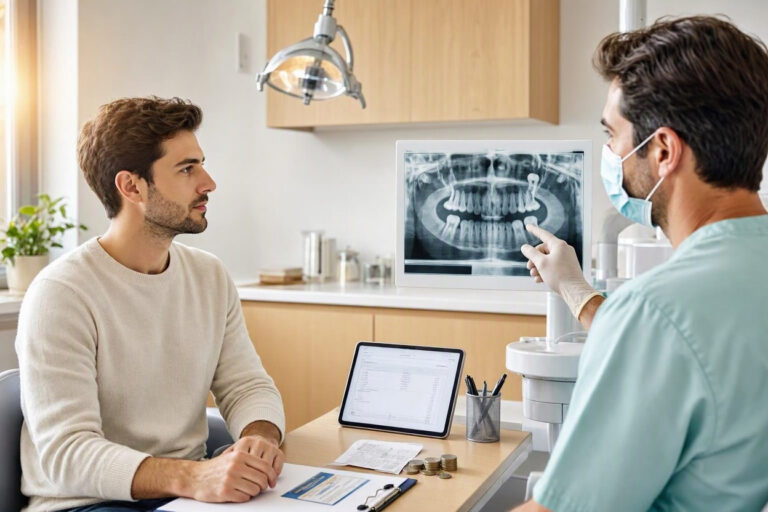
A routine dental examination—also called a dental checkup or dental exam—is a comprehensive evaluation of your oral health. It’s not just a quick look at your teeth. It’s a systematic assessment of your entire mouth, including your teeth, gums, tongue, cheeks, and jaw.
During a routine exam, your dentist or dental hygienist will:
- Review your medical history
- Ask about any symptoms or concerns
- Examine your teeth for decay, cracks, or wear
- Check your gums for signs of disease
- Examine your tongue, throat, and cheeks for abnormalities
- Check your bite and jaw joint
- Take X-rays (usually once a year or as needed)
- Perform a professional cleaning (in most cases)
- Discuss oral hygiene and preventive care
A routine exam is different from a problem-focused exam. A routine exam is preventive. A problem-focused exam is for a specific issue, like a toothache. Problem-focused exams may cost more because they involve additional diagnostics and treatment planning.
Why Routine Exams Matter
Many people skip routine exams because they don’t have pain. But dental problems often don’t cause pain until they’re advanced. By the time you feel a toothache, the decay may have reached the nerve. You might need a root canal instead of a simple filling.
Routine exams catch problems early. They save you money, pain, and time. They also help you maintain your overall health. Studies have linked gum disease to heart disease, diabetes, and other conditions. Regular dental care is part of staying healthy.
As one dentist puts it, “A routine exam is the best investment you can make in your dental health. It’s much cheaper to prevent problems than to fix them.”
The Big Question: How Much Does a Routine Dental Examination Cost?
Now let’s get to the numbers. The cost of a routine dental exam varies widely depending on where you live and whether you have insurance.
Here are typical price ranges in different countries:
| Country | Without Insurance (USD) | With Insurance (Out-of-Pocket) |
|---|---|---|
| United States | $50 – $300 | $0 – $50 (if covered) |
| Canada | $50 – $150 | $0 – $50 |
| United Kingdom (NHS) | N/A | Free – £25.80 |
| United Kingdom (Private) | $50 – $150 | Varies |
| Australia | $50 – $200 | $0 – $100 |
| Ireland | €40 – €100 | Varies |
| Japan | $15 – $40 | $5 – $15 |
| Thailand | $15 – $40 | N/A |
| Mexico | $20 – $50 | N/A |
| India | $5 – $20 | N/A |
These prices usually include:
- Examination
- Consultation
- Oral cancer screening
- X-rays (sometimes)
- Cleaning (sometimes)
Some dentists charge separately for the exam, X-rays, and cleaning. Others bundle them into one fee. Always ask for a written breakdown.
What About the Cost of a Cleaning?
A routine exam often includes a cleaning. But sometimes it’s billed separately.
| Service | US Cost | UK Cost (Private) |
|---|---|---|
| Exam Only | $50 – $150 | £30 – £80 |
| Cleaning Only | $75 – $200 | £40 – £100 |
| Exam + Cleaning | $100 – $300 | £60 – £150 |
| Exam + Cleaning + X-rays | $150 – $400 | £80 – £200 |
What About X-Rays?
X-rays are usually taken once a year or as needed. They’re often included in the exam fee, but some dentists charge separately.
| Type of X-Ray | US Cost | UK Cost (Private) |
|---|---|---|
| Bitewing (2-4 films) | $30 – $75 | £20 – £50 |
| Panoramic | $75 – $150 | £50 – £100 |
| Full Mouth Series | $100 – $200 | £80 – £150 |
Routine Dental Exam Costs by Country
Let’s look at each country in more detail.
United States
In the US, dental care is mostly private. Costs vary widely by state and city.
| Type of Exam | Low End | Average | High End |
|---|---|---|---|
| New Patient Exam | $50 | $100-$150 | $300 |
| Recall Exam (Existing Patient) | $30 | $50-$80 | $150 |
| Exam + Cleaning | $100 | $150-$250 | $400 |
| Exam + Cleaning + X-rays | $150 | $200-$350 | $500 |
With insurance: Most dental insurance plans cover routine exams and cleanings at 100%. You may have a small co-pay ($0-$25). But you need to stay in network and meet any waiting periods.
Without insurance: You pay the full fee. Many dentists offer discounts for uninsured patients or membership plans.
Canada
In Canada, dental care is mostly private. Provincial health plans generally don’t cover dental exams for adults.
| Province | Exam Cost (CAD) | Exam + Cleaning (CAD) |
|---|---|---|
| Ontario | $50 – $100 | $150 – $250 |
| British Columbia | $60 – $120 | $160 – $280 |
| Alberta | $55 – $110 | $150 – $260 |
| Quebec | $45 – $90 | $130 – $230 |
| Manitoba | $50 – $100 | $140 – $240 |
| Saskatchewan | $50 – $100 | $140 – $240 |
| Nova Scotia | $45 – $90 | $130 – $220 |
With insurance: Most employer plans cover exams and cleanings at 100%. You may have a small co-pay.
Without insurance: You pay the full fee. Dental schools offer discounted exams.
United Kingdom
In the UK, dental care is available through the NHS or privately.
NHS: If you’re an NHS patient, you pay a fixed fee for treatment. As of 2024, the fees are:
- Band 1 (exam, diagnosis, advice, and preventive care): £25.80
- Band 2 (fillings, extractions, root canals): £70.70
- Band 3 (crowns, bridges, dentures): £306.80
Some people are exempt from NHS charges, including:
- Under 18s
- Under 19s in full-time education
- Pregnant women and new mothers
- People on certain benefits
- People on low incomes
Private: Private exams cost £30 to £80. Private cleanings cost £40 to £100.
Australia
In Australia, dental care is mostly private. The public dental system is limited.
| Type of Exam | Cost (AUD) |
|---|---|
| Private Exam | $50 – $150 |
| Private Exam + Cleaning | $100 – $250 |
| Private Exam + Cleaning + X-rays | $150 – $350 |
With insurance: Most private health insurance plans cover exams and cleanings. You may have a gap payment.
Without insurance: You pay the full fee. Public dental clinics offer reduced-cost care for eligible patients.
Japan
In Japan, dental care is covered by national health insurance.
| Type of Exam | With Insurance (30% co-pay) | Without Insurance |
|---|---|---|
| Exam | ¥1,000 – ¥2,000 | ¥3,000 – ¥6,000 |
| Exam + Cleaning | ¥1,500 – ¥3,000 | ¥5,000 – ¥10,000 |
| Exam + Cleaning + X-rays | ¥2,000 – ¥4,000 | ¥8,000 – ¥15,000 |
Japan’s national health insurance makes dental care affordable for residents.
Thailand
Thailand is a popular destination for dental tourism.
| Type of Exam | Cost (USD) |
|---|---|
| Exam | $15 – $30 |
| Exam + Cleaning | $30 – $60 |
| Exam + Cleaning + X-rays | $50 – $100 |
Prices are much lower than in Western countries.
Mexico
Mexico is another popular destination for dental tourism.
| Type of Exam | Cost (USD) |
|---|---|
| Exam | $20 – $40 |
| Exam + Cleaning | $40 – $70 |
| Exam + Cleaning + X-rays | $60 – $120 |
Prices vary by city and clinic.
India
India offers some of the lowest dental prices in the world.
| Type of Exam | Cost (USD) |
|---|---|
| Exam | $5 – $15 |
| Exam + Cleaning | $10 – $25 |
| Exam + Cleaning + X-rays | $20 – $50 |
Quality varies. Choose a reputable clinic.
What Affects the Cost of a Routine Dental Examination?
Many factors influence what you’ll pay. Let’s look at the most important ones.
1. Your Location
Prices vary by country, region, and city. Urban areas cost more than rural areas. Developed countries cost more than developing countries.
2. Type of Exam
A new patient exam costs more than a recall exam. A problem-focused exam costs more than a routine exam.
3. Dentist’s Experience
A specialist charges more than a general dentist. A dentist with decades of experience charges more than a new graduate.
4. Additional Services
X-rays, cleanings, fluoride treatments, and sealants add to the cost.
5. Insurance Coverage
If you have insurance, your out-of-pocket cost will be lower. But coverage varies.
6. Payment Method
Some dentists offer discounts for cash payment. Others charge more for credit card payments.
7. Time of Year
If you have an annual maximum on your insurance, use it before the year ends.
8. Dental School vs. Private Practice
Dental schools charge less than private practices. But appointments take longer.
9. Membership Plans
Some dentists offer membership plans that include exams and cleanings. These can save you money if you go regularly.
10. Public vs. Private
In countries with public dental systems, exams may be free or heavily subsidized. Private care costs more.
What Happens During a Routine Dental Examination?
Understanding what happens during an exam helps you know what you’re paying for.
Step 1: Medical History Review
Your dentist reviews your medical history. They ask about medications, allergies, and any recent health changes.
Time: 5 minutes
Step 2: Visual Examination
Your dentist examines your teeth, gums, tongue, cheeks, and throat. They look for signs of decay, gum disease, and oral cancer.
Time: 10-15 minutes
Step 3: Periodontal Probing
Your dentist uses a small measuring tool to check the depth of the pockets between your teeth and gums. This helps detect gum disease.
Time: 5-10 minutes
Step 4: X-Rays
X-rays may be taken to check for cavities between teeth, bone loss, and other issues.
Time: 5-10 minutes
Step 5: Cleaning
A dental hygienist removes plaque and tartar from your teeth. They polish your teeth and may apply fluoride.
Time: 20-30 minutes
Step 6: Discussion and Recommendations
Your dentist discusses their findings. They may recommend treatment, discuss oral hygiene, or schedule a follow-up.
Time: 5-10 minutes
Total Time
A routine exam takes 45-60 minutes. A new patient exam may take longer.
How Often Should You Get a Routine Dental Exam?
Most dentists recommend a routine exam every six months. But the frequency depends on your oral health.
Every Six Months
For most people with good oral health, twice a year is sufficient. This allows your dentist to catch problems early and maintain your oral health.
Every Three to Four Months
If you have gum disease, a history of cavities, or other risk factors, your dentist may recommend more frequent visits.
Every 12 to 24 Months
If you have excellent oral health and no risk factors, your dentist may recommend less frequent visits. Some research suggests that low-risk adults can go longer between exams.
Children
Children should have exams every six months. Their teeth change quickly, and early detection of problems is important.
Seniors
Seniors may need more frequent exams, especially if they have dry mouth, gum disease, or other conditions.
Pregnant Women
Pregnant women should have a dental exam early in pregnancy. Gum disease has been linked to premature birth and low birth weight.
People with Chronic Conditions
People with diabetes, heart disease, or other chronic conditions should have regular exams. Oral health is linked to overall health.
As one dentist explains, “The six-month rule is a guideline, not a law. Some people need to come more often. Others can come less often. It depends on your individual risk factors.”
Does Insurance Cover Routine Dental Examinations?
Insurance coverage for routine exams varies by country and plan.
United States
Most dental insurance plans cover routine exams and cleanings at 100%. You may have a small co-pay ($0-$25). But you need to stay in network and meet any waiting periods.
Some plans have annual maximums ($1,000-$2,000). Once you hit that limit, you pay 100% out of pocket.
Canada
Most employer-sponsored dental plans cover exams and cleanings at 100%. You may have a small co-pay.
Provincial health plans generally don’t cover dental exams for adults. Some provinces cover children and low-income adults.
United Kingdom
NHS patients pay a fixed fee (Band 1: £25.80). Some people are exempt. Private patients pay £30-£80.
Australia
Private health insurance plans cover exams and cleanings. You may have a gap payment. Public dental clinics offer reduced-cost care for eligible patients.
Japan
National health insurance covers exams. You pay 30% of the cost.
Thailand, Mexico, India
These countries generally don’t have insurance for routine dental exams. You pay out of pocket.
Medicare (US)
Original Medicare does not cover dental exams. Medicare Advantage plans may offer some coverage.
Medicaid (US)
Medicaid coverage for dental exams varies by state. Some states cover exams for children and certain adults. Most do not cover adults.
How to Save on Routine Dental Examinations
You don’t have to pay full price. Here are practical ways to reduce your costs.
1. Get Insurance
If you don’t have dental insurance, consider buying an individual plan. It can save you money on exams and cleanings.
2. Join a Membership Plan
Some dentists offer membership plans that include exams and cleanings. You pay a monthly or annual fee.
3. Go to a Dental School
Dental schools offer discounted exams performed by supervised students. Savings can be 30-50%.
4. Look for Free Clinics
Some communities have free dental clinics for low-income residents. Check with your local health department.
5. Use Public Dental Services
In countries with public dental systems, exams may be free or heavily subsidized. Check your eligibility.
6. Ask About Discounts
Some dentists offer discounts for uninsured patients, seniors, or students. Ask.
7. Time It Right
If you have insurance with an annual maximum, use it before the year ends.
8. Combine Services
Some dentists offer a discount if you get an exam and cleaning together.
9. Prevent Problems
The best way to save is to avoid needing expensive treatments. Brush, floss, and get regular exams.
10. Negotiate
It never hurts to ask. Some dentists offer discounts for upfront payment.
Important Notes for Readers
Don’t Skip Exams: Even if nothing hurts, regular exams are essential. They catch problems early.
Ask About Costs: Don’t assume. Ask for a written estimate before treatment.
Check Your Insurance: Know what your plan covers. Call your insurer if you’re unsure.
Be Honest: Tell your dentist about your medical history, medications, and habits. This helps them provide better care.
Ask Questions: If you don’t understand something, ask. Your dentist should explain.
Follow Recommendations: If your dentist recommends treatment, don’t delay. Problems get worse over time.
Maintain Good Oral Hygiene: Exams are important, but they’re not a substitute for daily care. Brush twice a day and floss daily.
Keep Your Records: Keep track of your exams, treatments, and X-rays. This helps you and your dentist.
Review Your Plan Annually: Your needs change. Review your insurance or membership plan every year.
Consider the Long Term: Regular exams are an investment in your health. They can save you money and pain down the road.
Frequently Asked Questions
How much does a routine dental exam cost?
A routine dental exam costs between $50 and $300 in the US, depending on your location and whether you have insurance. In other countries, it may be free or cost less.
Does insurance cover routine dental exams?
Most dental insurance plans cover routine exams at 100%. You may have a small co-pay. Check your policy.
How often should I get a dental exam?
Most dentists recommend every six months. But the frequency depends on your oral health. Ask your dentist.
What’s the difference between a routine exam and a problem-focused exam?
A routine exam is preventive. A problem-focused exam is for a specific issue. Problem-focused exams may cost more.
Does a routine exam include a cleaning?
Often, yes. But some dentists charge separately. Ask before you book.
Does a routine exam include X-rays?
Sometimes. X-rays are usually taken once a year or as needed. Some dentists include them; others charge separately.
Can I get a dental exam without insurance?
Yes. You’ll pay out of pocket. Many dentists offer discounts for uninsured patients.
Are dental exams free for children?
In some countries, yes. In the UK, NHS exams are free for under-18s. In the US, Medicaid may cover exams for children. Check your local rules.
Are dental exams free for seniors?
In some countries, yes. In the UK, NHS exams are free for people over 65. In Canada, some provinces cover seniors. Check your local rules.
What happens if I don’t get regular dental exams?
Problems can go undetected. Cavities can become root canals. Gum disease can progress. You may need more expensive treatment later.
How do I find a good dentist?
Look for recommendations, read reviews, check credentials, and ask about fees. Don’t choose based on price alone.
Can I get a dental exam at a dental school?
Yes. Dental schools offer discounted exams performed by supervised students.
What if I can’t afford a dental exam?
Consider dental schools, free clinics, public dental services, or payment plans. Don’t skip care—problems get worse.
Does a dental exam hurt?
No. A routine exam is not painful. You may feel some pressure during the cleaning.
How long does a dental exam take?
A routine exam takes 45-60 minutes. A new patient exam may take longer.
What should I bring to a dental exam?
Bring your insurance card, a list of medications, and any dental records you have.
Can I eat before a dental exam?
Yes. But you may want to brush your teeth beforehand.
What if I have dental anxiety?
Tell your dentist. They can help you feel more comfortable. Some offices offer sedation.
Conclusion
A routine dental examination costs between $50 and $300 in the US, but prices vary widely around the world. In countries with public dental systems, exams may be free or heavily subsidized. Insurance often covers exams at 100%. Routine exams are essential for maintaining oral health and catching problems early. With dental schools, membership plans, and preventive care, you can manage the cost of regular checkups.
Additional Resources
For more information on dental exams and oral health, visit the World Dental Federation at fdiworlddental.org.