How Much Does A Teeth-Whitening Procedure Cost?
A bright, white smile is one of the most desired features in modern society. Whether you are preparing for a wedding, a job interview, or simply want to feel more confident, teeth whitening is a popular choice. But how much does a teeth-whitening procedure actually cost? The answer depends on where you live, the method you choose, and who performs the treatment.
This guide will walk you through the costs of professional teeth whitening, from in-office treatments to custom take-home trays and over-the-counter options. You will learn what affects the price, how to save money, and what to expect during and after the procedure. By the end, you will have a clear picture of what you might pay for a whiter smile.

What Is A Teeth-Whitening Procedure?
A teeth-whitening procedure is a cosmetic dental treatment that lightens the color of your teeth. It works by removing stains and discoloration from the enamel and dentin. Most whitening products use hydrogen peroxide or carbamide peroxide as the active ingredient. These chemicals break down stains into smaller particles, making them less concentrated and less visible.
There are three main categories of teeth whitening:
- In-office professional whitening: Performed by a dentist using high-concentration gels and special lights or lasers.
- Custom take-home trays: Made by a dentist, these trays are filled with professional-grade gel and worn at home.
- Over-the-counter products: Strips, gels, toothpaste, and rinses available at pharmacies and supermarkets.
Professional whitening is generally faster and more effective than over-the-counter options. It is also safer because a dentist monitors the process.
Average Cost Of A Teeth-Whitening Procedure
The cost of teeth whitening varies widely depending on the method and provider. Here is a breakdown of average prices in the United States.
| Whitening Method | Average Cost (USD) |
|---|---|
| In-office professional whitening (single session) | $300 – $800 |
| In-office whitening with take-home trays | $500 – $1,200 |
| Custom take-home trays (dentist-made) | $200 – $500 |
| Over-the-counter strips | $20 – $60 |
| Whitening toothpaste | $5 – $15 |
| Whitening rinses | $10 – $30 |
| Laser whitening | $500 – $1,500 |
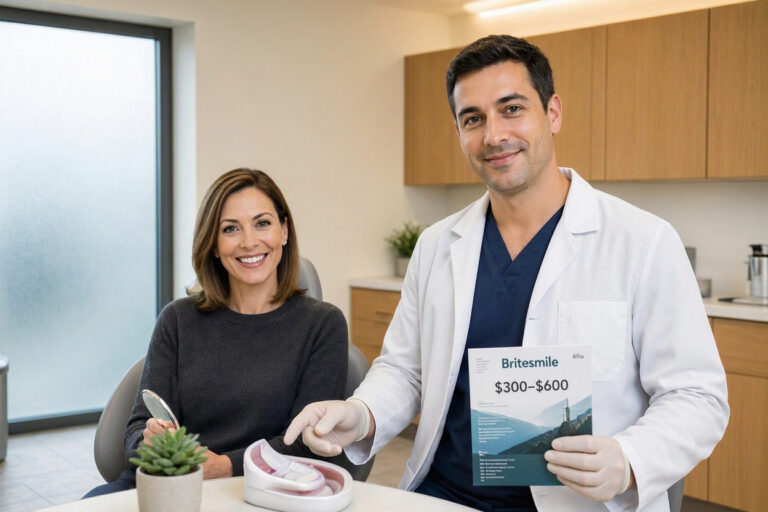
| Britesmile | $300 – $800 |
| Zoom whitening | $400 – $1,000 |
These prices are for the United States. Costs in other countries can be lower or higher.
Regional Price Variations
Teeth-whitening costs differ around the world. Here is a general comparison for in-office professional whitening.
| Country | Average Cost (Local Currency) | Approx. USD |
|---|---|---|
| United States | $300 – $800 | $300 – $800 |
| Canada | CAD $300 – $800 | $220 – $600 |
| United Kingdom (private) | £200 – £600 | $250 – $750 |
| Australia | AUD $400 – $900 | $270 – $600 |
| India | ₹3,000 – ₹12,000 | $35 – $150 |
| Mexico | MXN $1,500 – $5,000 | $75 – $250 |
| Thailand | THB $4,000 – $12,000 | $120 – $350 |
| Philippines | ₱3,000 – ₱10,000 | $55 – $180 |
| Turkey | $100 – $300 | $100 – $300 |
In countries with universal healthcare, teeth whitening is rarely covered because it is cosmetic. Patients pay out of pocket.
Factors That Influence The Cost
Several things affect how much you pay for a teeth-whitening procedure.
Geographic Location
Dentists in big cities charge more. Rent, staff salaries, and equipment costs are higher in urban areas. A whitening treatment in New York City may cost twice as much as the same treatment in a small town in the Midwest.
Type Of Whitening
In-office whitening with a light or laser costs more than take-home trays. Over-the-counter products are the cheapest but also the least effective.
Dentist’s Experience
A highly experienced cosmetic dentist may charge more. Patients pay for skill, safety, and better results.
Number Of Sessions
Some patients need only one session. Others with deep stains may need two or more. Each additional session adds to the total cost.
Additional Products
Many dentists offer take-home trays to maintain your results. These add $200 to $500 to your bill. Some packages bundle everything together for a discount.
Complexity Of Stains
Yellow stains from coffee or tea are easier to remove than gray stains from tetracycline or fluorosis. Deep stains may require more sessions or stronger gels.
In-Office Vs Take-Home Whitening: Cost Comparison
| Feature | In-Office Whitening | Custom Take-Home Trays |
|---|---|---|
| Cost | $300 – $800 | $200 – $500 |
| Time to results | 1 hour | 1 – 2 weeks |
| Results duration | 6 – 12 months | 6 – 12 months |
| Dentist supervision | Yes | Limited |
| Sensitivity risk | Higher | Lower |
| Convenience | Immediate | Flexible |
| Best for | Quick results | Gradual, controlled whitening |
In-office whitening is faster but more expensive. Take-home trays are cheaper but require patience and discipline.
Does Insurance Cover Teeth Whitening?
Dental insurance rarely covers teeth whitening because it is considered a cosmetic procedure. Most plans exclude any treatment that is purely for appearance. However, there are exceptions:
- If whitening is needed to restore a tooth after trauma, insurance may pay part of the cost.
- Some plans cover whitening as part of a larger restorative treatment.
- Flexible spending accounts (FSA) and health savings accounts (HSA) may allow you to use pre-tax dollars.
Always check with your insurance provider before booking. If you have no insurance, you pay the full fee out of pocket.
Payment Options And Financing
You do not have to pay everything upfront. Many dental offices offer:
- In-house payment plans: Monthly installments with low or no interest.
- Third-party financing: CareCredit, Cherry, and Sunbit offer dental loans.
- Credit cards: Convenient but watch for high interest rates.
- Dental savings plans: Discount plans that reduce fees by 10-60%.
- Health spending accounts: Use pre-tax funds if your employer offers one.
Ask your dentist about payment options before treatment starts.
How To Save Money On Teeth Whitening
- Get multiple quotes: Prices vary. Compare at least three dentists.
- Look for new patient specials: Many offices offer discounted whitening for first-time patients.
- Ask about package deals: Bundling whitening with a cleaning or exam can save money.
- Schedule during slow months: January and February often have promotions.
- Join a dental savings plan: Save on cosmetic treatments at participating dentists.
- Negotiate: Ask for a cash discount or a payment plan.
- Use FSA or HSA funds: Pay with pre-tax dollars if eligible.
- Consider take-home trays: They cost less than in-office treatment and last longer.
- Maintain your results: Avoid staining foods and drinks to make your whitening last.
The Teeth-Whitening Procedure
1. Consultation
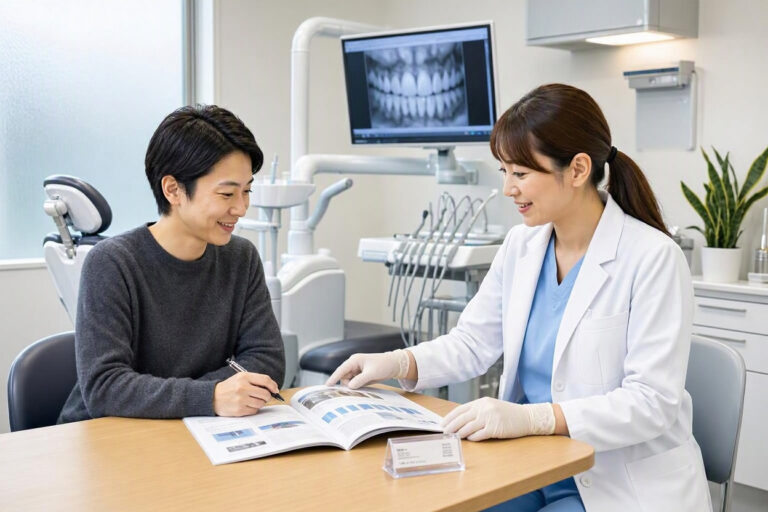
Your dentist examines your teeth and discusses your goals. They check for cavities, gum disease, and other issues that need treatment first.
2. Shade Matching
The dentist records your current tooth shade so you can compare before and after.
3. Preparation
A protective barrier is placed over your gums and lips. This keeps the whitening gel from irritating soft tissue.
4. Gel Application
The whitening gel is applied to your teeth. It contains hydrogen peroxide or carbamide peroxide.
5. Light or Laser Activation
For in-office whitening, a special light or laser may be used to activate the gel. This speeds up the process.
6. Rinsing And Evaluation
After the gel has worked for the recommended time, the dentist rinses your teeth and checks the shade. Some patients need a second session.
7. Desensitizing Treatment
A fluoride or desensitizing gel is applied to reduce sensitivity.
The whole process usually takes 45 to 90 minutes.
Aftercare For Teeth Whitening
After your whitening procedure, follow these tips to maintain your results:
- Avoid coffee, tea, red wine, and smoking for at least 48 hours.
- Brush and floss regularly.
- Use a whitening toothpaste.
- Get touch-up treatments as needed.
- Use custom take-home trays for maintenance.
- Drink through a straw when consuming staining beverages.
- Rinse your mouth with water after eating or drinking.
Results typically last 6 to 12 months, depending on your habits.
Expert Opinions
“Professional teeth whitening is a safe and effective way to brighten your smile. But it is not permanent. Patients should understand that maintenance is key. Touch-ups and good habits keep your smile white.”
— Dr. Amanda Lewis, Cosmetic Dentist
“I always tell my patients that whitening is not a substitute for good oral hygiene. Brush, floss, and see your dentist regularly. Whitening is the cherry on top.”
— Dr. David Kim, DDS
Important Notes For Readers
Note 1: Prices in this article are estimates. Actual costs vary by dentist and location.
Note 2: Teeth whitening is not recommended for children under 18 or pregnant women.
Note 3: Whitening does not work on crowns, veneers, or fillings. These will not change color.
Note 4: Some patients experience temporary tooth sensitivity after treatment. This usually goes away within a few days.
Note 5: Overuse of whitening products can damage enamel. Follow your dentist’s instructions.
Frequently Asked Questions
How much does a teeth-whitening procedure cost?
A professional in-office teeth-whitening procedure costs between $300 and $800 on average in the US. Custom take-home trays cost $200 to $500. Over-the-counter options cost $20 to $60.
Is professional teeth whitening worth the cost?
Yes, for many patients. Professional whitening is faster, safer, and more effective than over-the-counter products. Results last longer, too.
Does teeth whitening hurt?
Most patients feel no pain. Some experience mild sensitivity during or after treatment. Desensitizing gel helps reduce this.
How white will my teeth get?
Results vary. Most patients see 4 to 8 shades lighter. Deep stains from smoking or tetracycline may need more sessions.
Can I whiten my teeth if I have crowns or veneers?
Whitening only works on natural teeth. Crowns, veneers, and fillings will not change color. Your dentist may recommend replacing them after whitening to match your new shade.
How often can I whiten my teeth?
Most dentists recommend waiting at least 6 months between professional treatments. Overuse can damage enamel and increase sensitivity.
Is laser whitening better than gel whitening?
Both are effective. Laser whitening may be faster, but results are similar. The best choice depends on your dentist’s recommendation.
Additional Resources
For more information about teeth whitening and oral health, visit the American Dental Association website. You can also learn about professional whitening options from the American Academy of Cosmetic Dentistry.
Conclusion
A teeth-whitening procedure costs between $300 and $800 for in-office treatment, or $200 to $500 for custom take-home trays. Insurance rarely covers it because it is cosmetic, but payment plans and savings plans can help. With proper care, results last 6 to 12 months, making professional whitening a worthwhile investment in your smile.