New Life Dental Implant Center Temecula
Deciding to get dental implants is rarely a small decision. It involves time, money, and a fair amount of hope. For many residents in Temecula, Murrieta, and the surrounding valleys, the name “New Life Dental Implant Center” comes up often in conversations about tooth replacement.
But what does this center actually offer? Is it the right fit for your specific situation? This guide walks you through everything you need to know, from the first consultation to long-term care, without any hype or hidden agendas.
We will look at the real pros and cons, the costs you can expect, the technology used, and what past patients commonly report. Whether you are missing one tooth, several teeth, or are considering full-mouth restoration, this article aims to give you clear, practical answers.
Understanding What a Dedicated Implant Center Actually Means
Not all dental offices are created equal. A general dentist might place one or two implants a month. A dedicated implant center, however, focuses almost exclusively on implant procedures. This matters for several reasons.
First, repetition builds skill. The team at a specialized center handles complex cases daily. They see unusual bone structures, infections, and failed implants from other offices. Second, the equipment is different. You will find in-house CT scanners, 3D printers for surgical guides, and on-site labs. Third, the workflow is streamlined. You often get the surgery and the final crown in the same building.
This is the core promise of the New Life Dental Implant Center in Temecula. They aim to reduce the number of visits and improve the coordination between the surgeon and the restorative dentist.
Important Note: A dedicated center does not guarantee a perfect outcome for every patient. Your individual health, bone density, and oral hygiene habits play a huge role in success.
The Typical Journey: What Happens at Your First Visit
Walking into any new medical facility can feel intimidating. Here is a realistic breakdown of what usually happens during an initial consultation at this Temecula center.
You will likely fill out a detailed medical history form. Be honest about medications, smoking habits, and conditions like diabetes or osteoporosis. These factors directly affect implant healing.
Next, you meet the implant coordinator. This person explains the general process and answers basic questions about insurance and financing. Then comes the clinical exam. The dentist or oral surgeon will:
- Examine your mouth visually
- Take a cone beam CT scan (a low-radiation 3D X-ray)
- Measure your bone volume and density
- Check for signs of gum disease or decay in remaining teeth
You rarely get a same-day implant on this first visit unless it is a simple case. Most people return for a separate surgical appointment after a treatment plan is created.
What You Should Bring to the Consultation
- A list of current medications and allergies
- Any recent dental X-rays from your previous dentist
- Your insurance card (even if implants have limited coverage)
- A notebook to write down questions
Types of Implant Procedures Offered
Every mouth is different. The center typically offers several levels of treatment. Understanding these helps you set realistic expectations.
Single Tooth Replacement
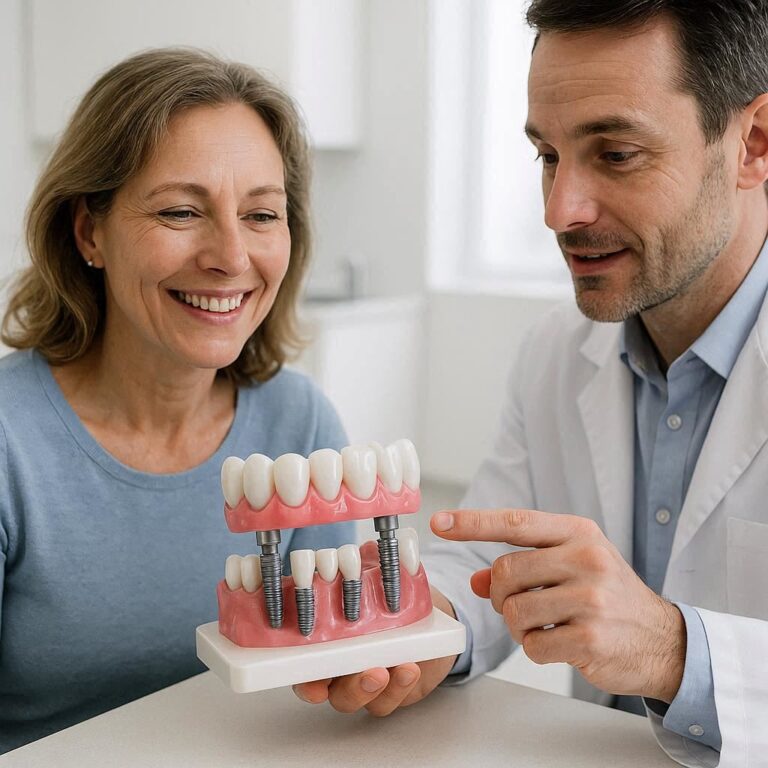
This is the most straightforward procedure. A single titanium post goes into the jawbone at the site of the missing tooth. After three to six months of healing (osseointegration), an abutment and crown are attached. The result looks and functions like a natural tooth.
Multiple Implants for a Bridge
If you have two or three missing teeth in a row, placing an implant at each gap is not always necessary. Instead, two implants can support a three-unit bridge. This saves bone and reduces cost.
Full Arch Restoration (All-on-4 or All-on-6)
For patients missing all teeth on the upper or lower jaw, full arch solutions change lives. The All-on-4 technique uses four implants per arch. The All-on-6 uses six implants for extra support. A fixed, non-removable bridge attaches to these implants. You do not take this out at night like traditional dentures.
Implant-Supported Dentures
Some patients prefer a removable option that snaps onto implants. Two to four implants hold a special denture securely. You can remove it for cleaning, but it does not rock or slip during eating or talking.
Bone Grafting and Sinus Lifts
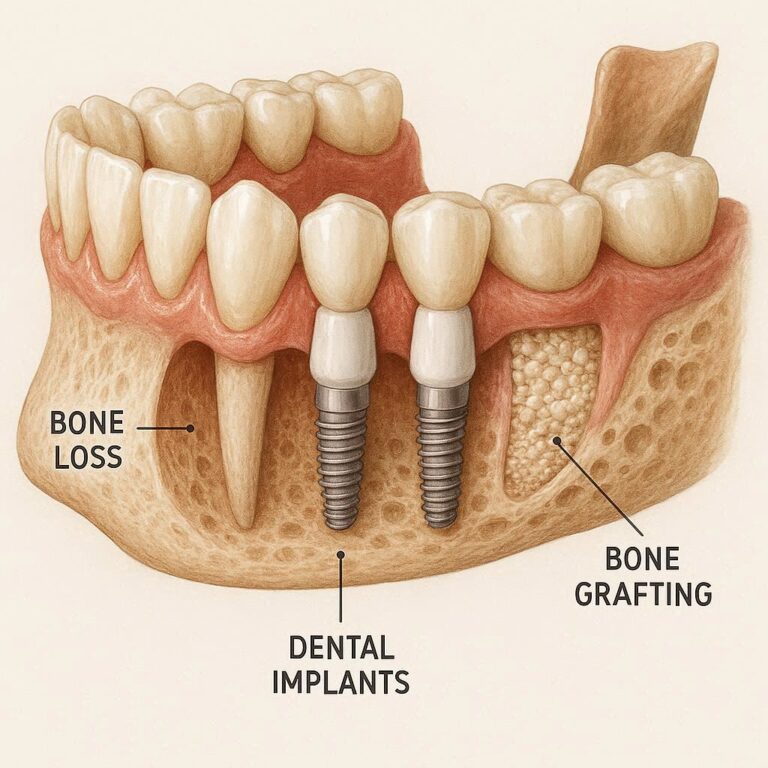
Not everyone has enough bone for implants. When bone loss has occurred (common after years of missing teeth), a graft may be necessary. The center typically offers:
- Socket preservation: Graft placed immediately after a tooth extraction
- Ridge augmentation: Adding bone to a narrow ridge
- Sinus lift: Adding bone to the upper back jaw near the sinus cavity
These procedures add three to nine months to your overall treatment timeline. This is normal. Do not trust any dentist who promises implants in one day without discussing bone quality first.
A Realistic Cost Breakdown for Temecula Patients
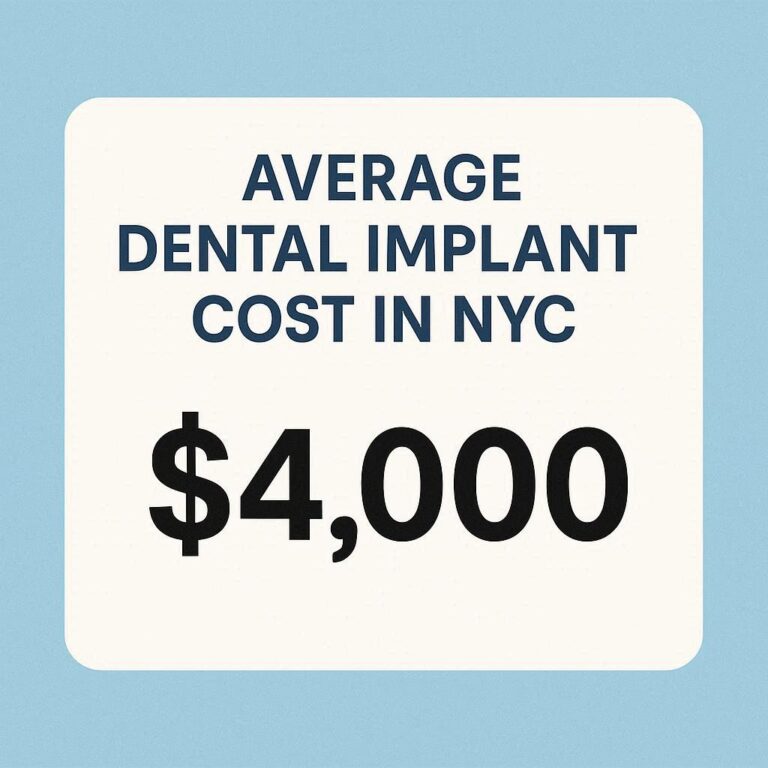
Let us talk about money. Dental implants are an investment. Prices vary based on materials, surgeon experience, and geographical location. In Southern California, you can expect to pay more than in rural areas, but less than in Beverly Hills.
Here is a typical price range for the New Life Dental Implant Center in Temecula. These are estimates based on regional averages.
| Procedure | Estimated Cost (per unit) | What Is Included |
|---|---|---|
| Consultation and CT scan | $150 – $350 | Exam, 3D imaging, treatment plan |
| Single implant (post only) | $1,500 – $2,500 | Surgical placement, healing cap |
| Abutment and crown | $1,200 – $2,000 | Custom crown, final attachment |
| Single implant complete | $2,800 – $4,500 | Post, abutment, crown, basic follow-ups |
| Implant-supported bridge (3 units) | $5,000 – $8,000 | Two implants + three-unit bridge |
| Full arch All-on-4 (per arch) | $15,000 – $25,000 | Four implants, fixed provisional bridge, final bridge |
| Bone graft (small) | $400 – $900 | Graft material, membrane |
| Sinus lift | $1,500 – $3,000 | Per side |
Important Note: These prices rarely include sedation fees, extractions, or temporary restorations. Always ask for a written treatment plan with every line item listed.
Does Insurance Cover Any of This?
Traditional dental insurance plans treat implants as a “major service.” Most plans cover 50% of the cost of a crown or bridge, but often pay nothing for the implant post itself. However, there are exceptions.
Some PPO plans now offer implant benefits. Coverage is typically capped at $1,000 to $2,000 per year. Medical insurance may cover implant-related procedures if tooth loss resulted from an accident, tumor removal, or congenital condition.
The center’s billing department should verify your benefits before treatment begins. Do not assume anything. Call your insurer yourself and ask these three questions:
- Does my plan have an implant rider or exclusion?
- What is my annual maximum?
- Is there a waiting period for major services?
For most people, paying out of pocket or using financing is the reality. The center often partners with third-party financing companies like CareCredit, LendingClub, or Proceed Finance.
Patient Experience: What Real People Say
No article is complete without honest feedback. Online reviews for the New Life Dental Implant Center in Temecula show a mix of very positive and occasional negative experiences. Let us break down common themes.
Commonly Praised Aspects
- Efficiency: Patients appreciate having surgery and restoration in one location. No driving between different offices.
- Technology use: Many mention the clarity of the CT scan and digital smile previews.
- Pain management: Most report less discomfort than expected, with clear post-op instructions.
- Financial transparency: The treatment coordinator usually provides a printed breakdown before any work begins.
Common Complaints or Warnings
- Long wait times for non-surgical appointments: Like many specialty offices, routine follow-ups can be scheduled weeks out.
- Upselling: Some patients feel pressure to add bone grafts or sinus lifts that may not be strictly necessary. Always get a second opinion if unsure.
- Communication gaps: A few report that the surgeon and restorative dentist did not fully sync schedules, leading to delays.
- Not cheap: Even with financing, some feel the final bill exceeded the initial estimate due to unexpected grafts.
“I had my upper arch done here. The surgery itself was smooth. Healing took longer than they said because I smoke. They were honest about the risks upfront. My only regret is not quitting smoking sooner.” — Former patient, Temecula (paraphrased from local forums)
Comparing New Life Dental Implant Center to Other Options
You have choices in Temecula. Here is how a dedicated implant center typically compares to other dental models.
| Option | Advantages | Disadvantages | Best For |
|---|---|---|---|
| Dedicated Implant Center | High volume, specialized team, on-site lab, faster turnaround | Higher upfront cost, less focus on general dentistry | Complex cases, full arch, multiple implants |
| General Dentist with implant training | Convenient for existing patients, lower hourly rate | Less experience with complications, may refer out surgical part | Single implant in healthy bone |
| Dental School | Lowest cost, supervised by experts | Very long appointments, frequent cancellations, longer total timeline | Patients with flexible schedules and low budget |
| Corporate Chain (Aspen, Western Dental) | Financing options, Saturday hours | High turnover of dentists, aggressive sales tactics | Emergency extractions, temporary solutions |
Step-by-Step Timeline for a Typical Case
Let us create a realistic timeline for a patient missing tooth #19 (lower left first molar) with adequate bone.
- Day 1: Consultation and CT scan. Treatment plan created. Cost quoted.
- Week 2: Implant placement surgery (about 60 minutes). Local anesthesia with optional nitrous oxide.
- Weeks 2-20: Healing period. The bone fuses to the implant. You wear a temporary partial denture or flipper.
- Week 20: Uncovery surgery (small incision to expose implant). Impressions taken.
- Week 22: Abutment placed.
- Week 24: Final crown delivered.
Total time: Approximately 6 months from start to finish.
For full arch All-on-4, the process is different:
- Day 1: Extractions (if needed), implant placement, and immediate temporary fixed bridge attached.
- Months 3-6: Soft diet, healing, no chewing on the temporary bridge.
- Month 6: Final bridge fabricated and screwed in.
- Total time: 6 to 8 months, but you leave with teeth on day one.
Risks and Complications to Know Before You Sign
Honest guides do not hide risks. Dental implant surgery is very successful (over 95% for lower jaw, 90-95% for upper jaw), but failures happen.
Early Failures (first 3-4 months)
- Infection at the surgical site
- The implant fails to integrate due to poor bone quality
- Overheating of bone during drilling
- Patient smokes heavily (smoking reduces blood flow)
Late Failures (after crown is attached)
- Peri-implantitis (inflammation and bone loss around implant)
- Mechanical fracture of the crown or abutment screw
- Clenching or grinding (bruxism) that overloads the implant
What the Center Should Do to Minimize Risks
- Use a surgical guide for precise placement
- Prescribe antibiotics and chlorhexidine rinse
- Schedule a follow-up CT scan at one year
- Provide a night guard if you grind your teeth
Critical note: If an implant fails, the center should have a written warranty policy. Ask for it. Typical warranties cover the implant component for 5 years, but may not cover a new crown.
How to Choose the Right Surgeon at the Center
The New Life Dental Implant Center likely has multiple doctors. You can request a specific provider. Look for these credentials:
- DDS or DMD (Doctor of Dental Surgery or Medicine)
- Board certification in oral surgery or periodontics (not required but preferred for complex cases)
- Membership in the American Academy of Implant Dentistry (AAID) or International Congress of Oral Implantologists (ICOI)
- Years placing implants (ask for a number: 100, 500, or 1000+)
Do not be shy about asking to see before-and-after photos of cases similar to yours. A confident surgeon will share these.
Preparing for Surgery: A Practical Checklist
Good preparation reduces anxiety and complications.
Two weeks before:
- Stop smoking or using nicotine products (critical for healing)
- Inform the surgeon of any colds, fevers, or illnesses
- Arrange for a driver if you are receiving IV sedation
Three days before:
- Fill any prescriptions (antibiotics, pain relievers, mouth rinse)
- Buy soft foods: yogurt, applesauce, protein shakes, mashed potatoes, scrambled eggs
Night before and morning of:
- Eat a light meal if using local anesthesia only
- Brush and floss normally
- Wear comfortable, loose clothing
What to bring:
- Your photo ID and insurance card
- A list of emergency contacts
- Earphones and a playlist (helps during longer procedures)
Recovery and Aftercare: The First Two Weeks
The first 72 hours are the most intense. Here is a realistic recovery roadmap.
Days 1-3
- Swelling peaks at 48 hours. Use ice packs (20 minutes on, 20 off).
- Mild to moderate pain controlled with ibuprofen + acetaminophen.
- Do not spit, use a straw, or rinse forcefully. This can dislodge the blood clot.
- Sleep with your head elevated.
Days 4-7
- Swelling subsides. Switch to warm compresses if desired.
- Begin gentle saltwater rinses (1 tsp salt in 1 cup warm water) after meals.
- Return to non-strenuous work or daily activities.
- Still avoid chewing near the implant site.
Days 8-14
- Sutures may dissolve or require removal (the center will tell you).
- Most bruising fades.
- You can introduce slightly firmer soft foods like pasta, soft bread, or fish.
When to Call the Center Immediately
- Bleeding that does not stop with firm gauze pressure for one hour
- Fever over 101°F (38.3°C)
- Severe pain not relieved by prescribed medication
- Swelling that worsens after day three
Long-Term Maintenance for Your Implants
Dental implants do not get cavities, but they can get a form of gum disease called peri-implantitis. Prevention is simple but strict.
Daily home care:
- Brush twice daily with a soft nylon brush
- Use a water flosser (Waterpik) on a low setting around the implant
- Floss with superfloss or implant-specific floss (Gum® floss threaders)
- Avoid metal scalers or carbon fiber picks
Professional maintenance:
- See a hygienist every 3 to 6 months (more often than natural teeth)
- The hygienist should use plastic or titanium instruments, not steel
- Annual X-rays to check bone levels around each implant
Lifestyle changes for implant longevity:
- Quit smoking completely (implants in smokers fail 2-3x more often)
- Wear a night guard if you grind
- Do not use your teeth as tools (opening packages, cracking nuts)
Financing Strategies That Actually Work
Few people have $20,000 sitting in a savings account. Here are realistic ways to afford treatment.
In-House Payment Plans
Ask if the center offers no-interest or low-interest payment plans directly. Some do for 6-12 months. Read the fine print for late fees.
Medical Credit Cards
CareCredit is the most common. It offers deferred interest (6, 12, 18 months) but charges retroactive interest if you miss a single payment. Only use this if you are certain you can pay in full by the deadline.
Personal Loans
LightStream, SoFi, and Upgrade offer unsecured personal loans for medical procedures. Interest rates range from 7% to 25% based on credit. These are often better than credit cards for larger amounts.
Dental Tourism (Not Recommended for Complex Cases)
Some patients travel to Mexico or Costa Rica for lower prices. This can work for simple single implants. For full arch or grafting, follow-up care becomes impossible. If an implant fails, no local dentist will warranty another’s work.
HSA or FSA Accounts
If you have a Health Savings Account or Flexible Spending Account, use those funds. Implants are a qualified medical expense. This saves you income tax on that money.
Frequently Asked Questions (FAQ)
1. How painful is dental implant surgery?
Most patients report less pain than a tooth extraction. The procedure itself is numb. Afterward, over-the-counter pain relievers usually suffice. Severe pain is uncommon.
2. How long do dental implants last?
With proper care, the implant post can last 20+ years or a lifetime. The crown on top may need replacement after 10-15 years due to normal wear.
3. Can I get implants if I have diabetes?
Yes, but your blood sugar must be well-controlled (HbA1c below 7.0). Uncontrolled diabetes significantly increases failure risk. The center may request a letter from your physician.
4. Am I too old for implants?
No. Age is not a limiting factor. Many patients in their 70s, 80s, and 90s receive implants successfully. Overall health matters more than age.
5. What if I have bone loss?
You will need a bone graft before implants. This adds time and cost but makes success possible. The center will measure your bone precisely with the CT scan.
6. Are the implants metal? Will they set off airport metal detectors?
Most are titanium or zirconia. Titanium rarely sets off modern airport detectors because the amount of metal is small. Zirconia is metal-free and completely undetectable.
7. Can I have an MRI later with implants?
Yes. Titanium is non-ferromagnetic. It is safe for MRI. Always tell the MRI technician you have implants.
8. What is the success rate for full arch All-on-4?
Published studies show 94-98% success at five years. Success depends on proper case selection and patient compliance with follow-up.
9. Do I need to take time off work?
Plan for 2-3 days off for single implant surgery. For full arch or grafting, take 5-7 days. Most people return to desk jobs within a few days.
10. How do I know if the center is right for me?
Schedule a consultation. Ask for a second opinion from a general dentist. Trust your gut. If you feel rushed or pressured, consider another provider.
Additional Resource
For unbiased, dentist-reviewed information on dental implants, including cost calculators and a surgeon finder, visit the American Academy of Implant Dentistry’s patient education page:
https://www.aaid.com/patients/index.html
This resource provides checklists, videos of procedures, and a search tool to verify a dentist’s implant credentials.
Conclusion
The New Life Dental Implant Center in Temecula offers a focused, technology-driven approach to tooth replacement. It is well-suited for patients with complex needs, multiple missing teeth, or those seeking full arch solutions. However, it is not the cheapest option, and success still depends heavily on your own bone health, habits, and follow-up care. Get a written treatment plan, ask about warranties, and always seek a second opinion before proceeding with major grafting or full mouth reconstruction.