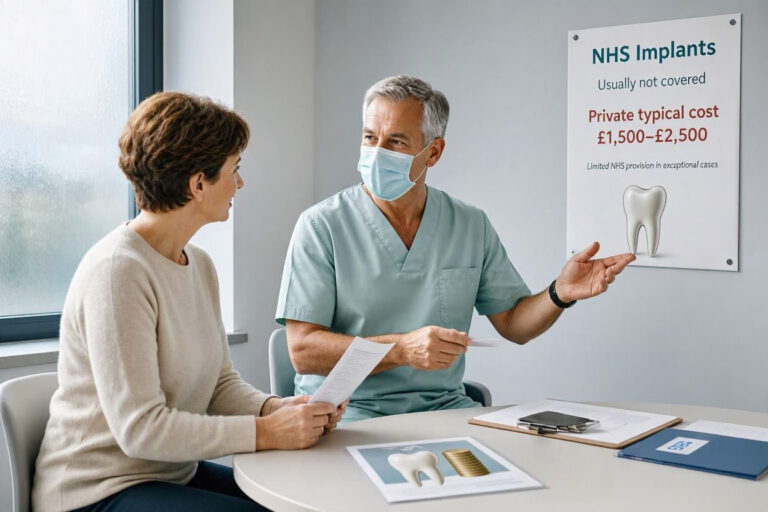
What Does A Dental Implant Screw Cost?
When people talk about the cost of a dental implant, they are usually referring to the entire treatment: the surgery, the implant, the abutment, and the crown. However, the implant itself is a distinct component. Often called the “screw” or “fixture,” this is the titanium post that is surgically placed into the jawbone. Understanding the cost of this specific part is helpful for patients who want to know exactly what they are paying for. This guide will break down the cost of a dental implant screw, its role in the treatment, and why its price is just one part of a larger picture.
Understanding the Dental Implant Screw
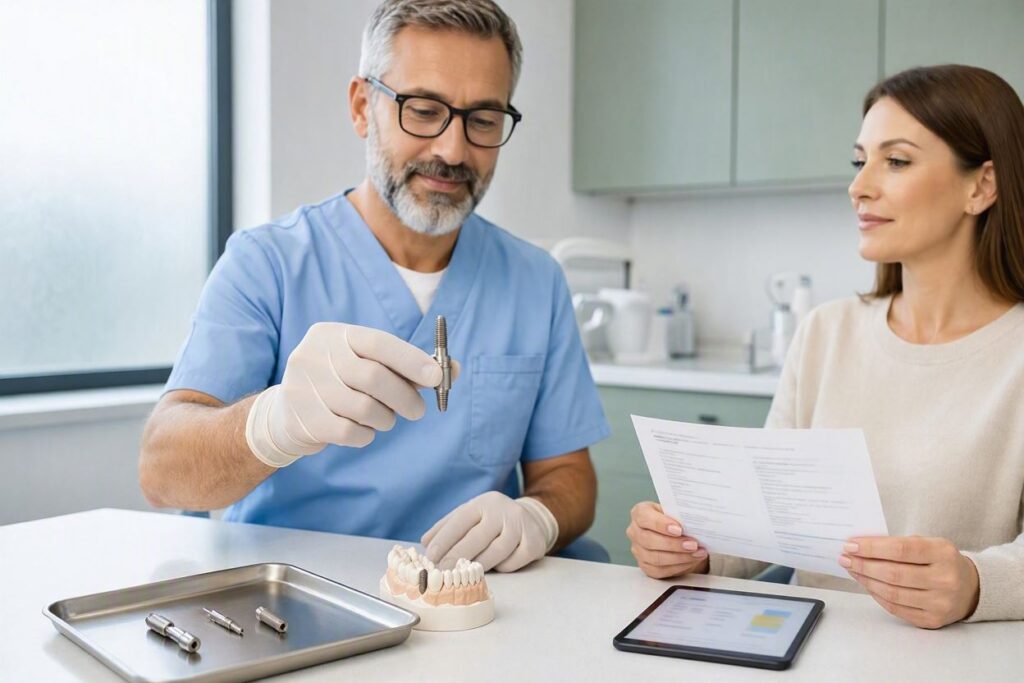
A dental implant screw is a marvel of modern engineering. It is a small, threaded post, typically made of commercially pure titanium or a titanium alloy. This material is used because it is biocompatible, meaning the human body does not reject it. In fact, bone cells love to grow onto titanium. This process, called osseointegration, is what makes implants so strong and stable.
The implant screw is designed to mimic the root of a natural tooth. It comes in various lengths and diameters to suit different teeth and different bone densities. The surface of the screw is often specially treated, either by sandblasting or acid-etching, to create a microscopically rough texture. This rough surface increases the surface area and encourages bone cells to attach more readily.
The implant screw is the foundation of the entire restoration. A well-made, well-placed implant screw can last a lifetime. This is why the choice of implant brand and the skill of the surgeon are so important.
The Cost of the Implant Screw Itself
It is difficult to put an exact price on the implant screw for a patient, as it is not sold directly to the public. It is a component purchased by the dentist from a dental supply company. However, understanding its relative value helps explain the total cost of treatment.
For a dental practice, the cost of a single implant screw from a reputable manufacturer typically ranges from £150 to £450.
This is the cost to the dentist for the titanium post alone. The price varies based on the brand, the specific design, and the technology built into the implant. It is a significant portion of the overall treatment cost, but it is by no means the only cost.
Factors That Influence the Cost of the Implant Screw
The price a dentist pays for an implant screw is determined by several factors.
1. The Brand and Manufacturer
This is the biggest factor. Premium implant brands, such as Straumann, Nobel Biocare, and Astra Tech, have decades of clinical research and documentation behind them. They invest heavily in research and development. Their implants are proven to have high success rates over the long term. This reputation and reliability command a premium price.
2. The Design and Technology
Not all titanium screws are the same. Some have advanced surface treatments that promote faster and stronger bone integration. Some have specific thread designs that provide better initial stability in soft bone. These technological advancements add to the manufacturing cost and, therefore, the price.
3. The Implant System
A dental implant is not just a screw. It is part of a larger system that includes the abutment, the instruments used to place it, and the prosthetic components. The design of the screw is specific to this system. The cost of the screw reflects the engineering of the entire system.
4. The Connection Type
The top of the implant screw has a specific connection that the abutment fits into. There are internal connections (like a hexagonal or conical shape) and external connections. The complexity and precision required for these connections influence the manufacturing cost.
The Total Cost of an Implant: More Than Just the Screw
When you pay £2,500 for a single dental implant and crown, you are not just paying for a piece of titanium. The cost of the screw is just one line item in a much larger budget. The table below shows a typical cost breakdown for a single tooth implant from the dentist’s perspective.
| Cost Component | Description | Typical Cost (to the practice) |
|---|---|---|
| The Implant Screw | The titanium post placed in the bone. | £150 – £450 |
| The Abutment | The connector piece that attaches to the screw. | £100 – £250 |
| The Crown | The custom-made, visible tooth. | £200 – £500 (lab cost) |
| Surgical Kit & Materials | Drills, screws, and other disposable items. | £50 – £150 |
| The Dentist’s Time & Skill | The expertise for the surgical procedure. | £1,000 – £1,500 |
| Practice Overheads | Rent, staff, equipment, insurance, etc. | £500 – £800 |
| Total | £2,000 – £3,500 |
Important Note: This breakdown is an estimate to illustrate a point. The patient’s fee covers the full cost of running the practice and the expertise of the team. The implant screw is a vital component, but it is not the only cost driver. You are paying for a successful outcome, not just a piece of metal.
Why Choosing a Good Implant Brand Matters
It might be tempting to look for a clinic offering the cheapest implants, but this is a decision that should not be taken lightly. The implant screw is the foundation of your new tooth. If it fails, it can lead to pain, infection, and bone loss.
Choosing a well-known, reputable brand offers several advantages:
- Proven Track Record: These companies have data from millions of cases over many years. You can trust their products.
- Long-Term Availability: If a component needs replacing in 10 years, you can be confident the company will still exist and the parts will be available.
- Warranty: Many premium brands offer lifetime warranties on the implant screw itself.
A budget implant from an unknown manufacturer might be cheaper, but it carries a higher risk of failure. If a cheap implant fails, the cost of having it removed and replaced will far exceed any initial savings.
What to Ask Your Dentist
If you are considering dental implants, here are some important questions to ask your dentist:
- What brand of implant do you use? Ask why they chose that brand.
- How long have you been using this implant system? Experience matters.
- What is the success rate of this specific implant? They should be able to cite the research.
- What is included in your quoted price? Ensure it covers the consultation, scan, surgery, abutment, and crown.
Frequently Asked Questions (FAQ)
Q: Can I just buy a dental implant screw myself?
A: No. Dental implants are medical devices that can only be purchased by licensed dental professionals. Placing an implant requires surgery and is strictly regulated.
Q: Are all dental implant screws made of titanium?
A: Most are made of titanium or a titanium alloy. Some newer implants are made of zirconia, a white ceramic material. These are often chosen for aesthetic reasons or for patients with metal sensitivities.
Q: What is the difference between a dental implant screw and an abutment?
A: The implant screw is the part that is placed into the bone. The abutment is a separate piece that is attached to the top of the implant screw. The crown is then attached to the abutment.
Q: How do I know if I need a bone graft before getting an implant screw?
A: Your dentist will take a 3D scan (CBCT) to assess the amount of bone you have. If there is not enough bone to support the implant screw, you will need a bone graft.
Q: Does the dental implant screw hurt?
A: The surgical placement of the screw is performed under local anaesthetic and is painless. You can expect some soreness and swelling in the days after the surgery, which can be managed with over-the-counter pain relief.
Additional Resource
For more information on dental implants and the science behind them, you can visit the website of the Association of Dental Implantology (ADI): www.adi.org.uk.
Conclusion
The cost of a dental implant screw itself is a significant component of your treatment, typically costing the dentist between £150 and £450. However, the total fee you pay covers far more than the titanium post; it includes the abutment, crown, the dentist’s surgical skill, and the infrastructure of the practice. While it may be tempting to seek out the cheapest implant, the long-term success of your treatment depends on the quality of the implant system and the expertise of the clinician placing it.