What is the Average Cost of Dental Implants?
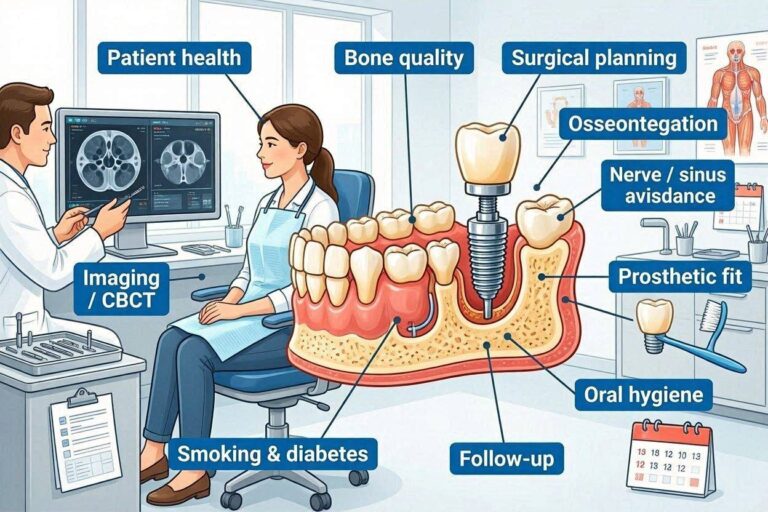
You sit across from the treatment coordinator, staring at a number that feels impossibly large. The estimate for your dental implant treatment includes line items you did not anticipate, procedures you did not know you needed, and a total that makes you wonder if you should simply learn to live with the gap in your smile. Dental implant cost represents the most frequently asked question in implant dentistry and the most significant barrier for many patients. Yet the answers available online range so widely, from a few thousand dollars to tens of thousands, that they create more confusion than clarity. Understanding what drives implant costs, what you are actually paying for at each stage, how insurance and financing work, and what alternatives exist provides the foundation for making an informed decision about one of the most significant investments you will make in your oral health.
The Real Cost Range of Dental Implants
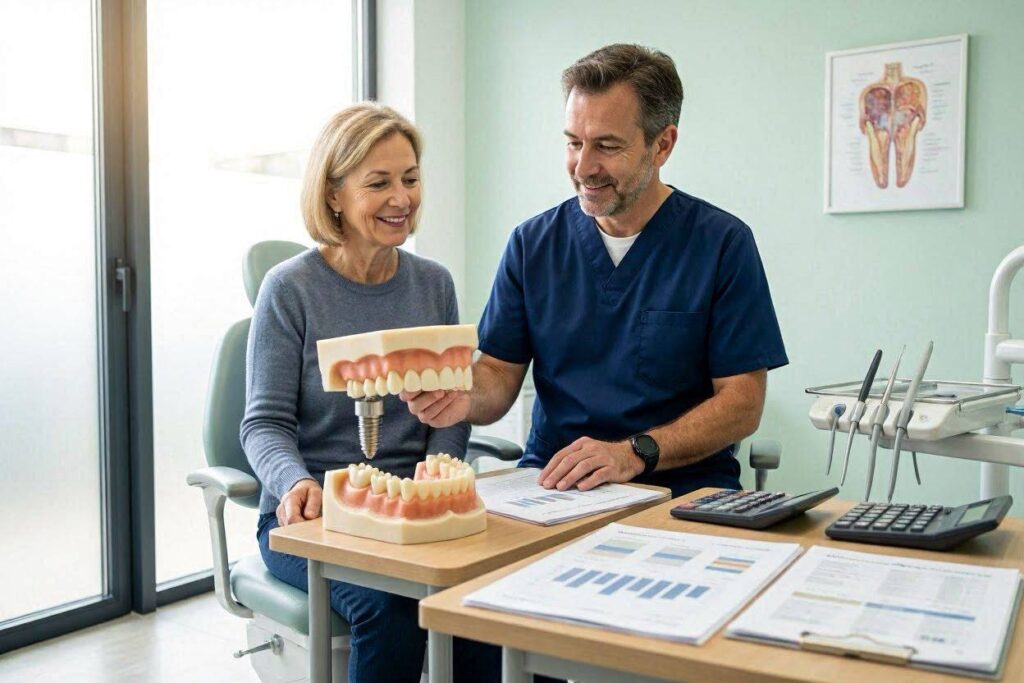
Any discussion of implant cost must begin with honest numbers. The figures quoted in advertisements and the figures patients actually pay often differ substantially.
National Averages and What They Include
A single dental implant, including the implant placement surgery, the abutment, and the implant crown, typically costs between $3,000 and $6,500 in the United States. This range represents the complete treatment from start to finish for an uncomplicated case in a patient with adequate bone and healthy surrounding tissues.
The American Dental Association and industry surveys consistently place the average total cost for a single implant at approximately $4,000 to $5,000. This average includes the surgical placement fee, the implant component cost, the abutment, and the implant crown. It does not include additional procedures such as extractions, bone grafting, or sinus lifts that many patients require.
Patients should understand that the fee advertised as an implant special often covers only the implant placement surgery or the implant component itself. The abutment and crown, which represent a significant portion of the total cost, may not be included. When comparing prices, ask for the total treatment cost including all components and procedures, not just the surgical fee.
The Gap Between Advertised and Actual Costs
Implant advertising presents a challenge for consumers. A billboard or online ad may quote $999 for a dental implant, drawing patients into the office. This fee typically covers only the implant placement, not the abutment or crown. When the full treatment plan is presented, the total cost is substantially higher than the advertised figure.
Some practices use a loss-leader approach, offering the implant placement at a reduced fee with the expectation that the restorative phase will be performed at standard rates. Other practices bundle all components into a single fee that reflects the actual cost of treatment. Patients should ask specifically what is included in any quoted fee and what additional costs they should expect.
The geographic location of the practice significantly influences costs. Implant fees in major metropolitan areas, particularly on the coasts, are typically 30 to 50 percent higher than in rural areas or smaller cities. This variation reflects differences in practice overhead, including staff salaries, rent, and laboratory costs, rather than differences in quality.
Why Direct Price Comparisons Are Difficult
Comparing implant costs between practices is complicated by several factors beyond the obvious fee differences. The implant system used affects the component cost, with premium implant manufacturers charging more for their products than budget manufacturers. The type of restoration, whether cement-retained or screw-retained, affects the abutment and crown cost. The material chosen for the crown, whether porcelain-fused-to-metal, zirconia, or lithium disilicate, affects both the laboratory fee and the total cost.
The clinician’s training and experience influence fees. A board-certified oral and maxillofacial surgeon or periodontist typically charges more for implant placement than a general dentist who places implants occasionally. This fee difference reflects the specialist’s additional training, experience with complex cases, and ability to manage complications.
The laboratory used for crown fabrication affects both the restoration quality and the cost. Premium dental laboratories with skilled ceramists charge more than budget laboratories. The difference in esthetic outcome, particularly for anterior implant crowns, can be substantial and may justify the additional cost for patients with high esthetic demands.
Component-by-Component Cost Breakdown
Understanding what you are paying for at each stage of treatment allows more meaningful comparison of treatment plans and better financial planning.
Diagnostic and Planning Costs
The initial consultation and diagnostic phase incurs costs that may or may not be included in the bundled treatment fee. A comprehensive examination including medical history review, clinical evaluation, and treatment planning typically costs $100 to $300.
Diagnostic imaging is essential for implant planning. A panoramic radiograph, which provides a two-dimensional view of the jaws, costs $100 to $250. Cone beam computed tomography, the three-dimensional imaging that is the standard of care for implant planning, costs $250 to $600. Some practices include the cost of imaging in the surgical fee. Others charge separately.
Study models, photographs, and diagnostic wax-ups may be required for complex cases, particularly in the esthetic zone. These additional diagnostic tools add $100 to $500 to the planning phase. While these costs may seem avoidable, inadequate planning leads to complications that cost far more to correct than the planning would have cost to perform.
Extraction and Site Preparation Costs
The tooth being replaced must be removed if it is still present. Simple extractions cost $150 to $300 per tooth. Surgical extractions, required for broken or impacted teeth, cost $300 to $600. The extraction cost is usually separate from the implant cost unless the practice offers a bundled fee.
Bone grafting is required for many implant patients. Socket preservation, performed at the time of extraction to maintain bone volume, costs $400 to $800 per site. Ridge augmentation, rebuilding bone width or height in a healed edentulous site, costs $800 to $2,500 depending on the defect size and graft material used. Sinus lifts, required when the sinus floor is too low for implant placement in the upper back jaw, cost $1,500 to $3,000 per side.
The cost of bone grafting materials varies. Allograft, from human tissue banks, and xenograft, from bovine sources, are moderately priced. Synthetic alloplasts are similarly priced. Autograft, harvested from the patient’s own body, adds the cost of a second surgical site and additional operative time.
Surgical Placement Costs
The implant placement surgery fee covers the surgeon’s time, the surgical suite, anesthesia, and the implant component itself. This fee typically ranges from $1,200 to $3,000 for a single implant.
The implant component cost varies by manufacturer and implant type. Premium implant systems with extensive research documentation and long-term warranty programs cost more than budget systems. The implant cost to the practice is typically $300 to $600 per implant. This cost is included in the surgical fee, not charged separately.
Anesthesia costs depend on the type used. Local anesthesia is included in the surgical fee. Nitrous oxide sedation adds $100 to $200. Oral conscious sedation adds $200 to $400. Intravenous sedation, provided by the surgeon or a separate anesthesiologist, adds $500 to $1,500. General anesthesia in a hospital setting is the most expensive option and is rarely necessary for routine implant placement.
Guided surgery, using a computer-generated surgical guide fabricated from the CBCT scan, adds $300 to $800 to the surgical cost. This technology improves precision and may reduce surgical time and complications. Its value is greatest for complex cases involving multiple implants or anatomically challenging sites.
Restorative Costs
The restorative phase, which transforms the buried implant into a functional tooth, represents a significant portion of the total treatment cost. This phase is often underestimated in advertising and initial discussions.
The abutment, the connector between the implant and the crown, costs $300 to $800. Stock abutments from the implant manufacturer cost less. Custom abutments, designed and milled for the specific implant position and soft tissue contour, cost more but provide superior esthetic and functional results in many cases.
The implant crown cost depends on the material and fabrication method. Porcelain-fused-to-metal crowns cost $800 to $1,500. All-ceramic crowns, including zirconia and lithium disilicate, cost $1,000 to $2,500. The crown cost includes the dental laboratory fee and the dentist’s chairside time for impressions, try-in, and delivery.
Temporary restorations during the healing phase add to the restorative cost. A simple removable temporary tooth costs $200 to $500. A fixed temporary crown on the implant, when immediate loading is performed, costs $500 to $1,000 in addition to the final crown.
Cost Summary Table
| Procedure Component | Cost Range (USD) | Notes |
|---|---|---|
| Consultation and examination | $100 – $300 | May be credited toward treatment |
| Panoramic radiograph | $100 – $250 | Screening, insufficient for planning alone |
| CBCT scan | $250 – $600 | Standard of care for implant planning |
| Tooth extraction (simple) | $150 – $300 | If tooth still present |
| Tooth extraction (surgical) | $300 – $600 | For broken or impacted teeth |
| Socket preservation graft | $400 – $800 | At time of extraction |
| Ridge augmentation graft | $800 – $2,500 | For healed edentulous sites |
| Sinus lift | $1,500 – $3,000 | Per side |
| Implant placement surgery | $1,200 – $3,000 | Includes implant component |
| Sedation (IV) | $500 – $1,500 | Optional, varies by type |
| Surgical guide | $300 – $800 | Optional, improves precision |
| Abutment (stock) | $300 – $500 | Standard component |
| Abutment (custom) | $500 – $800 | Milled for specific case |
| Implant crown (PFM) | $800 – $1,500 | Porcelain fused to metal |
| Implant crown (all-ceramic) | $1,000 – $2,500 | Zirconia or lithium disilicate |
| Total single implant | $3,000 – $6,500 | Uncomplicated case average |
Insurance Coverage Realities
Dental insurance coverage for implants varies widely by plan. Understanding what most plans cover and what they do not helps patients set realistic financial expectations.
What Dental Insurance Typically Covers
Dental insurance typically classifies implants as a major procedure, reimbursed at 50 percent of the plan’s allowed amount up to the annual maximum. The annual maximum for most dental plans is $1,000 to $2,000, which is less than the cost of a single implant. This means insurance covers only a portion of the implant cost even under the best circumstances.
Some plans cover the implant placement but not the restoration, or cover the restoration but not the surgery. Others cover implants only if the patient meets specific criteria, such as having adequate bone without grafting or replacing a tooth that was not missing before the policy effective date. The policy language determines coverage, and patients should obtain a pre-treatment estimate before committing to treatment.
The least expensive alternative clause in many dental insurance policies limits reimbursement for implants. If a partial denture or bridge could restore the edentulous space at lower cost, the plan may reimburse implant treatment only up to the amount it would pay for the less expensive alternative. The patient is responsible for the difference.
Medical Insurance Possibilities
Medical insurance may cover portions of implant treatment when tooth loss results from a medical condition, accident, or congenital anomaly. Reconstruction after oral cancer surgery, trauma from motor vehicle accidents, and congenital missing teeth are examples where medical insurance may provide coverage.
Medical insurance coverage for implants typically requires documentation of medical necessity and may require pre-authorization. The coverage applies to the surgical phase, including bone grafting if needed, rather than the restorative phase. The patient’s medical plan documents determine coverage specifics.
Flexible spending accounts and health savings accounts allow pre-tax dollars to be used for implant treatment. These accounts can provide tax savings of 20 to 35 percent on implant costs, depending on the patient’s tax bracket. The accounts have annual contribution limits and specific rules for qualified expenses.
Pre-Treatment Estimates and Appeals
A pre-treatment estimate, submitted by the dental office to the insurance carrier before treatment begins, provides a written estimate of what the plan will pay. This document prevents misunderstandings about coverage and allows the patient to plan for out-of-pocket costs. Patients should request a pre-treatment estimate for implant treatment.
If coverage is denied or limited, patients have appeal rights. Appeals may require documentation of medical necessity, including letters from the treating clinicians explaining why implants are the appropriate treatment for the specific clinical situation. Successful appeals often emphasize functional deficits and medical necessity rather than cosmetic concerns.
Factors That Drive Cost Variation
Understanding why implant costs vary helps patients evaluate treatment plans and make informed decisions about where to invest their resources.
Geographic Factors
Practice overhead varies dramatically by location. Rent, staff salaries, malpractice insurance, and regulatory compliance costs are higher in major metropolitan areas, particularly on the East and West Coasts. These higher overhead costs are reflected in implant fees.
Competition affects pricing within a geographic area. Areas with many implant providers may have more competitive pricing than areas with few providers. However, patients should be cautious about choosing the lowest-priced option without evaluating the clinician’s training and experience.
Dental tourism, where patients travel to other countries for lower-cost implant treatment, has grown significantly. Countries including Mexico, Costa Rica, Hungary, and Thailand offer implant treatment at 30 to 60 percent less than United States prices. These savings must be weighed against the challenges of managing complications from a distance, differences in regulatory standards, and the logistical complexity of treatment that requires multiple appointments over several months.
Clinician Training and Experience
Specialist surgeons, including oral and maxillofacial surgeons and periodontists, typically charge more than general dentists for implant placement. This fee difference reflects their additional years of surgical training, experience with complex cases, and ability to manage intraoperative complications.
Experience matters in implant surgery. Clinicians who place hundreds of implants annually have refined their surgical technique, developed efficient protocols, and managed the full range of complications. This experience may justify higher fees, particularly for complex cases. However, high fees do not guarantee high quality, and patients should evaluate experience and outcomes rather than assuming price correlates with quality.
The team approach, where a surgical specialist places the implant and a restorative dentist delivers the crown, may result in higher total fees than a single provider handling both phases. The benefit is that each phase is performed by a clinician who specializes in that aspect of treatment. For complex esthetic cases, this team approach often produces superior results.
Material and Laboratory Costs
The implant system chosen affects the component cost. Premium implant manufacturers including Straumann, Nobel Biocare, and Zimmer Biomet invest heavily in research and development, maintain rigorous quality control, and provide extensive warranties. Their implants cost more than those from smaller manufacturers.
The dental laboratory fabricating the crown significantly influences the restorative cost. A premium laboratory with experienced ceramists using high-quality materials charges more than a budget laboratory. The difference in esthetic outcome is often visible, particularly for anterior restorations. Patients with high esthetic demands should understand where their crown will be fabricated.
Custom abutments cost more than stock abutments but provide superior support for the crown and better emergence profile for the soft tissue. In the esthetic zone, custom abutments are often worth the additional cost. In posterior sites where esthetics are less critical, stock abutments may be adequate.
Additional Costs to Anticipate
The advertised implant fee rarely includes all costs associated with treatment. Understanding these additional costs prevents financial surprises.
Maintenance and Follow-Up Costs
Implant maintenance visits, typically every three to six months, are separate from the implant placement and restoration fees. These visits include professional cleaning with non-metal instruments, evaluation of peri-implant tissue health, and periodic radiographs. Each maintenance visit costs $100 to $200.
Radiographic monitoring, typically annually, adds $35 to $100 per film. Cone beam CT scans are not routinely used for implant maintenance but may be needed if complications develop, adding $250 to $600.
Implant complications, including peri-implantitis treatment, screw loosening, or crown damage, incur additional costs. Treatment for peri-implantitis ranges from $200 for non-surgical debridement to $1,500 or more for surgical intervention. Loose abutment screw tightening is typically a minor expense. Crown replacement due to fracture or esthetic deterioration costs approximately the same as the original crown.
Replacement Costs Over a Lifetime
While implants can last a lifetime with proper care, the implant crown may require replacement after ten to fifteen years due to normal wear, porcelain chipping, or esthetic changes. The replacement cost is similar to the original crown cost, adjusted for inflation.
If the implant itself fails and requires removal and replacement, the cost is significant. Implant removal costs $500 to $1,500. Bone grafting of the failed site adds $800 to $2,500. Replacement implant placement and restoration cost the same as the original treatment. Total replacement cost can exceed the original implant investment.
Warranties and guarantees vary by manufacturer and practice. Implant manufacturers typically warrant the implant component itself against fracture, providing a replacement implant at no cost if the original fails due to material defect. This warranty does not cover the surgical or restorative fees associated with replacement. Practice guarantees may cover re-treatment at reduced or no professional fee for a specified period.
Financing and Payment Options
The significant upfront cost of implant treatment leads many patients to seek financing options. Several approaches can make treatment more affordable.
Dental Office Payment Plans
Many dental practices offer in-house payment plans that spread the cost of treatment over time. These plans may require a down payment with the balance paid in monthly installments. In-house plans may or may not charge interest. Practices that offer interest-free plans typically require payment within a shorter period, such as six to twelve months.
Third-party healthcare financing companies, including CareCredit, LendingClub, and Proceed Finance, specialize in medical and dental treatment financing. These companies offer promotional periods with deferred interest if the balance is paid within the promotional period. Interest rates after the promotional period or for longer-term financing can be substantial, often 15 to 30 percent APR.
Patients should carefully evaluate financing terms before committing. The total cost of treatment including interest should be calculated. Promotional financing that is not paid within the promotional period typically accrues interest retroactively from the original treatment date, which can add thousands of dollars to the cost.
Dental Schools and Clinical Trials
Dental schools and residency programs offer implant treatment at reduced fees, typically 30 to 60 percent less than private practice fees. Treatment is provided by dental students or residents under close supervision by experienced faculty. The trade-off is longer appointment times, fewer scheduling options, and treatment by clinicians who are still in training.
Clinical trials, when available, may offer implant treatment at reduced cost or no cost in exchange for participation in research. These trials typically have specific inclusion criteria and require follow-up visits beyond standard care. Patients interested in clinical trials can search for opportunities through academic dental centers.
Timing Treatment Strategically
Implant treatment can be staged to spread costs over multiple calendar years, maximizing insurance benefits that reset annually. The diagnostic and grafting procedures can be performed in one plan year, with implant placement and restoration in the following year. This approach allows the annual maximum to be applied to each phase of treatment.
Flexible spending account elections should be planned to coincide with anticipated implant treatment. These accounts are use-it-or-lose-it annually, so accurate estimation of treatment costs is important. Health savings accounts do not have an annual use requirement and can be accumulated over multiple years for major treatment.
Comparing the Cost of Alternatives
Implant cost must be evaluated in the context of alternative tooth replacement options, considering both the initial cost and the long-term cost over decades.
Cost Comparison Table
| Treatment Option | Initial Cost | Expected Lifespan | Long-Term Cost (30 years) | Impact on Adjacent Teeth |
|---|---|---|---|---|
| Single implant | $3,000 – $6,500 | 25+ years | $3,000 – $10,000 | None |
| Three-unit bridge | $2,500 – $5,000 | 10-15 years | $7,500 – $20,000 | Destructive preparation |
| Removable partial denture | $700 – $1,800 | 5-10 years | $3,500 – $10,800 | Potential clasp damage |
| No replacement | $0 | N/A | Adjacent teeth shift, opposing tooth erupts | Indirect damage |
This comparison illustrates that while implants have the highest initial cost, their longevity and preservation of adjacent teeth often make them the most cost-effective option over decades. Bridges require replacement every ten to fifteen years on average, and each replacement further compromises the abutment teeth. Partial dentures have lower initial cost but require periodic replacement and can damage the teeth they clasp.
The Hidden Costs of Choosing Less Expensive Options
Bridges require preparation of adjacent teeth, reducing healthy tooth structure that can never be restored. The prepared teeth are at increased risk for decay, pulp damage, and periodontal problems. If an abutment tooth fails, the bridge and the tooth are lost, requiring more extensive reconstruction.
Partial dentures accelerate bone loss in the edentulous area because they do not provide the mechanical stimulation that maintains bone density. Over years, the ridge resorbs, and the partial denture fits progressively worse. Relining or replacement becomes necessary. The clasps that retain the partial denture can damage abutment teeth, causing decay or mobility.
The psychological costs of non-implant options should not be underestimated. Removable prostheses affect self-confidence, social comfort, and dietary choices. Patients with partial dentures often restrict their diets to foods that can be managed with a removable appliance, which can affect nutrition and quality of life.
Red Flags in Implant Pricing
Extremely low implant fees should prompt careful investigation. Quality implant treatment has real costs that cannot be eliminated without cutting corners.
Questions to Ask About Low-Cost Implants
What implant system is being used? Reputable manufacturers invest in research, quality control, and warranty programs. Off-brand or generic implant systems may lack long-term documentation of success and may not be supported if complications develop.
Who is placing the implant? A clinician who places implants occasionally may not have the experience to manage complications or complex anatomy. Ask about the clinician’s training, the number of implants they place annually, and their complication rates.
What is included in the quoted fee? The implant placement alone is not a complete tooth replacement. Ask for the total cost including the abutment, crown, any necessary grafting, and follow-up care. A low surgical fee may be offset by higher restorative fees.
Where is the crown being fabricated? Budget laboratories may use lower-quality materials and less skilled technicians. The crown may not fit as precisely or look as natural as one from a premium laboratory. The difference may not be apparent immediately but affects longevity and tissue health.
The Value of Experience and Quality
Choosing an implant provider based solely on price risks compromising the outcome of treatment that is intended to last decades. The difference between an average implant and an excellent one may not be apparent for years, when complications develop or the restoration fails.
Experienced implant dentists manage complications effectively when they occur. Their training and experience allow them to recognize problems early and intervene appropriately. Less experienced clinicians may not recognize developing problems or may not have the skills to manage them.
The long-term cost of implant failure exceeds the initial savings from choosing a lower-cost provider. Implant removal, bone grafting, and replacement cost more than the original treatment. The emotional cost of going through implant failure and replacement should also be considered.
Conclusion
The average total cost for a single dental implant, including the surgical placement, abutment, and crown, ranges from $3,000 to $6,500 in the United States, with additional procedures such as extractions, bone grafting, and sinus lifts adding $500 to $3,000 or more when required. Dental insurance typically covers 50 percent of major procedures up to an annual maximum of $1,000 to $2,000, leaving significant out-of-pocket cost that can be managed through practice payment plans, third-party financing, or strategic timing across calendar years. While implants have a higher initial cost than bridges or partial dentures, their longevity, preservation of adjacent teeth, and maintenance of jawbone often make them the most cost-effective option when evaluated over decades of service. The choice of implant provider should be based on training, experience, and quality rather than price alone, as the long-term costs of implant failure from suboptimal treatment far exceed any initial savings.
Frequently Asked Questions
Why do dental implants cost so much?
Dental implant cost reflects the surgical training and experience required, the implant component technology and manufacturing quality, the dental laboratory artistry involved in crown fabrication, and the multiple appointments over several months that treatment requires. The cost also includes practice overhead including sterilization, imaging technology, and staff. When evaluated over decades of service, the annual cost of an implant is comparable to or less than alternatives.
Does dental insurance cover implants?
Most dental insurance plans classify implants as a major procedure and cover a percentage, typically 50 percent, up to an annual maximum of $1,000 to $2,000. This covers only a portion of the total cost. Some plans have specific implant coverage. Medical insurance may cover portions of implant treatment related to accidents, cancer reconstruction, or congenital conditions.
Are cheaper implants available in other countries?
Dental tourism offers implant treatment at 30 to 60 percent less than United States prices. However, implant treatment requires multiple appointments over several months, making travel logistically complex. Managing complications from a distance is challenging. Regulatory standards and clinician training vary by country. These factors should be weighed against the cost savings.
What happens if I cannot afford implants right now?
Financing options including practice payment plans and third-party healthcare financing can spread the cost over time. Dental schools offer reduced-fee treatment. Staging treatment across calendar years maximizes insurance benefits. Addressing the missing tooth with a temporary removable appliance while saving for implant treatment is a reasonable approach.
Are there hidden costs with dental implants?
Costs beyond the initial treatment estimate may include maintenance visits, radiographs, and treatment for complications. The implant crown may require replacement after ten to fifteen years. Patients should discuss long-term maintenance costs and warranty coverage with their provider before beginning treatment.
Can I negotiate the price of dental implants?
Some practices offer discounts for full payment at the time of service or for multiple implants placed during the same treatment phase. Dental schools and residency programs offer reduced fees. While negotiating is not typical in healthcare, asking about available discounts or payment options is appropriate.
Are mini dental implants cheaper?
Mini implants have a smaller diameter and typically cost less than standard implants. However, they are not appropriate for all situations and may have higher failure rates in certain applications. The lower initial cost may be offset by higher long-term failure rates if mini implants are used inappropriately.
How can I budget for dental implants?
Obtain a comprehensive treatment plan with all anticipated costs before beginning treatment. Use pre-tax dollars through flexible spending accounts or health savings accounts when possible. Consider financing options that spread costs over time. Stage treatment phases across calendar years to maximize insurance benefits.
Additional Resource
American Academy of Implant Dentistry: Cost of Dental Implants
https://www.aaid.com/patient_education/cost_of_dental_implants.html