What Is The Cost Of Braces In Mexico?
The pursuit of a perfect smile is a universal goal, but the cost of achieving it is not universal. In the United States and Canada, orthodontic treatment can be a significant financial burden, often costing thousands of dollars. This reality has led many patients to look beyond their borders for more affordable options. Among these options, Mexico has emerged as one of the most popular destinations for dental tourism.
The appeal is undeniable. The promise of high-quality dental care at a fraction of the price is a powerful draw, especially for families and individuals without comprehensive dental insurance. But the decision to travel to another country for medical or dental care is a significant one, fraught with both opportunity and risk.
This leads to the central question: What is the cost of braces in Mexico? The answer, while attractive, requires careful exploration. This comprehensive guide will provide a realistic breakdown of the costs, explain why they are so much lower, discuss the quality of care, and outline the potential risks and benefits of seeking orthodontic treatment south of the border.

The Allure of Dental Tourism: Why Mexico?
Mexico has become a global hub for medical and dental tourism. Cities like Tijuana, Cancun, Los Algodones, and Mexico City attract thousands of American and Canadian patients every year. The reasons for this popularity are multifaceted.
The Primary Driver: Massive Cost Savings
The most significant factor is cost. Dental care in Mexico is dramatically less expensive than in the United States or Canada. This is not because the care is inferior; rather, it is a reflection of the lower cost of living and lower overhead expenses in Mexico. A dentist in Mexico does not have to pay the same exorbitant rates for rent, staff salaries, or malpractice insurance as a dentist in the US.
Proximity and Accessibility
For Americans, particularly those living in border states like California, Arizona, and Texas, Mexico is highly accessible. Border towns like Los Algodones (near Yuma, Arizona) are just a short drive away. For Canadians, popular tourist destinations like Cancun offer the opportunity to combine a vacation with dental work.
Quality of Care
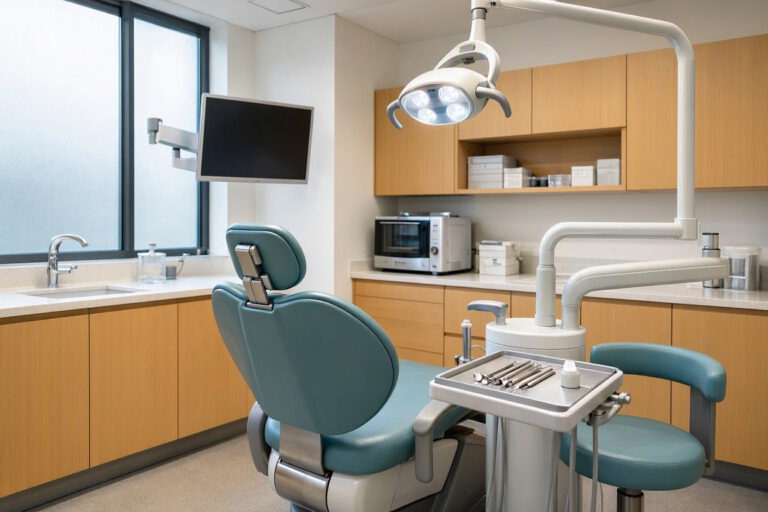
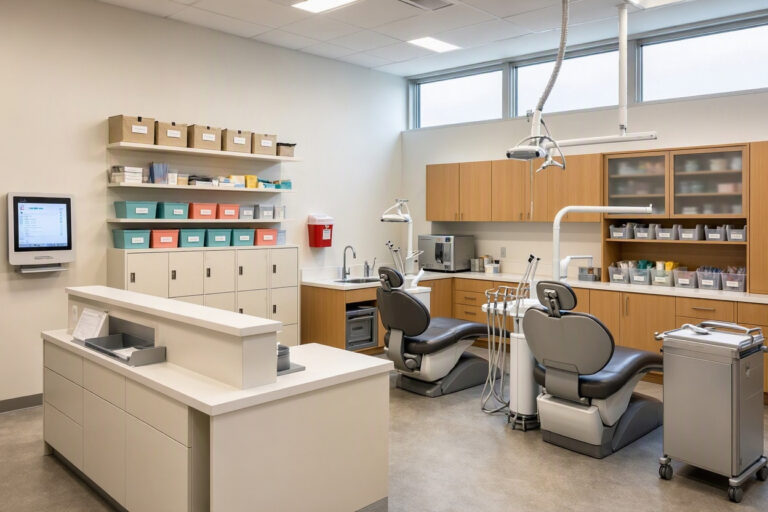
While it is a common misconception that care in Mexico is substandard, the reality is more nuanced. Mexico has many highly trained, experienced dentists, many of whom have studied in the United States or Europe. Modern dental clinics in tourist areas are often equipped with state-of-the-art technology that rivals any practice in North America.
What Is The Cost Of Braces In Mexico? A Realistic Breakdown
Now, let’s get to the numbers. The cost savings in Mexico are substantial. Here is a comparison of average costs for orthodontic treatment.
| Type of Braces | Average Cost in USA (USD) | Average Cost in Mexico (USD) |
|---|---|---|
| Metal Braces (Traditional) | $3,000 – $7,000 | $1,000 – $3,000 |
| Ceramic Braces (Clear) | $4,000 – $8,000 | $1,500 – $3,500 |
| Invisalign/Clear Aligners | $3,500 – $8,000 | $1,500 – $4,000 |
| Lingual Braces | $8,000 – $13,000 | $3,000 – $6,000 |
As you can see, the savings can be dramatic. A patient could potentially save 50% to 70% on the cost of their orthodontic treatment.
The Cost Breakdown in a Mexican Clinic
When you receive a quote from a Mexican dental clinic, the price is typically a comprehensive package. It usually includes:
- The initial consultation and examination.
- Diagnostic records (x-rays, photos, impressions).
- The braces themselves.
- All adjustment appointments for the duration of the treatment.
- Retainers at the end of treatment.
Why Is the Cost So Much Lower?
Understanding the reasons behind the price difference is essential for making an informed decision.
- Lower Cost of Living: The cost of rent, utilities, groceries, and labor is significantly lower in Mexico than in the US or Canada. This translates directly to lower overhead for the dental practice.
- Lower Labor Costs: Salaries for dental assistants, hygienists, and administrative staff are considerably lower.
- Lower Malpractice Insurance: The cost of professional liability insurance for dentists in Mexico is a fraction of what it is in the US.
- Less Student Debt: Dental education in Mexico is more affordable, meaning dentists do not graduate with the staggering student loan debt that American dentists carry. They do not need to charge high fees to service that debt.
- Currency Exchange Rate: The favorable exchange rate between the US dollar or Canadian dollar and the Mexican peso further amplifies the savings for foreign patients.
The Critical Question: Is the Quality of Care Good?
This is the most important consideration. The answer is: it depends on the clinic.
Mexico has a dual healthcare system. There are world-class, modern clinics that cater specifically to international patients, and there are also less advanced clinics that serve the local population. If you are traveling for dental tourism, you want to seek out the former.
What to Look For in a Quality Mexican Dental Clinic
- Credentials: Look for a dentist who is a member of the Mexican Dental Association (Asociación Dental Mexicana). Some may also have US-based certifications or training.
- Experience with International Patients: Choose a clinic that has a dedicated patient coordinator who speaks English and is experienced in handling the logistics of dental tourism.
- Technology: Look for a modern facility with digital x-rays, intraoral scanners, and other advanced equipment.
- Reviews and Testimonials: Research the clinic online. Read reviews on Google, Facebook, and dental tourism forums. Look for consistent, positive feedback.
- Warranty: Many top clinics offer warranties on their work, which is a sign of confidence in their quality.
“The quality of care in Mexico can be excellent. I’ve seen beautiful work from Mexican dentists. The key is doing your homework. You cannot just walk across the border and pick the first clinic you see. You need to research credentials and find a reputable provider.” — A Perspective from a US Dentist Familiar with Dental Tourism
The Hidden Costs and Risks of Treatment in Mexico
The lower price tag is attractive, but it is crucial to understand the potential downsides. The cost of a smile is not always just the price on the invoice.
1. The Cost of Travel
You must factor in the cost of travel to and from Mexico. This includes flights or gas, hotel accommodations, and food. For treatment that requires multiple visits (like braces), these costs can add up significantly. While a single visit for a crown might be cost-effective, a two-year orthodontic treatment plan requires many trips.
2. The Time Commitment
Orthodontic treatment requires regular adjustments, typically every 4-8 weeks. This means you will be traveling to Mexico for every one of those appointments. This is a huge time commitment. For many people, the inconvenience and time away from work or family make the lower cost not worth it.
3. Follow-Up Care and Complications
This is the most significant risk. What happens if you have a problem with your braces after you return home?
- Loose Bracket: A loose bracket is a common issue. Your local dentist may be hesitant to repair work done by a dentist in another country.
- Treatment Plan Issues: If your treatment is not progressing as planned, it can be difficult to manage the case remotely.
- Unfinished Treatment: If you are unable to continue traveling, your treatment may be left incomplete. You will then need to find a local orthodontist to take over, which can be expensive and complicated. Many orthodontists are reluctant to take over a case started elsewhere.
4. Legal Recourse
If something goes wrong, you have very little legal recourse. Malpractice laws in Mexico are different from those in the US or Canada. Pursuing a claim from another country is difficult and costly.
A Middle Ground: Molar City and Border Clinics
For patients living near the border, the calculus changes. Places like Los Algodones (nicknamed “Molar City”) are designed for dental tourism. The travel time and cost are minimal. Patients can drive down for the day for their adjustment appointments.
This makes treatment in Mexico a viable option for residents of San Diego, Phoenix, or El Paso. The savings on a $5,000 treatment could be $2,500 or more, which more than covers the cost of gas and time for regular visits.
Frequently Asked Questions (FAQ)
1. Is it safe to get braces in Mexico?
It can be, provided you do thorough research and choose a reputable, modern clinic with experienced dentists. The risks are manageable if you plan carefully.
2. How much can I really save?
You can realistically expect to save 50% to 70% on the cost of your braces compared to US prices.
3. Can I use my US dental insurance in Mexico?
Most US dental insurance plans do not provide coverage for treatment performed outside the United States. There are some exceptions, and a few dental tourism clinics will help you file your claim, but you should expect to pay out of pocket.
4. What is the best city in Mexico for dental work?
Popular destinations include Tijuana, Los Algodones, Cancun, and Mexico City. Los Algodones is particularly renowned for its high concentration of dental clinics.
5. Will my US dentist fix my braces if something goes wrong?
This is a major risk. Many US dentists are hesitant to work on braces they did not put on. You should discuss this possibility with your local dentist before you decide to get treatment in Mexico.
6. Do Mexican orthodontists speak English?
In clinics that cater to international patients, yes. The patient coordinators and dentists are usually fluent in English. However, it is always wise to confirm this when you contact the clinic.
Additional Resource
For more information on dental tourism and researching providers, visit the Dental Departures website.
- Link: Visit Dental Departures
Conclusion
The cost of braces in Mexico is dramatically lower than in the US or Canada, offering potential savings of 50% to 70% for patients willing to travel for their care. This price difference is driven by a lower cost of living and lower overhead, not necessarily lower quality, as many Mexican clinics are modern and staffed by skilled professionals. However, the hidden costs of travel, the logistical challenges of follow-up care, and the risks of managing complications from afar mean this option is best suited for those who live near the border or are prepared for a significant, ongoing commitment.