What Is The Cost Of Dental Fillings In Uganda?
Uganda, known as the “Pearl of Africa,” is a nation of vibrant culture, stunning landscapes, and a rapidly developing economy. The healthcare sector, including dentistry, has seen significant improvements over the past two decades, driven by government initiatives and private investment.
However, the reality of dental care in Uganda is a stark contrast to that of Western nations. While the cost of a dental filling in the United States or Europe can be hundreds of dollars, the economic landscape in Uganda creates a vastly different pricing structure—one that is accessible to expats and wealthy locals but can still be a burden for the average Ugandan citizen.
So, what is the cost of dental fillings in Uganda? This guide explores the public and private healthcare systems, the types of materials used, and how the local economy shapes the price of a simple cavity fix.

The Ugandan Dental Landscape
Understanding the price of a filling in Uganda requires understanding the context of the country’s healthcare system.
1. The Public Sector
The government runs hospitals and health centers through the Ministry of Health. Dental services are offered at National Referral Hospitals (like Mulago in Kampala) and regional hospitals.
- Target Demographic: Low-income Ugandans.
- Resources: Often underfunded. Equipment can be outdated, and the supply of materials (like composite resin) can be inconsistent.
2. The Private Sector
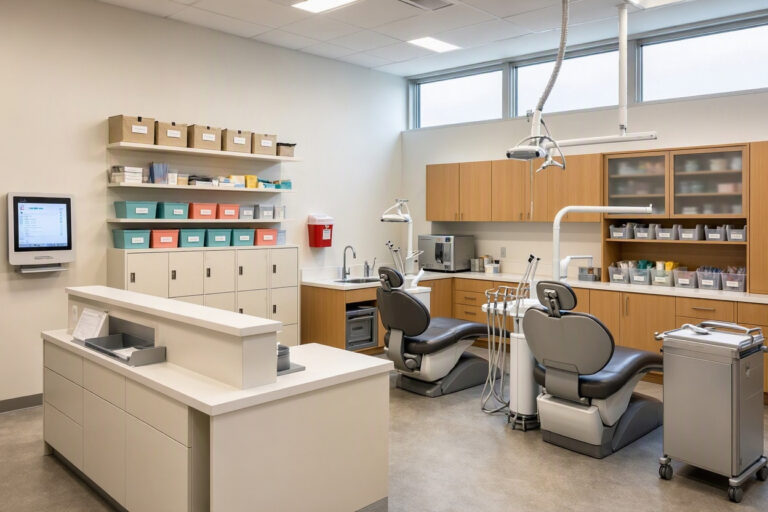
In major cities like Kampala, Entebbe, Jinja, and Mbarara, private dental clinics are booming. These range from small, one-chair operations run by a general dentist to modern, high-tech clinics catering to expats, tourists, and the Ugandan upper class.
3. NGOs and Mission Hospitals
Organizations like the Rotary Club, Christian missions, and international charities often run outreach clinics. They provide free or heavily subsidized extractions and fillings in rural areas where no permanent dentist exists.
The Cost of Dental Fillings in Uganda
Prices in Uganda are quoted in Ugandan Shillings (UGX). However, for clarity and stability, many private clinics (especially those serving foreigners) quote prices in US Dollars (USD).
1. Public Hospitals and Health Centers
If you visit a government dental unit, the cost is heavily subsidized.
- Cost: UGX 10,000 – UGX 50,000 (Approx. $3 – $13 USD).
- Material: Often Glass Ionomer Cement (GIC) or Amalgam. These materials are cheaper than modern composite resin. GIC releases fluoride and is good for non-load-bearing areas, but it is not as strong or aesthetic as composite.
- Experience: Expect long queues. You might wait all day. The standard of sterilization can vary depending on the facility’s budget.
2. Standard Private Clinics (Local Dentists)
These are clinics in busy areas of Kampala or other towns, run by local dentists.
- Cost: UGX 80,000 – UGX 200,000 (Approx. $20 – $50 USD).
- Material: Usually Composite Resin (tooth-colored) or Amalgam.
- Experience: Reasonably fast service. You can book an appointment. The quality is generally good for standard cavities.
3. Premium Private Clinics (Expat-Focused)
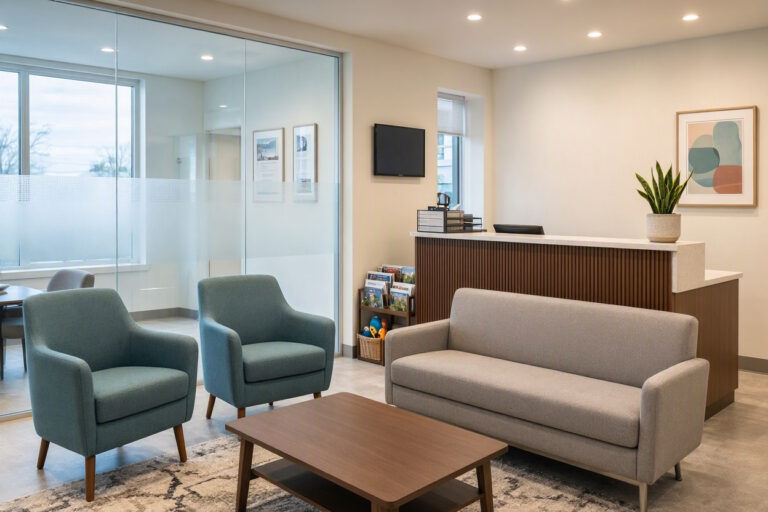
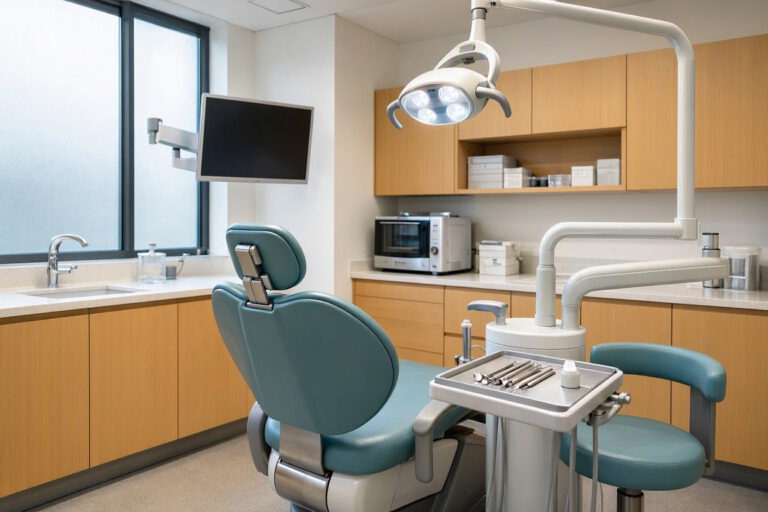
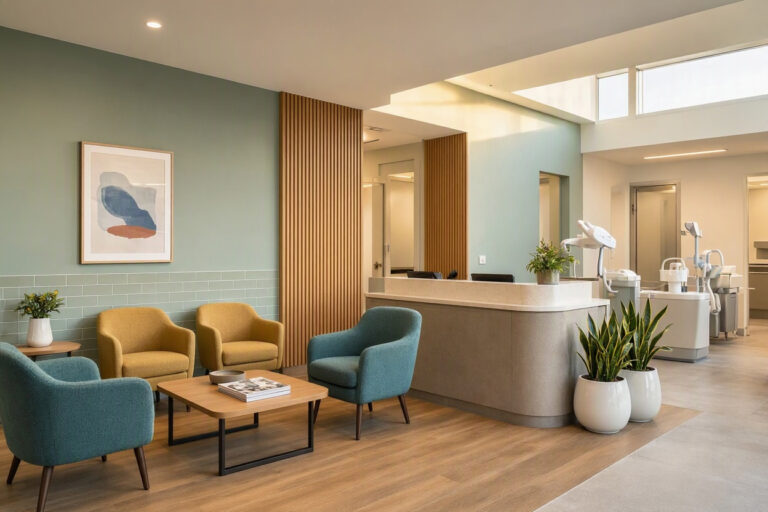
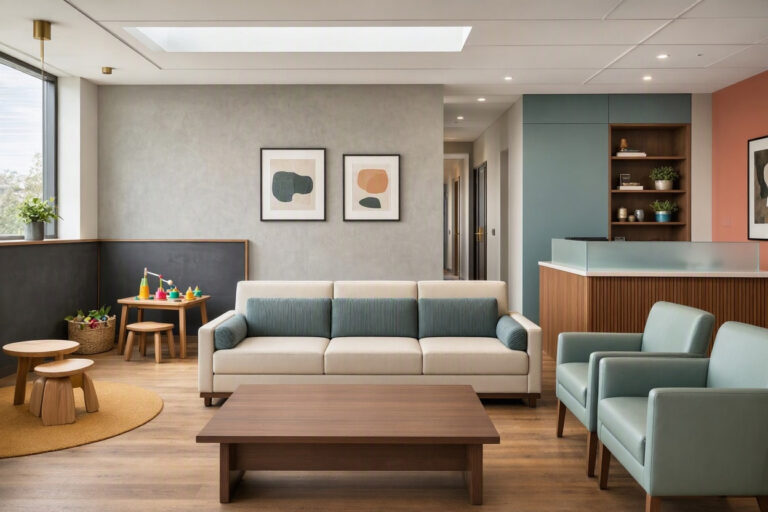
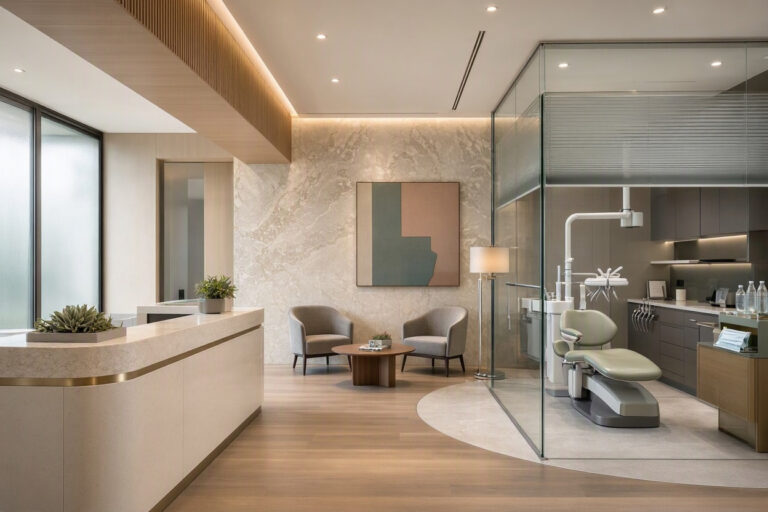
Located in areas like Kololo, Nakasero, or Bugolobi, these clinics look like dental offices in London or New York. They have digital X-rays, intraoral cameras, and imported materials.
- Cost: $50 – $120 USD per filling (UGX 190,000 – UGX 450,000).
- Material: High-quality Composite Resin or Ceramic Inlays.
- Experience: Excellent customer service. Air-conditioned waiting rooms. These clinics cater to diplomats, expats, and wealthy Ugandans.
| Type of Clinic | Cost (USD) | Material Used | Best For |
|---|---|---|---|
| Public Hospital | $3 – $13 | GIC, Amalgam | Low-income locals, no insurance. |
| Local Private Dentist | $20 – $50 | Composite, Amalgam | Middle-class Ugandans, visitors. |
| Premium Private Clinic | $50 – $120 | Composite, Ceramic | Expats, tourists, high-end care. |
Why Is There Such a Price Gap?
The disparity between public and premium private care is vast.
1. Import Costs
Uganda is a landlocked country. Almost all dental supplies—from the composite resin to the latex gloves—must be imported. Premium clinics import materials from Germany, the USA, or India. They pay high shipping costs and import duties, which they pass on to the patient.
2. The “Expats Will Pay” Factor
In a city like Kampala, there is a large community of NGO workers, UN staff, and corporate executives. These individuals have international health insurance or high salaries. Premium clinics price their services based on what this market can bear, not what the average Ugandan can afford.
3. Supply and Demand
There are relatively few “state-of-the-art” clinics in Uganda. The demand from expats and the elite keeps prices high for that segment.
Types of Filling Materials Available
Your choice of material affects both the price and the longevity of the filling.
1. Amalgam (Silver Filling)
- Description: A mixture of mercury, silver, tin, and copper.
- Pros: Very durable, cheap, easy to place.
- Cons: Unattractive (silver color). Some patients worry about mercury toxicity (though the WHO deems it safe for most adults).
- Price in Uganda: $10 – $30.
2. Glass Ionomer Cement (GIC)
- Description: A tooth-colored material that bonds to the tooth and releases fluoride.
- Pros: Good for children, root surfaces, and temporary fillings. Helps prevent future decay.
- Cons: Not as strong as composite; wears down faster under chewing pressure.
- Price in Uganda: $5 – $20 (often used in public clinics).
3. Composite Resin (Tooth-Colored)
- Description: A plastic and glass mixture that matches the tooth color.
- Pros: Aesthetic, bonds directly to the tooth, requires less drilling.
- Cons: More technique-sensitive (requires a dry field), more expensive.
- Price in Uganda: $25 – $120.
4. Ceramic Inlays/Onlays
- Description: Custom-made porcelain fillings fabricated in a lab.
- Pros: Extremely strong, best aesthetics.
- Cons: Requires two visits, very expensive.
- Price in Uganda: Rarely done; prices start at $150+.
Does Insurance Cover Dental Care in Uganda?
The insurance landscape in Uganda is evolving.
1. National Health Insurance
Unlike Kenya or Rwanda, Uganda has not yet fully rolled out a mandatory National Health Insurance Scheme (NHIS). The bill has been debated in Parliament for years. Therefore, there is no universal public insurance covering dental care.
2. Private Health Insurance
Expats and employees of large corporations often have private health insurance (e.g., Cigna, Aetna, Liberty Health, Jubilee Insurance).
- Coverage: Some premium plans include dental coverage. They usually cover basic fillings and check-ups, with an annual limit (often $500 – $1,000).
- Direct Billing: Premium clinics in Kampala often have “direct billing” agreements with these insurers.
3. Out-of-Pocket Reality
For 90% of Ugandans, dental care is paid for out of pocket. This is why extraction is so common—it is cheaper to pull a painful tooth ($5-$15) than to get a root canal and filling ($50-$150).
Insight from a Local Dentist: “In Uganda, people often come to us only when they are in pain,” says a dentist working in Kampala. “Prevention is a luxury. When a patient comes in with a small cavity, they often ask us to just pull the tooth because the filling is too expensive compared to their daily wage. It is a hard reality.”
The Medical Tourism Angle: Coming to Uganda for Dental Work
While Uganda is not a traditional “dental tourism” destination like Mexico or Thailand, it does attract a niche market.
Who comes?
- Diaspora Ugandans: Visiting family and getting dental work done while home. A filling that costs $200 in London costs $30 in Kampala.
- NGO Workers/Volunteers: Already in the country for work.
- Adventure Tourists: Some travelers combine a gorilla trek with a quick filling.
The Comparison:
- Cost in USA: $150 – $300 for a composite filling.
- Cost in Uganda (Premium): $50 – $80.
- Savings: Significant, though the flight costs make it impractical unless you are already in the region.
Risks and Considerations
If you are getting a filling in Uganda, especially at a budget clinic, keep these in mind.
1. Sterilization
While premium clinics follow international standards, some rural or low-cost clinics might reuse instruments without proper autoclaving. Always look for sealed pouches and a clean environment.
2. The “Temporary vs. Permanent” Confusion
In public clinics, due to budget constraints, dentists sometimes use temporary materials (like ZOE) to fill teeth because it is all they have. Ask the dentist what material they are using and if it is a permanent solution.
3. Power Supply
Load shedding (power cuts) is common in Uganda. Premium clinics have backup generators; small clinics might not. If the power goes out mid-procedure, you might be sitting in the chair waiting for a while.
How to Find a Good Dentist in Uganda
1. Look for the Uganda Dental Association (UDA)
Check if the dentist is a member. This ensures they are licensed and registered with the Uganda Medical and Dental Practitioners Council.
2. Read Reviews
Google Maps and Facebook are widely used in Kampala. Look for clinics with a high volume of positive reviews from both locals and expats.
3. Ask About Infection Control
Do not be afraid to ask: “How do you sterilize your instruments?” If they look confused or offended, leave.
FAQ
Q: How long does a filling take in Uganda?
A: A standard composite filling takes about 20-40 minutes. If you need anesthesia, it adds a few minutes for it to take effect.
Q: Can I pay with a credit card?
A: Premium clinics and hospitals accept Visa/Mastercard. Smaller clinics usually only accept cash (UGX) or Mobile Money (like MTN MoMo or Airtel Money). Mobile Money is ubiquitous in Uganda and is the preferred payment method for many.
Q: Are there pediatric dentists in Uganda?
A: Yes, but they are few and mostly located in Kampala. The cost for a child’s filling is similar to an adult’s.
Q: What if I need a root canal?
A: Root canals are available in major cities. A root canal on a molar at a premium clinic can cost $200 – $400, while a local clinic might charge $100. The cost of the filling/crown is usually separate.
Additional Resource
For more information on healthcare and finding registered practitioners, visit the Uganda Medical and Dental Practitioners Council: umdpc.com
Conclusion
In summary, the cost of dental fillings in Uganda ranges from as little as $3 in public hospitals to $120 in premium expat clinics. The price gap reflects the economic divide in the country and the cost of imported materials. For those with access to private care, Uganda offers excellent value, but for the average citizen, basic restorative care remains a significant financial challenge.